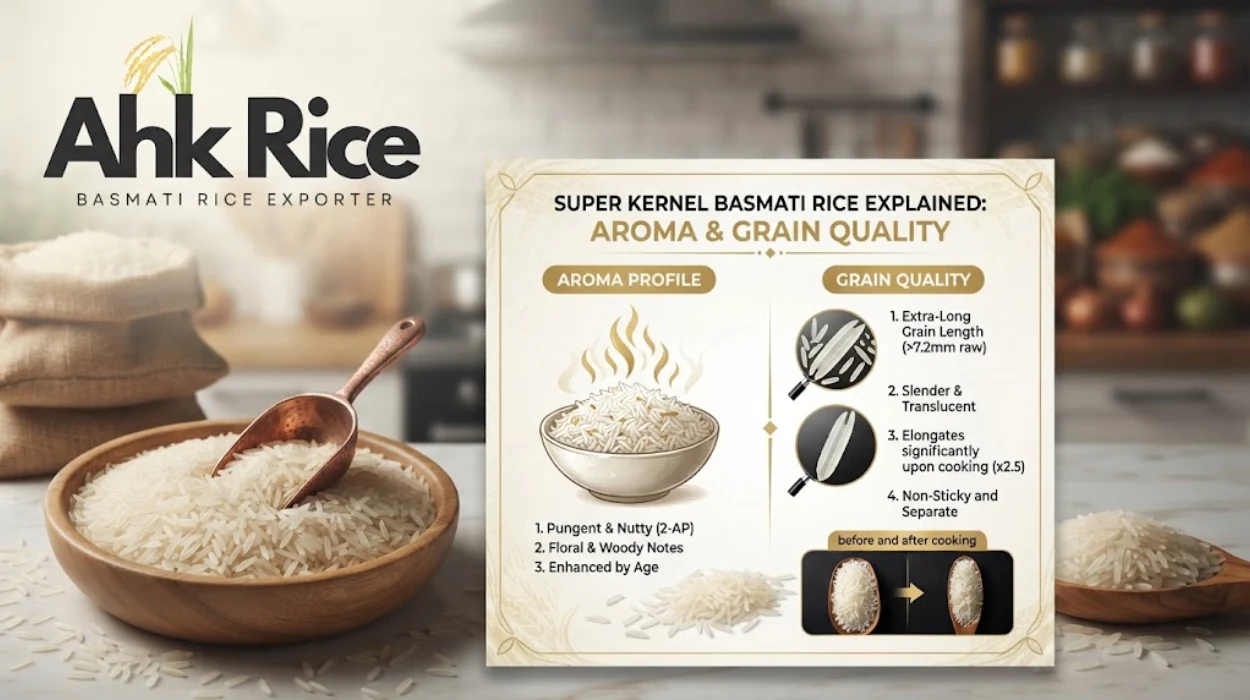
Super Kernel Basmati Rice Explained: Aroma and Grain Quality
Super Kernel Basmati Rice is a traditional Pakistani aromatic rice known for its slender grain, strong fragrance, and separate cooked texture. Here is why: Super Kernel combines distinctive Basmati aroma with approximately 7.0–7.5 mm raw grain length, making it important for retail, foodservice, and export markets.
What Is Super Kernel Basmati Rice?
Super Kernel Basmati Rice is a Pakistani aromatic Basmati category recognized for slender grains, strong natural aroma, and separate cooking performance. The rice originates mainly from the Basmati-growing belt of Punjab, where climate, irrigation, soil, and cultivation practices support aromatic grain development.
Super Kernel is also known as Super Basmati in parts of the rice trade. Commercial specifications differ by crop, milling process, and supplier. Current published specifications commonly place raw grain length around 7.0–8.0 mm, while AHK Rice describes its Super Kernel grain at approximately 7.0–7.4 mm.
Super Kernel develops its characteristic fragrance from naturally occurring aromatic compounds in the grain. Aroma becomes especially noticeable after cooking. The cooked grain remains elongated, fluffy, and relatively separate.
Super Kernel differs from 1121 Basmati mainly through grain structure and commercial positioning. 1121 commonly reaches around 8.3 mm raw length, while Super Kernel generally has a shorter grain with a stronger traditional Basmati aroma.
The distinction matters for importers. A buyer selecting rice for appearance-focused premium retail needs a different specification from a buyer serving customers who prioritize traditional fragrance and taste.
With the product defined, the next question is where Super Kernel develops its characteristic grain and aroma.
Where Is Super Kernel Basmati Rice Grown?
Super Kernel Basmati Rice is cultivated primarily in Pakistan’s Punjab Basmati belt, where suitable soil, irrigation, climate, and traditional farming support aromatic long-grain development. Punjab remains the central production region for Pakistani Basmati rice.
Punjab contains major Basmati-producing districts, including areas around Sheikhupura, Gujranwala, Hafizabad, Narowal, Sialkot, and surrounding agricultural zones. Commercial sources also identify Faisalabad and nearby districts within Pakistan’s wider rice-producing network.
How Does Cultivation Affect Grain Quality?
Cultivation affects grain length, aroma, moisture, maturity, and milling performance. Farmers cultivate the crop under controlled irrigation and harvest mature paddy for subsequent milling.
Harvest timing affects grain condition during storage and processing. Properly harvested paddy enters the milling chain with controlled moisture and reduced field damage.
Aroma also depends on variety identity and growing conditions. The final commercial specification therefore starts in the field before milling begins.
Pakistan’s Punjab origin also connects Super Kernel with established Basmati export markets. Importers commonly source Pakistani Basmati for retail, wholesale, hospitality, restaurants, and foodservice channels.
With the growing region established, the next stage is the processing sequence that converts harvested paddy into exportable rice.
How Is Super Kernel Basmati Rice Processed?
Super Kernel processing converts harvested paddy into cleaned, dehusked, polished, sorted, graded, and inspected rice through controlled milling stages. Each stage protects grain appearance, cooking performance, purity, and the final export specification.
What Are the Main Processing Steps?
- Clean the paddy to remove stones, dust, straw, and other field material.
- Control moisture to prepare paddy for efficient milling.
- De-husk the grain to remove the outer husk from the paddy.
- Separate the brown rice from remaining husk material.
- Polish the grain to achieve the required white-rice appearance.
- Sort by length to separate acceptable kernels from undersized grains.
- Sort by colour to remove discoloured and defective kernels.
- Grade the rice according to broken percentage, grain characteristics, and contract specifications.
- Inspect the finished rice for moisture, foreign matter, grain appearance, and other quality parameters.
Modern milling combines mechanical separation, optical sorting, grading equipment, and laboratory testing. Colour sorting removes defective kernels that mechanical grading alone cannot consistently identify.
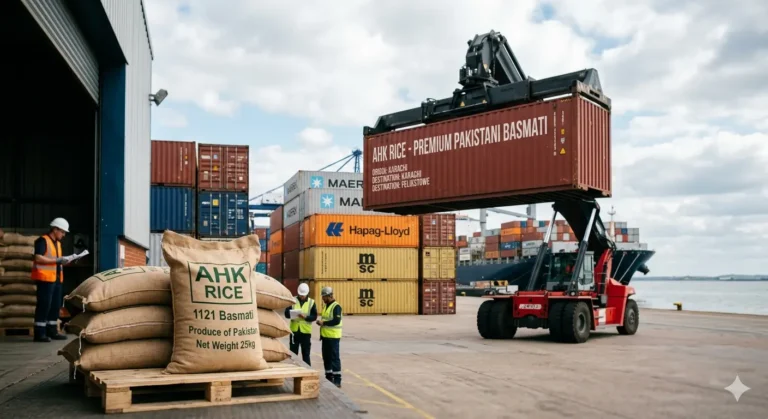
Export preparation then focuses on packaging, documentation, inspection, and shipment. The finished rice can be packed in standard commercial bags or customized formats according to the destination market.
With processing established, grain structure and aroma explain why Super Kernel remains commercially important.
What Are the Key Quality Characteristics of Super Kernel Basmati Rice?
Super Kernel quality depends on grain length, aroma, moisture, broken percentage, purity, colour, elongation, and cooking behaviour. These attributes determine how the rice performs during cooking and how it appears to consumers.
| Quality attribute | Typical commercial characteristic |
|---|---|
| Raw grain length | Approximately 7.0–8.0 mm |
| Aroma | Strong natural Basmati fragrance |
| Grain shape | Slender and elongated |
| Cooked texture | Separate and relatively non-sticky |
| Broken grains | Common premium specifications use low broken percentages |
| Moisture | Often controlled around 12–13.5% |
| Processing | White, with other forms available by supplier specification |
| Purity | Controlled through cleaning and sorting |
Published export specifications show meaningful differences between suppliers. For example, one current Pakistani specification lists 7.2 mm average grain length, while another lists 7.6–8.0 mm.
Why Does Aroma Matter?
Aroma is one of Super Kernel’s defining commercial characteristics. The fragrance becomes stronger during cooking and contributes directly to the eating experience.
Traditional Basmati aroma also helps differentiate Super Kernel from ordinary long-grain rice. Buyers selling authentic South Asian cuisine often use aroma as a core product attribute.
Why Does Grain Length Matter?
Grain length influences visual presentation and cooked appearance. Super Kernel produces a long, slender cooked grain while retaining the characteristic fragrance associated with Pakistani Basmati.
1121 generally produces a longer cooked grain. Super Kernel instead balances grain appearance with traditional aroma. This distinction becomes important during procurement comparisons.
With these quality characteristics defined, the next question is how Super Kernel fits different commercial applications.
What Are the Main Uses of Super Kernel Basmati Rice?
Super Kernel suits household consumption, biryani, pulao, restaurants, catering, wholesale distribution, and retail packaging where traditional aroma and long separate grains matter. Its cooking profile supports both everyday meals and prepared-food applications.
Which Foodservice Applications Use Super Kernel?
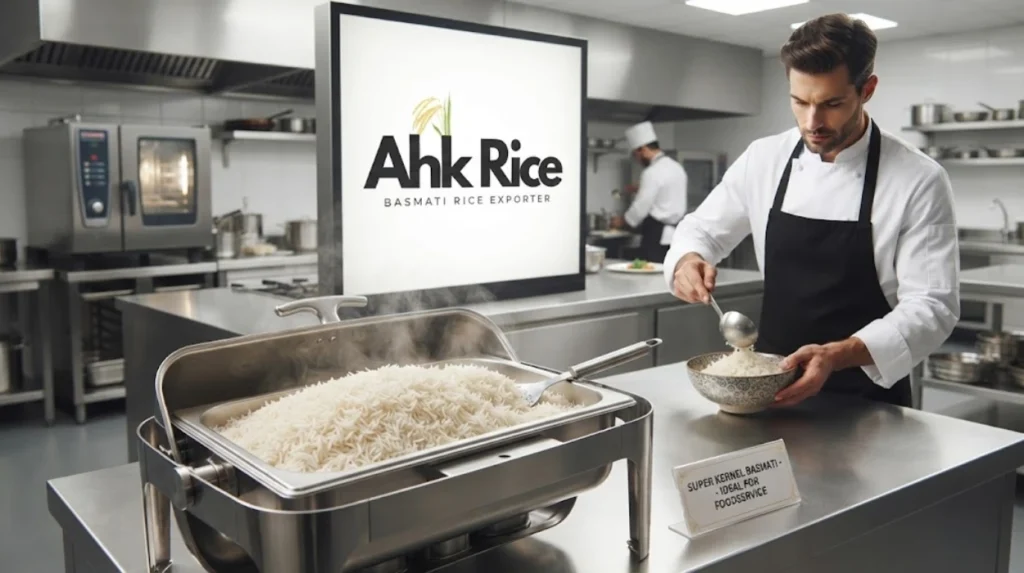
Biryani uses Super Kernel for its fragrance, grain separation, and traditional Basmati character. Pulao also benefits from its elongated appearance and aromatic profile.
Restaurants often evaluate cooked grain length, aroma, softness, separation, and consistency together. A rice that performs consistently across repeated cooking batches supports standardized food preparation.
Which Retail Applications Use Super Kernel?
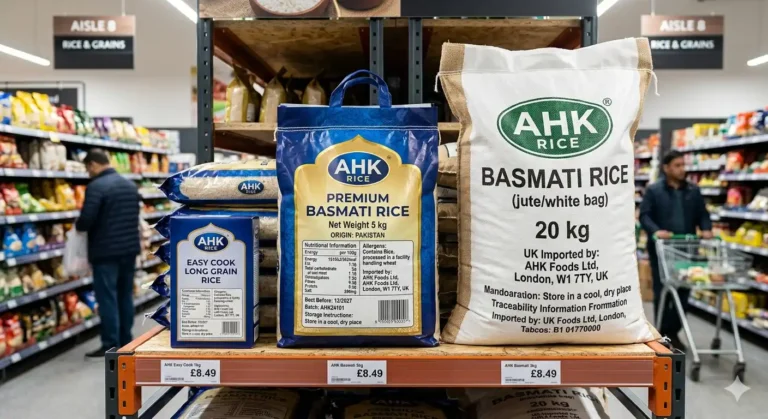
Retailers use Super Kernel in consumer packs where traditional Pakistani Basmati identity matters. Common packaging formats include 5 kg, 10 kg, 25 kg, and 50 kg commercial sizes, depending on market requirements.
Private-label packaging also uses Super Kernel for ethnic grocery, South Asian, Middle Eastern, and international retail channels.
For importers comparing Super Kernel with 1121, [understanding how Super Kernel compares with 1121 Basmati](Insert Link to MOFU Article) provides the next level of specification detail.
With the main applications established, the next issue is the processing forms and grades available in commercial trade.
What Grades and Processing Forms Does Super Kernel Basmati Rice Have?
Super Kernel is commercially supplied through different processing forms and quality specifications, including white rice and, from some suppliers, steam and parboiled forms. The exact specification depends on the mill, crop, destination market, and purchase contract.
What Is Super Kernel White Rice?
Super Kernel White Rice is cleaned, dehusked, polished, sorted, and graded without parboiling. It retains the natural white appearance associated with milled Basmati.
White Super Kernel suits household cooking, restaurants, wholesale distribution, and retail channels that require traditional aromatic Basmati.
What Is Super Kernel Steam Rice?
Super Kernel Steam Rice receives controlled steaming before drying and milling. This process changes the grain structure and produces a firmer cooking profile.
Steam processing supports buyers who require stronger cooked grains and specific foodservice performance. Availability depends on the supplier’s processing line.
What Is Super Kernel Sella Rice?
Super Kernel Sella is a parboiled form. Parboiling involves soaking, heating, steaming, and drying the paddy before final milling.
Golden Sella refers to the characteristic golden appearance created during parboiling and drying. This form is widely associated with catering and markets where firm, separate cooked grains are preferred.
Not every exporter offers every processing form under the Super Kernel name. Importers should therefore specify the processing type, grain length, broken percentage, moisture, packaging, and inspection requirements in the purchase contract.
With processing forms clarified, certification and quality verification complete the export specification.
What Certifications Apply to Super Kernel Basmati Rice Exports?
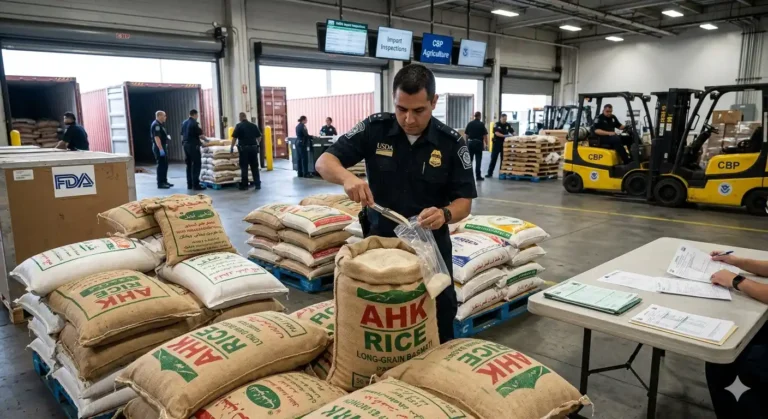
Super Kernel export shipments require documented food-safety, quality, origin, and destination-market compliance based on the importing country’s regulations. Common documentation includes certificates of analysis, phytosanitary certificates, certificates of origin, and inspection records.
Which Quality Documents Matter?
A Certificate of Analysis records tested parameters such as moisture, broken grains, foreign matter, and other agreed specifications.
A Phytosanitary Certificate verifies plant-health requirements for shipments where the destination authority requires it.
A Certificate of Origin identifies the country of origin and supports customs procedures and preferential trade documentation where applicable.
A Pre-shipment Inspection Report records inspection findings before loading. Third-party laboratories and inspection companies can also test agreed parameters.
Which Food-Safety Standards Apply?
Food-safety requirements depend on the destination market. Importers should verify pesticide residue limits, microbiological requirements, contaminants, labelling rules, packaging requirements, and traceability obligations before shipment.
International buyers also use systems such as HACCP, ISO 22000, BRCGS, and other recognized food-safety frameworks as part of supplier qualification. The exact certification requirement belongs in the buyer’s technical specification and destination compliance checklist.
With certification and testing defined, the final step is understanding common misconceptions about Super Kernel.
What Are Common Misconceptions About Super Kernel Basmati Rice?
Super Kernel is not identical to 1121 Basmati, and grain length alone does not determine rice quality. Aroma, purity, broken percentage, moisture, cooking behaviour, processing type, and consistency also define the commercial specification.
Is Super Kernel the Same as 1121?
No. Super Kernel and 1121 are distinct commercial Basmati categories. 1121 generally has a longer raw grain, while Super Kernel is recognized for its traditional aroma and balanced grain profile.
Does Longer Grain Always Mean Better Rice?
No. Grain length measures one quality attribute. Aroma, cooking performance, purity, broken percentage, moisture, and consistency also influence product value.
Does Every Super Kernel Shipment Have the Same Grain Length?
No. Published specifications demonstrate different commercial ranges. Buyers should therefore define the required average grain length and tolerance in the purchase specification rather than relying only on the product name.
Is Aroma the Only Important Characteristic?
No. Aroma works alongside grain appearance, cooking texture, elongation, purity, moisture, and broken percentage. A complete specification evaluates these attributes together.
Super Kernel therefore represents a distinct Pakistani Basmati profile built around aromatic character, slender grains, and versatile cooking performance.