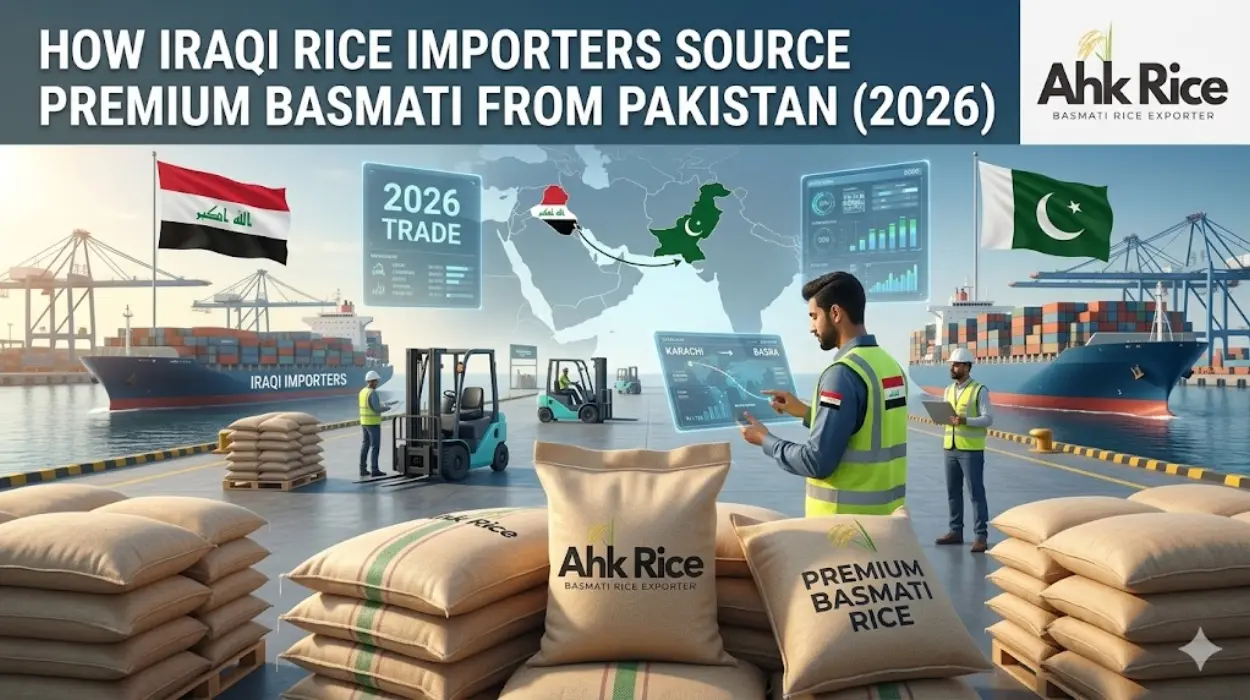
How Iraqi Rice Importers Source Premium Basmati from Pakistan in 2026
Pakistan remains the most practical sourcing destination for Iraqi buyers seeking premium Basmati rice in 2026. The combination of consistent grain quality, multiple processing grades, competitive export pricing, and established shipping routes gives Pakistani suppliers a measurable advantage. Here is why: Pakistan cultivates globally recognized Basmati varieties, maintains mature milling infrastructure, and exports rice through established trade channels connecting Punjab to Iraqi wholesale markets.
Iraqi rice importers increasingly evaluate suppliers based on grain specifications, processing consistency, shelf life, logistics performance, and documentation compliance. Buyers sourcing for retail chains, food distributors, wholesalers, and catering companies require a structured procurement process rather than simple price comparisons. Understanding how sourcing works helps buyers reduce quality disputes and improve profitability.
Importers researching regional rice supply trends often begin by understanding broader trade patterns between both countries. A detailed overview of Pakistan-Iraq agricultural trade can be explored through our guide on Pakistan’s growing rice trade relationship with Iraq and emerging market opportunities.
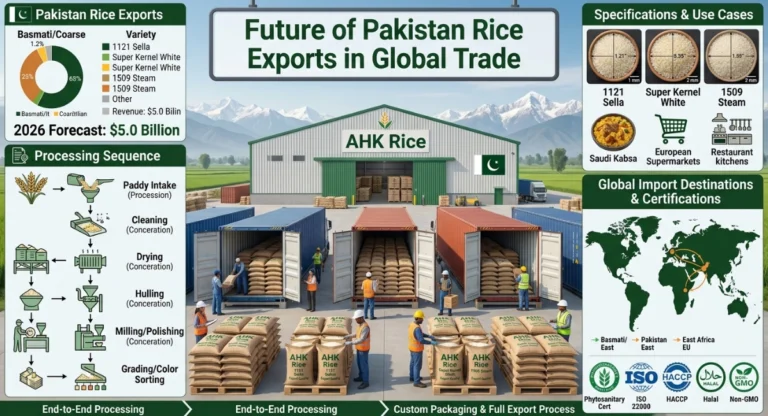
AHK Rice is a trusted Pakistani Basmati rice exporter based in Punjab, supplying 1121, Super Kernel, and 1509 varieties to more than 15 countries. AHK Rice manages cultivation partnerships, processing, grading, packaging, inspection, export documentation, and international shipment coordination.
What solutions are available for Iraqi rice importers sourcing Basmati from Pakistan?
Direct manufacturer sourcing, export trading companies, procurement agents, private-label suppliers, and long-term contract partnerships represent the five primary sourcing solutions used by Iraqi importers in 2026. Each model differs in pricing, quality control, shipment flexibility, and supply chain visibility.
Rice sourcing refers to the process of identifying, evaluating, procuring, and importing rice from qualified suppliers. Iraqi buyers typically choose between direct procurement from exporters, intermediary trading companies, sourcing agents, private-label suppliers, or annual supply agreements.
Direct Manufacturer Sourcing
Direct sourcing connects Iraqi importers with exporters that mill, grade, package, inspect, and ship rice. This approach provides maximum specification transparency and lower procurement costs.
Benefits include:
- Lower procurement costs
- Direct quality verification
- Faster technical communication
- Better customization options
Challenges include:
- Supplier qualification responsibility
- Documentation verification requirements
- Larger minimum order quantities
Export Trading Companies
Trading companies consolidate rice from multiple mills and suppliers. Buyers gain access to broader inventory but sacrifice some traceability.
Benefits include:
- Multiple product options
- Lower supplier management workload
- Flexible sourcing volume
Challenges include:
- Less production visibility
- Variable quality consistency
- Additional trading margins
Procurement Agents
Procurement agents operate as local representatives for foreign buyers. They inspect suppliers and coordinate sourcing activities.
Benefits include:
- Local market expertise
- Independent inspections
- Reduced travel requirements
Challenges include:
- Agent commission costs
- Dependence on agent competence
Private Label Suppliers
Private-label exporters package rice under the buyer’s brand.
Benefits include:
- Brand ownership
- Retail market differentiation
- Packaging customization
Challenges include:
- Packaging design costs
- Regulatory label compliance
Long-Term Supply Contracts
Annual contracts lock pricing frameworks and supply commitments.
Benefits include:
- Supply stability
- Forecast accuracy
- Improved inventory planning
Challenges include:
- Volume commitments
- Reduced purchasing flexibility
These sourcing models create different outcomes, making direct comparison essential before selecting a procurement strategy.
How do different Pakistani Basmati sourcing approaches compare?
Direct exporter relationships provide the strongest quality control and cost efficiency, while trading companies offer flexibility and procurement agents reduce operational complexity. The best option depends on shipment volume, market position, and inventory planning requirements.
Specification Comparison Table
| Attribute | Direct Exporter | Trading Company | Procurement Agent | Private Label Supplier |
|---|---|---|---|---|
| Pricing Transparency | High | Medium | Medium | High |
| Product Traceability | High | Medium | High | High |
| Quality Control Access | High | Medium | High | High |
| Packaging Customization | High | Medium | Medium | High |
| MOQ Flexibility | Medium | High | Medium | Medium |
| Communication Speed | High | Medium | Medium | High |
| Long-Term Stability | High | Medium | Medium | High |
Major Basmati Varieties Imported into Iraq
Iraqi buyers primarily source 1121 Basmati, Super Kernel Basmati, and 1509 Basmati.
The first major option is <a href=”/basmati-rice-exporter-pakistan/”>premium Pakistani Basmati rice export programs</a>, where buyers can select precise grades, packaging formats, and quality specifications.
1121 Basmati Rice
1121 Basmati is known for extra-long grain length.
Typical specifications include:
| Specification | Value |
|---|---|
| Grain Length | 8.30–8.50 mm |
| Cooking Expansion | Up to 2.5x |
| Moisture | 12–14% |
| Shelf Life | 18–24 months |
Super Kernel Basmati
Super Kernel Basmati remains popular in traditional Iraqi households due to aroma and cooking characteristics.
1509 Basmati
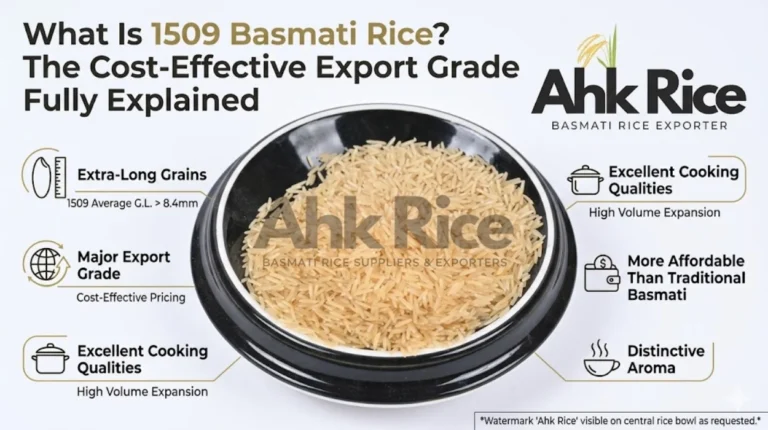
1509 Basmati provides a cost-effective alternative while maintaining long-grain appearance.
With sourcing models compared, the next question concerns regional buying preferences within Iraq.
Which Basmati grades do different Iraqi market regions prefer?
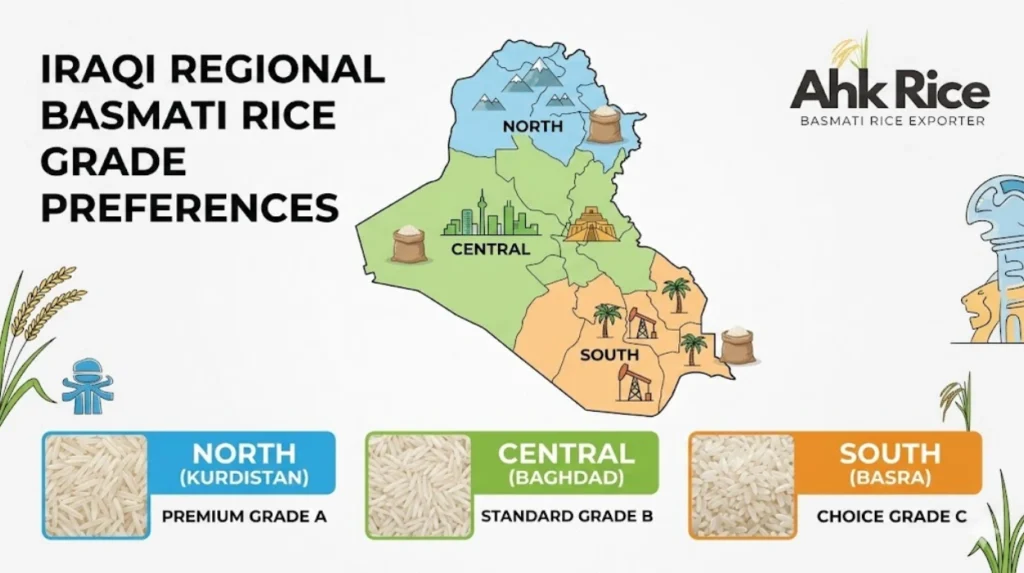
Baghdad wholesalers generally prioritize premium 1121 grades, while southern Iraqi distributors frequently balance price and performance through Super Kernel and 1509 grades. Regional consumption patterns directly influence procurement decisions.
Central Iraq Preference
Baghdad, Karbala, Najaf, and surrounding urban centers prioritize:
- Premium appearance
- Long grain length
- High cooking expansion
- Retail packaging
Preferred grades include:
- 1121 Steam Basmati
- 1121 Sella Basmati
- 1121 Golden Sella Basmati
Southern Iraq Preference
Basra and surrounding commercial regions often prioritize:
- Competitive pricing
- Foodservice suitability
- Bulk packaging
- Inventory efficiency
Preferred grades include:
- Super Kernel Basmati
- 1509 Steam Basmati
- 1509 Sella Basmati
Market preferences affect not only grade selection but also procurement economics, which makes pricing comparison the next logical factor.
How do Basmati grades compare in price and shelf life?
1121 Golden Sella commands the highest market value because it combines long grain appearance, strong durability, and extended storage performance. Steam grades offer premium eating quality, while 1509 varieties provide lower procurement costs.
Price Comparison per Metric Ton
| Grade | Estimated Export Price Range (USD/MT) |
|---|---|
| 1121 Golden Sella | $1,050–1,250 |
| 1121 Steam | $1,000–1,180 |
| Super Kernel Steam | $850–1,050 |
| 1509 Steam | $800–980 |
Prices vary according to crop quality, packaging requirements, shipping terms, and market demand.
Shelf Life Comparison
| Grade | Shelf Life |
|---|---|
| 1121 Golden Sella | 18–24 Months |
| 1121 Steam | 12–18 Months |
| Super Kernel Steam | 12–18 Months |
| 1509 Steam | 12–18 Months |
Golden Sella lasts longer than Steam. In non-climate-controlled Iraqi warehouses, Golden Sella maintains grain stability for extended periods. Steam rice performs best under faster inventory turnover.
Understanding pricing and storage characteristics helps buyers evaluate operational risks and procurement priorities.
What are the advantages and disadvantages of sourcing premium Basmati from Pakistan?
Pakistani Basmati offers recognized quality, established export infrastructure, and competitive value. The main challenges involve supplier qualification, specification verification, and logistics planning. Effective procurement systems eliminate these risks.
Advantages
- Premium aromatic rice varieties
- Multiple processing grades
- Established export ecosystem
- Competitive international pricing
- Strong private-label capabilities
Disadvantages
- Supplier quality variation
- Seasonal price fluctuations
- Documentation complexity
- Shipment scheduling requirements
Example
A Baghdad supermarket chain importing 1121 Golden Sella gains premium shelf positioning through longer grains and attractive appearance.
A Basra foodservice distributor may achieve stronger margins through Super Kernel or 1509 grades because procurement costs remain lower.
Pros and cons reveal operational realities, but procurement decisions require a structured evaluation framework.
Which sourcing method works best for different importer profiles?
Large wholesalers benefit from direct exporter partnerships, retail brands often select private-label programs, and first-time importers frequently use procurement support models. Matching sourcing strategy to business objectives produces the best commercial outcome.
Decision Framework Table
| Buyer Type | Priority | Recommended Method |
|---|---|---|
| Large Importer | Cost Efficiency | Direct Exporter |
| Retail Brand | Brand Control | Private Label Supplier |
| First-Time Importer | Risk Reduction | Procurement Agent |
| Foodservice Distributor | Inventory Flexibility | Trading Company |
| Government Tender Supplier | Supply Stability | Long-Term Contract |
Key Decision Factors
Evaluate suppliers using the following criteria:
- Quality certifications
- Grain specifications
- Packaging capability
- Export documentation process
- Shipment performance
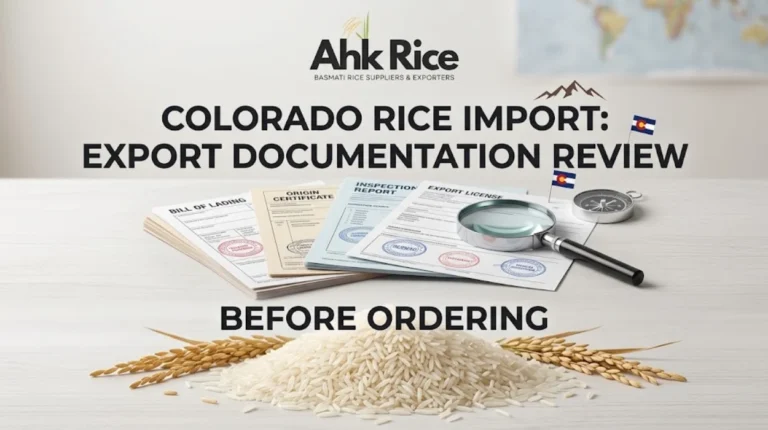
Required export documents generally include:
- Commercial Invoice
- Packing List
- Certificate of Origin
- Phytosanitary Certificate
- Bill of Lading
- Quality Inspection Certificate
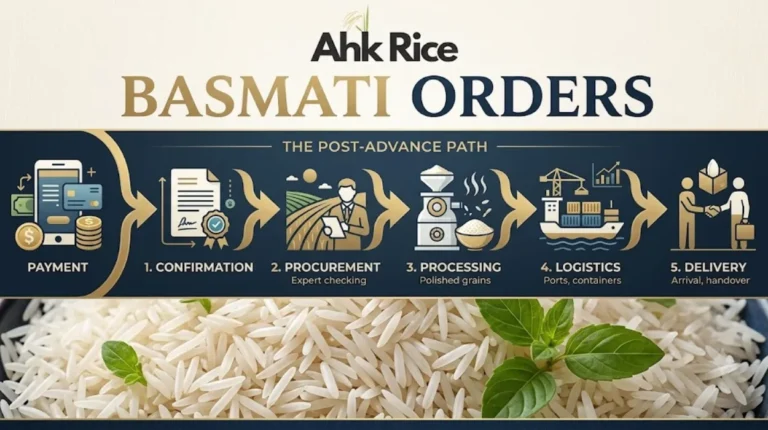
Typical Export Process
- Define product specifications.
- Request representative samples.
- Verify laboratory reports.
- Confirm packaging requirements.
- Approve commercial contract.
- Load export containers.
- Clear customs documentation.
- Ship cargo to Iraq.
- Deliver cargo to consignee.
These decision criteria complete the evaluation framework and naturally lead buyers toward supplier selection and final procurement decisions.
Pakistani Basmati rice remains the preferred sourcing option for many Iraqi importers because it combines recognized grain quality, multiple grade options, efficient export infrastructure, and competitive pricing. Direct exporter partnerships deliver the strongest balance of traceability, customization, and procurement efficiency. Regional demand patterns, grade specifications, shelf-life requirements, and business objectives ultimately determine the optimal sourcing model.
Buyers comparing supplier performance, trade volumes, and commercial opportunities between both countries can review our detailed analysis of Pakistan-Iraq rice export growth and sourcing economics in 2026.
Frequently Asked Questions
How long does rice shipping from Pakistan to Iraq take?
Container shipments generally require 10–20 days, depending on destination port, customs clearance, and shipping schedules.
Which Basmati grade is most popular in Iraq?
1121 Golden Sella Basmati remains one of the most imported premium grades because of grain length, cooking performance, and storage durability.
What packaging sizes do Iraqi importers commonly purchase?
Most buyers procure 5 kg, 10 kg, 25 kg, and 50 kg packaging formats depending on retail or wholesale distribution requirements.
What certifications should Pakistani rice exporters provide?
Importers should verify ISO certification, phytosanitary certification, quality inspection reports, and export compliance documents before shipment.
Is direct sourcing better than using trading companies?
Direct sourcing generally provides better pricing transparency and stronger quality control, while trading companies offer broader inventory flexibility.