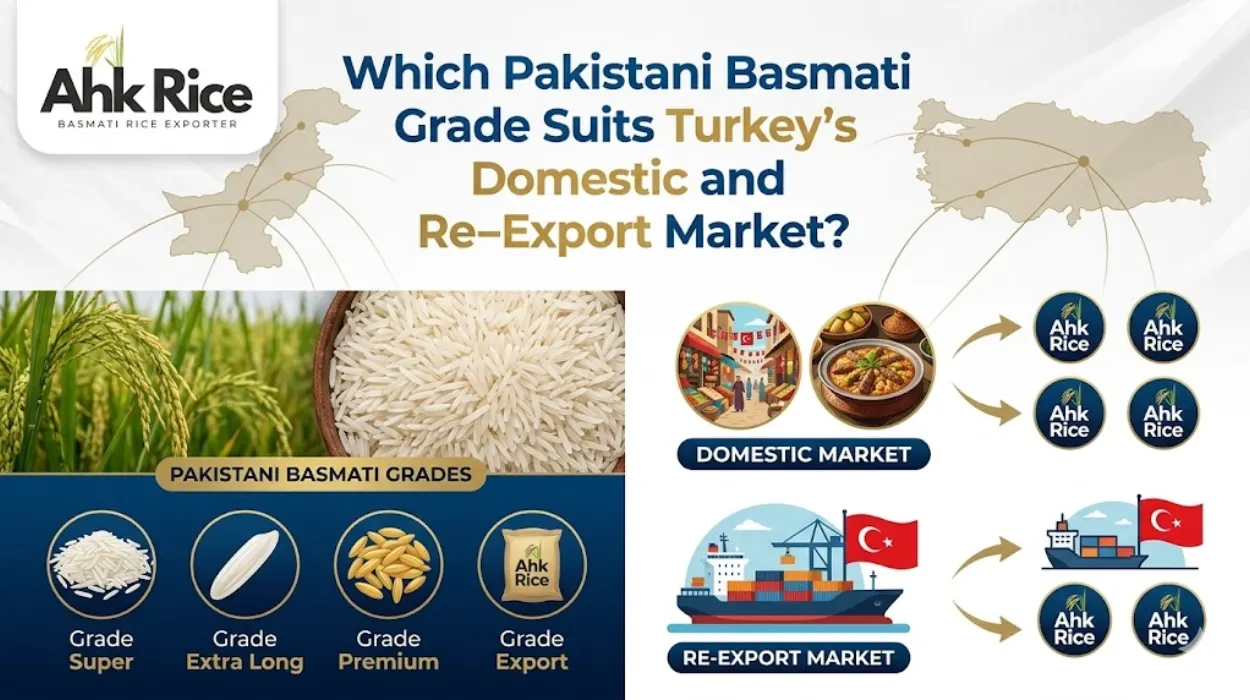
Which Pakistani Basmati Grade Suits Turkey’s Domestic and Re-Export Market?
Turkey’s domestic market performs best with 1121 Steam and premium White Basmati grades, while Turkey’s re-export trade achieves stronger margins with 1121 Golden Sella Basmati. Here is why: domestic consumers prioritize aroma, appearance, and quick cooking, while re-export buyers serving Iraq, Gulf countries, and foodservice channels require longer shelf life, higher durability, and stable grain performance during transportation.
Turkey has become a strategic rice trading hub connecting South Asia, the Middle East, and Europe. Turkish importers source Pakistani Basmati rice for local retail distribution and for onward shipment to neighboring markets. Buyers selecting the wrong grade often face storage losses, quality complaints, or reduced competitiveness.
Understanding the differences between Pakistani Basmati grades helps importers match specifications with market demand. Buyers seeking a broader understanding of Pakistani rice varieties can first explore a detailed guide to Pakistani Basmati cultivation, processing, and export standards before comparing commercial grades.
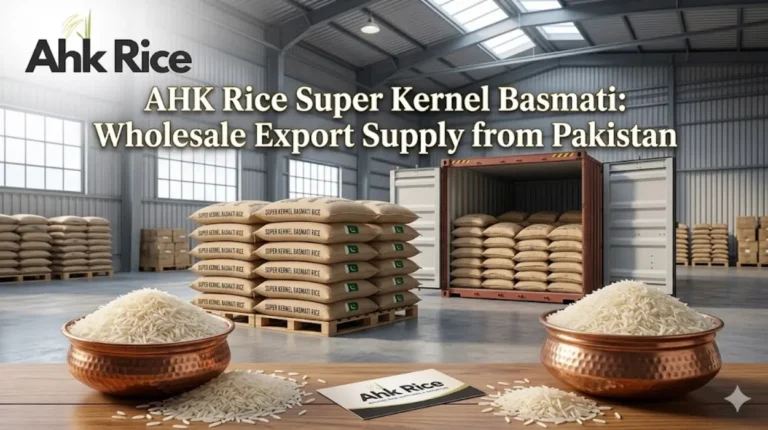
AHK Rice supplies Pakistani Basmati varieties through complete export management, processing control, and custom packaging solutions. The selection of the correct grade remains the most important commercial decision because grade specifications directly influence consumer acceptance, warehouse performance, and resale opportunities.
What are the available Pakistani Basmati grade solutions for Turkey?
1121 Golden Sella, 1121 Steam, 1121 White, Super Kernel White, and Super Kernel Sella represent the primary commercial options for Turkish importers and re-exporters.
Pakistani Basmati rice refers to aromatic long-grain rice cultivated in Punjab, Pakistan. The grain develops its fragrance through regional climate conditions, fertile soils, and traditional cultivation practices.
Turkish buyers generally source rice in three processing categories. Each category serves a different commercial objective.
1121 Golden Sella Basmati
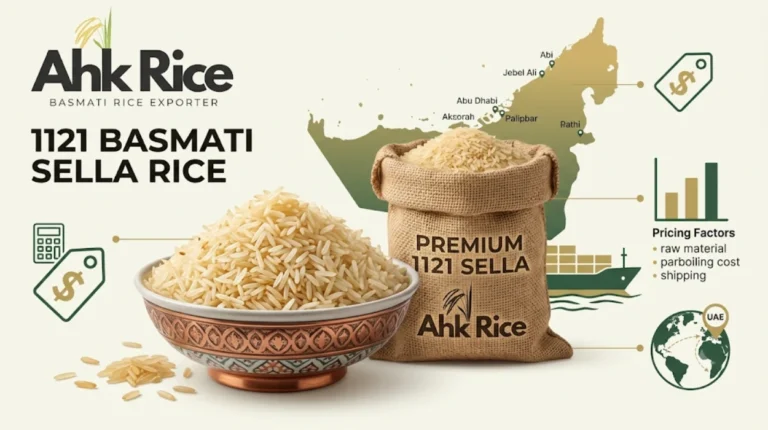
1121 Golden Sella undergoes parboiling before milling. The process strengthens the grain structure and improves storage performance.
Golden Sella performs exceptionally well in wholesale distribution and re-export operations. The grain resists breakage during handling and maintains appearance after long-distance shipping.
1121 Steam Basmati
1121 Steam undergoes a lighter processing method than Golden Sella. Steam treatment preserves the natural appearance while improving cooking consistency.
Steam rice targets supermarkets, retail brands, and consumers seeking premium presentation.
1121 White Basmati
1121 White receives traditional milling without parboiling. The grain retains its natural white appearance and distinctive aroma.
White rice appeals to consumers preferring authentic Basmati fragrance and faster cooking times.
Super Kernel White Basmati
Super Kernel remains one of Pakistan’s traditional premium varieties. The grain length is shorter than 1121 but offers strong aroma characteristics.
Super Kernel remains popular among consumers familiar with classic Basmati profiles.
Super Kernel Sella Basmati
Super Kernel Sella combines traditional aroma with improved storage performance. The grade serves buyers balancing premium positioning with supply chain durability.
The available solutions establish the product landscape. The next question compares these grades across commercial specifications.
How do different Pakistani Basmati grades compare for Turkey’s domestic and re-export markets?
1121 Golden Sella delivers the strongest re-export performance, while 1121 Steam provides the best balance for Turkey’s domestic retail sector.
Specification Comparison Table
| Attribute | 1121 Golden Sella | 1121 Steam | 1121 White | Super Kernel White | Super Kernel Sella |
|---|---|---|---|---|---|
| Grain Length | 8.30–8.50 mm | 8.30–8.50 mm | 8.30–8.50 mm | 7.20–7.60 mm | 7.20–7.60 mm |
| Processing Type | Parboiled | Steam Treated | White Milled | White Milled | Parboiled |
| Shelf Life | 18–24 months | 12–18 months | 12 months | 12 months | 18–24 months |
| Breakage Resistance | Excellent | Very Good | Moderate | Moderate | Very Good |
| Cooking Elongation | 2.0–2.2x | 2.0x | 1.8–2.0x | 1.8x | 1.8x |
| Re-Export Suitability | Excellent | Good | Moderate | Limited | Good |
| Domestic Retail Demand | Moderate | Excellent | Excellent | Good | Moderate |
Turkish domestic buyers evaluate appearance, aroma, and cooking experience. Turkish supermarkets often prefer Steam and White grades because consumers associate bright appearance with premium quality.
Re-export operators prioritize logistics efficiency. Iraq, Gulf countries, and institutional buyers frequently select Golden Sella because the grain tolerates extended storage and transportation cycles.
Golden Sella lasts longer than Steam. In a warehouse environment reaching 40°C, Golden Sella maintains commercial quality for up to 24 months. Steam rice performs best within 18 months. Iraqi foodservice distributors storing inventory for seasonal demand cycles benefit from Golden Sella specifications.
Steam rice delivers stronger shelf appeal than Golden Sella. Turkish retailers selling premium branded rice achieve better shelf presentation with Steam grades. Premium supermarkets targeting urban consumers frequently select Steam packaging for this reason.
The comparison clarifies performance differences. The next step examines regional demand patterns influencing grade selection.
Which Pakistani Basmati grade works best in Turkey’s domestic market?
1121 Steam and 1121 White dominate premium retail demand because consumers prioritize aroma, appearance, and cooking quality.
Turkey’s domestic rice market emphasizes visual quality. Consumers inspect grain color and uniformity before purchasing.
1121 Steam performs exceptionally well because the grain maintains a bright appearance while preserving elongation characteristics. Retail brands targeting premium consumers frequently choose Steam grades.
1121 White serves buyers focused on authentic Basmati aroma. Restaurants and specialty retailers often select White rice because fragrance remains a key purchasing factor.
Super Kernel White occupies a niche segment. Traditional Basmati consumers recognize the variety’s heritage and distinctive aroma profile.
Domestic market buyers generally require:
- Consistent grain appearance
- Strong aroma retention
- Fast cooking performance
- Premium retail presentation
- Consumer brand acceptance
Turkey’s domestic sector rewards visual appeal and fragrance. Re-export channels prioritize different performance characteristics.
Which Pakistani Basmati grade works best for Turkey’s re-export market?
1121 Golden Sella remains the strongest choice for Iraq, Gulf countries, and institutional foodservice channels due to storage stability and transportation durability.
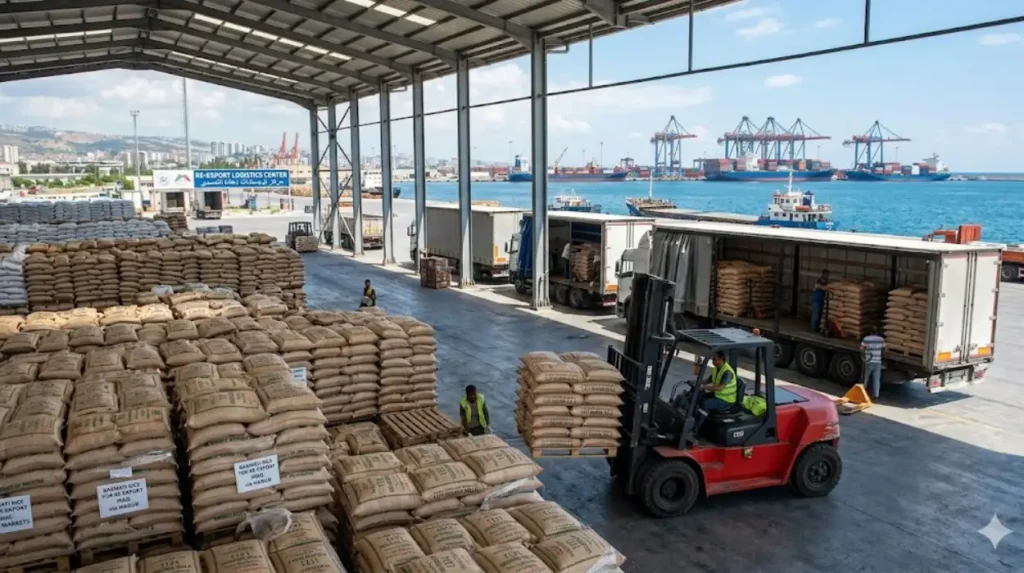
Turkey serves as a redistribution center connecting Pakistan with neighboring markets. Many importers purchase rice specifically for onward shipment.
Iraq represents one of the most important destinations for re-exported Pakistani rice. Buyers serving wholesalers and foodservice operators prioritize grain strength and shelf stability.
Golden Sella satisfies these requirements because parboiling strengthens the grain structure. The rice experiences lower breakage during loading, unloading, and transport.
Gulf markets also favor Golden Sella. High-temperature storage conditions increase the importance of shelf life and grain durability.
Steam rice also participates in re-export trade. Premium retailers in Gulf countries frequently import Steam grades targeting higher-income consumers.
Regional Preference Comparison
| Region | Preferred Grade | Primary Reason |
| Turkey Domestic Retail | 1121 Steam | Premium appearance |
| Turkey Premium Stores | 1121 White | Aroma profile |
| Iraq Wholesale | 1121 Golden Sella | Durability |
| Gulf Catering | 1121 Golden Sella | Shelf life |
| Gulf Retail Premium | 1121 Steam | Consumer presentation |
The regional demand picture highlights how market objectives determine grade selection. Cost and profitability provide another important decision factor.
How do Pakistani Basmati grades compare on price per metric ton?
1121 White commands the highest premium, while Golden Sella offers the strongest value-to-performance ratio for commercial traders.
Rice pricing depends on crop quality, freight costs, packaging specifications, and harvest conditions.
Typical Price Comparison
| Grade | Relative Price Position |
| 1121 White | Highest |
| 1121 Steam | High |
| 1121 Golden Sella | Medium-High |
| Super Kernel White | Medium |
| Super Kernel Sella | Medium |
Golden Sella often produces stronger commercial margins despite a lower premium positioning. The grade experiences lower handling losses and fewer quality complaints.
Steam grades justify higher pricing through appearance and retail appeal. Premium supermarkets frequently accept the price difference because presentation influences consumer purchasing behavior.
White grades attract buyers targeting fragrance-sensitive consumers. Specialty retailers often use White rice as a flagship premium offering.
Price alone does not determine profitability. The correct grade aligns with market requirements and operational conditions.
The pricing comparison leads naturally into advantages and disadvantages.
What are the pros and cons of each Pakistani Basmati grade?
Golden Sella excels in logistics performance, while Steam and White grades excel in consumer presentation and aroma retention.
1121 Golden Sella
Pros
- Longer shelf life
- Higher breakage resistance
- Strong re-export suitability
- Better warehouse performance
Cons
- Less natural appearance
- Lower retail shelf appeal
1121 Steam
Pros
- Premium appearance
- Strong elongation
- High domestic acceptance
- Excellent cooking consistency
Cons
- Shorter shelf life than Golden Sella
- Higher sensitivity during transport
1121 White
Pros
- Strong aroma profile
- Natural grain appearance
- Premium positioning
Cons
- Lower storage stability
- Greater breakage risk
Super Kernel Grades
Pros
- Traditional Basmati identity
- Recognized consumer acceptance
- Competitive pricing
Cons
- Shorter grain length
- Reduced premium positioning compared with 1121
Understanding strengths and weaknesses simplifies the final selection process.
What decision factors should Turkish importers use when selecting a Pakistani Basmati grade?
Market destination, storage duration, customer segment, logistics conditions, and pricing strategy determine the correct grade selection.
Decision Framework
| Decision Factor | Recommended Grade |
| Premium Turkish Retail | 1121 Steam |
| Traditional Aroma Segment | 1121 White |
| Iraq Re-Export | 1121 Golden Sella |
| Gulf Catering Distribution | 1121 Golden Sella |
| Mixed Retail and Wholesale | 1121 Steam |
Importers serving supermarkets should prioritize appearance and consumer preference. Steam rice satisfies these objectives.
Importers supplying wholesale networks should prioritize durability and storage performance. Golden Sella delivers superior operational efficiency.
Importers targeting fragrance-sensitive consumers should select White grades. Aroma remains the primary purchasing driver in this segment.
Importers managing diverse customer groups frequently balance inventory using both Steam and Golden Sella grades.
Conclusion
1121 Steam serves Turkey’s domestic retail market best, while 1121 Golden Sella remains the strongest option for re-export operations targeting Iraq and Gulf countries.
AHK Rice supplies Pakistani Basmati varieties through complete export management, processing control, and custom packaging solutions for Turkish importers and regional distributors.
The re-export market rewards shelf life, durability, and logistics efficiency. Golden Sella consistently delivers superior performance across these criteria.
Successful Turkish importers match grade specifications with final market requirements rather than selecting products solely on price. That approach reduces quality risks, improves customer satisfaction, and strengthens long-term profitability.
Frequently Asked Questions
Which Pakistani Basmati grade is best for Turkey’s domestic market?
1121 Steam Basmati is the preferred grade for Turkey’s domestic retail market. Turkish consumers value bright grain appearance, long cooked grain length, and consistent cooking performance. Premium supermarkets and retail brands often select 1121 Steam because it combines visual appeal with authentic Basmati characteristics.
Which Pakistani Basmati grade is most suitable for Turkey’s re-export business?
1121 Golden Sella Basmati is the best option for Turkey’s re-export market. The parboiling process strengthens the grain, improves shelf life, and reduces breakage during transportation. Importers supplying Iraq and Gulf countries frequently choose Golden Sella for its storage stability and logistics performance.
What is the difference between 1121 Steam and 1121 Golden Sella Basmati?
1121 Steam Basmati has a lighter processing method and a brighter appearance. 1121 Golden Sella undergoes parboiling, which creates a golden color and stronger grain structure. Steam is preferred for domestic retail shelves, while Golden Sella is preferred for wholesale distribution and re-export operations.
How long can Pakistani Basmati rice be stored?
Storage life depends on the processing grade. 1121 Golden Sella can maintain quality for 18–24 months under proper warehouse conditions. 1121 Steam and 1121 White Basmati typically perform best within 12–18 months. Proper moisture control and sealed packaging help preserve quality during storage.
Why do Turkish importers source Pakistani Basmati rice?
Turkish importers source Pakistani Basmati because of its extra-long grain length, distinctive aroma, and strong market demand. Pakistan supplies multiple grades suitable for both domestic consumption and re-export channels. The availability of customized packaging and export specifications also supports Turkish trading operations.