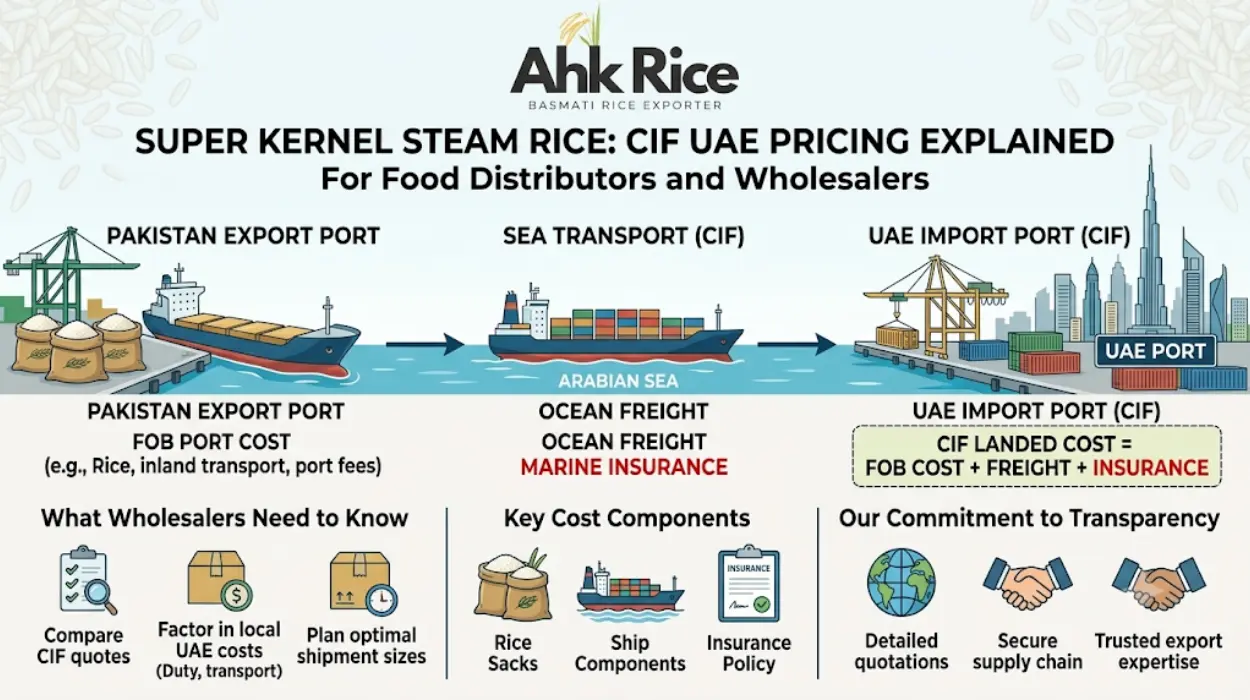
Super Kernel Steam Rice CIF UAE Pricing Explained for Food Distributors and Wholesalers
Super Kernel Steam Rice CIF UAE pricing offers a balanced combination of premium Basmati quality, controlled logistics costs, and strong retail demand. Here is why: Super Kernel Steam Rice delivers long-grain appearance, reliable cooking performance, and competitive landed costs compared to premium 1121 grades while maintaining strong acceptance across UAE wholesale and foodservice channels.
Food distributors evaluating Pakistani Basmati rice often compare quality, freight costs, shelf life, and market demand before placing contracts. Buyers researching export specifications can first review our guide on Pakistani Basmati rice grades and export standards through the article: understanding Basmati rice grades, processing methods, and export specifications. This educational resource provides background before evaluating CIF UAE pricing structures.
AHK Rice supplies premium Super Kernel Steam Rice through its rice export services for international buyers. AHK Rice processes, grades, inspects, loads, and exports Basmati rice from Punjab to distributors across the Gulf region, Africa, Europe, and North America.
What factors determine Super Kernel Steam Rice CIF UAE pricing?
CIF UAE prices depend on grain quality, processing grade, freight costs, packaging type, order volume, and destination port. Premium export grades typically achieve higher market value because distributors receive better appearance, stronger cooking performance, and lower breakage percentages.
Super Kernel Steam Rice is a steam-treated Basmati variety cultivated in Punjab, Pakistan. Steam processing improves grain strength without changing the natural white color. The rice retains traditional Basmati aroma while increasing resistance to breakage during transportation.
CIF means Cost, Insurance, and Freight. The exporter covers shipping and marine insurance until the cargo reaches the UAE port. Buyers can compare suppliers more accurately because freight and insurance costs remain included in the quoted figure.
Freight rates significantly influence CIF calculations. A change in container shipping costs directly affects final landed pricing. UAE importers often compare multiple shipment schedules before confirming contracts.
Packaging also changes CIF values. Retail-ready packaging requires additional materials, labeling, and handling. Bulk packaging reduces packaging expenses and improves container efficiency.
The pricing components explained above create the foundation for comparing available sourcing solutions.
What are the available solutions for sourcing Super Kernel Steam Rice?
Three primary sourcing options exist: Super Kernel Steam Rice, Super Kernel Sella Rice, and 1121 Steam Rice. Each option serves different margin targets, customer preferences, and distribution channels across international markets.
Super Kernel Steam Rice
Super Kernel Steam Rice maintains natural grain color and traditional Basmati characteristics. UAE supermarkets frequently stock this grade because consumers prefer its appearance and aroma.
Super Kernel Sella Rice
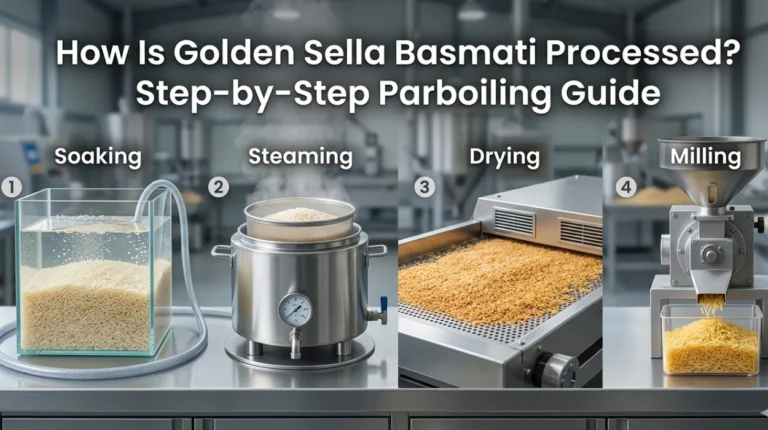
Super Kernel Sella Rice undergoes parboiling before milling. The process increases grain hardness and extends storage stability. Foodservice operators often select Sella grades for large-scale cooking.
1121 Steam Rice
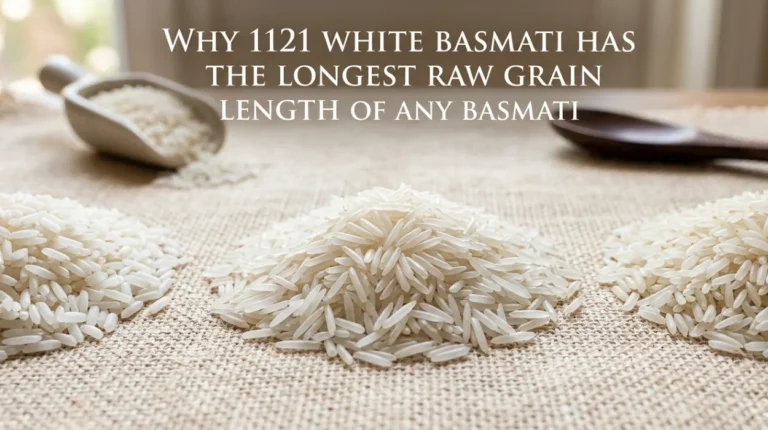
1121 Steam Rice offers extra-long grain length. Premium retailers and hospitality buyers prefer this grade because of its visual presentation after cooking.
Specification Comparison Table
| Attribute | Super Kernel Steam | Super Kernel Sella | 1121 Steam |
|---|---|---|---|
| Grain Length | 7.2–7.6 mm | 7.2–7.6 mm | 8.2–8.4 mm |
| Processing Method | Steam | Parboiled | Steam |
| Color | Natural White | Creamy Golden | Bright White |
| Cooking Expansion | Moderate | High | Very High |
| Breakage Resistance | Good | Excellent | Good |
| Shelf Life | 12–18 Months | 18–24 Months | 12–18 Months |
| Typical CIF UAE Price Position | Mid-Range | Higher | Premium |
Super Kernel Steam Rice occupies the middle ground between premium appearance and competitive procurement costs. The next question is how regional buyers evaluate these grades.
How do UAE and African markets compare in grade preferences?
UAE buyers prefer premium white steam grades, while African importers often prioritize durable Sella grades. Purchasing decisions depend on retail demand, storage conditions, and foodservice requirements within each destination market.
UAE Market Preferences
UAE distributors focus heavily on appearance, aroma, and brand presentation. Super Kernel Steam Rice performs well because consumers associate white Basmati rice with premium household consumption.
Dubai, Sharjah, and Abu Dhabi wholesalers frequently distribute steam grades to supermarkets, grocery chains, and independent retailers. Premium packaging also influences buying decisions.
East and West African Market Preferences
African importers often prioritize durability and storage stability. Sella grades remain popular because they tolerate long storage periods and variable warehouse conditions.
Foodservice operators value grain strength during bulk cooking. Parboiled rice maintains structure after extended holding periods.
Regional Preference Comparison
| Market Region | Preferred Grade | Main Reason |
|---|---|---|
| UAE | Super Kernel Steam | Retail appearance |
| Oman | Super Kernel Steam | Household demand |
| Qatar | Super Kernel Steam | Premium positioning |
| Kenya | Super Kernel Sella | Storage durability |
| Ghana | Super Kernel Sella | Catering demand |
Regional demand directly affects pricing expectations. Understanding those differences helps buyers evaluate actual value instead of focusing only on cost.
How does Super Kernel Steam Rice compare on price per metric ton?
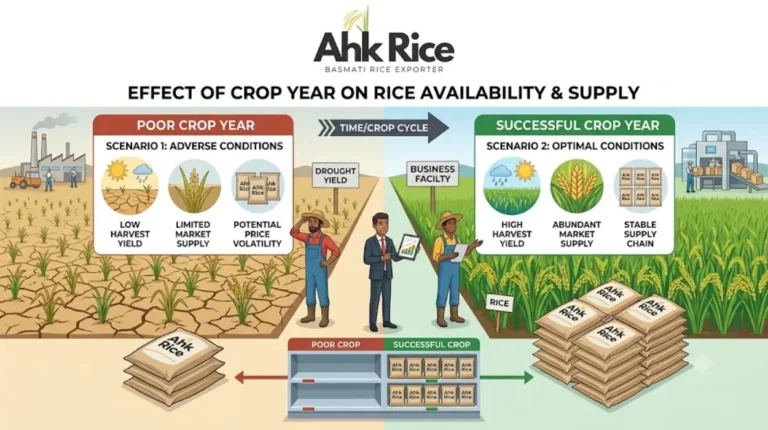
Super Kernel Steam Rice usually costs less than premium 1121 Steam Rice while remaining more expensive than lower-grade non-Basmati alternatives. The balance between quality and cost makes it attractive for distributors targeting premium consumers.
The exact CIF UAE figure changes according to harvest conditions, freight rates, exchange rates, and packaging requirements.
Typical Relative Price Position
| Grade | Price Position |
|---|---|
| Non-Basmati White Rice | Lowest |
| Super Kernel Steam Rice | Medium |
| Super Kernel Sella Rice | Medium-High |
| 1121 Steam Rice | Highest |
Example procurement scenarios illustrate the difference.
A distributor targeting supermarket shelves often chooses Super Kernel Steam Rice because it balances premium quality and controlled inventory costs.
A luxury retail importer frequently selects 1121 Steam Rice because customers pay extra for longer grains.
A catering supplier often chooses Sella grades because cooking stability outweighs appearance advantages.
Price alone never determines profitability. Shelf life and inventory turnover also affect total distribution costs.
How does shelf life affect purchasing decisions?
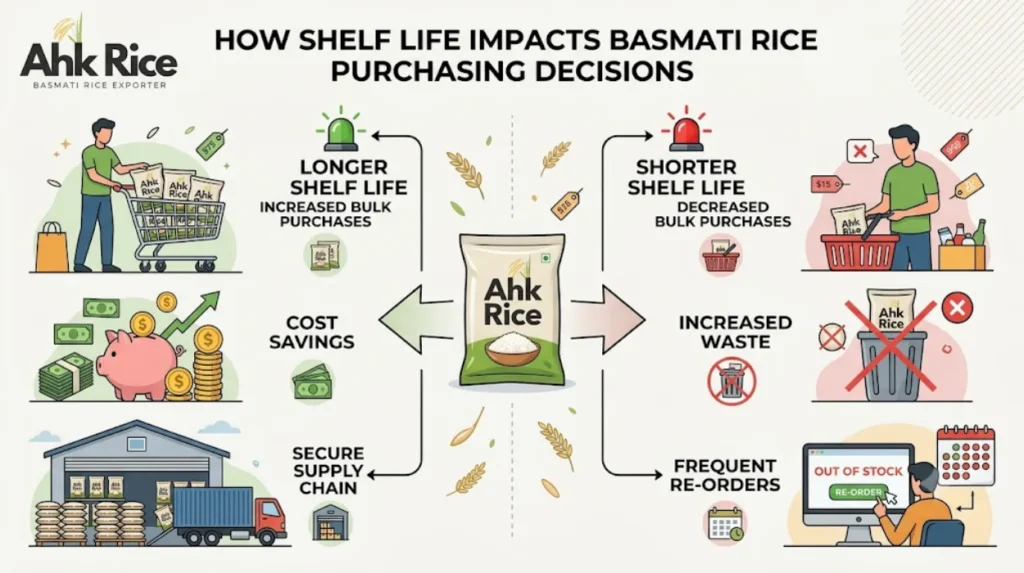
Super Kernel Steam Rice offers approximately 12–18 months of shelf life, while Sella grades can remain stable for 18–24 months under proper storage conditions. Longer shelf life reduces inventory risk for slow-moving distribution networks.
Shelf life affects warehouse planning. Distributors managing large inventories often evaluate storage duration before selecting grades.
Steam rice retains freshness effectively in climate-controlled facilities. UAE warehouses commonly maintain conditions suitable for premium Basmati storage.
Sella rice performs better during long-term storage. The parboiling process strengthens grain structure and reduces quality degradation risks.
Shelf Life Comparison
| Rice Grade | Shelf Life |
|---|---|
| Super Kernel Steam | 12–18 Months |
| Super Kernel Sella | 18–24 Months |
| 1121 Steam | 12–18 Months |
| 1121 Golden Sella | 18–24 Months |
Inventory management connects directly to profitability. The next step is evaluating practical advantages and disadvantages.
What are the pros and cons of Super Kernel Steam Rice?
Super Kernel Steam Rice delivers strong market acceptance, premium appearance, and competitive procurement costs. However, it offers shorter storage duration than Sella grades and lower grain length than premium 1121 varieties.
Advantages
| Benefit | Business Impact |
|---|---|
| Premium white appearance | Strong retail demand |
| Natural Basmati aroma | Higher consumer acceptance |
| Competitive CIF pricing | Better distributor margins |
| Good cooking performance | Reduced customer complaints |
| Wide market acceptance | Easier inventory movement |
Limitations
| Limitation | Business Impact |
|---|---|
| Shorter shelf life than Sella | Faster inventory turnover required |
| Lower grain length than 1121 | Less premium positioning |
| Freight-sensitive pricing | Landed cost fluctuations |
| Higher price than non-Basmati | Premium market focus |
| Climate-sensitive storage | Warehouse management required |
The advantages and limitations become clearer when viewed through a structured buying framework.
Which method works best for different distributor requirements?
The best choice depends on customer segment, inventory strategy, storage duration, and margin objectives. Retail-focused distributors often prefer Super Kernel Steam Rice, while catering-focused buyers frequently select Sella grades.
Distributor Decision Framework
| Business Scenario | Recommended Grade | Reason |
|---|---|---|
| Premium UAE Retail | Super Kernel Steam | Appearance and aroma |
| Luxury Hospitality | 1121 Steam | Long grain presentation |
| Long-Term Storage | Super Kernel Sella | Extended shelf life |
| Catering Operations | Super Kernel Sella | Cooking stability |
| Balanced Margin Strategy | Super Kernel Steam | Cost-quality balance |
Retail distributors benefit from visual appeal. Super Kernel Steam Rice meets that requirement effectively.
Hospitality buyers benefit from longer cooked grain length. Premium 1121 grades support that objective.
Bulk foodservice operators benefit from grain durability. Sella grades perform consistently during large-volume preparation.
The framework above leads directly to the final evaluation criteria.
What decision factors should wholesalers evaluate before requesting quotations?
Quality specifications, destination market demand, packaging requirements, shipment volume, and inventory turnover determine the most suitable procurement choice. Buyers who evaluate all five factors achieve better long-term purchasing results.
Inspect grain length specifications before comparing quotations. Quality variations create significant value differences.
Verify breakage percentages before contract approval. Lower breakage improves customer satisfaction and market reputation.
Confirm packaging requirements before shipment planning. Packaging influences freight efficiency and retail presentation.
Compare storage requirements before selecting grades. Shelf life affects inventory management costs.
Calculate total landed cost rather than FOB value alone. CIF comparisons provide a more realistic purchasing assessment.
Super Kernel Steam Rice remains one of the strongest choices for UAE distributors seeking premium Basmati quality without paying the highest 1121 price premiums.
For buyers ready to compare supplier offers and shipment specifications, review our detailed guide on evaluating export quotations and shipment costs for UAE-bound Super Kernel Steam Rice consignments.
Frequently Asked Questions
What does CIF UAE mean in rice exports?
CIF UAE means the exporter includes product cost, marine insurance, and freight charges until the shipment reaches a UAE port. Buyers receive a complete landed quotation.
Why do UAE distributors prefer Super Kernel Steam Rice?
UAE distributors prefer Super Kernel Steam Rice because it combines premium white appearance, natural Basmati aroma, and competitive procurement costs.
How long can Super Kernel Steam Rice be stored?
Super Kernel Steam Rice typically maintains quality for 12–18 months under recommended storage conditions.
Is Super Kernel Steam Rice cheaper than 1121 Steam Rice?
Yes. Super Kernel Steam Rice generally costs less than premium 1121 Steam Rice because grain length specifications are lower.
Which packaging options are available for export?
Exporters commonly supply 1 kg, 5 kg, 10 kg, 20 kg, 25 kg, and 50 kg packaging formats depending on buyer requirements.
What documents accompany UAE rice shipments?
Standard exports include the commercial invoice, packing list, certificate of origin, phytosanitary certificate, bill of lading, and quality inspection documents.