New Rice Export Regulations Impact Global Buyers and Suppliers
What is the background of these new rice export regulations?
The new rice export regulations are mandatory legal statutes implemented by sovereign governments to control minimum export values, ban specific chemical pesticides, and digitize phytosanitary tracking systems across borders. These rules establish strict operational criteria for international grain shipping.
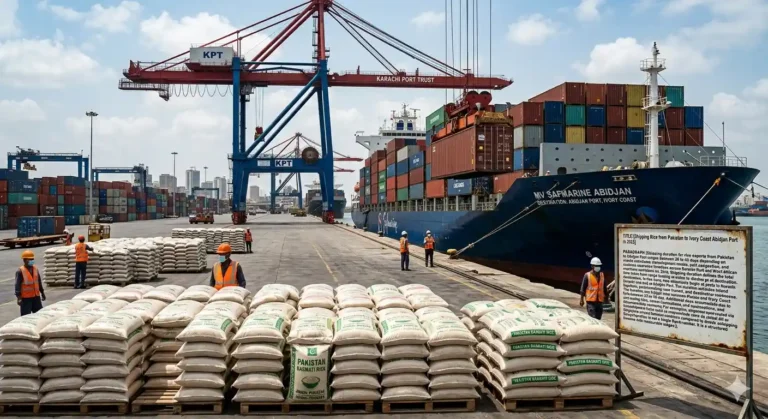
National commerce ministries enforce these statutory frameworks to prevent domestic food inflation and standardize quality metrics. In 2026, the Ministry of Commerce in Pakistan restructured the Duty and Taxes Remission for Export (DLTL) subsidy program by completely removing the historical ceiling cap price of $1,275 per metric ton on free-on-board (FOB) shipments. This fiscal amendment allows authorized millers to receive a 9% tax rebate on high-value premium aromatic shipments, altering competitive baseline pricing layouts globally.
Simultaneously, regional trade blocs like the European Union have tightened structural import controls. The European Union lowered maximum residue limits (MRLs) for specific chemical compounds, forcing producing nations to alter field treatments. For example, Pakistan banned 14 hazardous agrochemicals, including tricyclazole and chlorpyrifos, to safeguard public health and ensure compliance with European food safety laws.
How it works to govern international grain distribution?
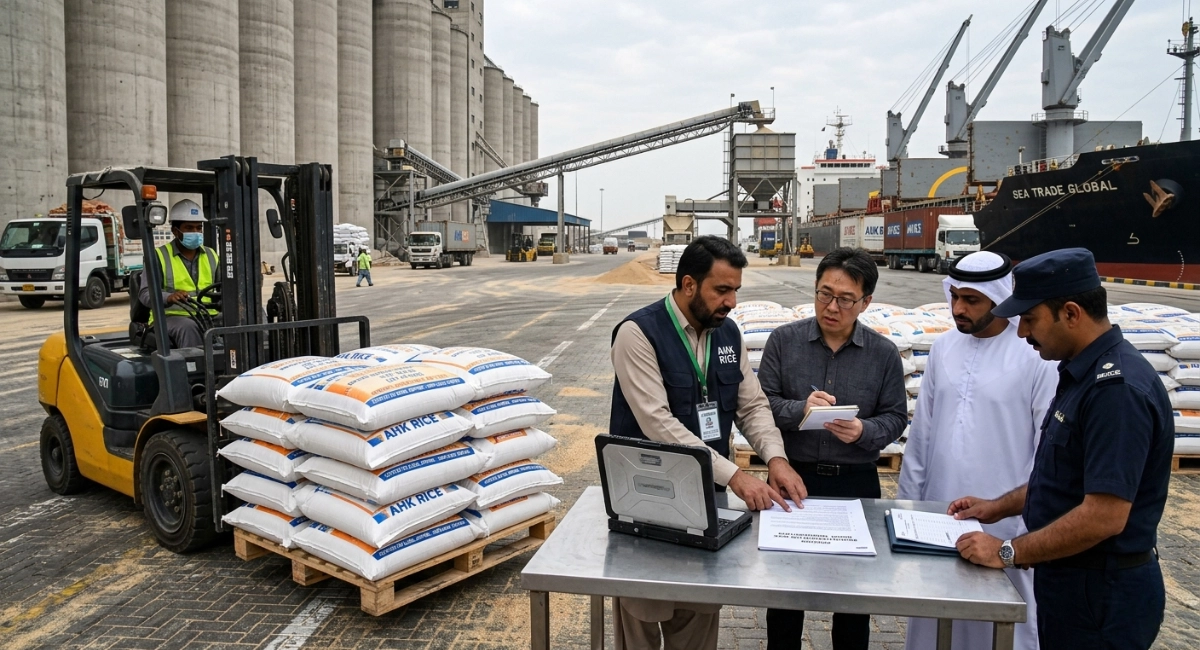
The regulatory system operates through automated digital compliance networks, mandatory laboratory validation protocols, and pre-shipment inspections performed at origin mills. Customs authorities block physical grain shipments that fail to present verified electronic certificates generated by state-run trade single windows.
The operational compliance workflow begins at the agricultural source during the initial processing sequence. Exporting companies must log every cargo load into centralized state portals, such as the Pakistan Single Window (PSW) network, which links the Department of Plant Protection (DPP) directly with customs clearance servers.
The physical enforcement mechanism involves specific sequential checkpoints:
- Pesticide Residue Analysis: Certified independent laboratories, such as SGS or Eurofins, extract representative core samples from bulk storage silos to test for restricted chemical agents.
- Phytosanitary Certification: The domestic plant protection department issues a digital phytosanitary certificate only after laboratory reports confirm zero trace elements of banned pesticides.
- Customs Valuation Audit: Revenue officers audit commercial invoices against minimum export price registers to prevent under-invoicing or tax evasion.
Cargo containers receive official customs seal tracking locks only after clearing all three administrative verification tiers.
Key components of a standardized rice production and export system?
A standardized rice export network consists of specialized cultivation microclimates, industrial milling infrastructure, defined variety classifications, and formal quality certifications. These independent elements operate together to produce grain that satisfies global statutory entry requirements.
Cultivation Microclimates and Regions
Long-grain aromatic rice requires specific geographical ecosystems to develop its distinctive elongated grain shape and natural aroma. The fertile Indus River basin within the Punjab province of Pakistan provides the optimal clay-rich soil and snow-fed irrigation conditions. Specific farming districts, such as Gujranwala, Sheikhupura, and Sialkot, yield premium long-grain crops due to ideal seasonal temperature ranges during the grain-filling stage.
Processing Infrastructure and Machinery
Modern processing plants transform raw field paddy into stable, clean commercial products through specialized industrial machinery. The sequence requires precise mechanical components:
- De-huskers: Rubber-roller hulling machines strip the protective outer husk without cracking the inner kernel.
- Abrasive Polishers: Multi-stage vertical friction milling cones remove the nutrient-rich bran layer to create white rice.
- Color Sorters: High-speed optical CCD cameras scan individual grains, using pneumatic air jets to eject discolored or defective kernels from the stream.
Variety Classifications and Varieties
Agricultural regulatory bodies categorize commercial long-grain rice into distinct genetic strains based on length, texture, and processing methods. The primary export varieties include:
- 1121 Basmati: An ultra-long grain variety with an average pre-cooked grain length of 8.35 millimeters, known for high elongation ratios during cooking.
- Super Kernel Basmati: The traditional premium aromatic grain option, valued for its intense natural fragrance and soft texture.
- 1509 Basmati: An early-maturing, long-grain strain that offers high agricultural yields and cost efficiency for volume buyers.
Processing variations create distinct product types from these varieties, such as white polished grain, steamed grain, and parboiled (sella) rice. Parboiling involves soaking and steaming raw paddy under pressure before milling, which gelatinizes the interior starch structure and locks nutritional elements into the core.
Grade Categories
Exporting agencies classify finished products into standardized grades based on the percentage of broken grains permitted per batch. Premium Tier-1 grade allows a maximum of 2% broken kernels, while secondary commercial grades permit 5%, 10%, or 25% broken grains to meet diverse market price points.
Benefits of strict regulatory compliance for global buyers?
Strict regulatory compliance eliminates financial transaction risks, reduces cargo rejection rates at destination ports, and guarantees food safety for consumer retail brands. It ensures that every metric ton of grain matches defined botanical and chemical purity standards.
Eliminating Port Interceptions
Customs departments at major destination ports inspect incoming food shipments for biological contaminants and unauthorized chemical residues. Adhering to the 2026 pesticide restrictions reduces the risk of expensive border rejections. For instance, stricter alignment with maximum residue limits caused Pakistani rice rejections in European ports to drop from 77 instances down to only 5 cases within a single calendar year.
Guaranteeing Structural Traceability
Modern digital shipping frameworks require comprehensive documentation tracing the product back to specific agricultural regions. This level of traceability allows corporate procurement officers to verify grain authenticity and crop generation years. Buyers receive official protection against product substitution or the mixing of inferior non-aromatic grain varieties into premium aromatic consignments.
Use cases for diverse rice varieties in global consumer markets?
Global consumer markets utilize distinct rice varieties based on regional culinary traditions, industrial food service processing demands, and national economic purchasing capacities. Specific product grades satisfy clear, targeted market applications worldwide.
| Variety Type | Primary Destination Markets | Typical Application |
| 1121 Parboiled (Sella) | Saudi Arabia, UAE, Oman | High-volume commercial catering and traditional rice dishes |
| Super Kernel White | United Kingdom, European Union | Premium ethnic retail packaging and fine dining establishments |
| 1509 Steamed | East Africa, Central Asia | General consumer wholesale distribution and everyday domestic cooking |
Commercial Food Service Systems
High-volume catering companies and restaurants require resilient grain varieties that can withstand prolonged steaming cycles without breaking or becoming sticky. 1121 Parboiled rice serves this sector perfectly, as the pre-steaming process hardens the grain structure. Chefs use this variety for large-scale dish preparations because the individual kernels remain separate and firm even when held in commercial warming trays for multiple hours.
Premium Retail Grocery Brands
High-end supermarket chains focus on aesthetic appearance, grain length, and intense natural aroma to justify premium retail prices. Super Kernel Basmati fits this specific application, filling the shelves of specialty boutique shops and premium western grocery lanes. Distributors package these lots in small, high-quality fabric or laminate bags designed for affluent consumer segments that prioritize traditional cooking properties.
Common problems and misconceptions in the rice import trade?
A major industry misconception is that lower bulk pricing always indicates a better purchasing deal, which overlooks the hidden financial liabilities of high broken-grain percentages and pesticide residue failures. Unverified trading channels regularly introduce cargo delays and quality variations.
The Misconception of Universal Basmati Quality
Many novice buyers assume that all rice labeled as Basmati exhibits the identical elongation performance and aroma profile. This belief is incorrect because seed purity, processing techniques, and crop aging times dictate final culinary performance. Unscrupulous brokers blend cheap non-aromatic long grains into premium 1121 batches to artificially reduce their offer prices, which ruins the cooking consistency for the end consumer.
Fraudulent Trading Networks
The global commodity trade faces continuous exposure to unverified intermediaries operating through informal messaging channels. These non-certified agents frequently advertise unrealistic spot prices for premium grain varieties but lack milling infrastructure and valid single-window export accounts. Real corporate entities protect their capital by dealing exclusively with established milling facilities that possess formal state export licenses and internationally recognized quality certifications.
What certifications apply to legal rice exportation?
Legal rice exportation requires a verified collection of phytosanitary certificates, origin declarations, food safety management certifications, and religious compliance validations. These documents prove to global border officials that the grain satisfies all health and legal standards.
Statutory Border Documents
Customs clearance requires specific official papers before allowing entry into an importing nation. The mandatory documents include:
- Phytosanitary Certificate: Issued by the origin nation’s department of plant protection, confirming the cargo is free from dangerous agricultural pests and restricted chemical residues.
- Certificate of Origin: Validated by local chambers of commerce to certify the true geographical country where the crop was grown and harvested.