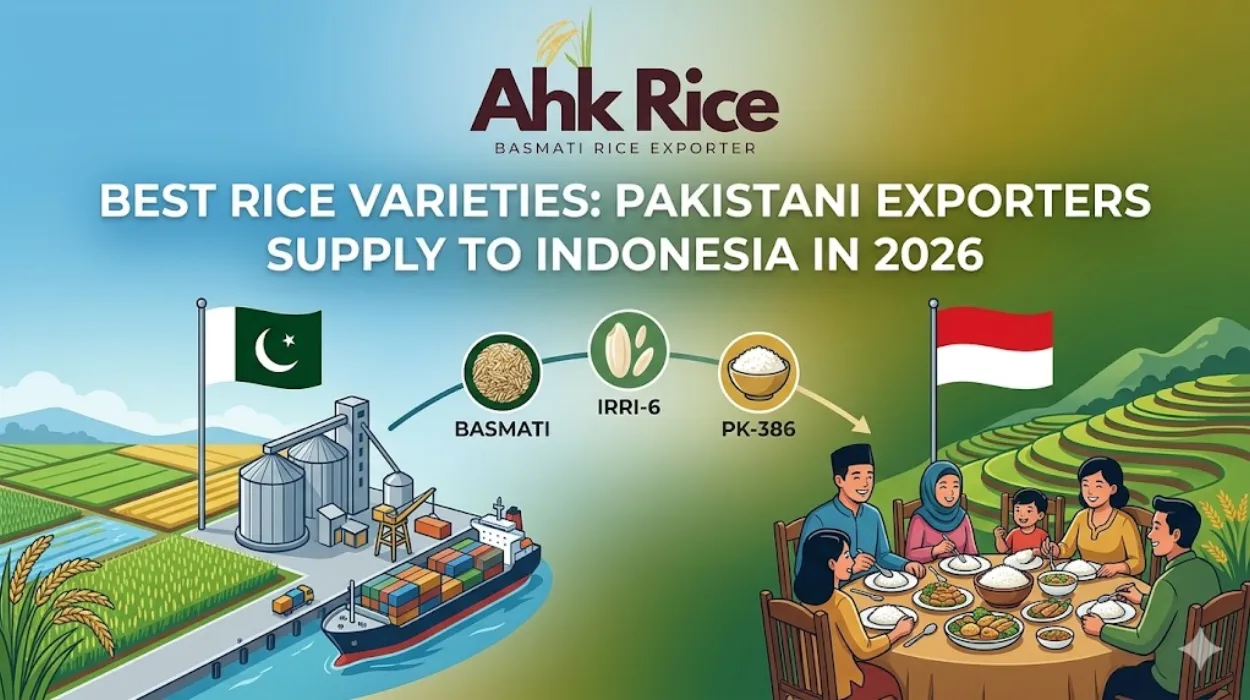
Best Rice Varieties Pakistani Exporters Supply to Indonesia in 2026
Pakistani exporters supply specific long-grain Basmati varieties to Indonesia to meet demand for aromatic, aged, export-grade rice. Here is why: Indonesia imports rice to stabilize domestic supply, and Pakistani varieties such as 1121, Super Kernel, and 1509 match milling yield, aroma intensity, and export-grade quality expectations.
What is the best rice varieties Pakistani exporters supply to Indonesia in 2026?
Pakistani exporters supply three dominant rice varieties to Indonesia in 2026: 1121 Basmati, Super Kernel Basmati, and 1509 Basmati, each selected for aroma, grain length, and milling performance.
Pakistani rice exporters cultivate these varieties in Punjab’s irrigated plains where soil salinity remains low and canal water supports uniform grain development. Indonesia imports them because domestic short-grain rice lacks comparable elongation and fragrance.
1121 Basmati delivers extra-long grain structure used in premium retail packs. Super Kernel Basmati provides balanced aroma and yield stability for wholesale buyers. 1509 Basmati offers fast cooking behavior for foodservice chains requiring operational speed.
These varieties are harvested during two seasonal cycles per year. Exporters then mill, dehusk, polish, grade, and sort them into export specifications aligned with Indonesian import standards.
With the core rice types defined, the next step explains how these varieties move from cultivation fields to Indonesian import ports.
How does the export supply process of Pakistani rice to Indonesia work?
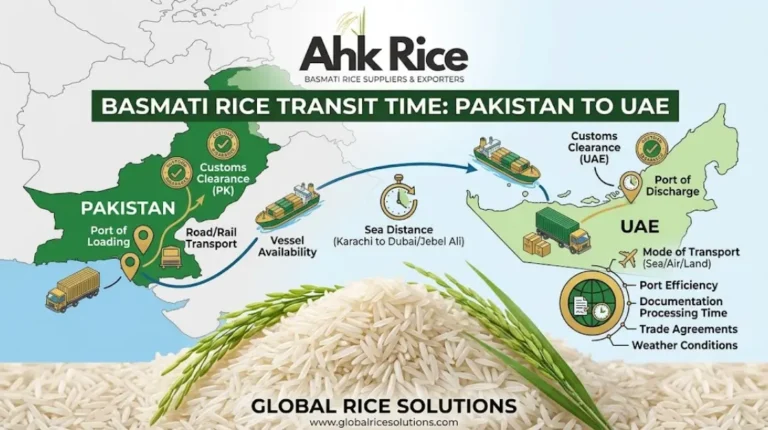
The export process follows nine structured stages: cultivation, harvesting, drying, milling, dehusking, polishing, grading, loading, and shipping to Indonesian ports within 18–28 days.
Rice cultivation begins in Punjab where farmers irrigate paddy fields using canal systems. Grain maturity is monitored until moisture drops below harvest threshold.
Harvesting uses mechanical cutters that reduce grain breakage. Paddy is then sun-dried or mechanically dried to stabilize moisture at export-safe levels.
Processing continues through a structured industrial sequence:
- Clean paddy
- De-husk grain
- Parboil selected batches
- Mill husk layers
- Polish surface starch
- Sort by grain length
- Grade by color uniformity
- Inspect for foreign material
- Load into export containers
Graded rice is packed in 25 kg and 40 kg bags for Indonesian bulk importers. Containers are dispatched through Karachi ports and shipped to Jakarta or Surabaya.
Indonesia’s Expanding Rice Market and the Role of Pakistani Imports in 2026 is contextually placed here to connect market demand with supply structure.
With export mechanics established, the next section explains structural components of these rice varieties.
What are the key components of Pakistani rice varieties exported to Indonesia?
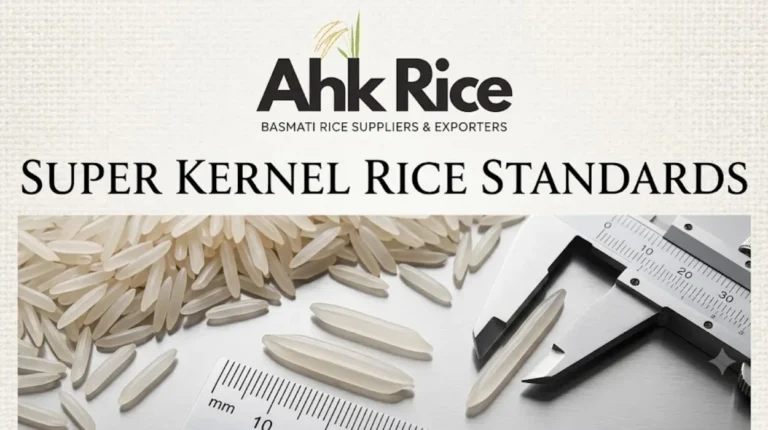
The key components include grain length of 7.0–8.4 mm, milling recovery of 62–68%, moisture control at 12–13%, and aroma retention levels above 85% after polishing.
Grain length determines retail positioning in Indonesian supermarkets. Longer grains increase consumer preference in urban markets like Jakarta and Bandung.
Milling recovery defines export efficiency. Higher recovery reduces cost per metric ton and improves exporter competitiveness.
Moisture control ensures storage stability during sea freight. Indonesian importers prefer rice with controlled humidity because tropical warehouses increase spoilage risk.
Aroma retention is critical for Basmati acceptance. Indonesian foodservice buyers use aromatic rice for nasi briyani-style dishes.
Core components connect directly to how exporters structure product benefits for different buyers.
With components understood, the next section explains practical benefits for Indonesian import markets.
What are the benefits of Pakistani rice varieties for Indonesia?
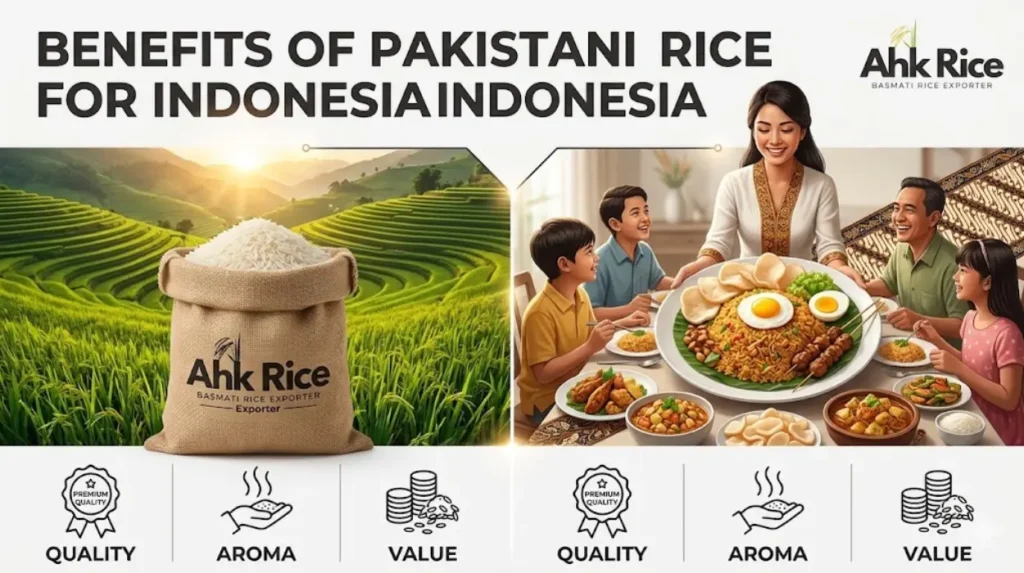
Pakistani rice varieties provide high aroma retention, long grain expansion up to 2.5x, and 12–18 months shelf stability under tropical storage conditions.
Aroma retention improves consumer acceptance in Indonesian retail chains where fragrance defines premium pricing tiers.
Grain elongation increases cooking yield. One kilogram of 1121 Basmati expands significantly after boiling, supporting restaurant portion control.
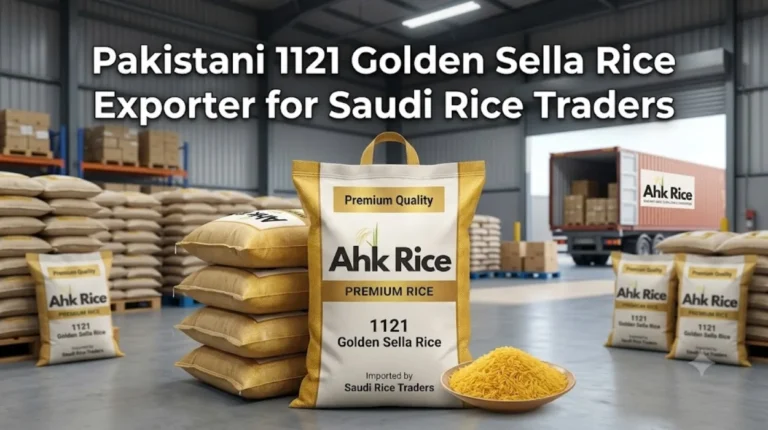
Shelf stability reduces inventory loss. Golden Sella processing improves resistance to humidity, making it suitable for non-air-conditioned warehouses.
Cost efficiency benefits importers because Pakistani rice delivers premium texture at lower per-ton pricing than Thai Hom Mali.
In Indonesian catering markets, these benefits translate into standardized menu consistency and reduced procurement volatility.
With benefits defined, the next section explains real-world use cases across Indonesian demand channels.
What are the main use cases of Pakistani rice in Indonesia?
Pakistani rice varieties are used in retail packaging, hotel catering, restaurant chains, and institutional food supply systems across Indonesia.
Retail supermarkets sell 1121 Basmati in branded 5 kg and 10 kg packs targeting middle-income households.
Hotel kitchens use Super Kernel Basmati because it balances aroma strength and cooking yield for buffet operations.
Restaurant chains prefer 1509 Basmati due to fast boiling time and uniform grain separation.
Institutional buyers such as schools and military supply units prioritize bulk shipments with consistent grading.
Industrial food processors also use broken rice fractions for snacks and rice flour production.
Use cases define how exporters align grade selection with Indonesian demand structure.
With applications defined, the next section explains common problems and misconceptions.
What are common problems or misconceptions about Pakistani rice imports?
Common issues include incorrect grade selection, misunderstanding of parboiled rice types, and underestimation of moisture sensitivity in tropical storage environments.
Grade confusion occurs when buyers mix 1121 and Super Kernel specifications. This leads to inconsistent cooking performance in bulk foodservice.
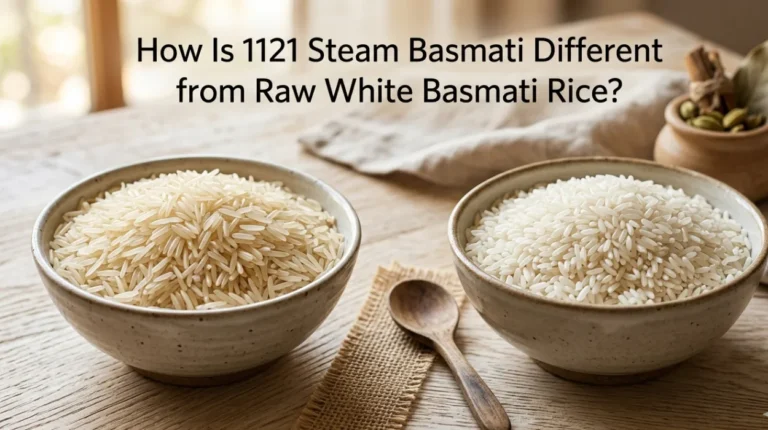
Parboiled misunderstanding arises when importers assume all golden rice has identical texture. Golden Sella differs from Steam due to starch gelatinization during parboiling.
Storage issues occur because high humidity in Indonesian ports affects non-sealed packaging. Proper fumigation and moisture barrier bags reduce spoilage risk.
Price misconception exists when buyers compare Pakistani rice directly with short-grain rice. Different grain physics creates different yield outputs per kilogram.
Correct specification alignment eliminates procurement inefficiencies and improves long-term supply consistency.
With misconceptions clarified, the overall export framework becomes easier to interpret.
Frequently Asked Questions
What rice varieties do Pakistani exporters supply to Indonesia?
Pakistani exporters supply 1121 Basmati, Super Kernel Basmati, and 1509 Basmati for Indonesian import markets.
Why does Indonesia import rice from Pakistan?
Indonesia imports rice to stabilize domestic supply and meet demand for aromatic long-grain rice in retail and foodservice sectors.
Which Pakistani rice grade is best for hotels in Indonesia?
Super Kernel Basmati is preferred for hotels due to balanced aroma, stable cooking yield, and buffet consistency.
How long does Pakistani rice take to ship to Indonesia?
Shipping from Pakistan to Indonesia typically takes 18–28 days depending on port congestion and route selection.
What is the main advantage of 1121 Basmati rice?
1121 Basmati offers extra-long grain length and high elongation ratio, making it suitable for premium retail packaging.