Premium Pakistani Basmati Rice Varieties Preferred by Iraqi Buyers in 2026
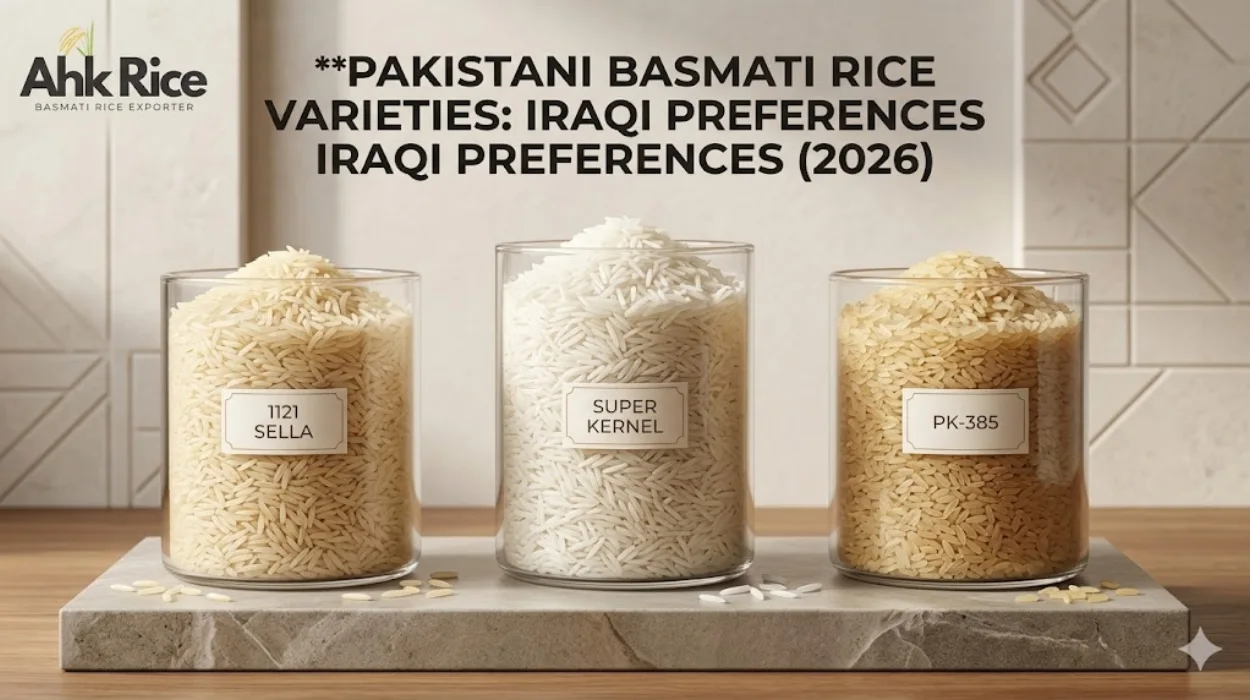
Premium Pakistani Basmati rice varieties preferred by Iraqi buyers in 2026 are 1121 Basmati, Super Kernel Basmati, and 1509 Basmati. Iraqi importers select these varieties because of their long grain length, aroma retention, cooking performance, and suitability for retail, wholesale, and foodservice distribution. Here is why: Pakistan cultivates these varieties in Punjab’s Basmati-growing belt and exports them through controlled milling, grading, certification, and shipping systems.
What Are the Premium Pakistani Basmati Rice Varieties Imported by Iraq?
The most imported varieties are 1121 Basmati, Super Kernel Basmati, and 1509 Basmati because they combine long grain length, strong aroma, high cooking expansion, and stable supply volumes.
Pakistan produces several Basmati varieties, but Iraqi buyers focus on specific grades that match local consumer preferences. Iraqi households prefer long grains with a distinct aroma. Foodservice distributors prefer consistent cooking performance. Retail brands prioritize appearance and shelf presentation.
1121 Basmati Rice
1121 Basmati rice is a premium extra-long grain variety. Raw grain length ranges between 8.20 mm and 8.50 mm before cooking. Cooked grain length often exceeds 18 mm.
1121 Basmati dominates premium retail segments because consumers recognize its appearance and elongation after cooking. Iraqi importers frequently source White Rice, Steam Rice, and Golden Sella Rice versions.
Super Kernel Basmati Rice
Super Kernel Basmati rice is a traditional Pakistani variety. Grain length ranges between 7.20 mm and 7.80 mm.
Super Kernel Basmati offers strong aroma and a traditional taste profile. Iraqi consumers familiar with classic Basmati often select this variety for household consumption.
1509 Basmati Rice
1509 Basmati rice is an early-maturing variety. Grain length averages 8.00 mm or more.
1509 Basmati delivers high yield and competitive pricing. Importers targeting value-focused retail channels often source this variety.
With the preferred varieties defined, the next question is where these rice types are cultivated and why geography matters.
Where Is Premium Pakistani Basmati Rice Grown?
Punjab province produces most export-grade Basmati rice because its soil composition, irrigation system, and climate support long-grain aromatic rice cultivation.
Punjab is Pakistan’s primary Basmati-growing region. Major cultivation zones include districts such as Gujranwala, Hafizabad, Sheikhupura, Narowal, and Sialkot.
Basmati rice requires fertile alluvial soil. Punjab receives irrigation from the Indus River system. Controlled water supply supports grain development and aroma formation.
Rice farmers cultivate Basmati during the Kharif season. Sowing generally starts between May and July. Harvesting occurs between October and November.
Temperature differences between day and night contribute to grain quality. These conditions support the development of aromatic compounds associated with Basmati rice.
Pakistan remains one of the world’s largest Basmati exporters.
With cultivation areas established, the next question is how harvested paddy becomes export-quality rice.
How Does Premium Pakistani Basmati Rice Processing Work?
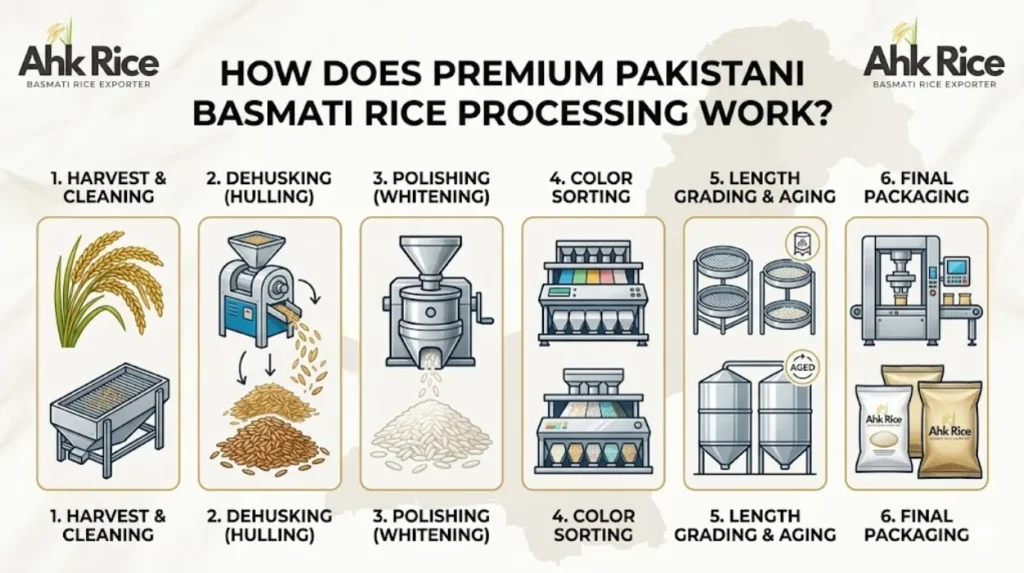
Export-quality Basmati rice passes through 9 major processing stages: cleaning, drying, storage, dehusking, milling, polishing, grading, sorting, and packaging.
Processing determines final quality. Export buyers evaluate rice based on purity, grain length, moisture content, and appearance.
Step-by-Step Processing
- Clean the harvested paddy.
- Dry the paddy to target moisture levels.
- Store the paddy for aging.
- De-husk the grain.
- Mill the rice.
- Polish the kernels.
- Grade by grain size.
- Sort using optical color sorters.
- Package for export.
Aging is an important stage. Aged rice develops improved cooking characteristics and enhanced aroma.
Modern rice mills use optical sorting machines. These systems remove discolored kernels, foreign matter, and defective grains.
Quality teams inspect each batch before packaging. Testing focuses on moisture, purity, grain length, and broken percentage.
With processing explained, the next question is which grades Iraqi importers purchase most often.
What Grades of Pakistani Basmati Rice Do Iraqi Buyers Prefer?
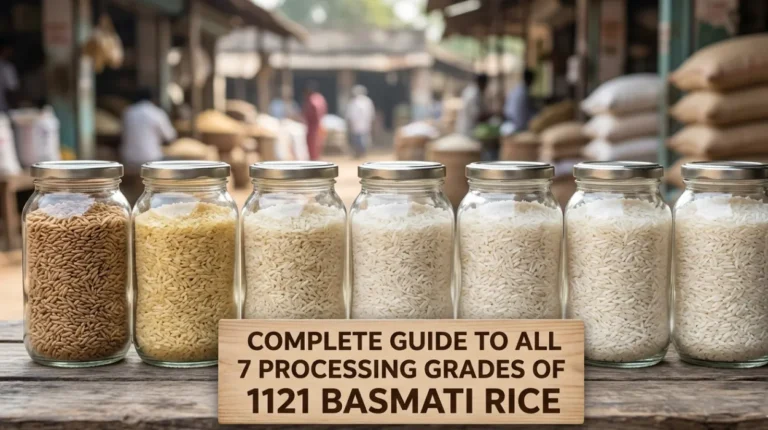
Iraqi importers commonly purchase White Rice, Steam Rice, Golden Sella Rice, and various broken percentages according to retail and foodservice requirements.
Rice grades define processing style and quality specifications. Different buyers require different grades.
White Basmati Rice
White Rice undergoes milling and polishing without parboiling.
White Rice provides a bright appearance and soft texture after cooking. Premium retail brands often prefer this grade.
Steam Basmati Rice
Steam Rice receives controlled steaming before milling.
Steam Rice retains nutrients and develops stronger grain stability during cooking. Many wholesalers select this grade.
Golden Sella Basmati Rice
Golden Sella Rice undergoes parboiling before milling.
Golden Sella Rice maintains grain integrity during cooking. In a 40°C warehouse environment, Golden Sella often preserves quality for 18 months, while Steam Rice typically performs best within 12 months. Iraqi catering distributors frequently choose Golden Sella for extended storage periods.
Broken Rice Grades
Broken percentages affect pricing and market positioning.
Common export grades include:
- 1% Broken
- 2% Broken
- 5% Broken
- 10% Broken
- 15% Broken
Lower broken percentages command premium prices because buyers receive more whole kernels.
With grades clarified, the next question is why Iraqi buyers continue choosing Pakistani Basmati rice.
What Benefits Do Iraqi Buyers Receive from Premium Pakistani Basmati Rice?
Long grain length, aroma retention, cooking expansion, product consistency, and multiple grade options make Pakistani Basmati suitable for Iraqi consumer demand.
Basmati rice delivers visual appeal. Long grains remain separate after cooking. Consumers associate this appearance with premium quality.
Aroma creates product differentiation. Natural fragrance helps retailers position Basmati as a premium offering.
Cooking expansion improves serving yield. Restaurants benefit because grain elongation increases presentation value.
Multiple grades support different market segments. Retail brands, wholesalers, foodservice distributors, and private-label importers can source specifications that match their business model.
Stable export volumes support supply continuity. Pakistan exports rice to more than 100 countries.
With benefits explained, the next question is how Iraqi buyers use these rice varieties across different market channels.
How Is Premium Pakistani Basmati Rice Used in Iraq?
Iraqi importers distribute premium Basmati rice through retail stores, wholesale networks, catering suppliers, restaurants, and private-label brands.
Retail channels prioritize visual quality. Long grains and attractive packaging improve shelf performance.
Wholesale distributors focus on consistency. Large-volume buyers require repeatable specifications across multiple shipments.
Restaurants use Basmati rice for traditional dishes and banquet service. Grain elongation and aroma improve food presentation.
Private-label companies package imported rice under local brands. These businesses often specify customized bag sizes and labeling requirements.
Buyers researching sourcing methods often continue learning through detailed procurement guides such as the article on understanding supplier selection, quality verification, and shipment planning for Iraqi importers.
With use cases covered, the next question is which certifications support international trade.
What Certifications Apply to Premium Pakistani Basmati Rice Exports?
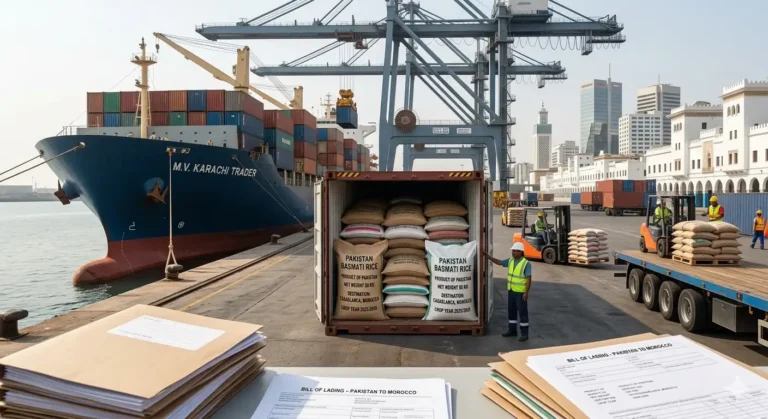
Export shipments commonly require phytosanitary certification, quality inspection reports, food safety documentation, and country-specific compliance certificates.
Certifications help verify safety, quality, and regulatory compliance.
Common export documents include:
- Phytosanitary Certificate
- Certificate of Origin
- Fumigation Certificate
- Commercial Invoice
- Packing List
- Bill of Lading
- Quality Inspection Report
Food safety systems frequently include internationally recognized standards.
ISO Certifications
ISO-based quality management systems establish documented operational procedures.
HACCP Compliance
HACCP identifies and controls food safety risks throughout processing.
Food Safety Management Systems
Food safety frameworks support traceability and quality assurance during production and export operations.
Import regulations vary by destination. Exporters verify documentation before loading shipments.
With certifications explained, the next question is which misconceptions buyers often encounter.
What Common Misconceptions Exist About Premium Pakistani Basmati Rice?
Many buyers incorrectly assume all Basmati rice varieties, grades, and processing methods deliver identical cooking performance and market value.
Not all Basmati varieties produce the same results. 1121 Basmati delivers longer cooked grains than many traditional varieties.
Not all processing grades behave equally. Golden Sella performs differently from Steam Rice because parboiling changes grain structure.
Not all broken percentages represent identical quality levels. Lower broken percentages increase visual appeal and often command higher market prices.
Not all export markets prefer the same specifications. Retail buyers often prioritize appearance. Catering distributors often prioritize storage performance and cooking stability.
Understanding these distinctions improves sourcing decisions and product positioning.
With misconceptions clarified, the complete picture of premium Pakistani Basmati rice varieties preferred by Iraqi buyers is now established.
1121 Basmati, Super Kernel Basmati, and 1509 Basmati remain the leading Pakistani rice varieties preferred by Iraqi buyers in 2026 because they combine aroma, grain length, cooking performance, and reliable export availability.
Punjab’s cultivation environment supports premium production. Modern milling systems maintain quality standards. Multiple grades allow importers to match retail, wholesale, and foodservice requirements. International certifications support export compliance. Together, these factors explain why Pakistani Basmati rice continues to hold a strong position in Iraq’s rice import market.
Frequently Asked Questions
Which Pakistani Basmati variety is most popular in Iraq?
1121 Basmati rice is the most popular premium variety because of its extra-long grain length, aroma, and cooking elongation.
What is the difference between Golden Sella and Steam Basmati Rice?
Golden Sella rice undergoes parboiling before milling, while Steam Rice receives controlled steaming treatment. Golden Sella generally offers longer storage stability and stronger grain strength.
Which Pakistani region produces most export-grade Basmati rice?
Punjab produces most export-grade Basmati rice, particularly districts such as Gujranwala, Hafizabad, Sheikhupura, Narowal, and Sialkot.
What documents are required for Basmati rice exports?
Common documents include the Phytosanitary Certificate, Certificate of Origin, Packing List, Commercial Invoice, Bill of Lading, and Quality Inspection Report.
Why do Iraqi importers prefer Pakistani Basmati rice?
Iraqi importers prefer Pakistani Basmati rice because of its aroma, grain length, cooking expansion, multiple grade options, and established export supply chains.