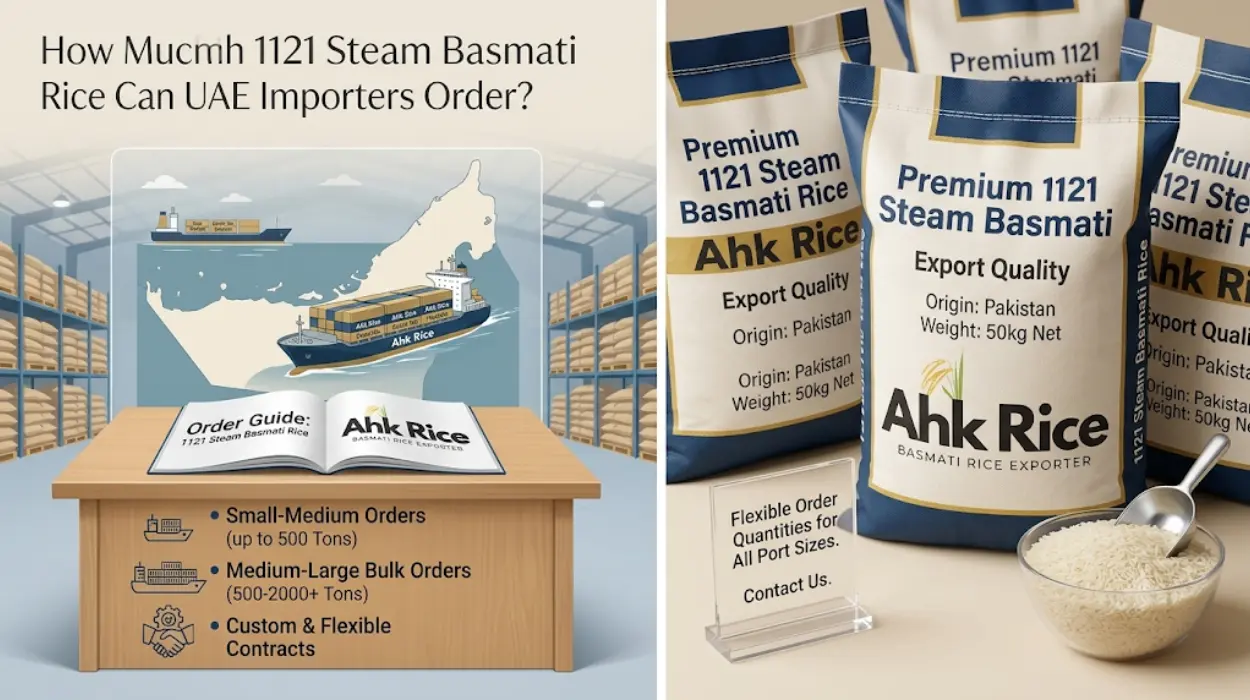
How Much 1121 Steam Basmati Rice Can UAE Importers Order
UAE importers can order from 1 container carrying 24–27 metric tons to thousands of metric tons annually. Here is why: Pakistan exports large volumes of 1121 Steam Basmati Rice through containerized and bulk shipments, while UAE buyers import rice for retail, wholesale, catering, and food manufacturing sectors.
1121 Steam Basmati Rice is one of Pakistan’s most exported rice varieties. The variety grows in Punjab’s Basmati belt and delivers extra-long grains, strong cooking performance, and high elongation. UAE importers source this rice because it suits restaurants, supermarkets, hotels, and food distributors.
What Is 1121 Steam Basmati Rice?
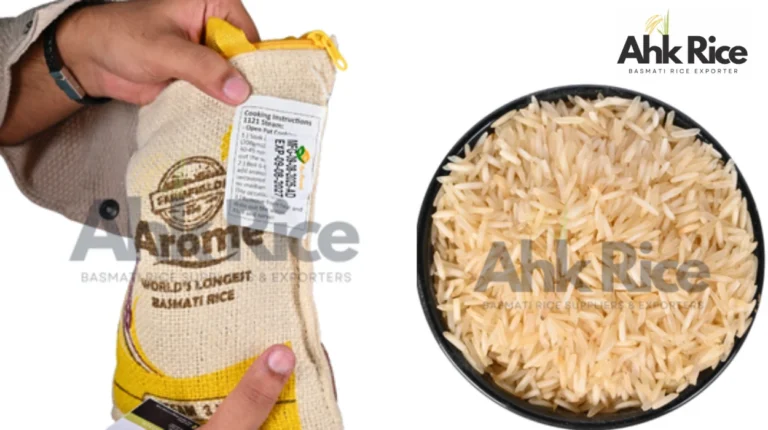
1121 Steam Basmati Rice is an extra-long grain aromatic rice variety with raw grain lengths of 8.20–8.40 mm and high post-cooking elongation.
1121 Steam Basmati Rice originates from Pakistan and India. Pakistan cultivates large volumes in Punjab. Farmers irrigate fields during the growing season and harvest mature paddy between October and November.
1121 refers to the rice variety. Steam refers to the processing method. Processors expose paddy to controlled steam before milling. This treatment strengthens grains and improves cooking consistency.
1121 Steam Basmati Rice produces long, separate grains after cooking. Restaurants prefer this characteristic because presentation affects customer satisfaction.
Pakistan remains one of the world’s leading Basmati exporters (source: Pakistan Bureau of Statistics, FY2024-25).
With the rice variety defined, the next question is how UAE importers determine order quantities.
How Much 1121 Steam Basmati Rice Can UAE Importers Order?
Order quantities range from 24–27 MT per container to annual contracts exceeding 10,000 MT.
UAE importers typically purchase rice through container shipments. A standard 20-foot container carries approximately 24–27 metric tons depending on packaging format.
Retail distributors often order one to five containers. Wholesale traders frequently procure ten to fifty containers. Government tenders and institutional buyers purchase significantly larger volumes.
What Container Quantities Are Common?
| Order Type | Approximate Quantity |
|---|---|
| Trial Order | 24–27 MT |
| Small Distributor | 50–135 MT |
| Wholesale Buyer | 270–1,350 MT |
| Annual Contract | 2,000–10,000+ MT |
Packaging influences loading capacity. Smaller consumer packs reduce total weight. Bulk sacks maximize container utilization.
Order quantity depends on market demand, storage capacity, and distribution networks. Understanding processing helps explain why buyers choose this specification.
How Does 1121 Steam Basmati Rice Processing Work?
The process includes 9 major stages from paddy reception to export packing.
Steam processing strengthens grain structure and reduces breakage during milling. Processors follow standardized procedures before export.
Processing Steps
- Clean the paddy.
- Dry the paddy.
- Steam the grains.
- Store the treated paddy.
- De-husk the grain.
- Polish the rice.
- Grade the kernels.
- Sort by colour.
- Pack for export.
Steam treatment differs from Golden Sella processing. Golden Sella includes parboiling and drying stages that create a golden appearance. Steam rice retains a lighter color while maintaining grain strength.
Quality laboratories inspect every production batch. Testing includes moisture analysis, grain length measurement, and purity verification.
With the processing sequence established, the next question concerns the grades available for UAE buyers.
What Grades of 1121 Steam Basmati Rice Are Available?
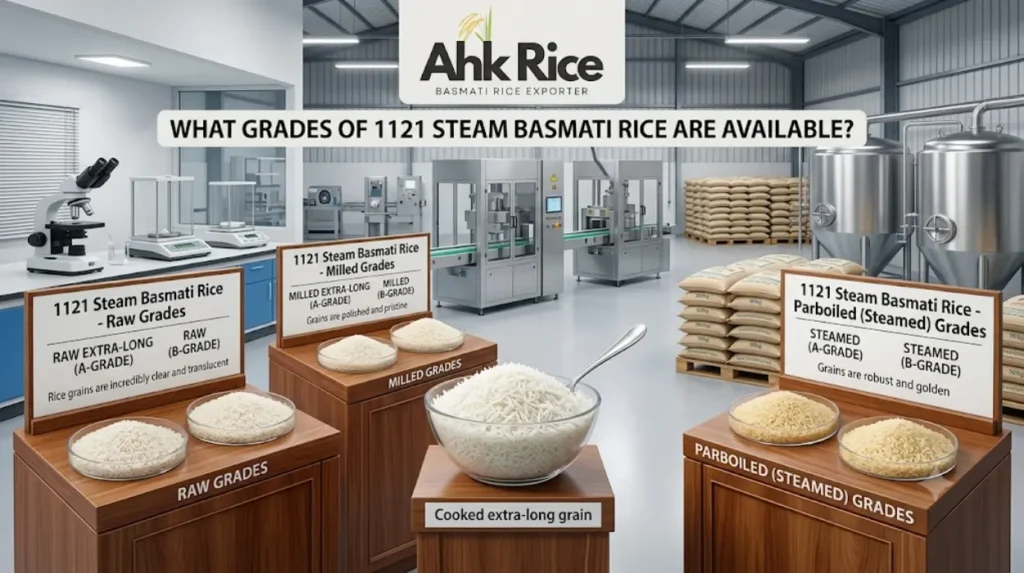
Export grades include Premium, 5% Broken, 10% Broken, 15% Broken, and Customized Specifications.
Rice grades classify kernel quality and broken percentages. Buyers select grades according to market requirements.
Premium Grade
Premium grade contains maximum whole kernels and superior appearance. Retail brands and premium supermarkets commonly procure this specification.
| Specification | Value |
|---|---|
| Grain Length | 8.20–8.40 mm |
| Broken Kernels | 0–2% |
| Moisture | 12–14% |
5% Broken Grade
5% Broken grade balances quality and cost. UAE wholesalers frequently source this category.
10% Broken Grade
10% Broken grade supports value-focused distribution channels. Foodservice operators often choose this specification.
15% Broken Grade
15% Broken grade serves industrial users and bulk food processors seeking economical procurement.
Customized grades satisfy unique tender requirements. Buyers specify broken percentages, moisture levels, and packaging formats before production.
With grade options clarified, the next question concerns the components that define export quality.
What Components Determine Export Quality?
Grain length, moisture content, purity, aroma, whiteness, elongation, and packaging determine export quality.
Quality assessment begins with grain dimensions. Long kernels command higher market value because consumers associate length with premium Basmati characteristics.
Key Quality Components
- Grain length
- Moisture control
- Kernel purity
- Aroma retention
- Colour consistency
- Cooking elongation
- Packaging integrity
Moisture remains critical. Export rice generally maintains 12–14% moisture. Excess moisture shortens storage life and increases quality risks.
Purity standards remove foreign matter. Colour sorters eliminate discolored kernels. Laboratory inspections verify compliance before shipment.
With quality factors understood, the next question is why UAE buyers prefer this rice variety.
What Benefits Does 1121 Steam Basmati Rice Offer UAE Importers?
Long grain appearance, strong cooking performance, efficient storage, and broad consumer acceptance make it attractive.
1121 Steam Basmati Rice elongates significantly during cooking. Restaurants value this characteristic because attractive presentation improves perceived meal quality.
Steam rice maintains grain separation. Catering operations benefit from reduced clumping during large-scale meal preparation.
Storage performance supports UAE distribution networks. Properly stored rice maintains quality for approximately 12 months.
1121 Steam Basmati Rice differs from shorter grain varieties. Long grains suit biryani, mandi, kabsa, and pulao preparations popular across Gulf markets.
Importers evaluating shipment schedules can also review detailed guidance about Pakistan-UAE logistics in our article about rice shipment planning and transit expectations: 1121 Steam Basmati Rice Delivery Timelines from Pakistan to UAE.
With the benefits explained, the next question concerns actual market applications.
Where Is 1121 Steam Basmati Rice Used In The UAE?
Restaurants, supermarkets, wholesalers, catering companies, and food manufacturers use this rice daily.
Foodservice businesses consume large quantities of Basmati rice. Hotels, restaurants, and catering firms require consistent grain quality and cooking performance.
Common Use Cases
- Restaurant biryani production
- Hotel buffet preparation
- Airline catering meals
- Supermarket retail sales
- Food manufacturing applications
Dubai and Abu Dhabi represent major consumption centers. Large expatriate populations drive continuous demand for Basmati rice products.
Wholesale distributors import container quantities and supply regional retailers. Food manufacturers use rice in packaged meal products.
With applications covered, the next question addresses certifications required for international trade.
What Certifications Apply To 1121 Steam Basmati Rice Exports?
Phytosanitary, health, quality, and food safety certifications support international rice trade.
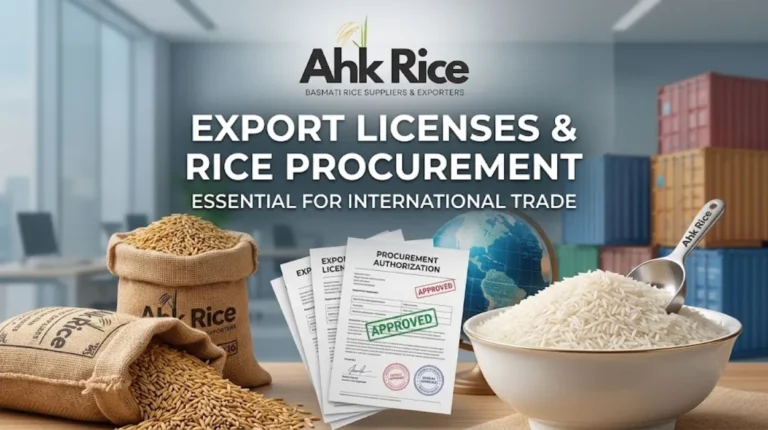
Export certification verifies compliance with importing country regulations. UAE authorities require documentation supporting food safety and product traceability.
Common Export Documents
- Phytosanitary Certificate
- Certificate of Origin
- Commercial Invoice
- Packing List
- Bill of Lading
- Health Certificate
- Fumigation Certificate
Common Quality Certifications
- ISO 22000
- HACCP
- BRCGS
- Halal Certification
Inspection agencies test rice before shipment. Laboratories verify moisture levels, purity, and compliance with contractual specifications.
With certification requirements understood, the final question concerns common misconceptions.
What Misconceptions Exist About 1121 Steam Basmati Rice Orders?
Order size does not determine quality, and larger purchases do not automatically reduce compliance requirements.
Many buyers assume only large importers can source export-grade rice. One container shipments receive the same quality inspections as larger contracts.
Another misconception concerns storage life. Proper storage conditions determine shelf life. Temperature control, moisture management, and warehouse hygiene influence product quality.
Some buyers believe all Basmati rice grades perform identically. Premium grades deliver better visual presentation. Higher broken grades prioritize economy.
Another misconception involves UAE import regulations. Every shipment requires proper documentation regardless of volume.
Understanding these misconceptions helps buyers evaluate procurement decisions more accurately and prepare for import planning.
Frequently Asked Questions
How many metric tons fit in a 20-foot container of 1121 Steam Basmati Rice?
A standard 20-foot container typically loads 24–27 metric tons, depending on packaging and loading configuration.
What is the grain length of 1121 Steam Basmati Rice?
Export-quality 1121 Steam Basmati Rice usually measures 8.20–8.40 mm before cooking.
Which UAE industries import 1121 Steam Basmati Rice?
Restaurants, hotels, catering companies, wholesalers, supermarkets, and food manufacturers import this rice.
How long does 1121 Steam Basmati Rice remain suitable for storage?
Properly stored rice generally maintains quality for up to 12 months.
What documents are required for UAE rice imports?
Common documents include the Phytosanitary Certificate, Certificate of Origin, Commercial Invoice, Packing List, and Bill of Lading.
Why do UAE buyers prefer 1121 Steam Basmati Rice?
Buyers prefer it because of its long grain appearance, strong aroma, cooking elongation, and broad consumer acceptance.