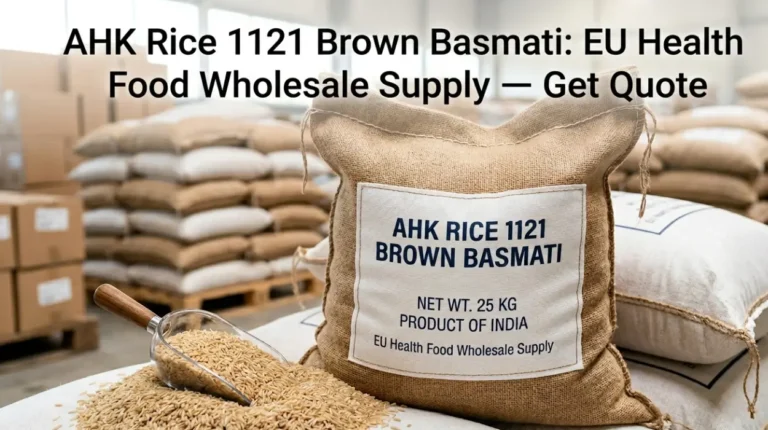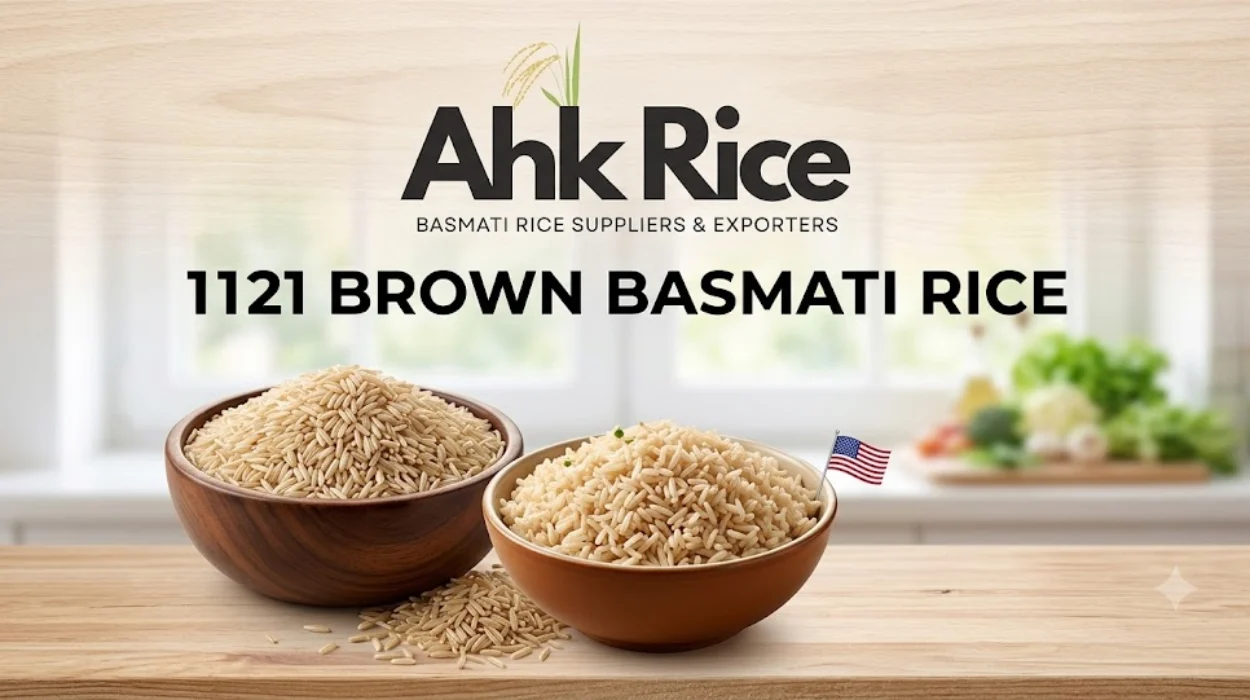
Why Health-Conscious Americans Prefer 1121 Brown Basmati Rice
Health-conscious American consumers choose 1121 Brown Basmati Rice because it combines whole-grain nutrition, naturally long grains, a lower glycemic response than many refined white rice varieties, and the characteristic aroma of authentic Basmati. As interest in balanced diets, plant-based meals, and minimally processed foods continues to increase across the United States in 2026, brown Basmati has become a preferred option for households, restaurants, meal-prep companies, and wellness-focused food brands.
Brown Basmati is not a separate rice species. It is whole-grain Basmati rice that retains its bran layer after milling. The grain preserves more dietary fiber, vitamins, minerals, and naturally occurring plant compounds than polished white Basmati while maintaining the elongated grain shape that distinguishes premium Pakistani Basmati.
Readers interested in how cooking performance and fragrance define premium-quality brown Basmati should also explore the article on:
Evaluating cooking quality and aroma standards for premium brown Basmati, which explains the characteristics buyers examine before selecting export-quality rice.
What Is 1121 Brown Basmati Rice?
1121 Brown Basmati Rice is a whole-grain form of the famous 1121 Basmati variety. It retains its nutritious bran layer, preserves natural fiber and minerals, delivers extra-long grains after cooking, and provides the distinctive aroma that defines authentic Pakistani Basmati rice in international markets.
The 1121 Basmati variety is one of Pakistan’s most recognized premium rice cultivars. It is known for producing exceptionally long kernels that expand significantly during cooking while remaining separate.
Brown Basmati differs from white Basmati because the outer bran remains attached to the grain after harvesting and processing. During white rice production, the bran and germ are removed through additional polishing stages. Brown rice skips this polishing step.
This difference changes several characteristics.
- Fiber content increases.
- Natural oils remain inside the grain.
- More vitamins stay intact.
- Mineral levels remain higher.
- Cooking time becomes longer.
- Texture becomes slightly firmer.
Because the grain remains less processed, it fits well into dietary patterns that emphasize whole foods.
Where Is 1121 Brown Basmati Grown?
Pakistan produces premium 1121 Brown Basmati primarily in Punjab, where fertile alluvial soils, seasonal rainfall, canal irrigation, and favorable temperatures create ideal growing conditions.
Major producing districts include examples such as:
- Hafizabad
- Gujranwala
- Sheikhupura
- Narowal
- Sialkot
These regions have cultivated aromatic Basmati rice for decades, supporting consistent grain quality and export production.
How Does 1121 Brown Basmati Rice Reach Consumers?
1121 Brown Basmati follows a carefully controlled production process beginning with cultivation and ending with packaging. Each processing stage preserves grain integrity, minimizes breakage, protects aroma, and maintains the whole-grain bran layer that distinguishes brown Basmati from polished rice.
Rice production begins before planting.
Farmers prepare fields by leveling soil and managing irrigation. Healthy seedlings are transplanted into flooded fields during the growing season.
After approximately 120 to 140 days, mature rice plants are harvested using mechanical harvesters or controlled manual harvesting.
The harvested paddy then enters processing facilities.
Step 1: Cleaning
Machines remove:
- Stones
- Dust
- Straw
- Soil particles
- Foreign seeds
Clean raw material improves processing efficiency.
Step 2: Drying
Fresh paddy contains excess moisture.
Controlled drying reduces moisture to safe storage levels while protecting grain quality.
Proper drying limits cracking during milling.
Step 3: Dehusking
The outer husk is removed.
Only the inedible protective shell is separated.
The bran remains attached.
Step 4: Grading
Modern optical sorters classify grains according to:
- Length
- Color
- Shape
- Defects
- Broken percentage
Consistent grading creates uniform product quality.
Step 5: Quality Inspection
Laboratories evaluate important specifications, including:
- Moisture percentage
- Broken grains
- Chalkiness
- Purity
- Foreign matter
- Grain dimensions
Step 6: Packaging
The finished rice is packed into export-ready bags.
Examples include:
- 1 kg
- 2 kg
- 5 kg
- 10 kg
- 20 kg
- 25 kg
- 50 kg
Packaging materials protect rice during storage and transportation.
What Are the Key Components of 1121 Brown Basmati Rice?
1121 Brown Basmati contains several natural nutritional components because its bran layer remains intact. These include dietary fiber, complex carbohydrates, plant protein, essential minerals, vitamins, and naturally occurring antioxidants that contribute to its whole-grain nutritional profile.
Each grain contains three main parts.
Bran
The bran forms the outer edible layer.
It contains:
- Fiber
- B vitamins
- Iron
- Magnesium
- Zinc
- Antioxidants
Germ
The germ is the living portion of the grain.
It contains:
- Healthy fats
- Vitamin E
- Natural enzymes
- Additional micronutrients
Endosperm
The endosperm supplies energy through complex carbohydrates.
It also provides plant protein.
Together, these three sections create the complete whole-grain structure.
White rice primarily contains only the endosperm.
Why Do Health-Conscious Americans Choose 1121 Brown Basmati Rice?
Health-conscious Americans prefer 1121 Brown Basmati because it provides whole-grain nutrition, higher dietary fiber than white rice, naturally aromatic grains, satisfying texture, and compatibility with balanced eating patterns that emphasize minimally processed staple foods.
Nutrition influences purchasing decisions across American grocery stores.
Consumers increasingly compare ingredient labels before buying staple foods.
Whole grains receive significant attention because dietary guidelines recommend increasing whole-grain consumption.
Brown Basmati fits this recommendation.
The bran contributes dietary fiber that supports digestive health.
The grain also contains naturally occurring magnesium, phosphorus, and manganese that remain present after minimal processing.
Another important factor is cooking performance.
Unlike many short-grain brown rice varieties, 1121 Brown Basmati cooks into long, separate grains instead of becoming sticky.
Its aroma also creates a more enjoyable eating experience.
These characteristics make it suitable for consumers who want nutrition without sacrificing flavor.
Common Meal Examples
Examples include:
- Grilled chicken bowls
- Vegetable pilaf
- Mediterranean grain salads
- Curry dishes
- Burrito bowls
- Plant-based meal preparation
These dishes benefit from the grain’s firm texture and separate kernels.
Where Is 1121 Brown Basmati Rice Used?
1121 Brown Basmati serves many food applications because it combines whole-grain nutrition with premium cooking quality. It supports home cooking, commercial food production, institutional catering, restaurant menus, and packaged meal manufacturing across the American food industry.
Household consumers purchase it for weekly meal preparation.
Restaurants use it in premium rice dishes because the grains remain long after cooking.
Meal-prep companies value consistency.
Health-focused food manufacturers include it in frozen meals.
Institutional kitchens prepare large batches for hospitals, universities, and corporate cafeterias.
Popular Culinary Applications
Examples include:
- Rice bowls
- Stir-fries
- Curry meals
- Stuffed vegetables
- Rice salads
- Grain blends
- Side dishes
Its versatility supports different cuisines while maintaining its characteristic aroma.
What Grades of Pakistani Basmati Rice Are Available?
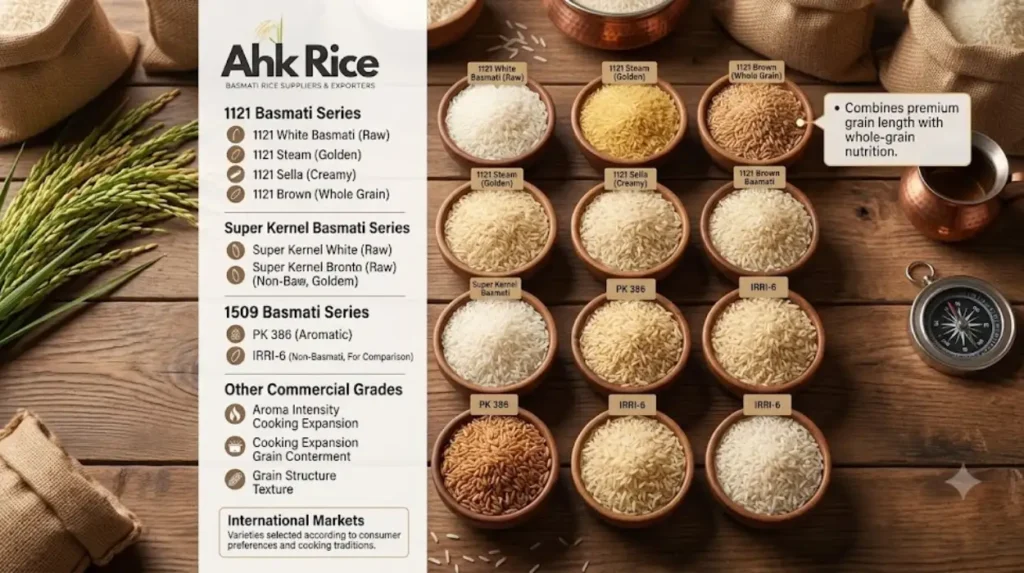
Pakistan produces several premium Basmati grades that serve different culinary applications and export markets. Each variety differs in grain length, cooking expansion, texture, aroma intensity, and intended commercial use while maintaining authentic Basmati characteristics.
Pakistan exports multiple Basmati varieties.
Examples include:
- 1121 Brown Basmati
- 1121 White Basmati
- 1121 Steam
- 1121 Sella
- Super Kernel Basmati
- Super Kernel Brown
- Super Kernel Steam
- Super Kernel Sella
- 1509 White
- 1509 Steam
- 1509 Sella
- PK 386 Rice
- IRRI-6 Rice
Among these varieties, 1121 Brown Basmati stands out because it combines premium grain length with whole-grain nutrition.
Different international markets select different grades according to consumer preferences and cooking traditions.
Which Countries Import 1121 Brown Basmati Rice?
Premium Pakistani 1121 Brown Basmati reaches numerous international markets where consumers demand aromatic whole grains. Imports continue expanding because healthy eating patterns, specialty grocery retailing, and premium food service sectors increasingly favor minimally processed rice products.
Several regions actively import Pakistani Basmati.
Examples include:
- United States
- Canada
- United Kingdom
- Germany
- Saudi Arabia
- United Arab Emirates
- Australia
- New Zealand
- Qatar
- Kuwait
In the United States, demand comes from multiple channels.
Examples include:
- Natural food retailers
- Organic grocery chains
- Ethnic supermarkets
- Online grocery platforms
- Independent health food stores
Consumer awareness of whole grains continues supporting steady demand.
What Certifications Apply to Premium 1121 Brown Basmati Rice?
Export-quality 1121 Brown Basmati follows internationally recognized food safety and quality management systems. These certifications verify manufacturing practices, traceability, hygiene controls, and product consistency required by global food import regulations during international trade.
Certification supports food safety verification throughout production.
Common certifications include:
- ISO 22000 Food Safety Management
- HACCP
- GMP
- FDA facility registration for U.S. food exports
- Phytosanitary Certification
- Certificate of Origin
- Fumigation Certificate when destination regulations require it
Individual buyers also request laboratory reports confirming quality specifications before shipment.
These documents improve transparency throughout international supply chains.
What Misconceptions Exist About 1121 Brown Basmati Rice?
Several misconceptions confuse consumers about brown Basmati rice. Scientific evidence and commercial production standards show that whole-grain Basmati differs from ordinary brown rice in aroma, grain length, processing, texture, and culinary performance while remaining a minimally processed grain.
One misconception states that all brown rice tastes identical.
This is incorrect.
1121 Brown Basmati possesses the natural aromatic compounds associated with authentic Basmati varieties.
Another misconception claims brown rice is unprocessed.
Brown Basmati still undergoes cleaning, drying, dehusking, grading, inspection, and packaging.
The difference is that the bran remains intact.
Some consumers believe brown rice cooks exactly like white rice.
Cooking characteristics differ.
Brown Basmati requires additional cooking time because the bran slows water absorption.
Another misconception assumes all long-grain rice qualifies as Basmati.
Authentic Basmati belongs to specific recognized varieties that meet established quality characteristics, including aroma, grain dimensions, and elongation after cooking.
1121 Brown Basmati Rice combines the nutritional advantages of a whole grain with the cooking characteristics that have made Pakistani Basmati internationally recognized. Its intact bran layer provides dietary fiber, vitamins, minerals, and natural antioxidants, while its extra-long grains and distinctive aroma deliver the culinary qualities valued by health-conscious American consumers. From cultivation in Punjab through cleaning, dehusking, grading, quality inspection, and packaging, each stage preserves the characteristics that define premium brown Basmati. Growing interest in whole-food nutrition, meal preparation, and minimally processed ingredients continues to strengthen demand for this rice across homes, restaurants, and food manufacturers in the United States.
Frequently Asked Questions
What makes 1121 Brown Basmati Rice different from white Basmati rice?
1121 Brown Basmati Rice retains its bran layer, providing more dietary fiber, vitamins, and minerals than white Basmati. White Basmati undergoes additional polishing that removes the bran and germ.
Is 1121 Brown Basmati Rice naturally aromatic?
Yes. The 1121 variety naturally contains the distinctive Basmati aroma, which remains present in the brown rice version because the grain is minimally processed.
Where is premium 1121 Brown Basmati Rice grown?
Premium 1121 Brown Basmati Rice is primarily grown in Punjab, Pakistan, especially in districts such as Hafizabad, Gujranwala, Sheikhupura, Narowal, and Sialkot.
How is 1121 Brown Basmati Rice processed?
The rice undergoes cleaning, drying, dehusking, grading, laboratory quality inspection, and packaging. Unlike white rice, it is not polished, so the nutritious bran layer remains intact.
Why do health-conscious Americans choose 1121 Brown Basmati Rice?
Many health-conscious consumers prefer it because it is a whole grain that offers higher fiber, natural nutrients, long cooking grains, and authentic Basmati aroma while fitting balanced eating patterns.
Does 1121 Brown Basmati Rice take longer to cook?
Yes. Because the bran layer remains on the grain, it absorbs water more slowly than white Basmati, resulting in a longer cooking time.
What nutrients are found in 1121 Brown Basmati Rice?
It naturally contains dietary fiber, complex carbohydrates, plant protein, magnesium, phosphorus, manganese, B vitamins, iron, zinc, and antioxidants.
What meals can be prepared with 1121 Brown Basmati Rice?
It is commonly used for rice bowls, vegetable pilaf, curries, Mediterranean salads, stir-fries, meal-prep dishes, stuffed vegetables, and healthy side dishes.
Which countries import Pakistani 1121 Brown Basmati Rice?
Major importing countries include the United States, Canada, the United Kingdom, Germany, Saudi Arabia, the United Arab Emirates, Australia, New Zealand, Qatar, and Kuwait.
What certifications are commonly available for export-quality 1121 Brown Basmati Rice?
Export-quality rice commonly complies with ISO 22000, HACCP, GMP, FDA registration requirements for U.S. exports, phytosanitary certification, certificate of origin, and other shipment-specific quality documents.