How Do Wholesale Buyers Evaluate International Rice Supply Partners?
Wholesale buyers evaluate international rice supply partners by comparing quality consistency, certifications, processing standards, export experience, logistics performance, pricing transparency, and long-term supply reliability. Here is why: a supplier with verified quality systems and dependable exports reduces procurement risks, protects profit margins, and ensures uninterrupted distribution across multiple markets.
International rice procurement involves more than comparing prices. Importers evaluate suppliers as long-term business partners because every shipment affects inventory planning, retail reputation, and customer satisfaction. A low quotation loses value when quality varies between containers or documentation delays customs clearance.
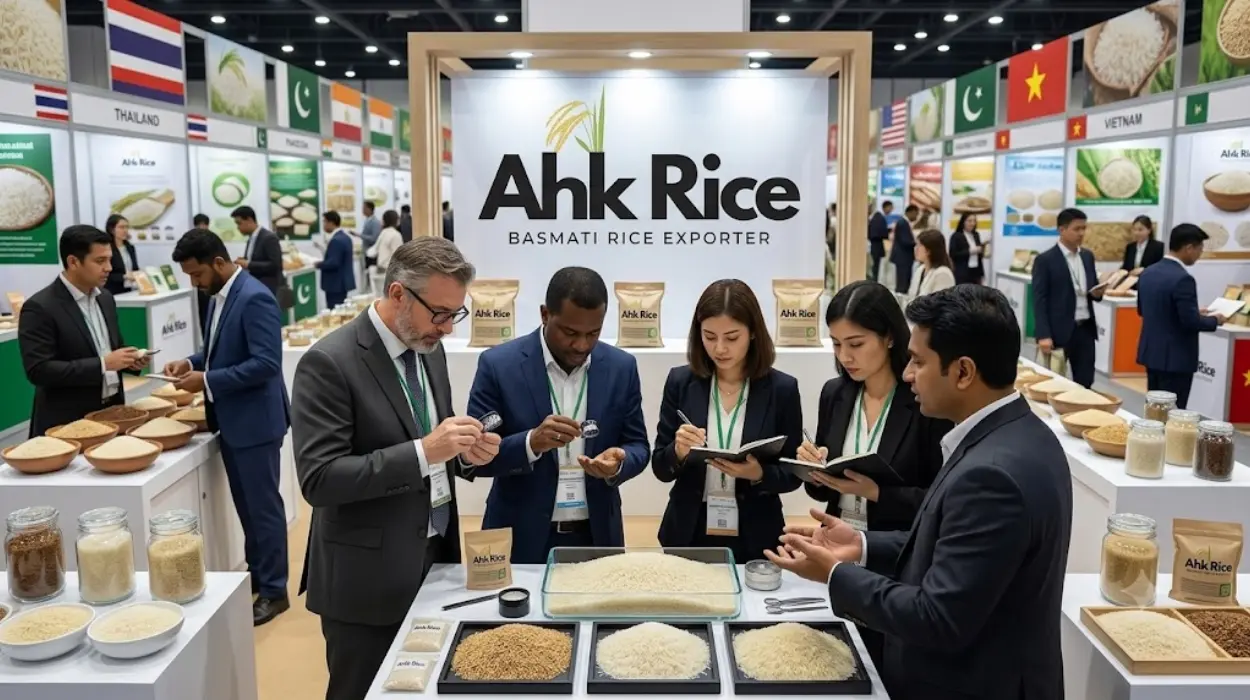
Wholesale buyers therefore compare suppliers using measurable specifications instead of marketing claims. They inspect grain quality, verify processing systems, review export documentation, compare logistics capability, and assess communication before signing annual contracts.
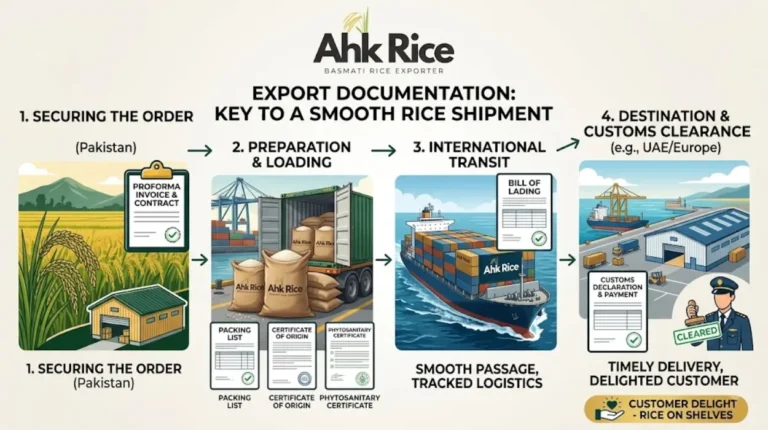
Understanding these evaluation methods helps buyers make informed procurement decisions. Our earlier guide on how Pakistani Basmati rice moves through international export supply chains explains the complete export journey before supplier selection begins.
What Solutions Are Available for Finding an International Rice Supply Partner?
The most effective solutions include trading companies, export agents, manufacturers, direct rice mills, and integrated exporters. Direct mill exporters provide the highest level of quality control, pricing transparency, production visibility, and shipment consistency for wholesale buyers managing long-term imports.
International rice sourcing follows several business models. Each solution offers different levels of supply control, communication, and operational transparency.
Buying Through Trading Companies
Trading companies purchase rice from multiple mills before exporting.
This model offers broad product availability. Buyers can source different rice varieties through one supplier. However, production often comes from different facilities, making quality consistency more difficult to verify.
Trading companies work well for buyers purchasing mixed product portfolios rather than fixed rice specifications.
Buying Through Export Agents
Export agents connect overseas buyers with manufacturers.
Agents simplify communication and supplier discovery. They rarely control production themselves. Buyers still depend on individual mills for processing quality, grading accuracy, and shipment schedules.
This option suits new importers exploring unfamiliar markets.
Buying Directly From Rice Mills
Direct procurement creates a direct relationship between buyer and processor.
The mill cultivates supplier accountability because production, grading, packing, and dispatch remain under one organization. Buyers gain better visibility into processing systems and inspection procedures.
Large wholesalers often prefer this approach because product specifications remain easier to monitor across multiple shipments.
Working With Integrated Exporters
Integrated exporters combine procurement, milling, grading, packaging, documentation, inspection, and international logistics.
Instead of coordinating several businesses, buyers communicate with one export partner throughout the supply chain.
Integrated exporters also simplify private-label production, customized packaging, laboratory testing, and export documentation.
The available sourcing models establish different levels of operational control. The next comparison explains how buyers measure these differences objectively.
How Do Different Supplier Approaches Compare?
Direct integrated exporters deliver the strongest combination of quality control, traceability, documentation, logistics coordination, and long-term supply reliability. Trading companies offer flexibility, while agents simplify sourcing but provide less operational control over production and inspection.
Wholesale buyers compare suppliers using measurable performance indicators rather than promises. Procurement teams score suppliers against standardized criteria before approving commercial contracts.
Specification Comparison Table
| Evaluation Attribute | Trading Company | Export Agent | Direct Rice Mill | Integrated Exporter |
|---|---|---|---|---|
| Quality Control | Medium | Low | High | Very High |
| Price Transparency | Medium | Medium | High | Very High |
| Production Traceability | Limited | Limited | High | Complete |
| Export Documentation | Medium | Medium | High | Very High |
| Packaging Flexibility | Medium | Low | High | Very High |
| Logistics Coordination | Medium | Low | Medium | Complete |
| Long-Term Supply Stability | Medium | Low | High | Very High |
The comparison demonstrates why procurement teams rarely evaluate suppliers using price alone. Operational capability determines shipment consistency across years rather than individual orders.
What Buyers Verify Before Approval
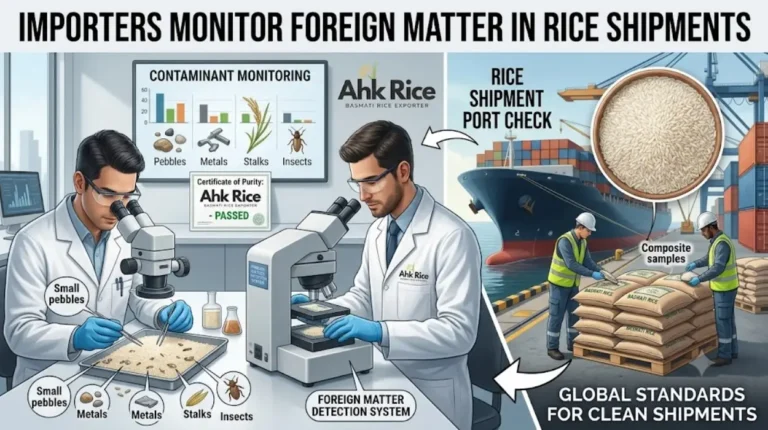
Professional procurement departments typically review:
- Production capacity
- Milling technology
- Optical sorting systems
- Moisture testing procedures
- Food safety certifications
- Export documentation
- Previous shipment history
- Packaging capability
- Container loading process
Each verification step reduces commercial risk before purchase orders begin.
The comparison above explains supplier structures. The next section evaluates which sourcing method performs best under different buying situations.
What Method Works Best for Different Wholesale Buying Cases?
Integrated rice exporters perform best for long-term procurement, direct rice mills suit specification-focused buyers, trading companies support multi-product sourcing, and export agents help first-time importers. The correct sourcing method depends on purchasing volume, quality requirements, destination market, and supply continuity.
Selecting an international rice supplier begins with defining procurement objectives. A buyer importing one container every quarter evaluates suppliers differently from a supermarket chain purchasing hundreds of containers annually. Long-term contracts require production consistency, documented quality systems, and reliable logistics.
Best Solution for Retail Importers
Retail distributors require consistent grain appearance, stable cooking quality, and attractive packaging. Consumers quickly notice changes in grain length, colour, or aroma. Retail brands therefore prioritize suppliers capable of maintaining identical specifications across multiple production batches.
Integrated exporters provide greater production visibility because they supervise milling, grading, packaging, inspection, and export documentation under one management system.
Best Solution for Food Service Buyers
Hotels, restaurants, catering companies, and institutional kitchens purchase rice based on cooking performance rather than retail presentation. They evaluate elongation ratio, moisture level, broken percentage, and cooking consistency before approving suppliers.
Direct rice mills frequently satisfy these requirements because production specifications remain easier to standardize throughout processing.
Best Solution for Private Label Brands
Private label buyers require customized packaging, multilingual labeling, regulatory compliance, and flexible container configurations.
Integrated exporters usually offer:
- Custom packaging
- Private label printing
- Barcode integration
- Export documentation
- Laboratory verification
- Mixed container loading
These services reduce coordination between multiple suppliers.
Best Solution for Commodity Traders
Commodity traders focus on pricing opportunities across different origins and grades. Product flexibility often becomes more valuable than production transparency.
Trading companies can provide several rice varieties from multiple mills within one commercial agreement.
The most suitable sourcing method depends on business objectives. The next comparison evaluates regional buying preferences that influence supplier selection.
How Do Market Requirements Differ Across International Regions?
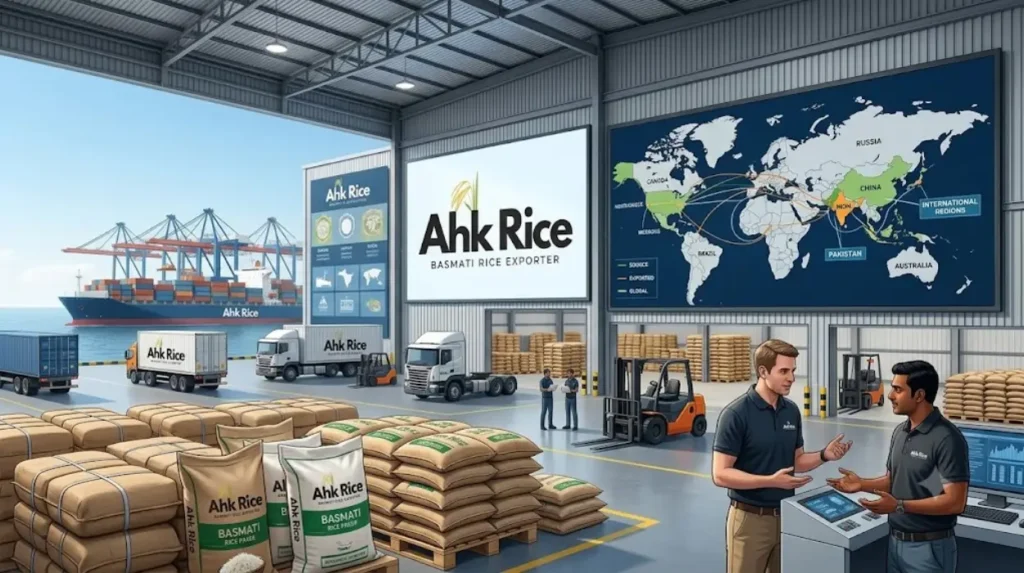
European buyers prioritize traceability, certifications, and premium grades, while Middle Eastern buyers emphasize grain length, cooking performance, competitive pricing, and continuous supply. Supplier selection changes according to commercial expectations, food regulations, and consumer demand.
International markets purchase rice according to different commercial priorities. Understanding these regional preferences helps wholesale buyers compare suppliers more effectively.
Regional Comparison
| Evaluation Factor | European Market | Middle East & GCC Market |
|---|---|---|
| Preferred Grades | 1121 Steam, Super Kernel White | 1121 Golden Sella, Creamy Sella |
| Main Buying Focus | Food safety, traceability, certifications | Aroma, grain length, cooking performance |
| Typical Price Range | USD 1,050–1,300/MT | USD 950–1,180/MT |
| Preferred Shelf Life | 18–24 months | 12–18 months |
| Packaging Demand | Retail packs, private labels | Retail and bulk catering bags |
| Documentation Priority | Compliance certificates | Inspection and shipment documents |
| Purchasing Style | Long-term contracts | Seasonal and continuous procurement |
Prices vary according to crop year, processing grade, destination port, and freight conditions.
European importers generally evaluate suppliers through compliance and traceability systems. Buyers request documented inspection reports and standardized quality verification before shipment.
Middle Eastern wholesalers place greater emphasis on cooking characteristics because hospitality businesses and food distributors require consistent grain elongation and aroma.
What Are the Advantages and Disadvantages of Each Supplier Type?
Every sourcing model provides unique strengths and operational limitations. Wholesale buyers compare total business value instead of purchase price because quality consistency, documentation accuracy, and shipment reliability directly affect long-term profitability.
Comparison of Supplier Models
| Supplier Type | Advantages | Limitations |
|---|---|---|
| Trading Company | Multiple products, sourcing flexibility | Limited production control |
| Export Agent | Easy supplier access | Less operational transparency |
| Direct Rice Mill | Better processing visibility, stable quality | Fewer value-added export services |
| Integrated Exporter | Complete quality management, packaging, logistics | Higher qualification standards for supplier approval |
A supplier offering the lowest quotation does not always deliver the lowest procurement cost. Shipment delays, inconsistent quality, and rejected consignments increase operational expenses far beyond initial purchase savings.
Evaluating total supply performance produces stronger commercial outcomes than comparing FOB prices alone.
What Decision Factors Should Wholesale Buyers Prioritize Before Selecting a Rice Supply Partner?
Quality consistency, certification, processing capability, logistics performance, commercial transparency, and after-sales support determine supplier reliability more accurately than price alone. Buyers who evaluate measurable performance indicators reduce procurement risk and build resilient supply chains.
Selecting an international rice supplier requires a structured evaluation process. Procurement teams compare suppliers against predefined criteria before approving long-term contracts. Each criterion contributes to supply stability, regulatory compliance, and customer satisfaction.
Decision Framework for Wholesale Buyers
| Decision Factor | Why It Matters | Questions Buyers Should Ask | Preferred Standard |
|---|---|---|---|
| Product Quality | Ensures customer satisfaction and repeat orders | Are grading and inspection reports available? | Independent laboratory verification |
| Food Safety & Certifications | Supports import compliance | Which certifications are maintained? | ISO, HACCP, BRC, Halal where required |
| Processing Capability | Delivers consistent specifications | Are milling, grading, colour sorting, and packaging integrated? | Modern processing facility |
| Logistics & Documentation | Prevents shipment delays | Can export documents and container schedules be managed efficiently? | Complete export management |
| Long-Term Partnership | Supports business growth | Can production scale with increasing demand? | Proven export history and responsive communication |
Procurement teams should evaluate every supplier using identical criteria. A standardized assessment reduces subjective decision-making and improves supplier comparisons across multiple sourcing regions.
Practical Supplier Evaluation Checklist
Before approving an international rice supplier, buyers should:
- Verify production capacity.
- Review laboratory inspection reports.
- Confirm food safety certifications.
- Compare grain specifications.
- Evaluate packaging capabilities.
- Assess export documentation.
- Examine shipment history.
- Request product samples.
- Review communication responsiveness.
- Compare long-term commercial value.
This structured approach creates objective procurement decisions instead of relying on quotations alone.
Wholesale buyers achieve stronger procurement outcomes by selecting suppliers through measurable performance rather than purchase price alone. Product consistency, documented quality systems, transparent communication, and dependable logistics create long-term commercial value that extends beyond individual shipments.
Integrated exporters frequently provide the most complete procurement solution because they manage milling, grading, packaging, inspection, documentation, and international shipping within one coordinated operation. This structure simplifies communication and improves traceability throughout the export process.
For businesses evaluating Pakistani Basmati rice suppliers, AHK Rice combines end-to-end processing, customized packaging, export documentation, and international shipping support for buyers across more than 15 countries. Understanding these supplier evaluation principles enables procurement teams to establish stronger, lower-risk sourcing partnerships.
Frequently Asked Questions
How do wholesale buyers evaluate international rice suppliers?
Wholesale buyers compare suppliers by reviewing product quality, processing standards, certifications, export experience, pricing transparency, logistics capability, and communication efficiency. These measurable factors provide a reliable basis for selecting long-term supply partners.
Which certifications should a rice exporter provide?
Most international buyers request certifications such as ISO, HACCP, BRC, and Halal where applicable. Import regulations vary by destination market, so buyers should verify country-specific compliance requirements before procurement.
Why is processing capability important when selecting a supplier?
Processing capability determines grain consistency, broken percentage, moisture control, colour sorting accuracy, and packaging quality. Integrated processing systems reduce quality variation between shipments and improve customer satisfaction.
Is the lowest rice price always the best option?
No. The lowest quotation can increase overall procurement costs when inconsistent quality, shipment delays, or incomplete documentation create commercial disruptions. Buyers benefit from evaluating total supply performance instead of price alone.
What information should buyers request before placing an order?
Buyers should request product specifications, laboratory reports, certification documents, packaging options, production capacity details, export documentation, shipment schedules, and product samples before confirming a commercial agreement.