What Type of Basmati Rice Do UAE Hotels and Restaurants Use?
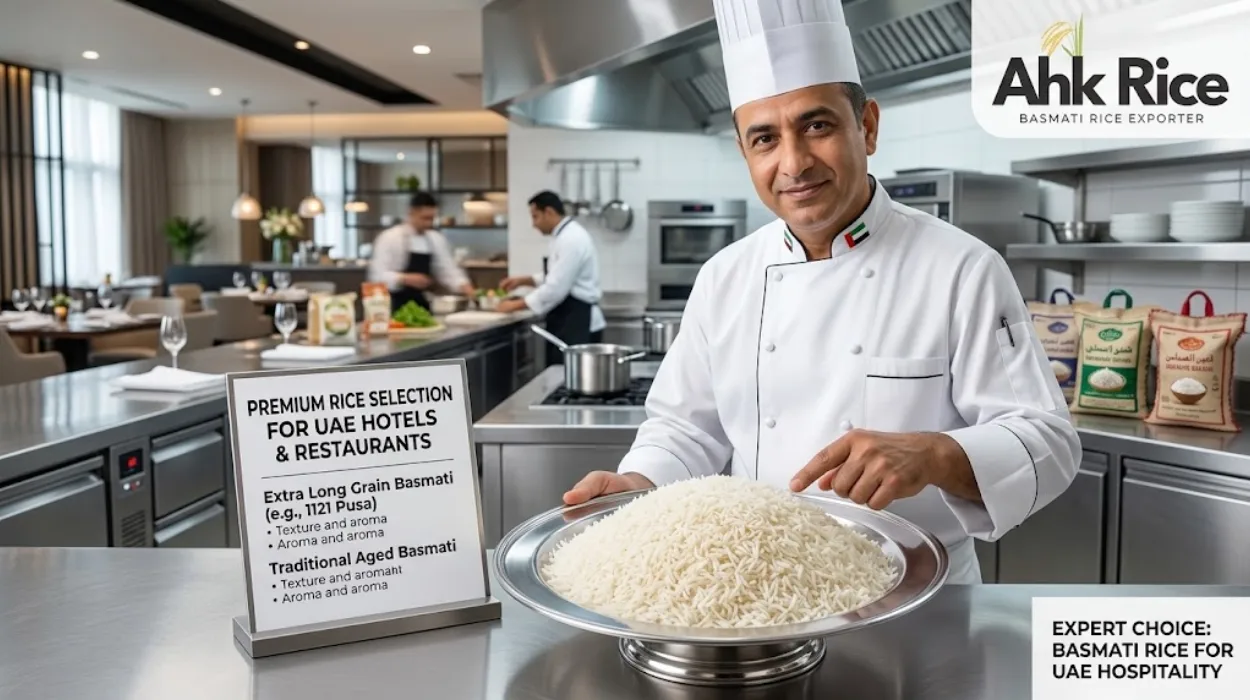
UAE hotels and restaurants use Sella and Steam Basmati rice according to their cooking methods, menu requirements and service volumes. Pakistani 1121, Super Kernel, and 1509 Basmati rice varieties serve different needs, including premium biryani, buffet service, restaurant meals, catering operations and cost-controlled bulk preparation.
Basmati rice is a long-grain aromatic rice traditionally associated with Pakistan and India. Pakistani Basmati is grown mainly in Punjab, where suitable soil, climate and water conditions support its distinctive aroma and grain characteristics.
The UAE foodservice industry includes luxury hotels, independent restaurants, South Asian dining outlets, catering companies and institutional kitchens. These businesses select rice based on cooked grain length, aroma, texture, consistency, purchase price and performance during holding.
Sella Basmati is parboiled before milling, while Steam Basmati is processed using steaming rather than the traditional parboiling process. Both types are used in commercial kitchens, but their cooking behaviour differs. Sella generally retains a firmer grain structure, while Steam offers a softer texture and familiar Basmati aroma when prepared correctly.
The right choice depends on the dish and kitchen workflow rather than a single variety being suitable for every UAE foodservice business.
How Does Basmati Rice Work in Commercial Kitchens?
Commercial kitchens select Basmati rice by matching grain characteristics and processing methods to recipes, cooking equipment and service schedules. Rice passes through inspection, washing, soaking when required, cooking, resting and controlled holding before service to maintain grain separation and texture.
Hotels and restaurants often prepare rice in large batches. Their kitchens need predictable water absorption, cooking time and cooked-grain consistency across repeated batches.
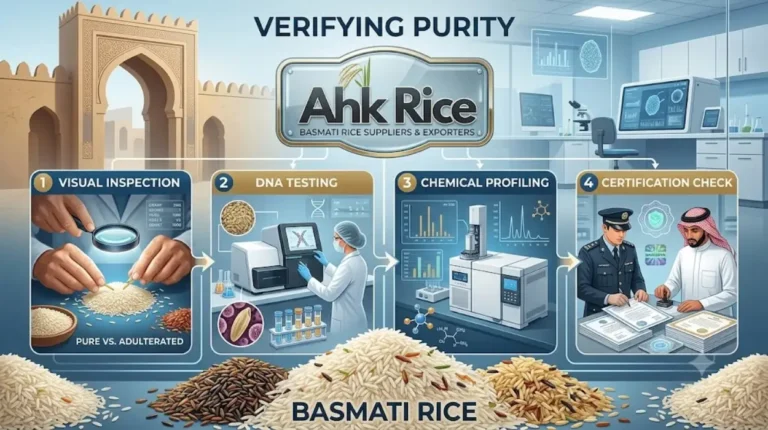
1. Raw grain inspection
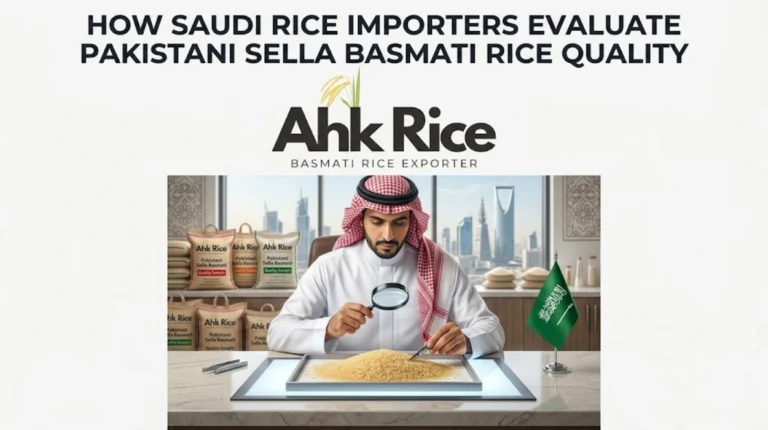
Kitchen purchasing teams assess grain length, broken percentage, colour, cleanliness and odour. Importers and distributors also review moisture levels, grade specifications and supplier documentation before accepting a shipment.
2. Washing and soaking
Washing removes surface starch and loose impurities. Soaking depends on the rice variety and recipe. Sella rice often benefits from controlled soaking, while Steam rice follows the preparation instructions established through kitchen testing.
3. Cooking
Chefs use measured water, suitable cookware and controlled heat. Large kitchens prepare rice in commercial pots, steamers or specialised rice-cooking equipment. Correct water ratios and cooking times help reduce uneven texture and broken grains.
4. Resting and holding
After cooking, rice rests to allow moisture to distribute through the grains. During buffet service, kitchens maintain appropriate hot-holding temperatures under their food-safety procedures and avoid excessive holding that dries the rice or damages its texture.
These steps matter because the same raw rice produces different results when soaking, water ratios, equipment and holding conditions change.
Which Basmati Rice Varieties Are Used by UAE Hotels and Restaurants?
UAE foodservice buyers source 1121, Super Kernel and 1509 Basmati in white, Steam and Sella processing options. Each variety offers different grain dimensions, aroma, cooking characteristics and cost considerations for restaurant menus, hotel buffets, banquet kitchens and catering contracts.
1121 Basmati Rice
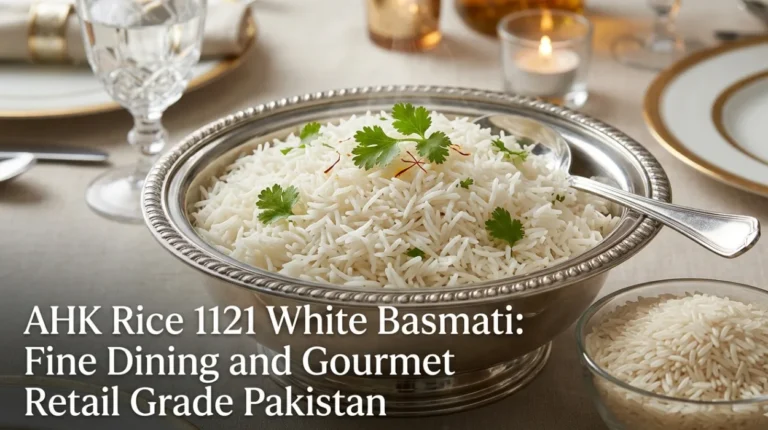
1121 Basmati is recognised for its long raw grain and substantial cooked-grain elongation. It suits premium biryani, banquet menus, wedding catering and hotel buffets where long, visually distinct grains form part of the presentation.
Buyers select 1121 Steam for its aromatic profile and cooking texture. Golden Sella and Creamy Sella options serve kitchens seeking parboiled rice with a firmer structure. Brown 1121 and broken grades serve more specialised menu and processing requirements.
Super Kernel Basmati Rice
Super Kernel is a traditional Pakistani Basmati variety valued for its aroma, flavour and characteristic grain structure. It suits South Asian restaurants, specialist rice dishes and foodservice businesses that prioritise familiar Pakistani Basmati qualities.
Its raw grain length commonly falls around 7.0–7.5 mm, depending on the grade and specification. Restaurants evaluate the cooked result, broken percentage and aroma before selecting a commercial grade.
1509 Basmati Rice
1509 is a shorter-duration Basmati variety associated with high agricultural yield and long raw grains. Its raw grain length commonly measures around 8.1–8.5 mm, depending on the specification.
UAE buyers use 1509 where grain presentation, supply economics and volume requirements align. Steam suits freshly prepared rice dishes, while Sella serves menus requiring firmer cooked grains. Final performance depends on processing, grade and kitchen technique.
What Is the Difference Between Sella and Steam Basmati Rice?
Sella rice is parboiled before milling, while Steam rice receives a steaming treatment during processing. Sella generally produces firmer grains that retain their structure during bulk preparation. Steam provides a different texture and aromatic profile, making kitchen trials essential.
Commercial comparison
| Feature | Sella Basmati | Steam Basmati |
|---|---|---|
| Processing | Parboiled before milling | Steam-treated during processing |
| Grain texture | Generally firm and separate | Generally softer, depending on grade |
| Common applications | Biryani, buffets, banquets | Restaurant meals, pulao, biryani |
| Bulk preparation | Suitable for planned large batches | Suitable for freshly cooked service |
| Selection priority | Grain integrity and holding performance | Aroma, texture and menu preference |
Golden Sella has a golden appearance associated with parboiling. Creamy Sella retains a lighter colour, depending on processing. Steam rice retains the visual characteristics associated with its particular white Basmati grade.
Neither processing type guarantees perfect grain separation. Water measurement, soaking, heat control, cooking load and holding duration influence the finished dish.
What Factors Matter When UAE HoReCa Buyers Select Basmati Rice?
UAE HoReCa buyers compare rice quality, cost per cooked serving, cooking consistency, supply reliability and food-safety documentation. Hotels assess buffet presentation and batch performance, while restaurants and caterers focus on recipe suitability, portion economics and repeatable results across daily service.
HoReCa refers to hotels, restaurants and catering businesses. Their purchasing decisions depend on operational requirements rather than grain length alone.
Key selection factors include:
- Grain length and elongation: Important for premium biryani and presentation-led menus.
- Broken percentage: Influences appearance, cooking consistency and the proportion of intact grains.
- Moisture content: Affects storage stability and cooking performance.
- Aroma and taste: Shape the eating experience and suitability for regional cuisines.
- Cooking yield: Determines the quantity of cooked rice produced from a measured quantity of raw rice.
- Price per serving: Connects the purchase price with portion size, cooking losses and customer expectations.
- Packaging and storage: Protect the product during transport, warehouse storage and kitchen handling.
- Supply consistency: Helps maintain the same recipe and menu quality across repeat orders.
For example, a luxury hotel serving premium biryani prioritises aroma, elongation and intact grains. A high-volume catering kitchen also calculates cooked yield, preparation time and cost per portion.
How Is Pakistani Basmati Rice Processed for UAE Importers?
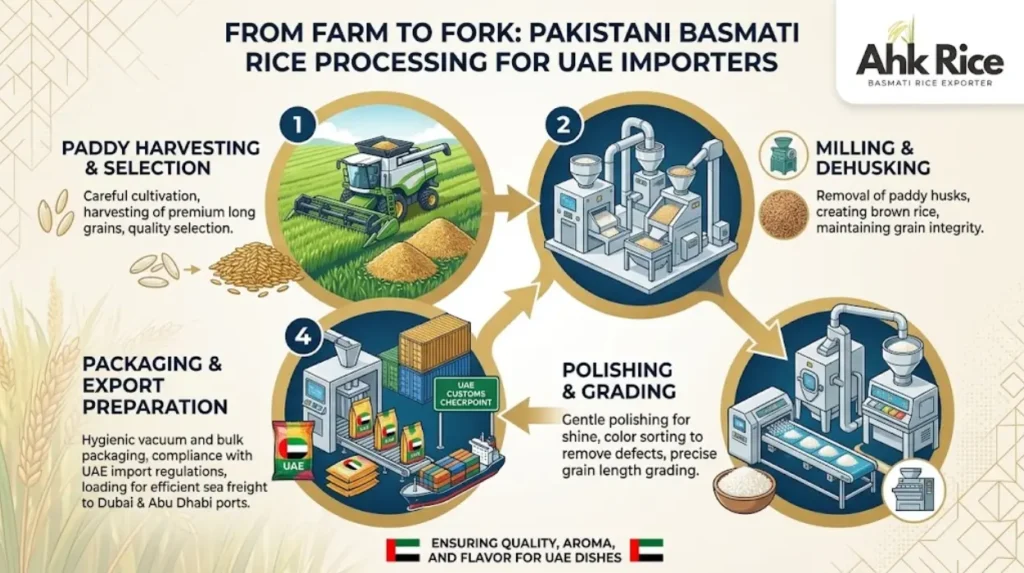
Pakistani Basmati moves from paddy procurement through cleaning, milling, grading, quality inspection and packaging before export. Export preparation also includes shipment documentation, buyer specifications and destination requirements, allowing importers to assess product identity, traceability and compliance before distribution.
Pakistan’s principal Basmati-growing areas include districts across Punjab, such as Hafizabad, Gujranwala, Sheikhupura, Narowal and Sialkot.
Commercial processing follows several stages:
- Paddy procurement: Rice mills source harvested paddy according to variety and quality requirements.
- Pre-cleaning: Screens and cleaning equipment remove straw, dust, stones and other foreign material.
- Dehusking: Milling equipment removes the outer husk from the paddy.
- Whitening or brown-rice preparation: Milling removes bran layers to produce white rice, while brown rice retains its bran.
- Length grading: Graders separate grain fractions according to size.
- Broken separation: Equipment separates broken grains to meet the agreed specification.
- Parboiling or steaming: The appropriate process is applied when producing the specified Sella or Steam product.
- Quality inspection: Checks cover applicable physical, chemical and food-safety requirements.
- Packaging: Rice is packed in agreed formats, such as 5 kg, 10 kg, 25 kg or 50 kg bags.
- Export preparation: The exporter coordinates shipping, commercial documents and any required inspection or certificates.
The final specification should identify the variety, processing type, broken percentage, moisture limit, packaging and agreed quality tolerances. These details help UAE importers compare quotations on an equivalent basis.
What Certifications and Import Requirements Apply to Basmati Rice in the UAE?
Basmati rice entering the UAE must satisfy applicable food import, safety, labelling and customs requirements. Importers verify product registration, required documentation, Arabic labelling and relevant inspection procedures. HACCP, ISO 22000 and halal documentation support particular assurance needs but do not replace mandatory UAE compliance.
UAE import requirements depend on the product, shipment route, applicable regulations and emirate-level procedures. Buyers and suppliers establish the documentation requirements before dispatch.
Important compliance areas include:
- Food safety: HACCP-based controls and ISO 22000 certification demonstrate food-safety management practices where applicable.
- Food labelling: Labels identify product name, country of origin, net weight, production date and expiry date, alongside other required information.
- Arabic information: UAE food-label requirements govern Arabic text and the acceptability of bilingual labels.
- Food registration: The importer completes applicable product-registration and consignment procedures with the relevant UAE authority.
- Laboratory testing: Risk-based or required testing addresses relevant contaminants, pesticide residues and other food-safety parameters.
- Shipment documentation: Commercial invoices, packing lists, certificates of origin and phytosanitary documents are supplied as applicable to the shipment and destination requirements.
GSO food-labelling standards and their applicable amendments form part of the regulatory framework. Importers should confirm the current requirements with the competent UAE authority before printing commercial packaging or shipping rice.
What Common Problems Affect Basmati Rice in Hotel and Restaurant Kitchens?
The main commercial problems are inconsistent cooking, excessive broken grains, unsuitable processing choices, poor storage and inaccurate cost calculations. Kitchens reduce these problems through supplier specifications, sample cooking tests, controlled preparation methods, suitable storage conditions and batch records that identify changes in rice performance.
Several misconceptions affect purchasing decisions.
Misconception 1: The longest raw grain always delivers the best result. Raw length alone does not establish cooked texture, aroma, breakage or suitability for a particular recipe. Buyers assess the complete specification and cooked sample.
Misconception 2: Sella never becomes sticky. Parboiling improves grain structure, but excess water, overcooking and rough handling still affect the final texture.
Misconception 3: Steam rice is unsuitable for bulk cooking. Steam Basmati works in commercial kitchens when its grade, cooking method and service schedule match the operation.
Misconception 4: The lowest price gives the lowest serving cost. A lower purchase price does not automatically produce a lower cost per portion. Cooking yield, waste, broken grains and portion size also matter.
Misconception 5: Dry storage alone prevents quality loss. Rice also needs protection from moisture, pests, contamination and excessive heat. Stock rotation and intact packaging help preserve quality.
How Should UAE Hotels and Restaurants Choose the Right Basmati Rice?
UAE foodservice operators should select Basmati through a controlled comparison of variety, processing type, cooked yield, holding performance and total serving cost. A representative sample cooked with the intended kitchen equipment provides practical evidence before buyers approve a grade for regular commercial supply.
A simple evaluation process helps purchasing teams make a consistent decision.
- Identify the menu, including biryani, pulao, buffet rice or banquet dishes.
- Compare 1121, Super Kernel and 1509 against the required grain appearance and aroma.
- Test Sella and Steam samples using the kitchen’s actual water ratios and equipment.
- Record cooking time, cooked yield, grain separation and texture after holding.
- Calculate cost per cooked portion rather than comparing purchase prices alone.
- Confirm quality specifications, packaging, documentation and delivery terms before ordering.
For a more detailed comparison of processing methods and commercial cooking performance, read the guide to choosing Sella or Steam Basmati rice for UAE HoReCa bulk cooking and holding time. Replace the placeholder destination with the published MOFU article URL.
Frequently Asked Questions
Which Basmati rice is commonly used for UAE hotel biryani?
Hotels use 1121, Super Kernel and 1509 Basmati in Steam or Sella forms. Selection depends on the desired grain length, aroma, texture and batch-cooking requirements.
Is Sella or Steam Basmati better for restaurant use?
Sella generally offers a firmer grain structure, while Steam provides a different texture and aromatic profile. The suitable option depends on the recipe, preparation method and service schedule.
Do UAE restaurants use Pakistani Basmati rice?
Yes. Pakistani Basmati serves UAE retail and foodservice markets. Varieties such as 1121, Super Kernel and 1509 suit different menu and purchasing requirements.
Which Basmati rice is suitable for bulk catering?
1121 Sella, 1509 Sella and other commercially graded varieties serve bulk catering operations. Buyers should compare cooking yield, grain integrity, holding performance and cost per portion.