Nigeria 3.4M Ton Rice Imports Shake Global Market
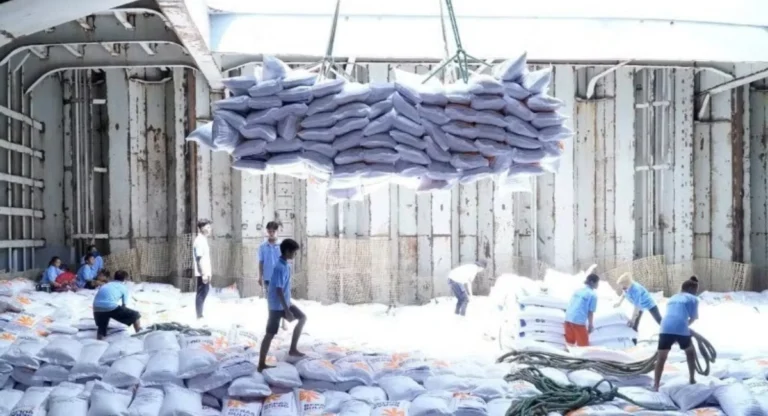
Nigeria’s rice import requirement of 3.4 million tonnes highlights a widening structural gap in domestic food production and consumption. For the global rice market, this signals sustained demand from Sub-Saharan Africa, even as countries attempt to achieve self-sufficiency.
Despite policy efforts to restrict imports and promote local production, Nigeria remains heavily dependent on international suppliers. This dependency strengthens global trade flows from major exporters such as India, Thailand, Vietnam, and increasingly Pakistan—creating significant opportunities for Pakistan rice exports and Basmati rice positioning in price-sensitive African markets.
For international rice importers and wholesalers, Nigeria’s consumption pattern reflects a broader trend: demand growth is outpacing agricultural productivity in many developing economies.
Why is Nigeria still dependent on imported rice despite self-sufficiency goals?
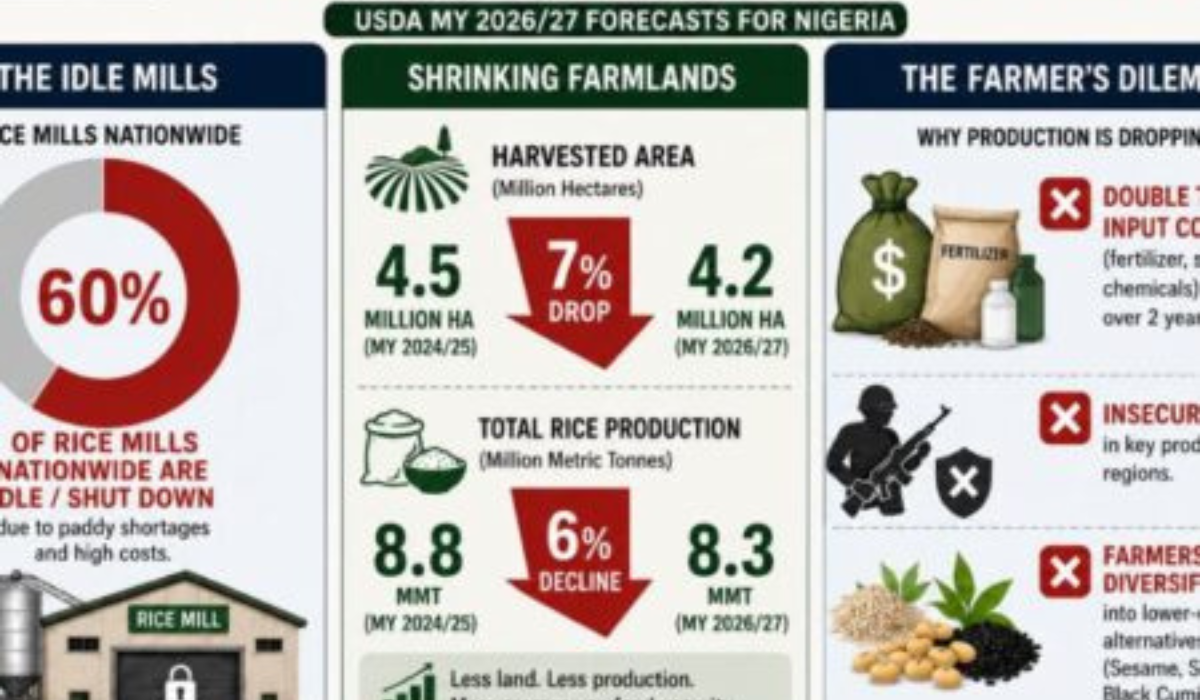
Nigeria’s reliance on imported rice is driven by multiple structural challenges. Although domestic production is estimated at around 7 million metric tonnes, consumption demand reaches approximately 10.5 million tonnes, creating a 3.5 million-tonne deficit.
Key constraints include:
- High input costs for fertilizers and agrochemicals
- Insecurity in major rice-producing regions
- Underutilized milling capacity (with many mills operating below capacity)
- Smuggling through porous borders
- Policy inconsistencies in tariffs and import restrictions
Even with anti-smuggling enforcement by customs authorities, informal rice inflows continue to distort local pricing and supply chains. This weakens the competitiveness of local rice producers while keeping Nigeria structurally dependent on global rice trade.
How will rising imports affect Pakistan rice exports and Basmati rice demand?
For Pakistan rice exporters, Nigeria’s rising import demand is a critical market signal. As price gaps narrow between local and imported rice, African buyers increasingly evaluate value, quality consistency, and logistics efficiency.
Pakistan’s Basmati rice and non-Basmati varieties are well-positioned due to:
- Competitive pricing against Thai and Indian white rice
- Strong milling and export standards
- Established trade relationships in West Africa
- Growing demand for long-grain aromatic rice in urban markets
However, intensified competition from India and Thailand means exporters must focus on differentiation, contract stability, and supply reliability. For AHK Rice, this reinforces the importance of strengthening long-term partnerships with rice importers and distributors in Africa.
What are the implications for global rice prices, logistics, and supply chains?
Nigeria’s import dependency adds upward pressure on global rice demand, particularly in a market already influenced by climate variability, export restrictions, and freight volatility.
Key implications include:
- Global rice prices: Increased African demand supports price stability in major exporting countries despite periodic oversupply concerns
- Supply chains: Longer procurement cycles as importers diversify sourcing across Asia
- Logistics: Higher shipping demand from South Asia to West Africa, increasing container utilization rates
- Freight costs: Volatility in maritime logistics due to route concentration and seasonal demand spikes
For the global rice industry, these dynamics reinforce the importance of efficient supply chain planning and diversified sourcing strategies for rice importers.
How do tariffs, smuggling, and policy shifts reshape rice trade flows?
Nigeria’s rice market is heavily influenced by policy intervention and informal trade channels. Recent tariff reductions on rice imports, combined with continued smuggling through land borders, are reshaping trade flows in unexpected ways.
Key developments include:
- Reduced import duties improving official trade competitiveness
- Smuggling undermining formal customs revenue systems
- Policy alignment with regional trade frameworks (ECOWAS, AfCFTA)
- Continued pressure on domestic producers due to low-cost imports
This dual-track system—formal imports and informal inflows—creates pricing instability. For exporters, it means pricing strategies must account for both official market channels and grey-market competition.
What opportunities emerge for rice importers and distributors in Africa?
Despite challenges, Nigeria’s rice market presents significant opportunities for international rice importers and distributors:
- Rising urban consumption driving consistent demand
- Price-sensitive consumers increasing demand for mid-range rice varieties
- Expansion of retail distribution networks
- Strong demand for 5kg–50kg packaging formats
- Long-term structural deficit ensuring recurring import needs
For exporters in Pakistan, this environment supports scalable growth in both branded and bulk rice shipments. Efficient logistics and consistent grain quality will remain key competitive advantages.