Climate Grants Reshape Global Rice Trade and Inclusion
The latest funding initiative by the CGIAR Climate Action, which awarded six research grants to deepen gender equality and social inclusion (GESI), is not just a social development milestone—it carries significant implications for the global rice sector, including Pakistan rice exports and long-term food trade stability.
Rice is one of the most climate-sensitive staple crops in the world. From water-intensive paddy cultivation to vulnerability to floods, droughts, and heat stress, the rice value chain is directly exposed to climate risks. By focusing on inclusive adaptation and equitable climate finance, these grants are shaping how future rice production systems will be designed, financed, and traded globally.
For international buyers and distributors, this signals a gradual shift toward a more sustainability-driven global rice market, where inclusion and climate resilience will increasingly influence sourcing decisions.
How could these grants influence global rice production systems?
Several of the funded projects are directly linked to rice systems through the International Rice Research Institute. These initiatives aim to integrate social equity into climate-smart agriculture, particularly in rice-growing regions of Asia and Africa.
For example, projects in Uganda and India are testing carbon-market-linked rice systems and empowerment measurement tools. The “MRV+” approach in Uganda expands monitoring frameworks beyond carbon to include social and economic equity indicators. This has direct implications for climate-smart rice certification and carbon credit-based rice farming models.
For exporters like AHK Rice, such frameworks could eventually redefine compliance standards in global rice trade, particularly for premium segments such as Basmati rice. Buyers in Europe, the Middle East, and North America are increasingly prioritizing traceability, sustainability, and ethical sourcing in procurement decisions.
What does this mean for rice trade and pricing dynamics?
The introduction of equity-driven climate financing and inclusive adaptation models is likely to reshape cost structures in rice production over the medium term.
Key impacts include:
- Higher compliance requirements: Farmers may need to adopt MRV systems for carbon and social metrics, increasing initial production costs.
- Better yield stability: Climate-resilient practices supported by these grants could reduce long-term supply shocks.
- Price differentiation: Sustainable and certified rice may command premium pricing in international markets.
For the global rice market, this creates a dual-track pricing structure: conventional rice remains volume-driven, while climate-certified rice gains value in high-income importing regions.
Pakistan rice exporters, particularly those dealing in premium Basmati rice, may benefit from early adoption of sustainability-linked certification systems, enhancing competitiveness in structured procurement markets.
How will climate finance reshape rice supply chains and logistics?
One of the most impactful dimensions of the grants is their focus on climate finance and agricultural risk systems. Research by the International Food Policy Research Institute explores how digital credit scoring, satellite data, and insurance mechanisms influence lending decisions in agriculture.
This is particularly relevant for rice supply chains, where financing constraints often limit smallholder productivity. Improved access to climate-linked credit could:
- Strengthen upstream paddy procurement systems
- Improve storage and milling investments
- Reduce post-harvest losses
- Stabilize export-grade rice supply chains
For exporters, this translates into more reliable sourcing networks, especially in regions vulnerable to climate shocks such as South Asia and West Africa.
Can inclusive climate innovation affect rice export competitiveness?
Yes—indirectly but significantly. Projects led by organizations like the International Livestock Research Institute and International Institute of Tropical Agriculture emphasize locally-led adaptation and gender-inclusive climate services.
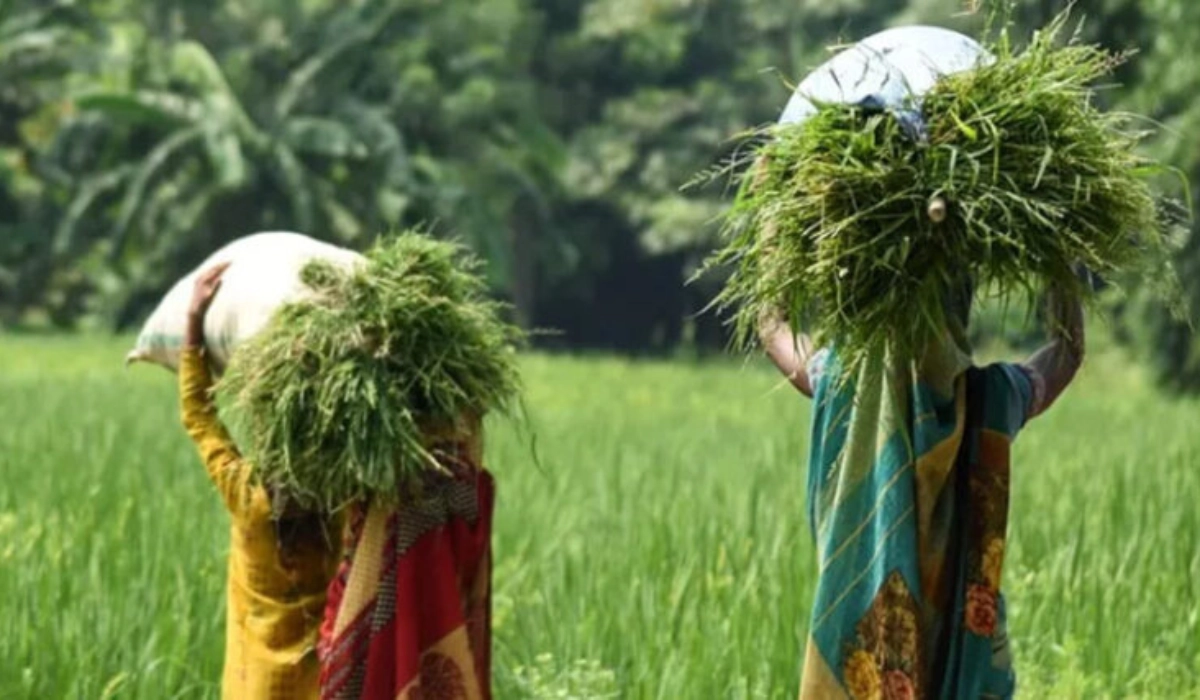
In rice-producing economies, women play a critical role in transplanting, harvesting, and post-harvest processing. When these groups gain better access to climate information services, adaptation tools, and financial inclusion, productivity improves across the value chain.
For exporters such as Pakistan rice exporters, this means:
- More stable farm-level output
- Improved grain quality consistency
- Reduced seasonal volatility
- Stronger long-term export contracts
In the global rice trade, reliability is as important as price. Inclusive climate systems help reduce uncertainty, which is a major advantage for exporters competing in high-volume international markets.
How might these developments affect the future of Basmati rice exports?
Basmati rice, a premium segment of Pakistan rice exports, is particularly sensitive to branding, traceability, and sustainability narratives. As climate-linked funding increasingly emphasizes equity and resilience, importers may begin to demand:
- Carbon footprint disclosures
- Social inclusion metrics in sourcing
- Climate adaptation certifications
- Digital traceability systems
This aligns with evolving procurement standards in global food retail and institutional buying. Exporters who integrate these requirements early will be better positioned in long-term contracts and premium markets.