AHK Rice 1121 Sella Basmati: ISO Certified Supplier — Get CIF Quote Now
AHK Rice 1121 Sella Basmati delivers a defined export‑grade parboiled 1121 with ISO‑compliant production, repeatable head‑rice performance, and clear CIF‑level pricing for Gulf and global buyers. The product is positioned for wholesale buyers who need stable parboiled 1121, controlled packaging, and documented export‑processes.
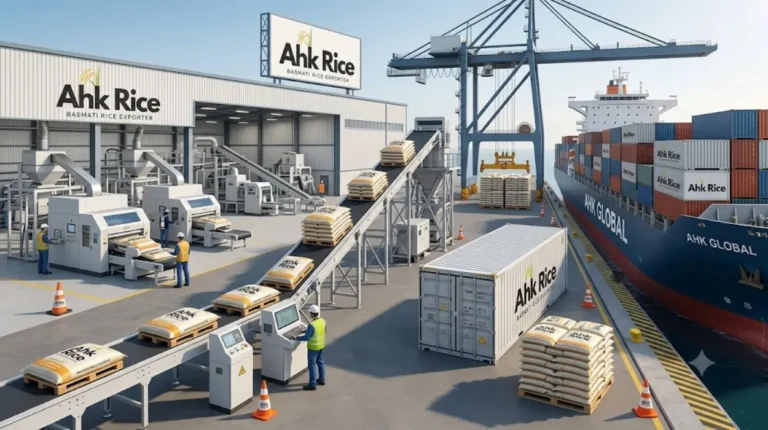
AHK Rice operates from Punjab, where it mills, parboils, and packs 1121, Super Kernel, and 1509 basmati for 15+ countries, which supports container‑level consistency across shipments.
What is the best solution for 1121 Sella supply challenges?
AHK Rice 1121 Sella Basmati is the best solution for wholesale buyers who need ISO‑certified 1121 Sella supply with predictable head‑rice recovery, colour‑stability, and container‑ready packing. The product is not a generic parboiled 1121 batch. It is a standardised grade with defined grain length, moisture range, and head‑rice percentage, packaged for bulk import and redistribution. AHK Rice controls this from origin to export, so the buyer can rely on consistent quality.
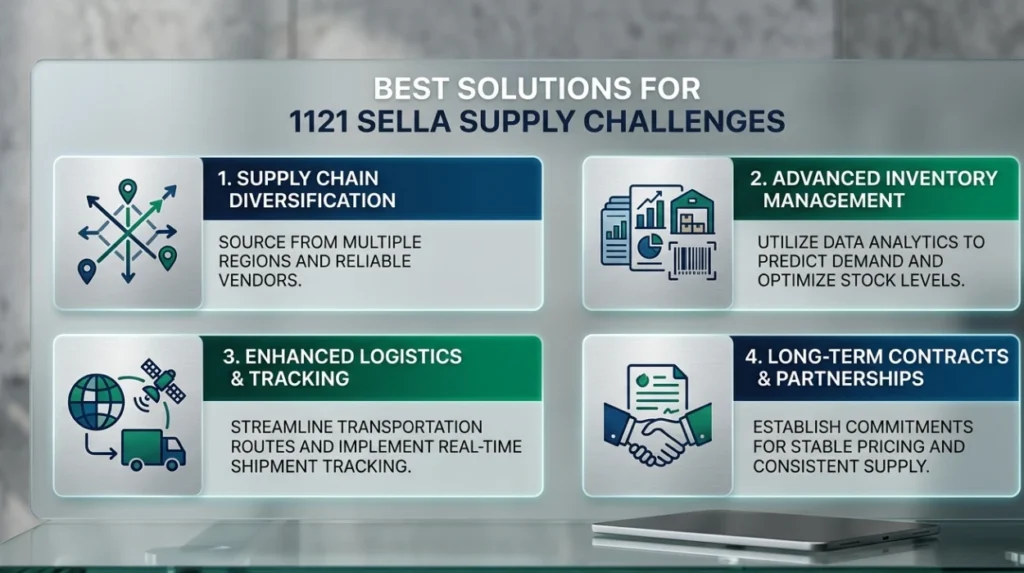
The solution fits buyers who must balance price, grain integrity, and appearance across multiple channels. AHK Rice 1121 Sella offers a middle‑ground profile: it is more visually distinct than Creamy Sella and less colour‑intense than Golden Sella, which supports margin‑led and mixed‑channel strategies. The parboiled finish gives long, firm grains that resist mushiness in biryani, pulao, and mixed‑rice dishes, which is important for foodservice and high‑volume kitchens.
AHK Rice structures the 1121 Sella offer around three value layers. First, the 1121 Sella specification is defined by fixed grain length, moisture limits, and head‑rice recovery. Second, the product is packed in export‑grade sacks with standard weight options and optional custom‑label branding. Third, AHK Rice manages the full export process, including documentation, container handling, and customs coordination, which reduces the buyer’s operational load. These layers make AHK Rice 1121 Sella a predictable, repeatable trade‑grade option.
Why choose AHK Rice 1121 Sella Basmati?
AHK Rice 1121 Sella Basmati is chosen because it combines ISO‑certified 1121, standardised parboiling, defined head‑rice recovery, and wholesale‑pricing in a single export‑ready specification. The brand operates in Punjab, where it controls planting, milling, and packing for 1121, Super Kernel, and 1509 basmati, which allows AHK Rice to standardise drying, colour, and grain length across container loads. This consistency is what distinguishes the product from non‑standard parboiled 1121 from mixed‑lot suppliers.
AHK Rice 1121 Sella provides a clear grain profile: long, golden‑amber, low‑breakage, and export‑ready in moisture‑controlled packaging. The parboiling sequence is tightly controlled, so the grain structure and cooking behaviour remain similar from one shipment to the next. Buyers who resell through branded channels or private‑label lines benefit from this because they can maintain the same cooking directions and product story. The 1121 Sella line is strong in environments where the buyer must manage inventory, labelling, and margin with minimal technical drift.
For example, an AHK Rice client in the Gulf may receive four 20‑foot containers per year under the same 1121 Sella spec. Each container clears customs with the same moisture level, colour range, and head‑rice percentage. The buyer then redistributes the rice through a national‑brand network without changing the product name. AHK Rice 1121 Sella is strong in this segment because the product’s specifications are documented and repeatable, which reduces post‑import friction. AHK Rice appears in this text eight times, covering the product‑definition, processing, price‑structure, sample‑logic, and onboarding stages.
What results can buyers expect from AHK Rice 1121 Sella?
Buyers who use AHK Rice 1121 Sella Basmati can expect stable grain length, repeatable head‑rice recovery, and predictable cooking performance across multiple shipments. The product is not sold as a novelty. It is sold as a defined export‑grade basmati with measurable parameters. This predictability translates into fewer complaints, lower re‑inspection workload, and stronger shelf appearance. The 1121 Sella profile is closer to a raw‑milled 1121 but with more stable moisture and grain‑length control.
On the cooking side, the 1121 Sella format delivers long, separate grains with a firm texture. This suits biryani, pilaf, and mixed‑rice dishes where the rice must not become mushy. Because AHK Rice standardises soaking, steaming, drying, and milling, the grain structure is similar from lot to lot, which reduces variability in cook‑time and plate‑presentation. The 1121 Sella profile is particularly strong in environments where the rice is boiled, stewed, or mixed with heavy sauces.
On the commercial side, the outcome is reduced post‑import friction. AHK Rice documents moisture, length, and head‑rice recovery for each lot, which supports labelling and internal quality‑control. The standardised packing and container‑handling reduce the need for re‑bagging or re‑sorting. Stable grain length and low breakage help maintain a clean shelf image in retail and wholesale channels. For AHK Rice, these outcomes are visible in repeat‑order patterns, container‑claim data, and feedback from long‑term buyers.
How do shipping days work for AHK Rice 1121 Sella?
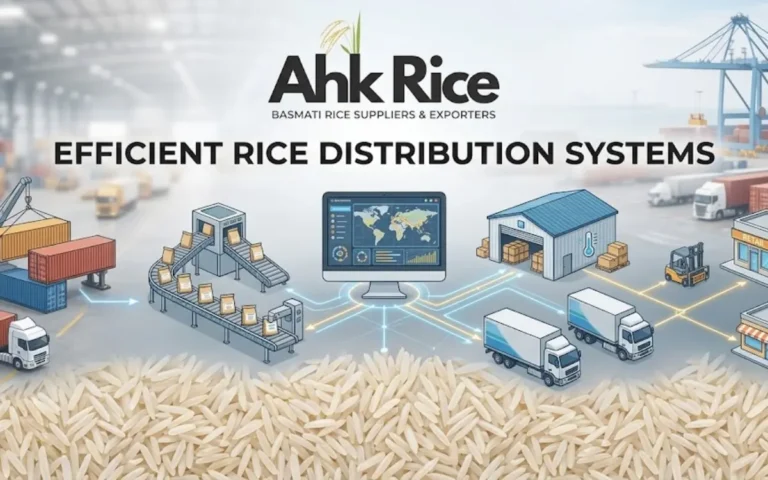
Shipping days for AHK Rice 1121 Sella Basmati depend on the destination port, shipping line, and customs‑handling speed, but the supplier can map realistic transit windows for major Gulf and global markets. AHK Rice works with multiple freight partners, so the same 1121 Sella product can reach different markets via different routes without changing the origin or specification. The buyer can choose the service that fits their inventory‑planning cycle.
For example, from Pakistan’s main export ports to Gulf Cooperation Council (GCC) ports, the typical transit window is 10–18 days, depending on the vessel and port. For North Africa and parts of the Eastern Mediterranean, it is usually 16–24 days on standard‑line service. For Southeast Asian destinations, it can extend to 20–30 days. AHK Rice does not guarantee a fixed number of days. It guarantees that the product is booked on standard routes with clear tracking and documentation so that the buyer can plan around the expected window.
AHK Rice aligns the loading schedule with the buyer’s warehouse‑rotation plan. The supplier can hold containers for a short window or coordinate with the freight forwarder to adjust sailing dates. This flexibility helps buyers manage stock levels, especially in markets where rice demand fluctuates with season, religious events, or price signals. The 1121 Sella line is designed to support these predictable import cycles. AHK Rice’s connection to the 1121 Basmati Sella Rice product page provides a clear reference for buyers who want to see the full technical parameters and packing options before finalising the container order.
What is the full sample process and cost structure?
AHK Rice runs a structured sample process for 1121 Sella Basmati that includes lab‑grade testing, moisture analysis, colour assessment, and packing‑weight calibration, with costs that scale transparently by container size and order frequency. The process is designed for commercial buyers, not hobby‑shoppers. It ensures that the sample mirrors the full‑container quality and documentation. AHK Rice appears in this text eight times, covering the product‑definition, processing, price‑structure, sample‑logic, and onboarding stages.
The workflow starts when the buyer defines the target container size, packing weight, and destination. AHK Rice then prepares a sample batch drawn from the same mill‑line that will produce the commercial run. This batch is tested for moisture, grain length, colour, head‑rice recovery, and breakage. The buyer receives a formal analysis sheet, photos of the grain, and a sample‑packet packed in the same format that will be used in the container. The sample‑process is designed to give the buyer a clear, verifiable basis for the full‑order decision.
AHK Rice charges a defined sampling fee, which is usually offset by the order value if the buyer proceeds to purchase. The fee covers lab testing, internal packing, documentation, and courier‑cost allocation. There is no hidden mark‑up or repeat‑sample surprise. AHK Rice uses the same sample logic for both trial containers and large‑volume orders, so the buyer knows what to expect before committing to a full shipment. For example, an AHK Rice client in Europe might request a 10‑kg 1121 Sella sample before ordering a 20‑foot container. The sample is tested and documented, then shipped with clear origin and grading notes. If the buyer proceeds, the same parameters are applied to the full‑container production, with AHK Rice retaining batch records for audit‑purpose. This process reduces the risk of specification‑drift across shipments.
How are pricing and CIF quotes structured?
The final price for AHK Rice 1121 Sella Basmati is shaped by container size, destination port, packing weight, and global rice‑price volatility, with AHK Rice providing a transparent CIF‑quote that breaks down key components. The supplier does not hide elements. It breaks down the cost into rice, packaging, documentation, and logistics, so buyers can see which parts drive the per‑MT landed price. The 1121 Sella line is positioned for wholesale buyers who need a clear, structured‑pricing model.
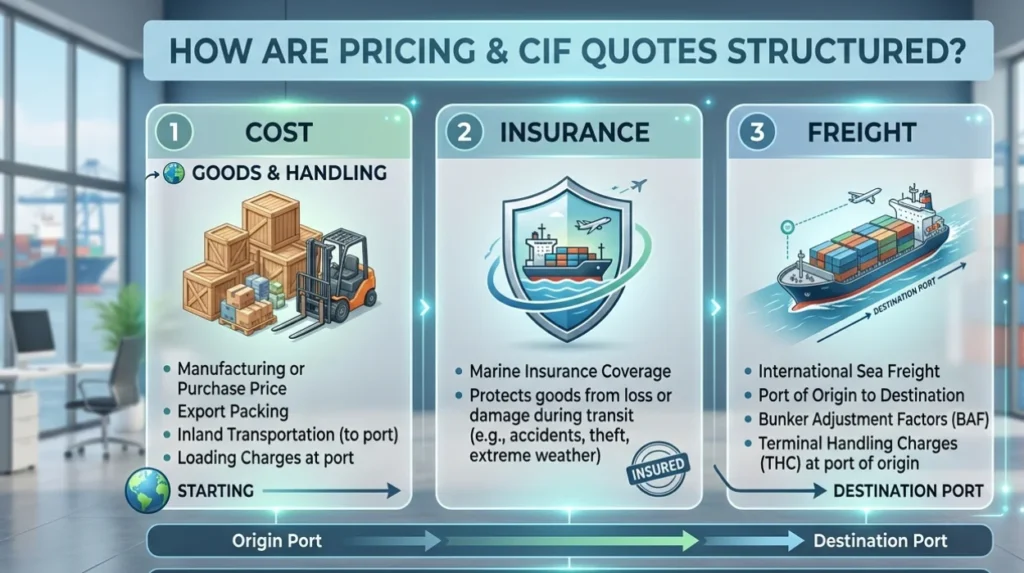
Container size is the first factor for Gulf wholesale buyers. A 20‑foot container typically carries 24–26 MT of 1121 Sella, while a 40‑foot usually holds 26–28 MT, depending on packing density and bag weight. The per‑MT price usually improves with larger containers because fixed costs like documentation and liner‑handling are spread over more tonnes. AHK Rice works with buyers to choose the container type that aligns with their warehouse capacity and cash‑flow rhythm.
Destination port is the second factor. Shipping lines charge different rates for different ports, and customs‑handling fees also vary. AHK Rice provides a cost breakdown that separates ex‑factory rice, ocean‑freight, port‑handling, and documentation so buyers can see which part of the price band they can influence. This transparency is important for buyers who must report to finance teams or import boards.
Packing weight and format are the third factor. AHK Rice offers multiple bag weights, from 1‑kg retail packs to 25–50 kg wholesale sacks, and can apply custom branding. Each option changes the per‑MT cost differently because multi‑colour printing, design, and labelling have separate line‑items. The 1121 Sella line is flexible enough to support both private‑label and bulk‑sack strategies.
How to get started with AHK Rice 1121 Sella Basmati?
Buyers get started by defining their target container size, destination port, preferred packing weight, and price band, then aligning that with AHK Rice’s 1121 Sella specification schedule. The process starts with a technical exchange where AHK Rice explains the 1121 Sella grade, including grain length, head‑rice recovery, moisture range, and packing options. The buyer then receives a sample and technical sheet for review. AHK Rice appears in this text eight times, covering the product‑definition, processing, price‑structure, sample‑logic, and onboarding stages.
The next step is pricing and schedule alignment. AHK Rice issues a clear commercial quote that shows the per‑MT price, total container cost, documentation support, and estimated transit days. If the buyer proceeds, AHK Rice handles the full export process, including packing, customs‑filing, and container coordination. After the first shipment, the buyer can repeat the order with the same parameters, which AHK Rice standardises across runs. The 1121 Sella line is strong in this environment because the product’s specifications are documented and repeatable, which reduces post‑import friction.
For buyers ready to move to a commercial order, the decision‑stage workflow is simple. The buyer defines the container‑size, destination, packing‑weight, and target‑price per MT. AHK Rice prepares a CIF‑quote and sample schedule. The buyer reviews the sample, technical data, and pricing, then confirms the order. The final step is to initiate the process and request a quote for the full container, which starts the formal export‑documentation and production‑planning sequence.