Is 1509 Basmati Rice the Best Value-for-Money Export Grade?
Yes. 1509 Basmati Rice delivers the strongest balance of grain quality, export price, yield, and market acceptance among Pakistani Basmati grades. Here is why: 1509 offers long grains, competitive pricing, high milling recovery, and broad demand across Africa, the Middle East, and Asia. These characteristics reduce procurement costs while maintaining consumer appeal.
Importers rarely choose rice based on grain length alone. Buyers compare landed cost, shelf life, cooking performance, consumer preference, and supply consistency. These factors determine long-term profitability.
The growing popularity of 1509 Basmati Rice reflects this shift. Buyers who first learn about Pakistani Basmati production through resources such as understanding how 1509 Basmati is cultivated, milled, and graded often evaluate whether it offers better value than traditional export grades.
AHK Rice exports 1509 Basmati Rice alongside 1121 Basmati and Super Kernel Basmati. AHK Rice manages cultivation partnerships, milling, grading, packaging, inspection, documentation, and shipping from Punjab, Pakistan. This experience provides direct visibility into how different grades perform across international markets.
What are the available export-grade Basmati rice solutions?
The primary export solutions are 1509 Basmati, 1121 Basmati, Super Kernel Basmati, Steam Rice, Golden Sella Rice, White Rice, and Creamy Sella Rice. Each solution serves different buyer priorities involving budget, appearance, shelf life, and cooking performance.
Export-grade Basmati rice refers to rice that meets international specifications for grain length, purity, moisture, foreign matter, and cooking characteristics.
1509 Basmati Rice
1509 Basmati is a modern variety developed to improve yield and affordability. The grain length typically ranges between 8.20–8.40 mm before cooking. The variety expands significantly after cooking and remains economical for importers.
1121 Basmati Rice
1121 Basmati is recognized for extra-long grains. The grain length typically ranges between 8.30–8.50 mm. Premium retail and hospitality sectors often prefer this grade.
Super Kernel Basmati Rice
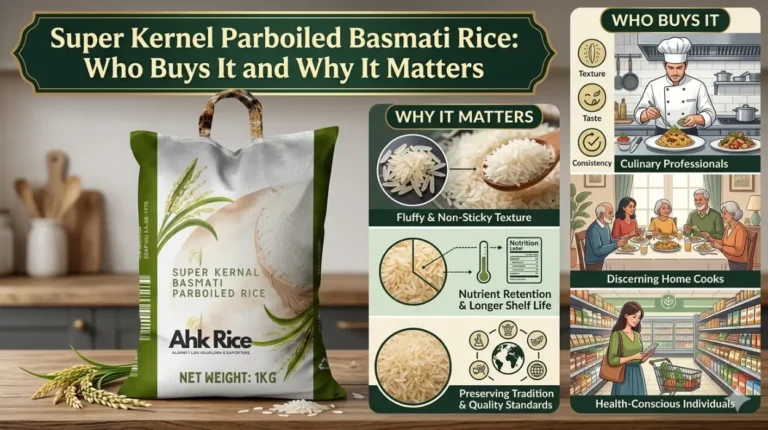
Super Kernel Basmati is a traditional aromatic variety. Buyers select it because of its fragrance profile and established consumer recognition.
Processing Options
Exporters process these varieties into several forms:
- White Rice
- Steam Rice
- Golden Sella Rice
- Creamy Sella Rice
- Brown Rice
Different processing methods create different shelf-life, appearance, and pricing outcomes.
With the available solutions defined, the next question is how these grades compare in measurable commercial terms.
How does 1509 Basmati Rice compare with other export grades?
1509 Basmati provides the lowest procurement cost among premium Basmati varieties while maintaining long grain appearance, strong cooking performance, and broad market acceptance. 1121 offers greater grain length, while Super Kernel offers stronger aroma.
Specification Comparison Table
| Attribute | 1509 Basmati | 1121 Basmati | Super Kernel Basmati |
|---|---|---|---|
| Average Grain Length | 8.20–8.40 mm | 8.30–8.50 mm | 7.20–7.60 mm |
| Grain Appearance | Long | Extra Long | Medium Long |
| Aroma Strength | Moderate | Moderate | Strong |
| Milling Yield | High | Medium | Medium |
| Export Price Range | Lower | Higher | Medium |
| Cooking Elongation | Excellent | Excellent | Good |
| Market Reach | Very Broad | Premium Markets | Traditional Markets |
Price per MT Comparison
Export pricing varies according to processing type, broken percentage, crop conditions, and freight costs.
| Grade | Typical Export Position |
|---|---|
| 1509 White Rice | Most economical |
| 1509 Steam Rice | Low to medium |
| Super Kernel Steam | Medium |
| 1121 Steam Rice | Medium to high |
| 1121 Golden Sella | Premium |
A buyer importing 5,000 MT annually can reduce procurement expenditure significantly by selecting 1509 instead of premium 1121 specifications.
Shelf Life Comparison
| Grade Type | Typical Shelf Life |
|---|---|
| White Rice | 12–18 months |
| Steam Rice | 18–24 months |
| Golden Sella Rice | 24 months+ |
Golden Sella lasts longer than Steam Rice. In hot warehouse conditions exceeding 40°C, Golden Sella maintains stability longer. Steam Rice remains suitable for faster inventory turnover.
For catering distributors in Gulf countries, Golden Sella often becomes the preferred specification. For retail importers with rapid sales cycles, Steam Rice frequently offers better value.
With specifications compared, the next question becomes which markets actively purchase these grades.
Which export markets prefer 1509 Basmati Rice?
West African and Middle Eastern markets frequently prefer 1509 Basmati because it combines affordability with premium visual characteristics. Premium retail channels often select 1121, while traditional aromatic segments continue purchasing Super Kernel.
Middle East Market Preferences
Countries across the Gulf region import substantial volumes of Pakistani Basmati Rice.
Preferred grades include:
- 1509 Golden Sella
- 1509 Steam Rice
- 1121 Golden Sella
- 1121 Steam Rice
Middle Eastern buyers prioritize:
- Long grain appearance
- High elongation
- Shelf stability
- Bulk catering performance
1509 Golden Sella satisfies these requirements while controlling procurement costs.
African Market Preferences
Many African importers focus on value-driven purchasing decisions.
Preferred grades include:
- 1509 White Rice
- 1509 Steam Rice
- Broken Basmati grades
African buyers often prioritize:
- Competitive landed cost
- Consistent availability
- Reliable cooking performance
1509 performs strongly because it balances these requirements.
Regional Preference Comparison
| Region | Preferred Grade | Main Buying Factor |
|---|---|---|
| Gulf Countries | 1509 Golden Sella | Shelf life |
| Saudi Catering | 1509 Steam | Cost efficiency |
| West Africa | 1509 White | Affordability |
| Premium Retail Markets | 1121 Steam | Grain length |
| Traditional Basmati Markets | Super Kernel | Aroma |
Market demand explains why 1509 performs well globally, but buyers still need a framework for choosing the correct grade.
Which method works best for different importing cases?
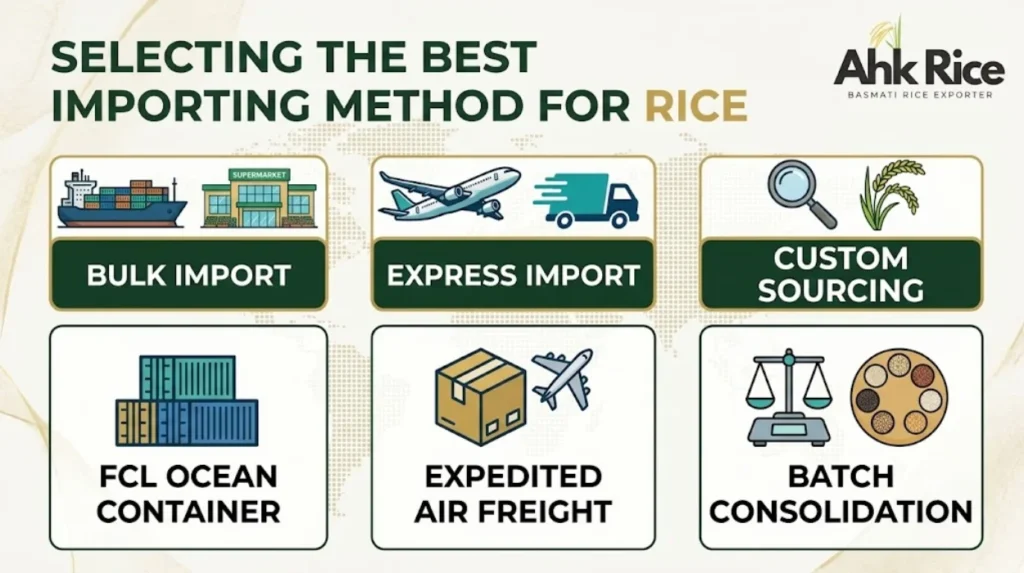
1509 works best for cost-focused importers, 1121 works best for premium retail positioning, and Super Kernel works best for aroma-focused markets. Selection depends on customer expectations, inventory strategy, and pricing targets.
Decision Framework Table
| Buyer Situation | Recommended Grade | Reason |
|---|---|---|
| Budget-focused wholesaler | 1509 White Rice | Lowest procurement cost |
| Catering distributor | 1509 Steam Rice | Balanced cost and quality |
| Long-storage importer | 1509 Golden Sella | Extended shelf life |
| Premium supermarket chain | 1121 Steam Rice | Premium appearance |
| Traditional aromatic retailer | Super Kernel Rice | Strong fragrance |
Example 1: African Distributor
A distributor selling through wholesale channels benefits from 1509 White Rice. The grade offers strong consumer acceptance while maintaining competitive pricing.
Example 2: Gulf Catering Company
A catering operator benefits from 1509 Steam Rice. The rice cooks consistently and performs well in large-scale food preparation.
Example 3: Premium Retail Brand
A premium retail brand benefits from 1121 Steam Rice. The extra-long grain creates stronger shelf appeal.
Buyer requirements determine the correct specification, which leads naturally to evaluating advantages and disadvantages.
What are the pros and cons of 1509 Basmati Rice?
1509 Basmati offers strong value, high yield, broad availability, and export flexibility. Its primary limitation is that premium markets may prefer the longer grain appearance of 1121 or the stronger aroma of Super Kernel.
Advantages
- Lower procurement cost
- High milling recovery
- Broad market acceptance
- Excellent cooking elongation
- Consistent availability
- Multiple processing options
1509 supports competitive retail pricing without sacrificing the visual characteristics consumers expect from Basmati rice.
Disadvantages
- Less prestigious than 1121
- Lower aroma intensity than Super Kernel
- Reduced premium positioning opportunities
Luxury retail brands often prefer 1121 because the longer grain strengthens perceived value.
Practical Example
A Gulf importer targeting hotels may achieve higher margins using 1509 Steam Rice.
A luxury retail chain targeting affluent consumers may achieve better branding results using 1121 Steam Rice.
These advantages and limitations reveal the factors buyers should evaluate before placing orders.
What decision factors should importers evaluate before selecting a grade?
Importers should evaluate target market expectations, price sensitivity, shelf life requirements, packaging strategy, and inventory turnover before choosing a Basmati rice grade. These factors directly influence profitability and customer satisfaction.
Target Consumer
Consumer expectations determine grade selection.
Retail buyers often prefer premium grain appearance.
Foodservice buyers often prioritize cost efficiency.
Storage Conditions
Storage duration affects processing selection.
Golden Sella performs best for extended storage.
Steam Rice performs best for faster distribution cycles.
Price Positioning
Budget-focused markets respond positively to 1509.
Premium retail markets often justify the additional cost of 1121.
Packaging Strategy
Different packaging formats support different channels.
Common export formats include:
- 1 kg retail bags
- 5 kg retail bags
- 10 kg retail bags
- 25 kg PP bags
- 40 kg PP bags
- 50 kg PP bags
Supply Reliability
Supply consistency matters more than short-term price fluctuations.
AHK Rice controls processing through defined export stages:
- Harvest the paddy
- Dry the paddy
- Clean the grain
- De-husk the rice
- Polish the kernels
- Grade by size
- Sort by colour
- Inspect the lot
- Load for shipment
These steps support consistent export specifications across markets.
1509 Basmati Rice delivers the strongest value-for-money proposition for most international importers. The variety combines long grain appearance, competitive pricing, strong cooking performance, high availability, and flexible processing options. Premium retail brands may prefer 1121. Aroma-focused markets may prefer Super Kernel. Most volume importers, however, achieve the best balance of quality and cost with 1509 Basmati Rice.
For buyers ready to compare specifications, packaging options, and shipment terms, detailed procurement information is available in the guide on Get a Bulk Export Quote for 1509 Basmati Rice requesting export pricing and shipment specifications for 1509 Basmati Rice.
Frequently Asked Questions
Is 1509 Basmati Rice cheaper than 1121 Basmati Rice?
Yes. 1509 Basmati Rice generally costs less than 1121 while maintaining long grain appearance and strong cooking performance. This makes it suitable for value-focused importers.
Which processing type offers the longest shelf life?
Golden Sella Rice provides the longest shelf life, often exceeding 24 months under proper storage conditions. The parboiling process improves grain stability.
Which markets import the most 1509 Basmati Rice?
Middle Eastern and African markets import significant volumes of 1509 Basmati Rice because it balances affordability and quality. Catering and wholesale channels drive demand.
Is 1509 suitable for retail packaging?
Yes. 1509 performs well in 1 kg, 5 kg, and 10 kg retail packs because consumers recognize its long grain appearance and cooking quality.
What makes 1509 a value-for-money grade?
1509 combines lower procurement costs, excellent elongation, high milling recovery, and broad market acceptance. These factors improve importer profitability.