Most In-Demand Pakistani Rice Varieties in Malaysia’s Import Market
Pakistani Basmati rice varieties dominate Malaysia’s premium imported rice segment because they deliver long grain length, strong aroma, high cooking yield, and consistent quality. Here is why: Malaysia imports multiple Pakistani rice grades to serve retail, foodservice, catering, and ethnic consumer markets.
Malaysia imports rice from several origins. Pakistan remains a major supplier of aromatic long-grain rice. Malaysian importers source different varieties according to consumer preferences, price targets, and application requirements.
Pakistani rice enters Malaysia through structured export channels. Exporters cultivate, harvest, mill, grade, inspect, certify, load, and ship rice according to buyer specifications. Understanding the most demanded varieties helps importers, distributors, wholesalers, and retailers evaluate sourcing options effectively.
What are the most in-demand Pakistani rice varieties in Malaysia?
The most imported varieties are 1121 Basmati, Super Kernel Basmati, and 1509 Basmati because they combine grain length, aroma, cooking performance, and commercial value.
Malaysia’s rice market includes retail consumers, restaurants, hotels, catering companies, and food distributors. Each segment requires specific rice characteristics.
Pakistani Basmati rice attracts buyers because of its distinctive aroma and elongation after cooking. Long grains remain separate after cooking, which aligns with consumer preferences across many Malaysian urban markets.
What is 1121 Basmati Rice?
1121 Basmati features grain lengths of approximately 8.30–8.50 mm before cooking and delivers exceptional elongation after cooking.
1121 Basmati is one of the longest rice varieties cultivated in Pakistan. Farmers grow it primarily in Punjab’s Basmati-producing regions using irrigation systems connected to major river networks.
1121 Basmati serves premium retail brands, restaurants, and hospitality businesses. Consumers value its appearance, aroma, and presentation.
What is Super Kernel Basmati Rice?
Super Kernel Basmati provides traditional aroma, grain lengths of approximately 7.00–7.40 mm, and strong acceptance in premium ethnic markets.
Super Kernel Basmati represents one of Pakistan’s most recognized traditional rice varieties. Malaysian buyers often select it for consumers seeking authentic Basmati characteristics.
Super Kernel Basmati performs well in traditional dishes because grains remain separate and aromatic after cooking.
What is 1509 Basmati Rice?
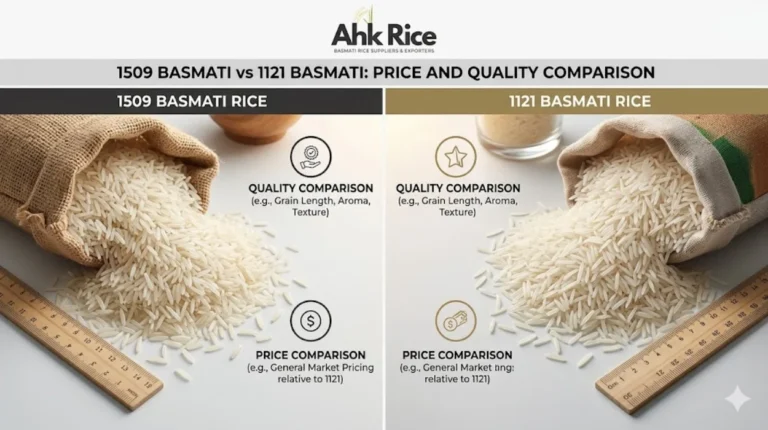
1509 Basmati delivers long grain length, shorter crop cycles, and competitive pricing compared with older Basmati varieties.
1509 Basmati has gained popularity among importers seeking a balance between quality and cost. The variety offers strong cooking performance and attractive grain appearance.
Malaysian distributors often position 1509 Basmati between premium and value-focused product categories.
With the leading varieties established, the next question is how these rice products move from farm to export shipment.
How are Pakistani rice varieties grown and processed for export?
Pakistani rice follows nine major processing stages: cultivation, harvesting, drying, cleaning, dehusking, polishing, grading, quality testing, and export packaging.
Rice quality begins in agricultural fields. Punjab produces most export-grade Basmati rice because of suitable soil composition, irrigation systems, and climatic conditions.
How does cultivation begin?
Farmers cultivate rice in prepared fields during the growing season. Irrigation management controls water levels throughout crop development.
Field inspections monitor plant health, pest activity, and maturity levels. Proper crop management improves grain quality and yield consistency.
How is rice harvested and prepared?
Harvest the mature paddy. Dry the harvested paddy. Remove excess moisture. Store under controlled conditions.
Moisture control protects grain integrity. Export-quality rice typically requires carefully managed drying before milling operations begin.
How is rice processed in modern mills?
Mill the paddy. Dehusk the grain. Polish the rice. Grade by size. Sort by color. Remove impurities.
Modern rice mills use automated systems to improve consistency. Color sorting technology identifies defective grains and foreign material.
What are the nine processing steps?
- Cultivate the crop
- Harvest the paddy
- Dry the grain
- Clean impurities
- Dehusk the paddy
- Polish the rice
- Grade by specifications
- Test quality parameters
- Package for export
Each processing stage affects the final product specification. The next question focuses on the grades available within these rice varieties.
What grades of Pakistani rice are available in Malaysia?
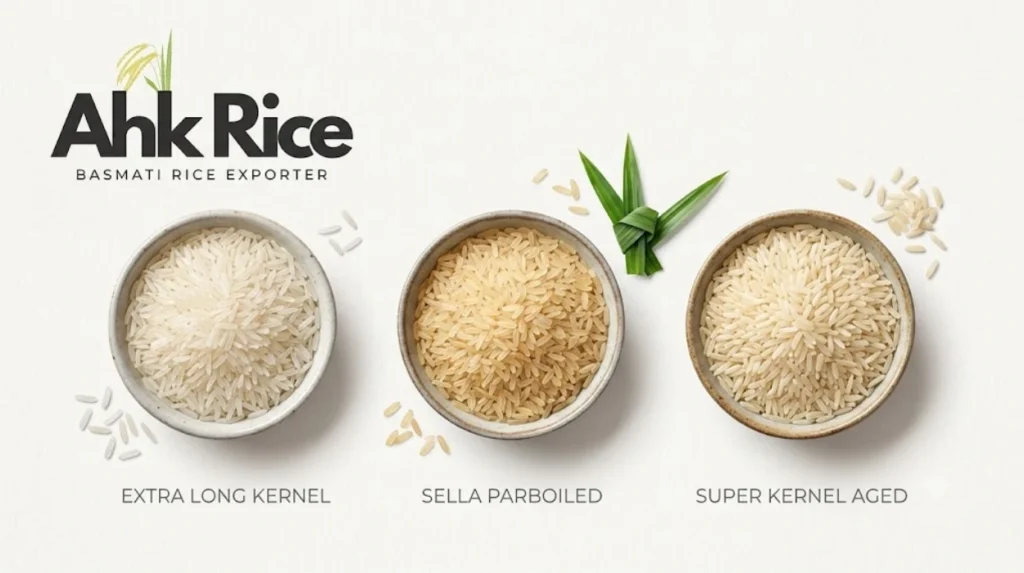
The most common grades include Steam, Sella, Golden Sella, White Rice, and premium head rice specifications.
Rice grades differ according to processing methods, appearance, color, and buyer requirements.
What is White Basmati Rice?
White Basmati undergoes milling and polishing without parboiling, producing a bright appearance and delicate texture.
White Basmati appeals to consumers seeking premium presentation. Retail brands frequently use this specification.
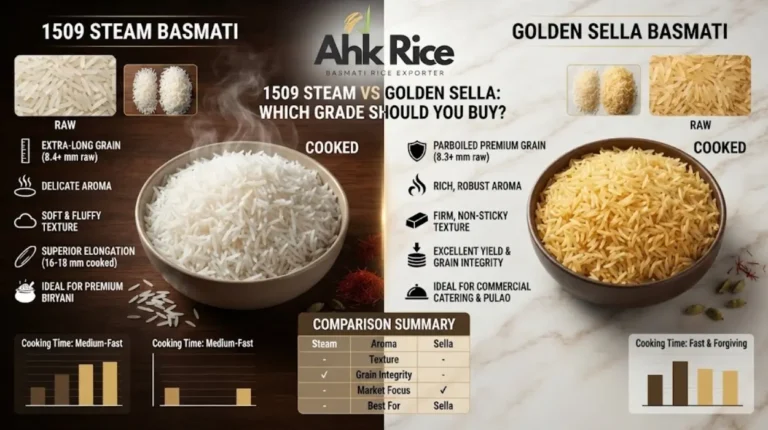
What is Steam Basmati Rice?
Steam Basmati receives controlled steam treatment that improves grain stability while preserving appearance.
Steam processing strengthens grains and reduces breakage. Many importers choose Steam grades for balanced performance.
What is Sella Basmati Rice?
Sella Basmati undergoes parboiling before milling, increasing grain strength and storage durability.
Parboiling transfers nutrients into the grain. Sella rice performs well in commercial kitchens.
What is Golden Sella Basmati Rice?
Golden Sella offers enhanced grain strength, golden color, and extended storage performance.
Golden Sella remains popular in institutional and foodservice sectors. The processing method improves handling and transportation durability.
What quality specifications do importers evaluate?
| Specification | Typical Evaluation |
|---|---|
| Grain Length | 7.00–8.50 mm |
| Moisture | Buyer specification |
| Broken Ratio | Contract specification |
| Purity | Export standard |
| Color | Grade dependent |
| Aroma | Variety dependent |
| Foreign Matter | Controlled limits |
Understanding grades helps explain why Malaysian buyers prefer Pakistani rice varieties.
Why do Malaysian importers prefer Pakistani rice?
Pakistani rice delivers aroma, grain elongation, variety selection, export consistency, and competitive value.
Importers compare rice according to measurable specifications. Grain appearance remains one of the strongest purchasing factors.
Aroma and sensory quality
Pakistani Basmati contains distinctive aromatic compounds. Consumers associate these characteristics with premium dining experiences.
Cooking performance
Long grains elongate significantly during cooking. Rice remains fluffy and separated.
Restaurants value consistency because cooking performance affects customer satisfaction.
Variety selection
Pakistani exporters supply multiple specifications. Importers can source different grades for retail, wholesale, and hospitality markets.
Export infrastructure
Pakistan maintains extensive rice milling and export facilities. Industry participants support large-volume shipments to international destinations.
With the advantages explained, the next question examines how different Malaysian sectors use these rice varieties.
Where are Pakistani rice varieties used in Malaysia?
Pakistani rice serves retail supermarkets, restaurants, catering companies, hotels, wholesalers, and food distributors.
Different sectors prioritize different specifications.
Retail sector
Retail brands focus on aroma, grain length, and packaging presentation.
Consumers purchasing household rice often select premium Basmati varieties.
Restaurants
Restaurants prioritize cooking consistency and visual presentation.
Long-grain Basmati performs well in biryani, pulao, and rice-based menu items.
Catering businesses
Catering companies evaluate yield, storage performance, and cost efficiency.
Golden Sella and Steam grades frequently appear in large-volume foodservice operations.
Hospitality industry
Hotels focus on premium dining experiences.
Premium 1121 Basmati often supports banquet and fine-dining applications.
Understanding applications helps address common misconceptions surrounding Pakistani rice.
What misconceptions exist about Pakistani rice in Malaysia?
The most common misconceptions involve aroma strength, grain quality, grade differences, and storage performance.
Several misunderstandings affect purchasing decisions.
Misconception: All Basmati rice is identical
Different varieties possess different grain lengths, aromas, and cooking characteristics.
1121, Super Kernel, and 1509 deliver distinct performance profiles.
Misconception: White rice always indicates higher quality
Quality depends on specifications rather than color alone.
Golden Sella, Steam, and White grades serve different commercial purposes.
Misconception: Longer grains always cost less to process
Processing requirements differ according to grade, sorting standards, and buyer specifications.
Export-quality rice requires inspection, testing, grading, and certification regardless of grain length.
Misconception: All export rice follows the same standards
Importers specify unique requirements.
Contracts often define moisture levels, broken percentages, packaging formats, and inspection procedures.
With misconceptions clarified, the final topic examines certification requirements.
What certifications apply to Pakistani rice exports for Malaysia?
Export rice commonly requires quality verification, phytosanitary compliance, food safety controls, and origin documentation.
Certification supports international trade compliance.
Which export documents are commonly required?
- Phytosanitary Certificate
- Certificate of Origin
- Commercial Invoice
- Packing List
- Bill of Lading
- Quality Inspection Certificate
- Fumigation Certificate
Why do certifications matter?
Certifications verify compliance with import requirements.
Testing procedures inspect product quality, food safety, and shipment specifications before export dispatch.
Regulatory compliance protects importers, distributors, and consumers throughout the supply chain.
Pakistani rice varieties continue to maintain strong relevance in Malaysia because importers value measurable specifications, processing consistency, and established export standards.
Frequently Asked Questions
Which Pakistani rice variety is most popular in Malaysia?
1121 Basmati is among the most popular varieties because of its extra-long grain length, aroma, and cooking elongation.
What is the difference between 1121 and Super Kernel Basmati?
1121 Basmati offers longer grain length, while Super Kernel Basmati emphasizes traditional aroma and heritage characteristics.
Is 1509 Basmati cheaper than 1121 Basmati?
1509 Basmati generally occupies a more competitive pricing segment while maintaining long-grain characteristics.
Which rice grade is best for restaurants?
Restaurants often select Steam Basmati or 1121 Basmati because of cooking consistency and presentation quality.
Which Pakistani rice grade lasts longer in storage?
Golden Sella generally offers stronger storage performance due to the parboiling process.
Which Pakistani province produces most export Basmati rice?
Punjab produces the majority of Pakistan’s export-oriented Basmati rice.