Pakistan Rice Industry Targets New Export Markets Worldwide
What is the Pakistan rice industry?
The Pakistan rice industry is a primary agricultural sector responsible for producing, milling, and exporting long-grain aromatic and non-aromatic rice varieties. It contributes over 2 billion dollars in foreign exchange annually through structured trade networks across 150 countries.
Defining the Pakistan Rice Sector
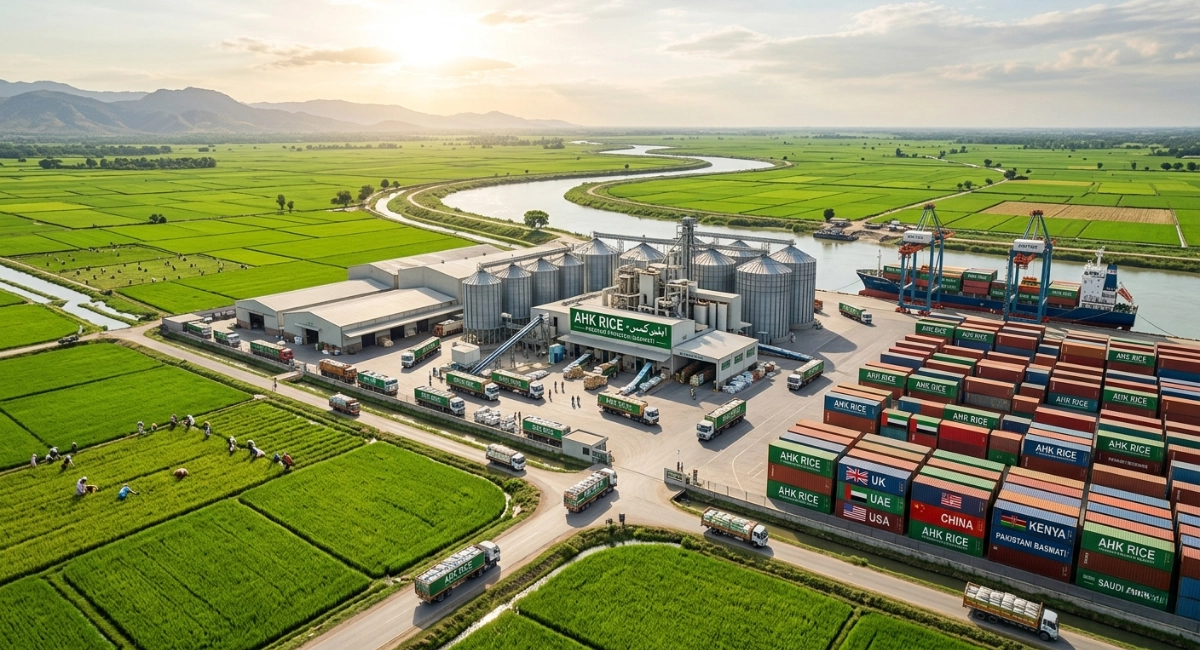
The agricultural infrastructure of Pakistan relies on rice as its second-largest staple crop and principal export commodity. The industry operates through a network of farmers, husking mills, modern processing facilities, and international trade brokers. Production concentrates along the Indus River basin.
Core Rice Varieties and Classifications
The sector categorizes its output into two primary groups based on genetic traits and aromatic profiles. These groups dictate market pricing and target consumer destinations globally.
Basmati Rice Varieties
Basmati rice represents the premium geographic indicator product of the region. The grain possesses a minimum pre-cooked length of 6.61 millimeters. It expands to twice its physical length during the cooking process without increasing in width.
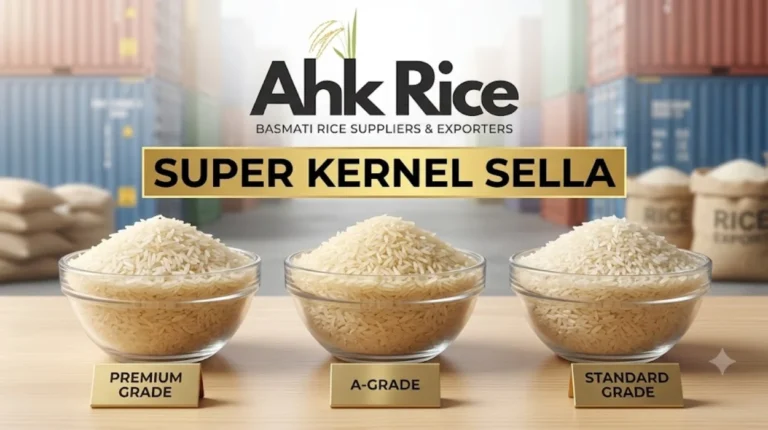
- Super Kernel Basmati: This traditional variety possesses a strong aromatic profile and soft texture after cooking. It undergoes aging for 12 to 24 months to reduce moisture content below 12 percent.
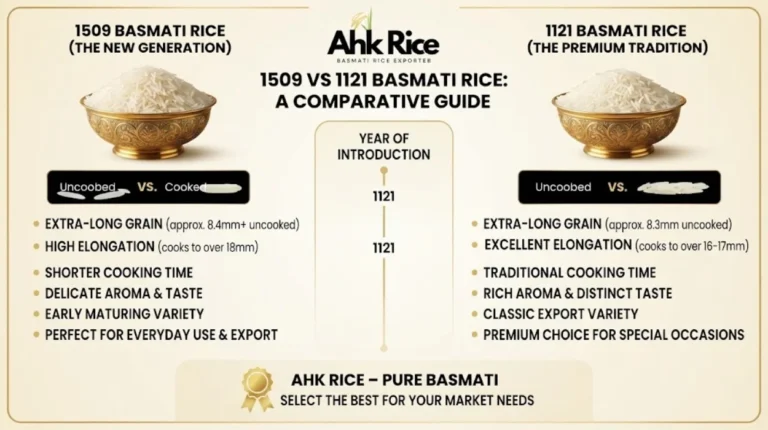
- 1121 Kainat Basmati: This modern cultivar features an average grain length of 8.35 millimeters. It serves fine-dining establishments due to its high elongation ratio and firm non-sticky structural integrity.
- 1509 Basmati: This early-maturing variety requires fewer cultivation days, lowering water usage by 20 percent compared to traditional strains. It yields extra-long grains with uniform shape.
Non-Basmati Rice Varieties
Non-asymmetric long grains offer high caloric value at a lower price point. These varieties satisfy industrial food preparation needs and mass consumption markets.
- IRRI-6: A coarse long-grain variety grown predominantly in the Sindh province. It features low chalkiness and handles rough transport without breaking.
- IRRI-9: This variety bridges the gap between premium Basmati and coarse varieties. It is an aromatic long grain with a clear vitreous appearance.
Where is the product grown?
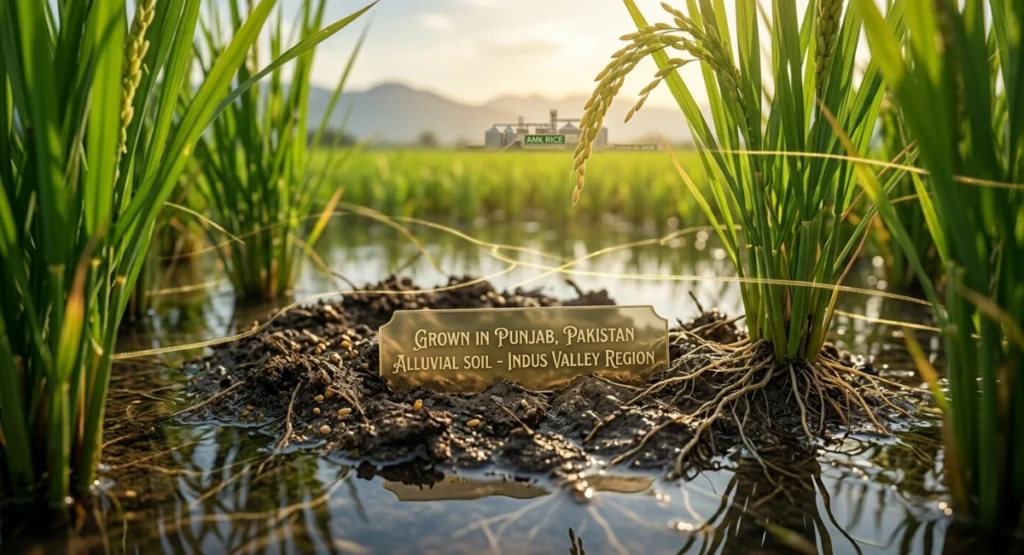
Pakistan rice grows in specific ecological zones, with premium Basmati cultivated exclusively in the fertile, mineral-rich soils of the Punjab province. Coarse varieties grow in the southern Sindh region, utilizing extensive river-fed canal systems for irrigation requirements.
The Punjab Rice Belt
The Punjab province contains the historical geographic zone for authentic Basmati cultivation. The specialized climate ensures optimal temperature variations for aroma synthesis during grain development.
- Geographic Districts: Cultivation focuses within the “Kalar Bowl” region, encompassing districts such as Gujranwala, Sialkot, Sheikhupura, Nankana Sahib, and Hafizabad.
- Soil Properties: The region features deep alluvial soil deposits carried by the Indus, Chenab, and Ravi rivers. The high clay and silt concentration retains moisture effectively.
- Climatic Conditions: Daily temperatures ranging between 25 degrees Celsius and 35 degrees Celsius during the ripening phase trigger the accumulation of 2-acetyl-1-pyrroline, the chemical compound responsible for the signature Basmati fragrance.
The Southern Rice Belt
The Sindh and Balochistan provinces provide the environmental conditions required for high-yield non-Basmati production.
- Geographic Districts: Production centers around Larkana, Jacobabad, Shikarpur, and Nasirabad.
- Irrigation Sources: Cultivation depends entirely on gravity-flow canal irrigation originating from the Sukkur and Guddu barrages on the Indus River.
How does the processing work step by step?
The rice processing workflow transforms raw paddy into polished, graded, and shelf-stable grain through a sequential mechanical chain. Advanced milling lines execute cleaning, de-husking, polishing, optical sorting, and automated weight packaging without human contact.
The Step-by-Step Milling Process
1.Pre-Cleaning and Destoning:Removes field debris.
Raw paddy arrives at the facility containing impurities. Vibratory sifters isolate straw, mud, and weeds. De-stoner machines utilize specific gravity differentials to extract heavy stones, metal fragments, and glass pieces from the grain stream.
2.Paddy De-Husking:Separates the outer hull.
The clean paddy passes through pneumatic rubber-roll huskers. Counter-rotating rubber rollers apply shear force to strip the abrasive outer husk from the kernel. This process yields brown rice while aspirators collect the separated husks for fuel use.
3.Paddy Separation:Isolates un-husked grains.
The mixture enters a reciprocating multi-tiered paddy separator. The machine capitalizes on differences in buoyancy and surface friction to segregate un-husked paddy from brown rice, recycling the un-husked grain back into the husker.
4.Rice Whitening and Polishing:Removes the bran layer.
Abrasive whitening cones remove the nutrient-rich brown bran layer via friction, converting the grain into white rice. Water polishers introduce a fine mist to buff the grain surface, removing residual dust and giving it a glossy shine.
5.Grading and Length Sifting:Separates broken kernels.
The polished rice passes through revolving cylindrical indent sifters. These drums separate full-length head rice from broken kernels, dividing them into specific proportions based on the contract specification.
6.Color Sorting:Removes discolored grains.
The uniform grains flow into high-speed optical color sorters. Charge-coupled device cameras scan the falling grain stream at a rate of 10,000 frames per second. Compressed air nozzles eject chalky, yellow, immature, or damaged grains.
What are the key components of the industry?
The key components of the industry comprise agricultural inputs, mechanized milling systems, storage infrastructures, and international trade bodies. These interconnected entities establish production capacity, quality control parameters, and global export compliance frameworks across supply networks.
Production and Processing Infrastructure
The industrial framework depends on specific machinery to maintain product consistency. Without these components, the raw grain fails to meet global import quality standards.
- Paddy Dryers: Recirculating batch dryers reduce grain moisture from 24 percent down to 12 percent within a controlled 18-hour window. This prevents internal thermal cracking.
- Storage Silos: Temperature-monitored vertical steel silos protect processed grain from humidity fluctuations and pest infestations, such as the rice weevil (Sitophilus oryzae).
Institutional Components
State and private associations govern trade regulations, chemical usage limits, and pricing mechanisms.
- Rice Exporters Association of Pakistan (REAP): This body aligns national trade practices with international standards, resolves commercial disputes, and leads trade delegations.
- Trade Development Authority of Pakistan (TDAP): A state organization that provides subsidies for international exhibitions, manages trade quotas, and issues certificates of origin.
What are the benefits of Pakistani rice?
The benefits of Pakistani rice stem from its exceptional culinary characteristics, low glycemic index metrics, long shelf life, and competitive market pricing. These structural advantages provide global food service distributors and household consumers with an optimal balance of quality and value.
Culinary and Sensory Properties
The unique composition of Pakistani Basmati delivers specific physical changes during preparation that other grain varieties do not replicate.
- High Elongation: Grains expand up to 25 millimeters upon cooking, creating an appealing visual presentation in dishes like biryani and pilaf.
- Dry Fluffy Texture: The amylose starch content exceeds 23 percent, ensuring individual grains do not stick together after cooking.
Economic and Logistical Benefits
Global supply chain managers select Pakistani sourcing due to clear trade and structural advantages.
| Advantage Factor | Performance Metric | Market Value |
| Shelf Stability | 24-Month Aging Capability | Enhances cooking fluffiness over time without decay |
| Price Point | 15% Lower Cost vs competitors | Maximizes profit margins for international repackers |
| Shipping Proximity | 14-Day Transit to Middle East | Reduces container freight costs and transit risks |
What are the use cases for the product?
The use cases for Pakistani rice span industrial food production, luxury hospitality catering, retail consumer packing, and commercial starch extraction. Each variety matches specific cooking methods, moisture thresholds, and structural durability requirements demanded by end-user industries.
Commercial Food Service
The food service sector utilizes specific varieties based on how well they withstand heavy manual handling and extended warming periods.
- Fine Dining Hospitality: Restaurants use 1121 Basmati due to its grain length. It retains structural integrity under heat lamps for up to 4 hours.
- Catering and Banquets: Chefs employ parboiled (Sella) rice for large gatherings. The parboiling gelatinizes internal starches, preventing grain breakage during mass stirring.
Industrial Applications
Lower-grade outputs and broken grains serve secondary manufacturing systems, minimizing waste across processing lines.
- Infant Food Manufacture: Broken Basmati grits undergo processing into rice flour for infant cereals due to hypoallergenic properties.
- Starch Production: Cosmetic and pharmaceutical manufacturers extract high-purity rice starch for use as binding agents in tablet production.
What are all available grades of the product?
The available grades of Pakistani rice are defined by processing styles, percentages of broken grains, and grain lengths. Shipments range from zero percent broken premium head rice down to 100 percent broken grades for industrial manufacturing applications.
Processing Style Classifications
Processing techniques alter the physical nature of the grain, creating distinct product categories for global buyers.
- White Rice: The husk, bran, and germ layers are completely removed. This creates a traditional neutral flavor profile preferred in Western markets.
- Brown Rice: Only the outer husk is removed, preserving the bran layer. It caters to health-conscious markets requiring high fiber content.
- Parboiled (Sella) Rice: Raw paddy is soaked, steamed, and vacuum-dried before milling. This infuses nutrients into the kernel, turning it a golden hue. It will not overcook or break easily.
Broken Percentage Grading Standards
Contracts specify broken limits using strict numerical ratios.
- Super Grade: Contains less than 2 percent broken grains. This constitutes the top tier for premium retail packaging.
- Standard Grade: Allows 5 percent broken grains. It is the baseline standard for general consumer markets.
- Commercial Grade: Contains 10 percent to 25 percent broken grains. This targets budget-conscious institutional buyers.
Which markets import the product?
The markets importing Pakistani rice span geographical zones, led by China, East Africa, the Middle East, and the European Union. These nations import specific varieties through containerized shipping lines to meet distinct consumer preferences and industrial food needs.
Regional Market Share Breakdown
Import destinations maintain specific preferences regarding grain type, price elasticity, and processing style.
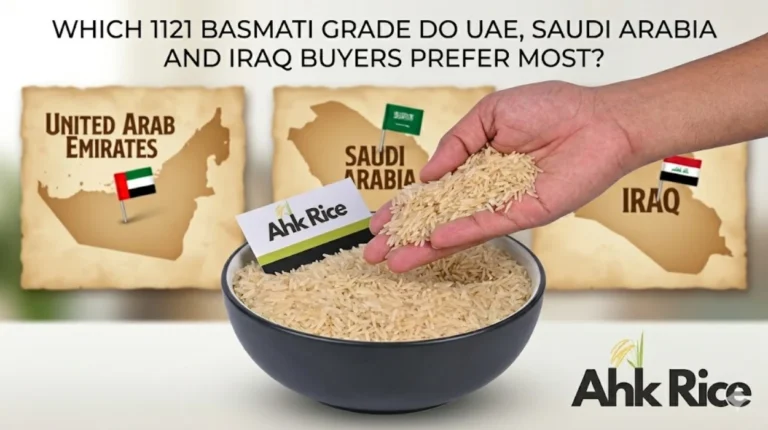
- The Middle East: Nations such as Saudi Arabia, the United Arab Emirates, and Oman import premium 1121 and Super Kernel Basmati. They require aged white and golden parboiled variants.
- East Africa: Regions including Kenya, Madagascar, and Tanzania import large volumes of IRRI-6 white rice. They prioritize caloric yield per dollar over aroma.
- China: Imports are focused on IRRI-6 broken grains and brown rice for industrial noodle manufacturing and livestock feed processing.
European Market Dynamics
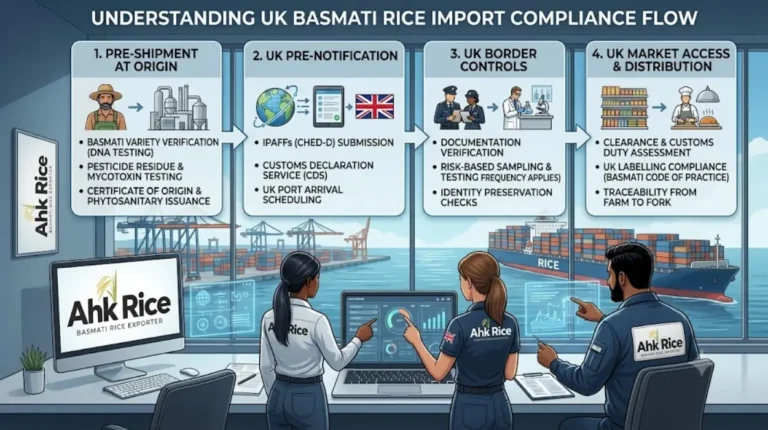
The European Union imports premium Basmati varieties under strict tariff-rate quotas. Buyers demand low chemical residue thresholds and absolute genetic purity verification.
What certifications apply to the product?
The certifications applying to Pakistani rice include global food safety management systems, phytosanitary clearances, religious dietary compliances, and social accountability standards. Processing mills must maintain active certification status to clear customs protocols at strict international ports.
Food Safety and Quality Management
Export processing facilities implement systematic auditing frameworks to verify hygienic processing environments.
- ISO 22000: Confirms the presence of an end-to-end food safety management system covering paddy sourcing through export container loading.
- HACCP (Hazard Analysis Critical Control Point): Monitors physical, chemical, and biological hazards at critical spots along the mechanical milling line.
- BRCGS (British Retail Consortium Global Standard): An essential certification required by tier-one European supermarket chains for private label packaging.
Religious and Sanitary Certifications
Customs authorities in target import zones mandate specific legal and dietary documentation before cargo discharge.
- Halal Certification: Verifies that processing aids, storage facilities, and packaging materials conform to Islamic dietary laws.
- Phytosanitary Certificate: Issued by the Department of Plant Protection Pakistan, confirming that the shipment has undergone methyl bromide fumigation and contains no live pests.
What are the common problems and misconceptions?
The common problems and misconceptions include the belief that aroma indicates genetic purity, that broken grains represent a damaged product, and that high moisture keeps rice fresh. In reality, modern cross-breeding alters aroma, broken grains serve specific culinary markets, and high moisture causes toxic mold growth.
Misconception 1: A Strong Fragrance Proves Pure Basmati
Many buyers assume that a lack of intense aroma indicates a counterfeit or adulterated product. This is incorrect because environmental factors and storage methods alter fragrance levels. Prolonged exposure to high heat during shipping dissipates natural volatile compounds without degrading the actual genetic purity of the grain.
Misconception 2: Broken Rice is Inferior Waste Product
A common industry myth labels broken rice as sub-standard trash suitable only for animals. In reality, broken grades are intentionally produced and separated for specific functional applications. Traditional recipes, such as African Jollof rice, require broken grains because they absorb sauces and spices more effectively than unbroken head rice.
Misconception 3: Freshly Harvested Rice Cooks Better
Uninformed importers often demand newly harvested paddy, believing fresh crops offer superior performance. This is false because fresh rice contains unstable starches that break down into a sticky paste during boiling. Proper aging for 12 months is mandatory because it dehydrates the grain kernel, allowing it to cook into separate, fluffy pieces.