Pakistani Sella Basmati Rice Trade Opportunities in Germany
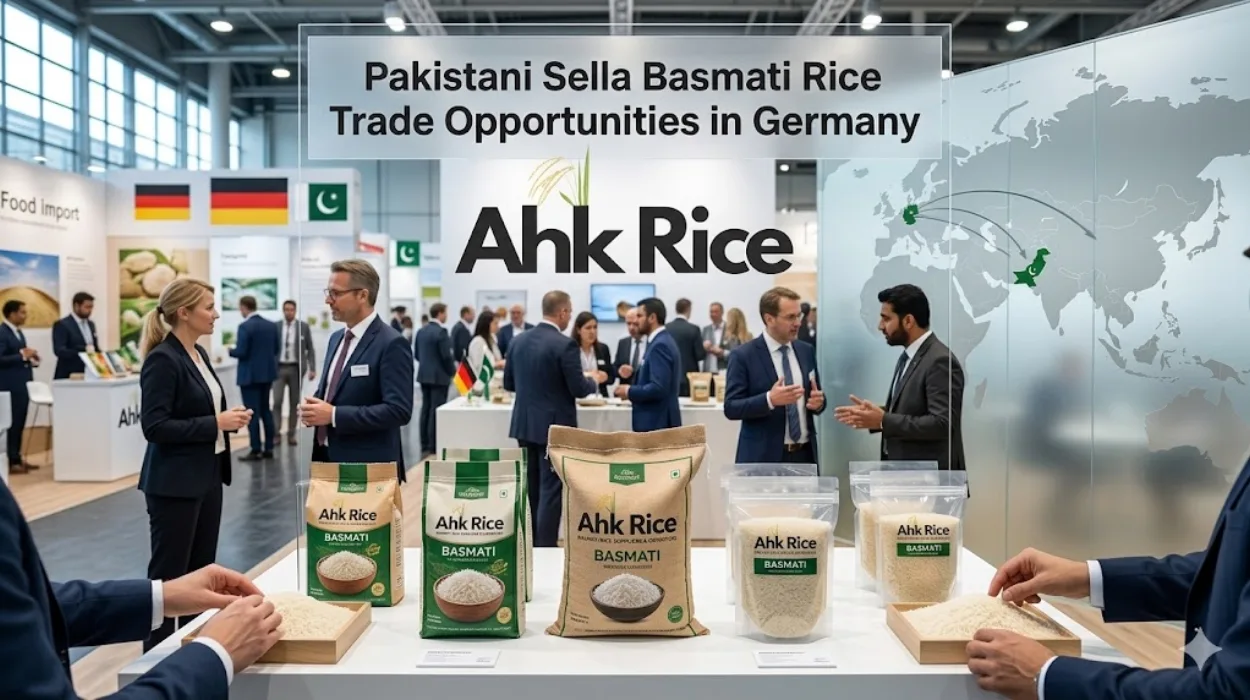
Pakistani Sella Basmati rice offers strong trade opportunities in Germany because German consumers increasingly demand aromatic long-grain rice, ethnic food products, and premium rice varieties. Germany imports significant volumes of Basmati rice every year, and Pakistani Sella Basmati matches the quality, cooking performance, and price expectations of importers, wholesalers, retailers, and food service distributors. Here is why: Pakistan produces globally recognized Basmati varieties, operates advanced parboiling facilities, and exports certified rice that meets European quality standards.
What Is Pakistani Sella Basmati Rice and Why Is Germany Importing It?
Pakistani Sella Basmati rice is a parboiled long-grain aromatic rice with grain lengths exceeding 8 mm, while Germany imports it because of growing ethnic food demand, stable cooking performance, and premium consumer positioning.
Pakistani Sella Basmati rice is a type of Basmati rice that undergoes a parboiling process before milling. Parboiling strengthens the grain structure and improves cooking stability. The rice retains its characteristic aroma, long grain appearance, and high elongation ratio after cooking.
Pakistani Sella Basmati rice originates primarily from Punjab, Pakistan. Punjab contains the traditional Basmati cultivation belt. Farmers cultivate Basmati varieties using canal irrigation systems and fertile alluvial soil. These growing conditions create the aroma and grain characteristics associated with authentic Basmati rice.
Germany represents one of Europe’s largest food import markets. The country’s multicultural population drives demand for South Asian, Middle Eastern, and international cuisines. Restaurants, supermarkets, and specialty food retailers regularly stock Basmati rice products to serve these consumer groups.
German buyers import Pakistani Sella Basmati because the rice combines premium quality with competitive pricing. Importers distribute it through retail chains, ethnic grocery stores, food service companies, and wholesale food suppliers.
With the definition of Pakistani Sella Basmati established, the next question is how this rice reaches export quality standards.
How Does Pakistani Sella Basmati Rice Processing Work?
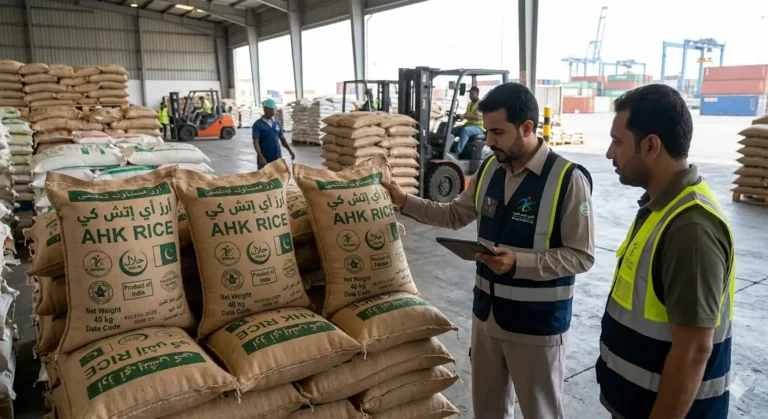
The processing system follows 9 defined stages: cleaning, soaking, steaming, drying, storage, milling, polishing, grading, and packaging.
Pakistani Sella Basmati gains its export characteristics through a controlled parboiling and milling process. Each stage affects grain strength, appearance, moisture levels, and cooking performance.
How Is Paddy Converted into Sella Basmati Rice?
Export-quality rice follows a structured processing sequence:
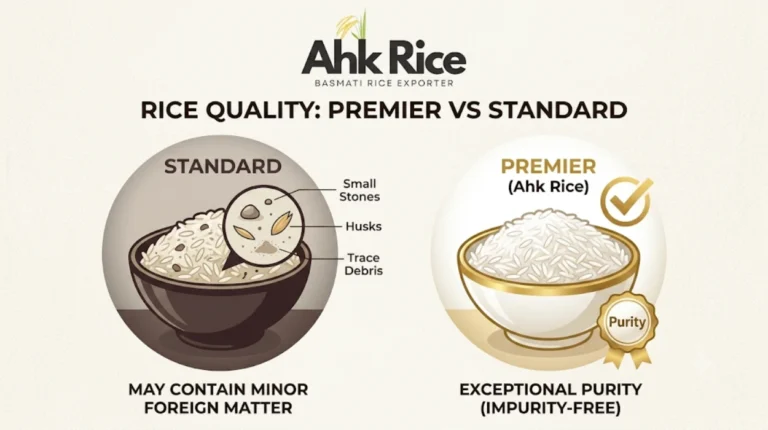
- Clean the harvested paddy to remove stones, dust, and foreign materials.
- Soak the paddy in controlled water tanks.
- Steam the soaked paddy under monitored pressure.
- Dry the steamed paddy to export moisture levels.
- Store the dried paddy for stabilization.
- Mill the paddy to remove husk layers.
- Polish the rice according to market requirements.
- Grade the rice by length and quality.
- Package the rice for export dispatch.
Steaming gelatinizes starch inside the grain. This process strengthens the kernel structure. Stronger kernels reduce breakage during transportation and cooking.
German importers value consistency. Consistent processing produces uniform grain size, predictable cooking results, and longer shelf life.
Processing explains product performance. The next step is understanding the varieties and grades available for German buyers.
What Grades of Pakistani Sella Basmati Rice Are Available for Germany?
The main export grades include 1121 Sella Basmati, Super Kernel Sella Basmati, 1509 Sella Basmati, and multiple broken-rice specifications.
German importers purchase different grades depending on retail positioning, food service requirements, and target consumer segments.
1121 Sella Basmati Rice
Grain length exceeds 8.30 mm before cooking and expands significantly after cooking.
1121 Sella Basmati is Pakistan’s most widely exported premium Basmati variety. The rice produces extra-long cooked grains and maintains separation after cooking. German retailers often position this grade in premium rice categories.
Super Kernel Sella Basmati Rice
Grain length ranges between 7.20 mm and 7.60 mm with strong aroma characteristics.
Super Kernel Sella Basmati represents the traditional Basmati profile. Consumers seeking authentic aroma and traditional flavor often select this grade.
1509 Sella Basmati Rice
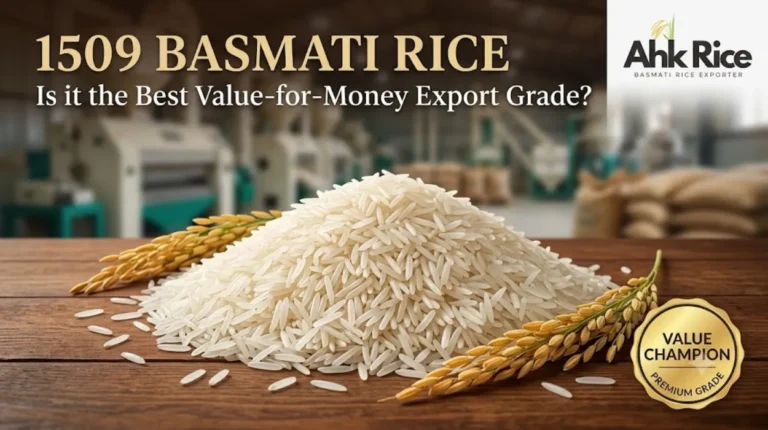
Grain length ranges between 8.00 mm and 8.30 mm with higher productivity and competitive pricing.
1509 Sella Basmati combines long grains with cost efficiency. Importers targeting value-oriented retail segments frequently choose this specification.
Broken Rice Grades
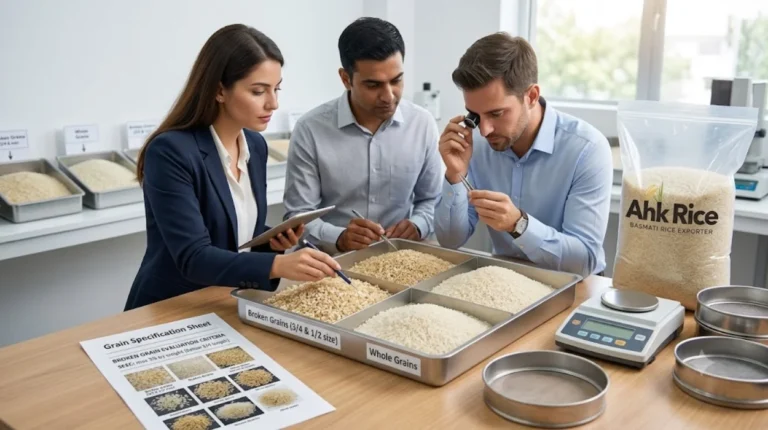
Broken percentages typically range from 5% to 25% depending on buyer requirements.
Food processors and industrial food manufacturers often purchase broken rice specifications. These grades support applications where whole grain appearance is not the primary requirement.
Grade selection influences market positioning. Understanding the importing sectors reveals why these grades perform well in Germany.
Which German Markets Import Pakistani Sella Basmati Rice?
Retail chains, ethnic food distributors, food service suppliers, restaurant groups, and food manufacturers represent the primary importing sectors.
Germany contains one of Europe’s largest ethnic food markets. Large cities such as Berlin, Hamburg, Frankfurt, Cologne, and Munich support extensive demand for Basmati rice products.
Retail Sector
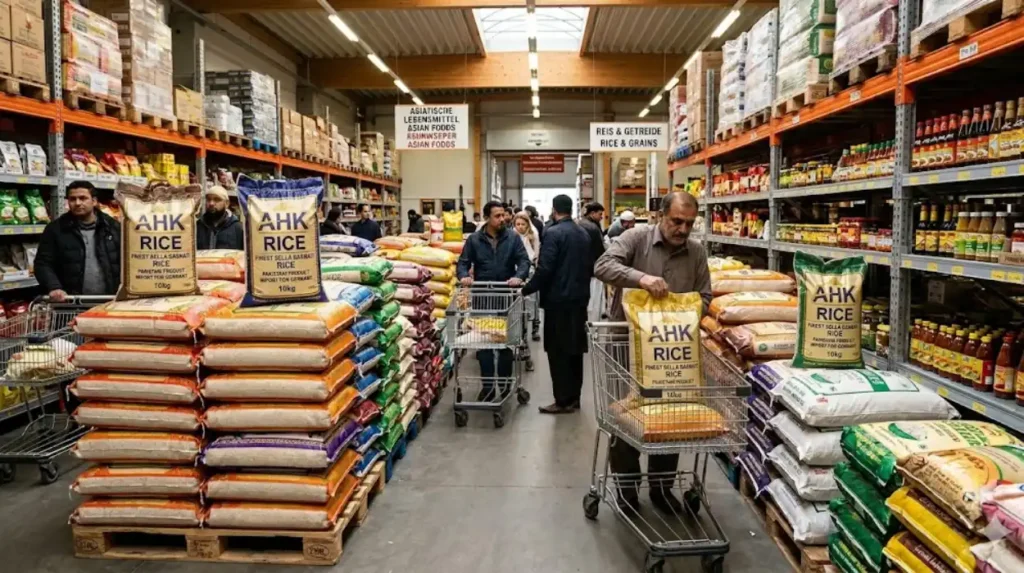
Supermarkets and hypermarkets stock premium Basmati rice for mainstream consumers. Product packaging commonly ranges from 1 kg to 10 kg.
Consumers increasingly purchase premium rice products because international cuisines have become part of regular household consumption.
Ethnic Food Distribution
South Asian, Middle Eastern, and African grocery stores represent major distribution channels. These businesses frequently import authentic Basmati rice directly from origin countries.
Food Service Sector
Restaurants, catering companies, hotels, and institutional kitchens require reliable cooking performance. Sella Basmati performs consistently in large-volume cooking operations.
Food Manufacturing Sector
Prepared meal producers and frozen food manufacturers use Basmati rice in value-added food products. Stable grain structure supports industrial food processing requirements.
Market demand creates opportunities. The next question focuses on the advantages that drive purchasing decisions.
What Benefits Make Pakistani Sella Basmati Attractive to German Buyers?
Key advantages include long grain length, strong cooking performance, reduced breakage, extended shelf life, authentic aroma, and competitive pricing.
Pakistani Sella Basmati competes successfully because it delivers measurable product benefits across the supply chain.
Superior Grain Appearance
Long grains create visual appeal. Premium rice categories depend heavily on grain length and post-cooking elongation.
Reduced Breakage
Parboiling strengthens kernels. Stronger kernels survive transportation, packaging, and cooking with fewer losses.
Consistent Cooking Performance
Sella Basmati maintains grain separation after cooking. Restaurants and food service operators value this consistency.
Longer Storage Stability
Parboiled rice performs well during extended storage periods. This characteristic supports international trade and wholesale inventory management.
Competitive Cost Structure
Pakistan remains one of the world’s largest Basmati producers. Large production volumes support competitive export pricing (source: REAP export data, December 2025).
Benefits explain buyer demand. Certifications and compliance standards determine market access.
Which Certifications Apply to Pakistani Sella Basmati Exports to Germany?
German importers typically require food safety, quality management, phytosanitary, and laboratory compliance documentation.
European food regulations emphasize traceability, food safety, and product consistency. Exporters must verify compliance before shipment.
Common Export Certifications
- Phytosanitary Certificate
- Certificate of Origin
- Health Certificate
- Fumigation Certificate
- Quality Inspection Report
- Laboratory Test Report
- Packing List
- Commercial Invoice
Common Food Safety Standards
- HACCP Certification
- ISO 22000 Certification
- BRCGS Food Safety Certification
- Global Food Safety Initiative recognition
German importers often request pesticide residue testing. Laboratory verification confirms compliance with European Union food regulations.
Certification supports market entry. The next question addresses practical trade opportunities.
What Trade Opportunities Exist for Pakistani Sella Basmati Rice in Germany?
Opportunities exist in premium retail, ethnic foods, private labeling, food service distribution, and organic food segments.
German consumers increasingly purchase premium food products. Basmati rice benefits from this trend because consumers associate it with quality, aroma, and international cuisine.
German demand creates opportunities for importers, but supplier selection determines product consistency, compliance, and profitability. Buyers comparing origin capabilities, quality specifications, and export processes should understand how different sourcing models affect procurement outcomes. Read our guide on German Buyers Source Pakistani Sella Basmati Rice Directly from Exporters to understand the key supplier assessment criteria.
Private Label Programs
Retailers increasingly sell rice under store brands. Importers source packaged rice and distribute it under proprietary labels.
Premium Rice Categories
Premium rice segments generate higher value than commodity rice categories. Long-grain Basmati occupies a strong position within this market.
Restaurant Supply Chains
Restaurant operators require reliable sourcing. Sella Basmati supports menu consistency across multiple locations.
Organic Food Segment
Organic food consumption continues expanding in Germany. Certified organic Basmati rice occupies a specialized premium niche (source: European Commission Agricultural Market Reports, 2025).
Trade opportunities create growth potential. Understanding misconceptions helps buyers evaluate products accurately.
What Misconceptions Exist About Pakistani Sella Basmati Rice?
The most common misconceptions involve aroma, grain color, nutritional quality, and cooking characteristics.
Some buyers assume parboiled rice lacks aroma. Pakistani Sella Basmati retains Basmati fragrance while gaining structural strength during processing.
Some buyers interpret the yellowish appearance of Golden Sella as an artificial treatment. Golden Sella receives its color from controlled parboiling and drying processes.
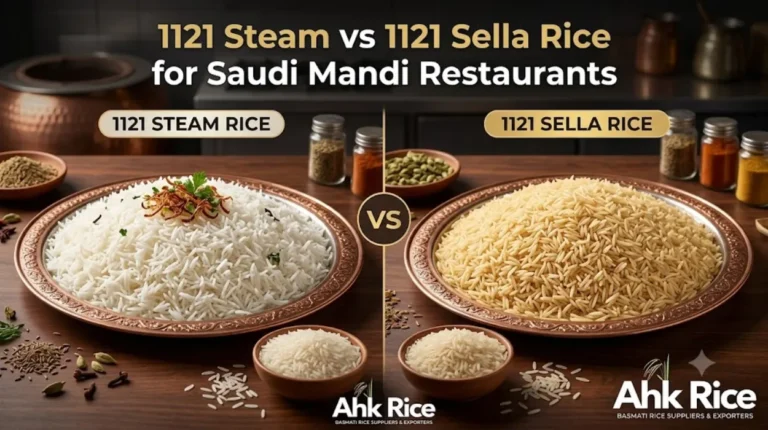
Some buyers believe all Basmati grades perform identically. Different varieties produce different grain lengths, aromas, and cooking characteristics. 1121 Sella produces longer cooked grains than Super Kernel Sella. In premium retail markets, 1121 often serves consumers seeking maximum grain elongation. In traditional cuisine applications, Super Kernel frequently serves consumers seeking stronger aroma.
Some buyers assume broken rice grades indicate poor quality. Broken specifications serve industrial and food processing applications where grain appearance is less important than functionality.
Misconceptions disappear when product specifications, processing methods, and market uses become clear.
What Does the Future Hold for Pakistani Sella Basmati Rice in Germany?
Growing demand for premium rice, multicultural cuisine, and specialty food products supports long-term import growth.
German consumers increasingly purchase authentic international foods. Basmati rice remains one of the most recognized premium rice categories worldwide.
Pakistani Sella Basmati aligns with these market trends because it combines authentic origin, strong cooking performance, premium appearance, and export-ready quality. Continued demand from retail, food service, and ethnic food channels supports ongoing trade opportunities between Pakistan and Germany.
German importers seek reliable supply, consistent specifications, and verified compliance standards. Pakistani Sella Basmati fulfills these requirements through structured cultivation, controlled processing, recognized certifications, and established export infrastructure.
Frequently Asked Questions
Is Pakistani Sella Basmati rice popular in Germany?
Yes. Pakistani Sella Basmati rice has strong demand in Germany because consumers increasingly purchase premium rice products for South Asian, Middle Eastern, and international cuisines. Retail stores, ethnic food distributors, restaurants, and catering companies regularly import and distribute Basmati rice across the country.
What is the difference between Sella Basmati and regular Basmati rice?
Sella Basmati rice undergoes a parboiling process before milling, while regular white Basmati rice does not. Parboiling strengthens the grain, reduces breakage, improves shelf life, and creates more consistent cooking performance. White Basmati offers a softer texture, while Sella Basmati provides firmer cooked grains.
Which Pakistani Sella Basmati variety is most exported to Germany?
1121 Sella Basmati rice is one of the most exported varieties to Germany. The variety features grain lengths above 8.30 mm, significant elongation after cooking, and strong consumer appeal in premium retail and food service markets.
What certifications are required for Pakistani Sella Basmati exports to Germany?
German importers commonly require a Phytosanitary Certificate, Certificate of Origin, Health Certificate, laboratory testing reports, and food safety certifications such as HACCP or ISO 22000. These documents verify food safety, quality standards, and compliance with European import regulations.
Why do German importers choose Pakistani Sella Basmati rice?
German importers choose Pakistani Sella Basmati rice because it combines authentic Basmati aroma, long grain appearance, stable cooking performance, and competitive pricing. The rice also meets the quality specifications required by retailers, wholesalers, food manufacturers, and restaurant supply chains.