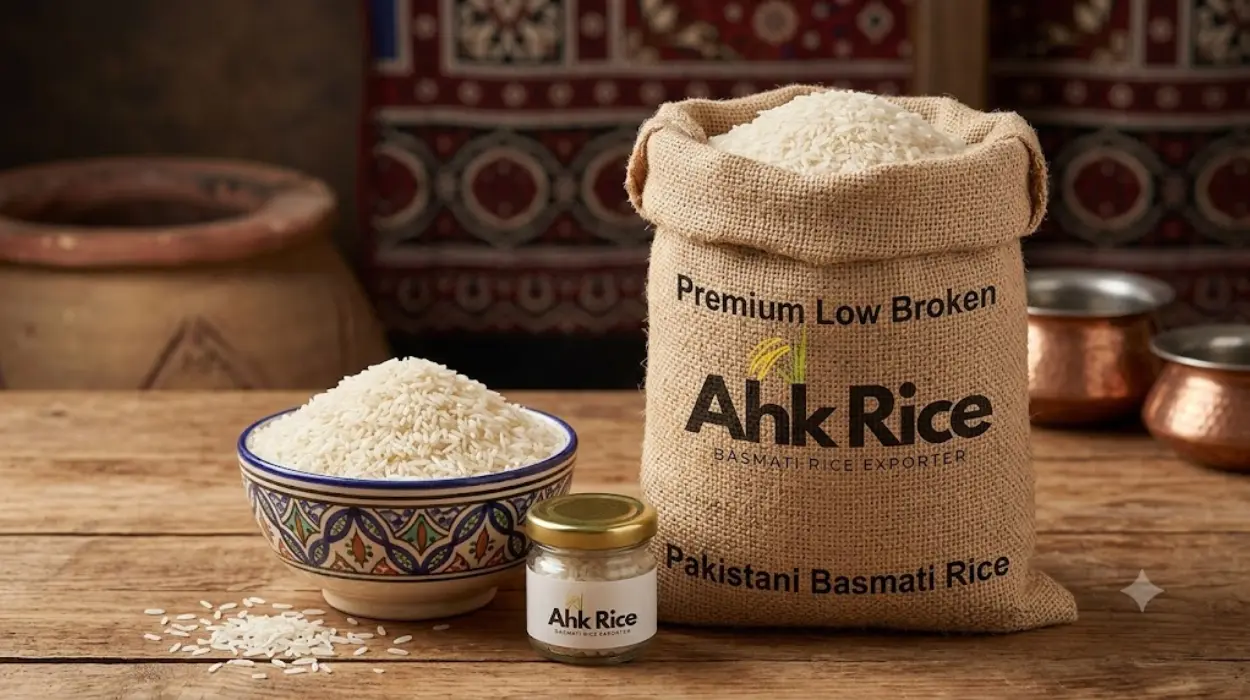
Supply UK Restaurants with Premium Low Broken Pakistani Basmati Rice
UK restaurants achieve better presentation, consistency, and customer satisfaction when they source premium low broken Pakistani Basmati rice from an experienced exporter. The right supplier reduces quality risks, ensures stable inventory, and helps foodservice businesses maintain standards across every serving.
Restaurant owners, wholesalers, caterers, and foodservice distributors increasingly demand rice that delivers long grain appearance, reliable cooking performance, and predictable procurement. Buyers researching the advantages of lower broken grades can first explore our guide on selecting lower broken Basmati grades for commercial foodservice operations. Once purchasing decisions move closer to procurement, selecting a dependable exporter becomes the most important factor.
What is the best solution for supplying UK restaurants with premium low broken Pakistani Basmati rice?
The best solution is partnering with an established Pakistani exporter that provides verified low broken Basmati rice, transparent specifications, export documentation, sampling support, and dependable shipping schedules. This approach minimizes procurement risks, protects restaurant quality standards, and supports long-term supply continuity.
UK restaurants face several challenges when sourcing rice internationally. Quality variation, inconsistent grain length, delayed shipments, and unclear specifications can affect customer experience and operational efficiency. A supplier must provide more than product availability. The supplier must provide consistency.
AHK Rice specializes in supplying premium low broken Pakistani Basmati rice for foodservice buyers, restaurant chains, wholesalers, and importers. Buyers seeking a trusted exporter can review the services offered by AHK Rice before initiating procurement discussions.
Low broken Basmati rice is particularly suitable for restaurants because it maintains attractive grain separation after cooking. It creates a more premium appearance on the plate and supports menu consistency across biryani, pilaf, grilled meat accompaniments, and traditional South Asian dishes.
Restaurants operating multiple locations often require identical cooking performance throughout their network. AHK Rice works with buyers to define exact specifications before shipment. This process helps ensure each container matches approved standards.
Buyers comparing broken percentages and presentation outcomes can also review how grain breakage influences restaurant presentation and serving consistency before finalizing a purchasing decision.
Why choose AHK Rice?
AHK Rice combines sourcing expertise, quality control procedures, export documentation support, and international shipping experience to help UK restaurant buyers secure premium Pakistani Basmati rice with confidence. The company focuses on long-term relationships, product consistency, and transparent trade processes.
AHK Rice operates from Pakistan’s primary rice-producing region, allowing direct access to premium Basmati-growing areas. This sourcing advantage supports quality management from procurement through export.
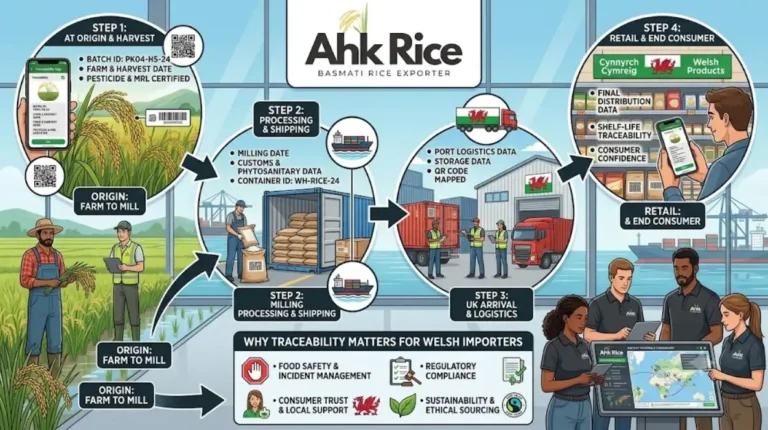
Many importers face challenges when dealing with multiple intermediaries. AHK Rice simplifies the supply chain by managing sourcing, processing, quality checks, packaging, and export coordination through a structured process.
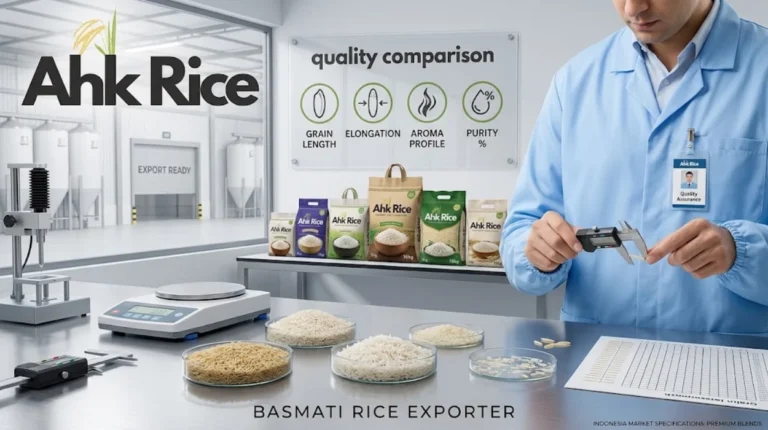
Quality assurance remains a critical factor for UK foodservice buyers. AHK Rice performs inspection procedures before shipment to verify specifications, broken percentage levels, moisture content, grain appearance, and packaging requirements.
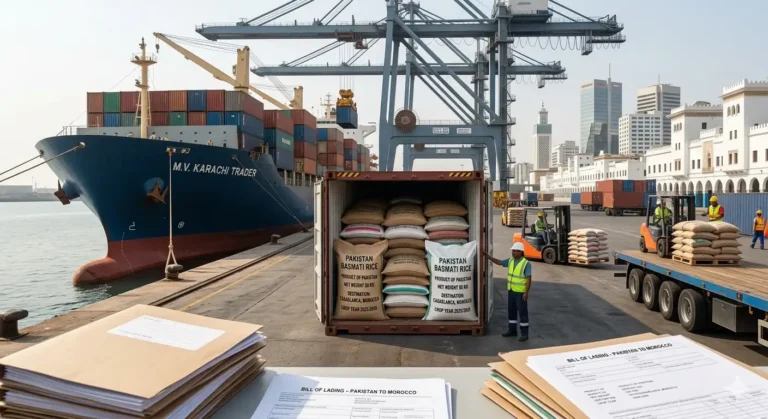
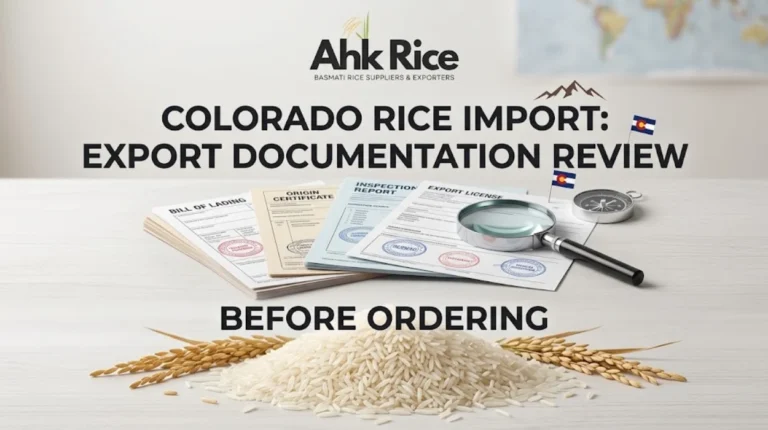
Documentation is equally important. AHK Rice assists buyers with export documentation, commercial invoices, packing lists, certificates, and shipping documentation required for international trade transactions.
Foodservice operators often require customized packaging. AHK Rice can discuss packaging options based on importer requirements, distribution channels, and restaurant purchasing preferences.
Long-term procurement partnerships are often more valuable than one-time purchases. AHK Rice focuses on repeat business by maintaining communication throughout the ordering process and supporting buyers from inquiry through delivery.
The reputation of AHK Rice has been built on supplying international buyers with consistent Pakistani Basmati rice while maintaining professional export standards. This commitment helps restaurant operators reduce sourcing uncertainty and improve supply reliability.
What results can UK restaurants expect?
Restaurants that source premium low broken Pakistani Basmati rice can expect improved plate presentation, greater cooking consistency, reduced wastage, stronger customer perception, and better operational predictability. These outcomes contribute directly to customer satisfaction and business performance.
Presentation matters in competitive foodservice markets. Customers often judge quality before tasting food. Long, well-separated grains create a premium appearance that supports menu pricing and brand perception.
Cooking consistency is another significant advantage. Low broken rice generally cooks more uniformly, helping chefs achieve repeatable results during busy service periods.
Reduced breakage can also contribute to improved yield. Restaurant kitchens benefit when cooked rice maintains its appearance and structure rather than becoming fragmented during preparation and service.
A UK restaurant group serving hundreds of meals daily cannot afford unpredictable product performance. Standardized rice specifications support operational efficiency and reduce kitchen variability.
Importers supplying multiple restaurants also benefit from a dependable product profile. Consistent grain quality reduces complaints and strengthens relationships between distributors and foodservice customers.
AHK Rice helps buyers establish clear specifications before production and shipment. This process supports consistency across future orders and simplifies procurement planning.
Many restaurant operators view rice as a core ingredient rather than a commodity. The quality of that ingredient directly influences customer experience. AHK Rice understands this requirement and works with buyers accordingly.
What is the sample approval process and associated cost?
The sample process allows buyers to evaluate grain quality, cooking performance, and product specifications before committing to container purchases. A structured sampling system reduces procurement risk and helps establish confidence in supplier capabilities.
Most professional importers begin with a sample request. This stage provides an opportunity to inspect grain length, appearance, aroma, broken percentage, and cooking characteristics.
AHK Rice typically prepares representative samples that reflect the intended shipment specification. Buyers can conduct cooking trials within their restaurant kitchens or testing facilities.
Sample quantities vary according to buyer requirements. Small evaluation samples are often sufficient for preliminary assessment. Larger samples may be requested for extensive foodservice testing.
Sample costs depend on product grade, destination, courier charges, and requested quantity. Buyers should expect product costs plus international courier expenses. Freight charges often represent the largest component of sample-related costs.
After evaluation, buyers can discuss specification adjustments, packaging requirements, shipment volumes, and contractual arrangements with AHK Rice before moving forward.
The sample stage is one of the most valuable parts of the purchasing process because it establishes measurable expectations for future shipments.
How many shipping days are required for UK and international markets?
Shipping timelines vary by destination, port congestion, carrier schedules, and customs procedures. Buyers should plan procurement around realistic transit estimates to maintain inventory continuity and avoid supply disruptions.
Typical transit times include:
| Market | Estimated Shipping Days |
|---|---|
| United Kingdom | 25–35 Days |
| Germany | 30–40 Days |
| Netherlands | 28–38 Days |
| Belgium | 28–38 Days |
| France | 30–40 Days |
| Saudi Arabia | 12–20 Days |
| UAE | 10–18 Days |
| Oman | 12–20 Days |
| Canada | 35–50 Days |
| USA | 35–55 Days |
| Australia | 30–45 Days |
These estimates may vary depending on shipping lines, seasonal demand, weather conditions, customs inspections, and destination port operations.
AHK Rice works with buyers to coordinate shipment planning and provide updates throughout the logistics process. Advance planning is particularly important for restaurant groups and distributors managing ongoing inventory requirements.
Maintaining appropriate stock levels helps avoid emergency purchases that can increase procurement costs and reduce quality control options.
What factors affect pricing for premium low broken Pakistani Basmati rice?

Pricing depends on rice grade, broken percentage, crop quality, packaging specifications, order volume, shipping costs, currency fluctuations, and destination requirements. Understanding these variables helps buyers make informed purchasing decisions and negotiate effectively.
The broken percentage significantly influences pricing. Lower broken grades generally command higher values because they provide superior appearance and stronger market demand.
Crop conditions also affect market pricing. Production volumes, harvest quality, and seasonal supply influence export rates throughout the year.
Packaging requirements can impact overall procurement costs. Customized packaging, private labeling, and specialized materials may increase expenses compared with standard export packaging.
Order volume remains an important consideration. Container-sized orders often achieve better pricing efficiencies than smaller shipments.
International freight rates fluctuate according to shipping demand and global logistics conditions. Buyers should consider freight costs alongside product pricing when evaluating suppliers.
Currency exchange movements can also influence final landed costs. Professional importers often monitor exchange rates during procurement planning.
AHK Rice provides detailed quotations based on buyer requirements, allowing importers to evaluate pricing in relation to quality specifications and service levels.
How do UK restaurants get started with AHK Rice?
The procurement process begins with a specification discussion, followed by sampling, quotation review, order confirmation, production scheduling, shipment preparation, and delivery. A structured approach reduces risk and ensures both parties share clear expectations.
The first step is defining requirements. Buyers should identify preferred grain specifications, broken percentage targets, packaging needs, and expected order volumes.
The second step involves requesting samples from AHK Rice. Product evaluation helps confirm suitability before larger purchasing commitments are made.
Following sample approval, buyers receive a quotation tailored to their specifications and shipment requirements.
Once commercial terms are agreed, AHK Rice schedules production, quality inspections, packaging, and export preparation activities.
Shipping arrangements are coordinated according to the agreed timeline. Documentation is prepared to support customs clearance and import procedures.
Throughout the process, communication remains essential. AHK Rice works closely with buyers to provide updates and support procurement planning.
For restaurants, distributors, and importers seeking a reliable source of premium low broken Pakistani Basmati rice, the next step is requesting specifications, samples, and a tailored quotation through the quotation request process.
Frequently Asked Questions
Is low broken Basmati rice better for restaurant use?
Yes. Low broken Basmati rice provides a more attractive appearance after cooking and helps maintain grain separation. Restaurants benefit from improved plate presentation and more consistent customer experiences. It is especially suitable for premium menu offerings where visual quality matters. Many foodservice buyers prefer it for these reasons.
Can AHK Rice supply large restaurant chains?
Yes. AHK Rice works with importers, wholesalers, distributors, and foodservice buyers requiring commercial-scale quantities. Supply programs can be discussed according to projected demand and purchasing schedules. Consistency and specification management are key priorities. Long-term procurement arrangements can also be explored.
How are samples shipped to the UK?
Samples are generally dispatched through international courier services. Delivery times vary depending on location and courier selection. Buyers can evaluate grain quality, cooking performance, and specifications before ordering. This process helps reduce procurement risk. Courier charges normally apply.
What packaging options are available?
Packaging requirements can often be tailored to buyer needs. Options may include different bag sizes and commercial packaging formats. Requirements depend on distribution channels and end-user preferences. Buyers should discuss packaging specifications during initial consultations. Customized solutions may be available.
Why is Pakistani Basmati rice popular in UK restaurants?
Pakistani Basmati rice is valued for its long grains, distinctive aroma, and cooking performance. These characteristics support premium food presentation and authentic menu offerings. Restaurants serving South Asian, Middle Eastern, and fusion cuisines frequently use Basmati rice. Consistent quality helps support customer satisfaction and repeat business.