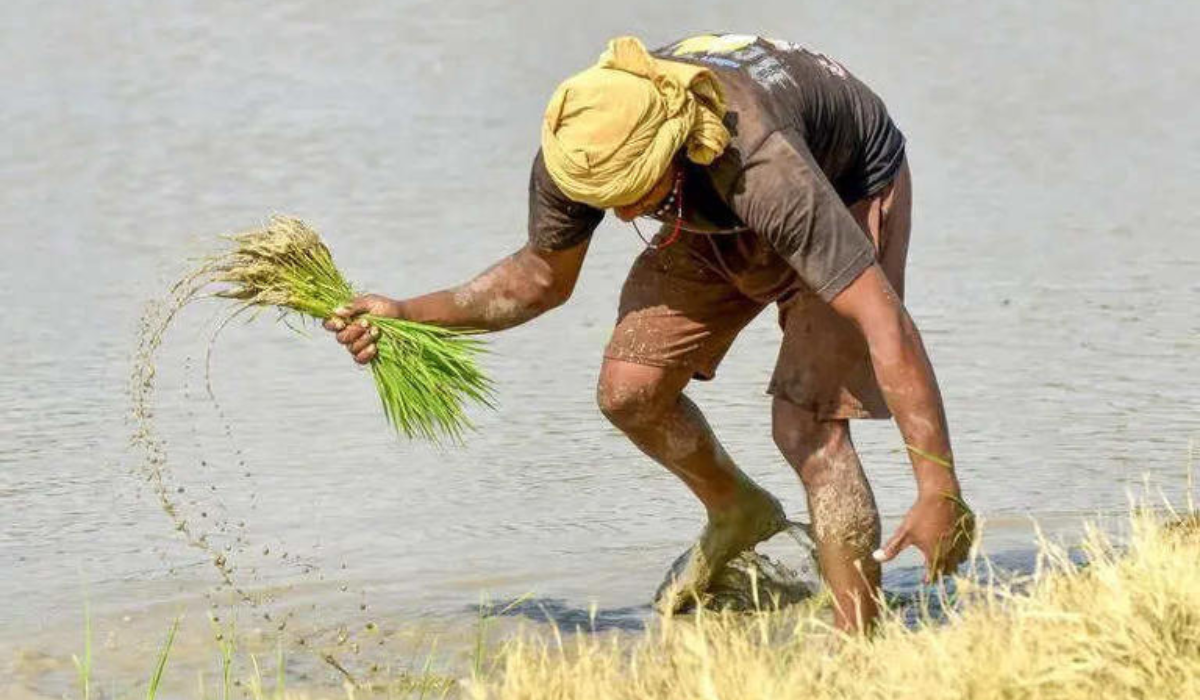
El Niño Risks Raise Concerns for Basmati Rice Trade
The emergence of El Niño-related weather risks in India’s Punjab region is drawing significant attention across the global rice market. While recent rainfall has temporarily eased concerns about water shortages, industry stakeholders remain cautious about the potential impact of a weaker monsoon season on rice production, particularly premium Basmati rice.
Punjab is one of India’s most important rice-producing regions and a key supplier of export-quality Basmati rice. Any disruption to irrigation systems, crop development, or grain quality could influence rice prices, export volumes, and supply chains across major importing markets in the Middle East, Europe, North America, and Asia.
For rice importers, wholesalers, distributors, and international buyers, monitoring weather developments in South Asia has become increasingly important as climate-related risks continue to affect agricultural production and global commodity markets.
What Is Driving Concerns About Punjab’s Rice Production?
The primary concern stems from forecasts suggesting that El Niño conditions could weaken the Indian southwest monsoon. Although Punjab benefits from extensive canal irrigation systems and widespread groundwater use, prolonged rainfall deficits could still create significant operational challenges.
Farmers may be forced to rely more heavily on tube wells and deep groundwater pumping to maintain paddy cultivation. Increased irrigation costs, higher electricity consumption, and pressure on already stressed water resources could raise production expenses throughout the supply chain.
Unlike rain-fed agricultural regions that face immediate crop failure risks during weak monsoons, Punjab’s challenge lies in sustaining production efficiently while managing rising input costs. This could ultimately influence the competitiveness of Indian rice exports in global markets.
How Could El Niño Affect Basmati Rice Quality?
The premium Basmati rice sector is particularly vulnerable to adverse weather conditions during critical crop development stages.
Basmati rice requires favourable temperatures and adequate moisture during flowering and grain formation. Extended dry periods or excessive heat can reduce grain quality, affect aroma development, increase pest infestations, and lower overall yields.
For international buyers, grain quality is often just as important as production volume. Any deterioration in premium-grade Basmati specifications could tighten supplies of export-quality rice and potentially lead to higher prices in key destination markets.
As a result, importers sourcing Basmati rice from South Asia may face greater competition for high-quality supplies if weather conditions worsen during the growing season.
Could Rice Prices Increase in International Markets?
Weather-related production uncertainty frequently creates upward pressure on agricultural commodity prices, and rice is no exception.
If monsoon deficits persist and irrigation costs continue to rise, production expenses for farmers and millers could increase substantially. Reduced arrivals of high-quality paddy at rice mills may further constrain export availability.
In such a scenario, the global rice market could experience:
- Higher Basmati rice prices
- Increased procurement costs for importers
- Greater price volatility across export markets
- Stronger competition among buyers for premium grades
- Potential shifts in sourcing strategies
However, industry experts note that India currently maintains substantial rice stocks, which could help cushion short-term market disruptions and prevent severe supply shortages.
Nevertheless, sustained weather challenges could gradually influence export pricing throughout the season.
What Are the Implications for Global Rice Trade?
The global rice trade remains highly sensitive to production developments in major exporting countries.
India continues to play a dominant role in international rice shipments, supplying both Basmati and non-Basmati varieties to buyers worldwide. Any reduction in production efficiency or exportable surplus from key growing regions can affect global trade flows.
Potential market implications include:
- Increased demand for alternative origins
- Diversification of sourcing among rice importers
- Greater interest in Pakistan rice exports
- Expanded opportunities for exporters with reliable supply chains
- Higher focus on long-term procurement contracts
Many international buyers are already seeking diversified sourcing strategies to reduce exposure to weather-related disruptions in any single country.
How Could Pakistan Rice Exports Benefit?
For Pakistan’s rice industry, potential production challenges in competing export markets could create valuable opportunities.
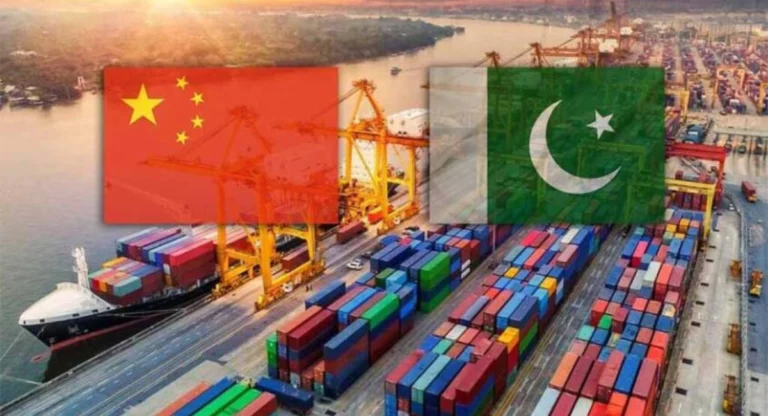
Pakistan is one of the world’s leading exporters of premium Basmati rice and non-Basmati varieties. The country’s established export infrastructure, growing processing capabilities, and strong presence in international markets position it as a reliable alternative source for global buyers.
If Indian Basmati supplies become constrained or prices rise significantly, international importers may increasingly explore Pakistan rice exports to secure consistent quality and competitive pricing.
Pakistani exporters could benefit from:
- Stronger demand from traditional Basmati markets
- Increased inquiries from new buyers
- Improved export opportunities in premium segments
- Greater market diversification
- Enhanced competitiveness in global tenders
For rice importers, maintaining relationships with multiple origins can help ensure supply continuity during periods of market uncertainty.
What Should Rice Importers and Buyers Monitor?
International buyers should closely monitor several key indicators during the coming months:
- Monsoon rainfall patterns across northern India
- Irrigation and groundwater availability in Punjab
- Crop condition reports during flowering stages
- Export pricing trends from major suppliers
- Freight and logistics developments
- Government policy changes affecting agricultural exports
Early awareness of supply risks can help importers make informed purchasing decisions and secure inventory before potential price increases occur.
How Are Supply Chains and Logistics Likely to Respond?
Supply chain resilience will be a major focus for exporters and buyers alike.
Should weather-related concerns intensify, traders may accelerate procurement activities to lock in supplies. Increased buying activity can place additional pressure on transportation networks, storage facilities, and export logistics.
Ports, milling operations, and shipping schedules may experience higher demand as market participants seek to secure shipments ahead of possible market tightening.
Companies with diversified sourcing networks and strong logistics capabilities are likely to be best positioned to manage uncertainty and maintain consistent deliveries.
Expert Analysis
From AHK Rice’s perspective, El Niño-related risks highlight the growing importance of supply chain diversification within the global rice market. International buyers may increasingly seek dependable suppliers capable of maintaining consistent quality and shipment schedules during periods of weather-related uncertainty.
For rice importers and distributors, securing relationships with established Pakistan rice exports partners can provide valuable flexibility as global market conditions evolve.
For reliable Basmati rice sourcing, competitive export solutions, and timely market intelligence, international buyers can connect with AHK Rice to explore available opportunities in today’s changing global rice trade environment.