Iran–US Deal Could Boost Pakistan Rice Trade
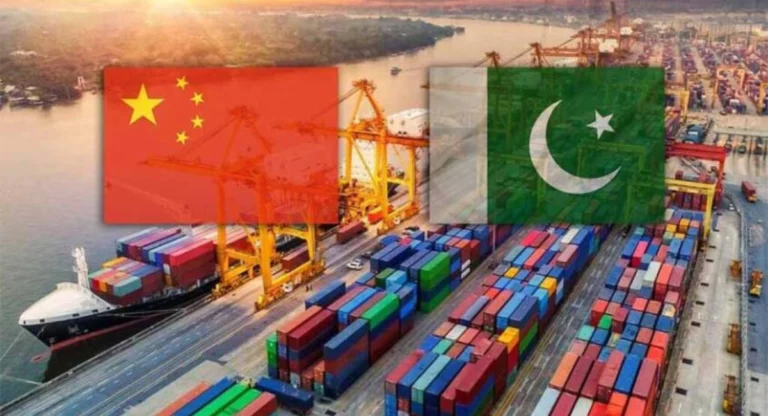
The evolving diplomatic developments between Iran and United States are being closely watched by commodity markets, particularly in Asia. According to recent remarks by Pakistan’s Finance Minister Muhammad Aurangzeb, a potential sanctions relief framework could unlock new trade corridors and improve regional economic integration.
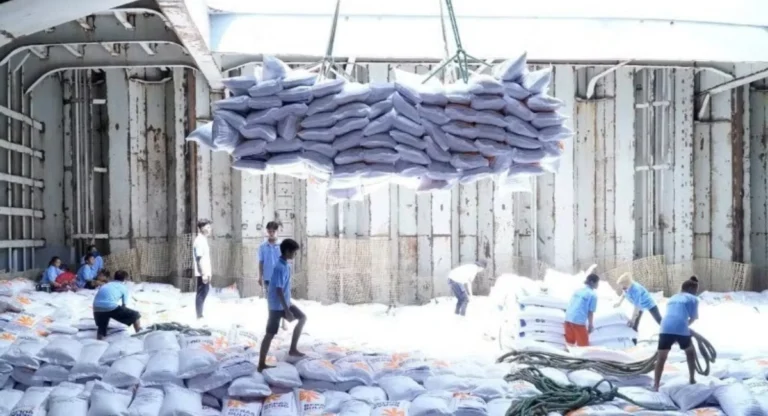
For stakeholders in the global rice market, this shift carries significant implications. Pakistan’s agricultural export sector—especially Pakistan rice exports and premium Basmati rice shipments—relies heavily on stable logistics routes, predictable payment mechanisms, and access to diversified markets. Any easing of sanctions in the region may influence shipping flows, insurance costs, and cross-border settlement systems, all of which are critical for rice trade efficiency.
In a broader context, international rice importers are currently navigating volatile freight rates, fluctuating currency conditions, and shifting supply-demand balances. The potential normalization of trade with Iran could introduce new transit routes and alternative entry points for Pakistani commodities, strengthening regional competitiveness.
What opportunities could sanctions relief create for Pakistan rice exports?
If sanctions on Iran are lifted or significantly reduced, Pakistan could gain access to expanded overland and maritime trade channels. This development is particularly relevant for exporters dealing in Basmati rice, which requires efficient logistics to maintain grain quality and meet strict international buyer standards.
For Pakistan rice exports, improved access to Iranian markets and transit routes could reduce dependency on longer sea routes through congested global shipping lanes. This may lower freight costs and shorten delivery timelines for rice importers across the Middle East and Central Asia.
Additionally, Iranian ports could serve as alternative transshipment hubs, enabling Pakistani exporters to diversify distribution networks. This is especially valuable in the context of rising competition in the global rice market, where India, Thailand, and Vietnam continue to expand their export footprints.
From a policy perspective, enhanced regional trade alignment may also encourage financial institutions to reassess payment risk models. Reduced friction in banking channels would support smoother transactions between exporters and rice importers, improving liquidity across the rice industry news landscape.
Will logistics and shipping routes improve for Basmati rice buyers?
Logistics remains one of the most critical cost drivers in international rice trade. Any improvement in regional connectivity between Pakistan, Iran, and Gulf transit points could significantly benefit exporters and buyers alike.
For Basmati rice suppliers in Pakistan, route optimization is essential to preserve grain integrity and reduce post-harvest losses. Shorter transit times mean better aroma retention, lower spoilage risk, and improved consistency—key factors for premium rice importers in Europe, the Middle East, and North America.
If Iranian infrastructure becomes more integrated into regional trade flows, exporters may be able to access hybrid logistics models combining road, rail, and sea transport. This could also reduce reliance on single-route vulnerabilities, a growing concern in global rice supply chains.
In addition, insurance premiums for cargo shipments could stabilize if geopolitical risks decline. This would further enhance cost predictability for rice distributors managing large-scale import contracts.
How might global rice prices and supply chains respond?
The global rice market is currently influenced by climate variability, export restrictions in key producing countries, and fluctuating demand from Asia and Africa. Any new trade corridor emerging from an Iran–US agreement could introduce additional supply chain flexibility.
For Pakistan rice exports, improved regional access may enhance competitiveness in price-sensitive markets. Reduced transportation costs and improved financial settlement mechanisms could allow exporters to offer more stable pricing to international buyers.
At the same time, global rice importers may benefit from diversified sourcing options. This diversification is particularly important as countries increasingly prioritize food security and supply chain resilience.
However, price impacts are unlikely to be immediate. Structural changes in rice trade typically require adjustments in port infrastructure, customs coordination, and shipping networks. Over time, though, enhanced regional cooperation could contribute to more balanced pricing across the global rice industry.
What should rice importers and distributors do next?
Rice importers and distributors should closely monitor policy developments related to sanctions relief and regional trade integration. Early awareness of shifting trade corridors can provide a competitive advantage in procurement planning and contract negotiation.
Businesses engaged in bulk rice purchasing—especially those sourcing Basmati rice—should evaluate alternative supply chain routes and assess potential cost savings linked to improved logistics efficiency.
Distributors may also consider diversifying supplier portfolios to include exporters positioned within emerging trade corridors. This strategy helps mitigate risk while ensuring consistent supply in a volatile global rice market.
Forward-looking procurement strategies will be essential as geopolitical developments continue to shape rice trade flows across Asia, the Middle East, and beyond.
From AHK Rice’s perspective, any easing of regional sanctions and improved Iran-linked trade routes could gradually enhance export efficiency for Pakistan rice exporters. While immediate price shifts are unlikely, logistics optimization and payment facilitation may improve medium-term competitiveness.
International rice importers should view this as a structural opportunity to diversify sourcing and secure more stable long-term contracts in the evolving rice industry news cycle.