Pakistan–Philippines Rice Trade Volume and Market Potential
Pakistan and the Philippines continue to strengthen their rice trade because the Philippines imports millions of metric tons of rice annually while Pakistan supplies premium Basmati and non-Basmati varieties with competitive pricing and consistent export quality. Here is why: expanding food demand, diversified sourcing strategies, and improving bilateral trade create long-term opportunities for both countries.
Rice remains one of the most important agricultural commodities traded between Pakistan and the Philippines. Pakistan ranks among the world’s largest rice exporters, while the Philippines consistently imports rice to meet domestic consumption requirements. This trade relationship supports food security, strengthens regional commerce, and creates opportunities for exporters, importers, processors, logistics companies, and food distributors.
Understanding the Pakistan–Philippines rice trade requires examining production, demand, export procedures, market requirements, quality standards, and future market trends.
What Is Pakistan–Philippines Rice Trade Volume and Market Potential?
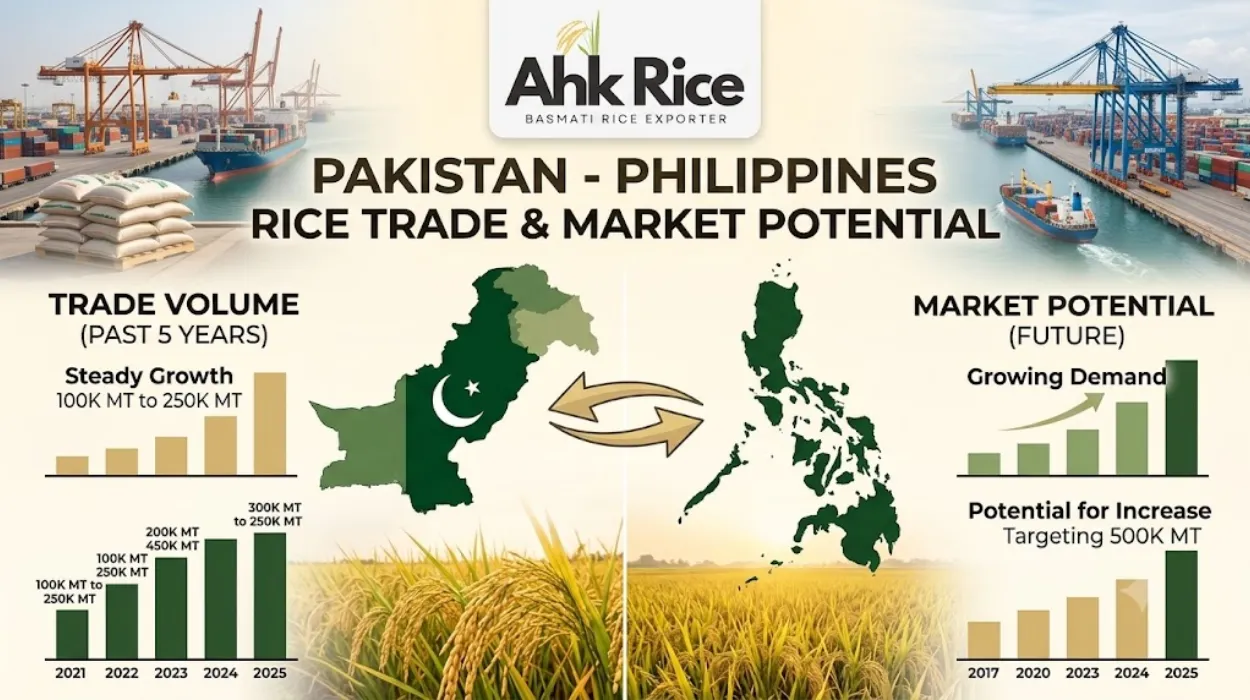
Pakistan exports premium Basmati and non-Basmati rice, while the Philippines imports rice to bridge domestic supply gaps. Rising population, stable consumption, and diversified sourcing increase long-term market potential.
Pakistan–Philippines rice trade refers to the commercial exchange of rice exported from Pakistan and imported into the Philippine market.
Pakistan produces rice across Punjab and Sindh. Punjab specializes in aromatic Basmati varieties including 1121 Basmati, Super Kernel Basmati, and 1509 Basmati. Sindh primarily cultivates long-grain IRRI varieties.
The Philippines consumes significantly more rice than many neighboring countries. Rice forms the staple food in nearly every household, making imports necessary whenever domestic production falls short of annual demand (Source: Philippine Statistics Authority).
The trade relationship includes:
- Rice cultivation
- Milling
- Quality inspection
- Export documentation
- Ocean transportation
- Customs clearance
- Wholesale distribution
Countries increasingly diversify suppliers because food security depends on uninterrupted imports. Pakistan has become an important supplier alongside Vietnam, Thailand, and India.
This overview explains the foundation of the trade relationship. The next section examines how the complete export chain operates.
How Does the Pakistan–Philippines Rice Trade Work?
Rice moves through nine major export stages from cultivation to final delivery. Every stage protects quality, food safety, and international compliance.
Pakistan follows an organized export process before rice reaches Philippine buyers.
Rice Export Process
- Cultivate certified rice varieties.
- Harvest mature paddy.
- Dry harvested grain.
- Mill the paddy.
- Polish and grade rice.
- Inspect and test quality.
- Package export consignments.
- Load containers.
- Ship to Philippine ports.
Each processing stage maintains grain quality.
Moisture content receives careful testing before storage. Excess moisture reduces shelf life and increases spoilage risk.
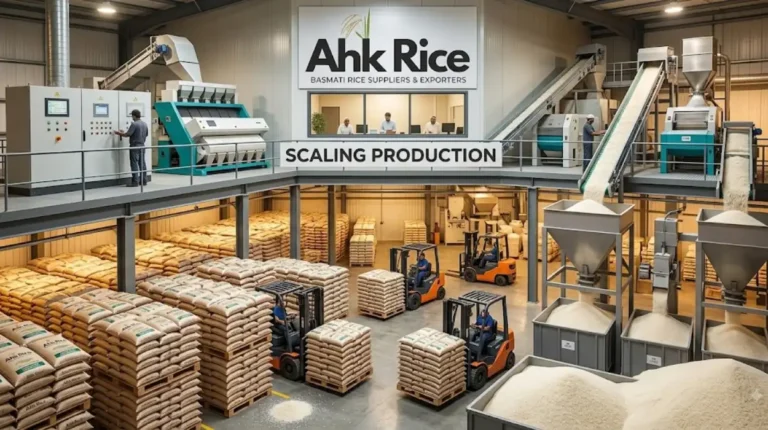
Modern mills use colour sorters to remove damaged grains. Length graders separate premium export grades from lower commercial grades.
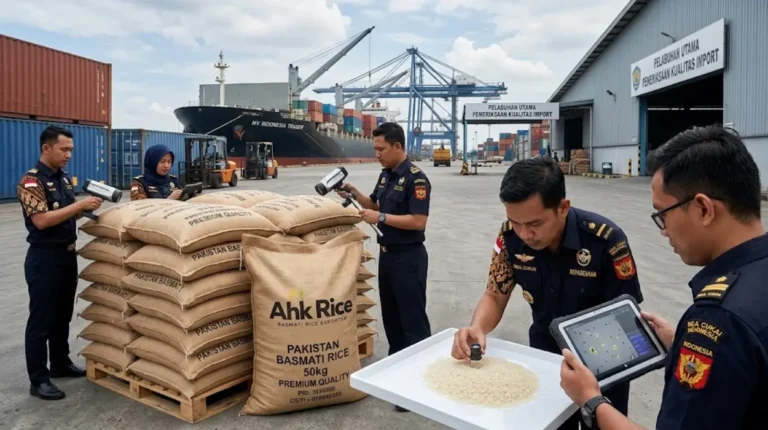
Independent laboratories inspect samples before shipment. Exporters verify grain length, broken percentage, moisture, chalkiness, foreign matter, and purity.
Shipping generally occurs in 20-foot or 40-foot containers through Karachi Port or Port Qasim before arriving at Philippine ports such as Manila or Cebu.
With the export workflow established, understanding the individual components explains why international buyers specify detailed requirements.
What Are the Key Components of Pakistan–Philippines Rice Trade?
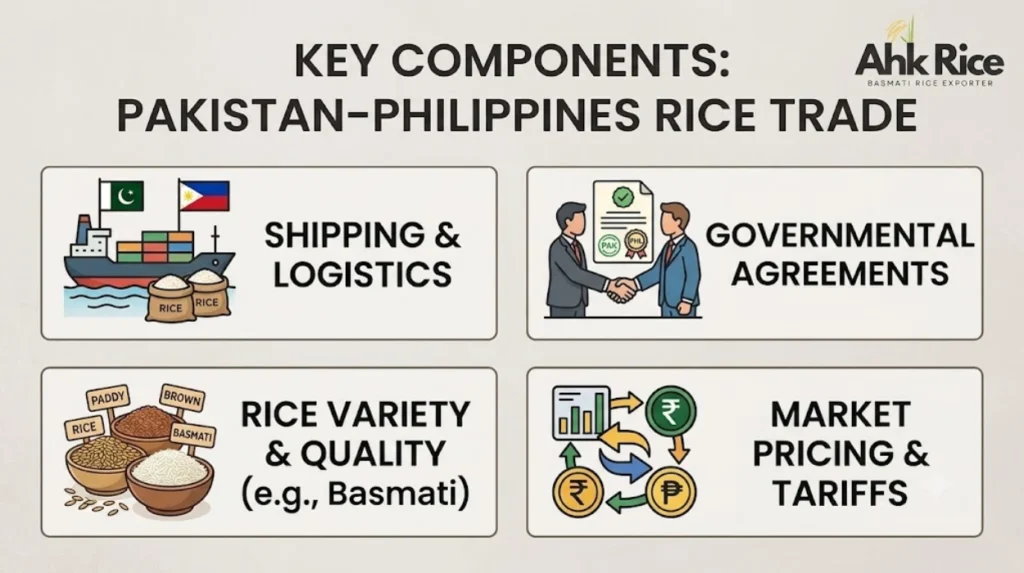
Production, processing, logistics, certification, pricing, and importer demand determine successful rice exports between both countries.
Several interconnected components influence rice exports.
Rice Production
Punjab produces Pakistan’s famous aromatic Basmati rice.
Sindh produces high-volume non-Basmati rice suitable for commercial markets.
Rice Processing
Modern mills perform:
- Cleaning
- De-husking
- Polishing
- Colour sorting
- Length grading
- Metal detection
- Packaging
Each processing stage improves consistency.
Quality Assurance
Quality laboratories inspect:
- Grain length
- Moisture
- Broken percentage
- Foreign matter
- Purity
- Fragrance
Testing ensures export specifications match buyer contracts.
Export Logistics
International logistics include:
- Inland transportation
- Container loading
- Customs documentation
- Freight booking
- Ocean shipping
- Port clearance
Efficient logistics reduce delays and preserve product quality.
Import Regulations
Philippine importers comply with government regulations covering food safety, customs procedures, import permits, and inspection requirements before commercial distribution.
Understanding these components helps explain the practical advantages created by this trade relationship.
What Benefits Does Pakistan–Philippines Rice Trade Provide?
Stable food supply, diversified sourcing, competitive pricing, premium rice availability, and stronger bilateral trade benefit both exporting and importing countries.
Rice imports strengthen food availability across the Philippines.
Pakistan benefits through increased agricultural exports, foreign exchange earnings, employment generation, and investment in modern rice processing facilities.
Philippine buyers gain access to multiple rice categories instead of depending upon one exporting country.
Competition between exporting nations encourages improved processing standards, packaging quality, and logistics efficiency.
Consumers also benefit.
Restaurants, hotels, supermarkets, wholesalers, institutional buyers, and catering companies obtain rice varieties suitable for different cooking applications.
Economic cooperation expands beyond rice because agricultural trade often strengthens broader commercial relationships between countries.
The benefits become clearer when examining the industries that rely upon imported rice.
Where Is Pakistani Rice Used in the Philippine Market?
Retail, wholesale, hospitality, food service, supermarkets, and food manufacturing industries purchase imported Pakistani rice for different commercial applications.
Different sectors require different rice specifications.
Retail Distribution
Supermarkets package premium Basmati for household consumers seeking aromatic rice.
Hotels
Luxury hotels prefer extra-long grain varieties for buffet service and international cuisine.
Restaurants
Restaurants select rice according to menu requirements.
Examples include:
- Biryani restaurants
- Middle Eastern restaurants
- Indian restaurants
- Fusion restaurants
Wholesale Markets
Large distributors import container quantities before supplying regional traders.
Food Manufacturers
Food processors purchase rice for packaged meals and specialty food products.
Different applications require different rice varieties, grades, and processing methods.
Readers interested in the specific varieties preferred by Philippine buyers should continue with our guide discussing the Pakistani rice varieties most frequently selected by importers.
Understanding usage leads naturally to examining the products themselves.
Which Pakistani Rice Varieties Support This Trade?
1121 Basmati, Super Kernel Basmati, 1509 Basmati, IRRI-6, IRRI-9, PK-386, and Brown Rice represent Pakistan’s major export grades.
Pakistan exports several rice categories.
1121 Basmati
1121 Basmati produces extra-long cooked grains with strong aroma.
Super Kernel Basmati
Super Kernel combines fragrance with traditional cooking characteristics.
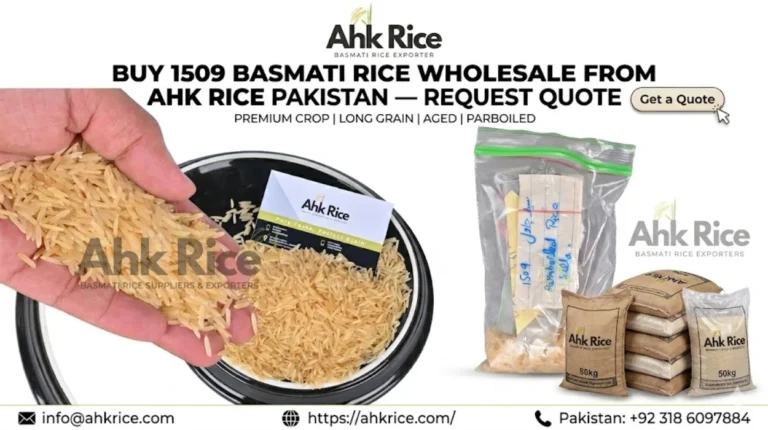
1509 Basmati
1509 matures earlier while maintaining long grain appearance.
IRRI Varieties
IRRI rice supports commercial food service because it offers competitive pricing.
Brown Rice
Brown rice retains bran layers and attracts health-conscious consumers.
Each variety serves different customer preferences across international markets.
Selecting the correct grade depends upon cooking application, price expectations, and consumer demand.
The next section addresses common misconceptions surrounding this growing trade.
What Common Misconceptions Exist About Pakistan–Philippines Rice Trade?
Trade volume depends on regulations, quality standards, pricing, logistics, and importer demand rather than one single factor.
Several misconceptions create confusion.
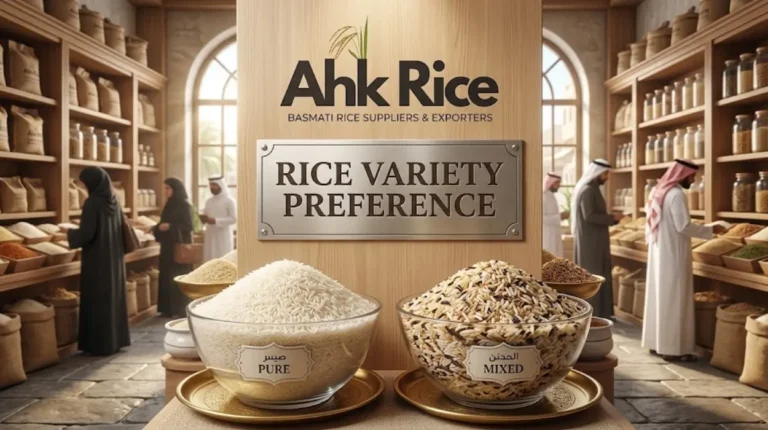
One misconception assumes only Basmati rice enters the Philippine market.
Pakistan exports both aromatic and non-aromatic rice according to importer specifications.
Another misconception suggests lower pricing automatically determines purchasing decisions.
Importers compare:
- Quality
- Consistency
- Delivery schedules
- Packaging
- Certifications
- Supplier reliability
Another misconception assumes export quality depends only upon cultivation.
Quality begins during cultivation but continues through milling, grading, testing, storage, packaging, and shipping.
Understanding these realities provides a clearer picture of future opportunities.
Why Does the Future Market Potential Continue Growing?
Population growth, food security planning, diversified sourcing, improved processing, and expanding trade relationships support long-term market development.
Rice consumption continues increasing as populations expand.
Governments prioritize reliable food supplies through diversified import sources.
Modern rice mills improve efficiency through automation, optical sorting, moisture control, and laboratory testing.
Exporters increasingly adopt international food safety systems that simplify international trade.
Containerized shipping improves logistics efficiency and reduces handling losses.
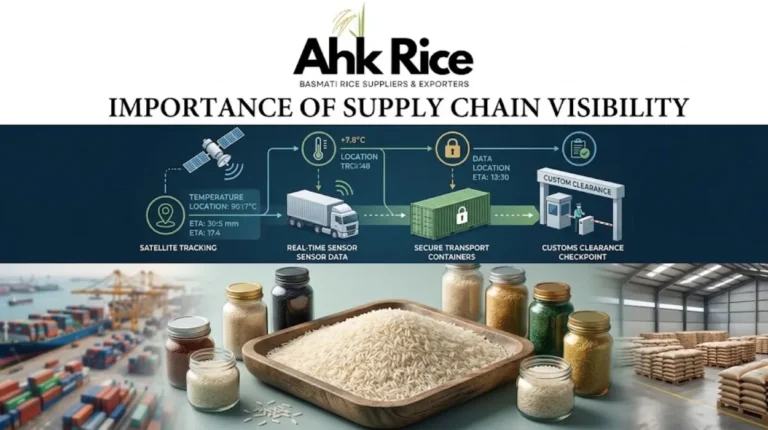
Digital supply chain management also increases shipment visibility from loading through final delivery.
Pakistan continues investing in milling technology, grading equipment, packaging solutions, and export infrastructure.
These improvements strengthen competitiveness within international rice markets.
Pakistan–Philippines rice trade represents an important agricultural partnership built upon complementary market needs. Pakistan contributes premium Basmati and commercial rice varieties, while the Philippines maintains consistent import demand to support domestic food security. Efficient cultivation, modern processing, strict quality inspection, internationally recognized certifications, and organized logistics enable rice to move successfully from Pakistani farms to Philippine consumers. As production technology advances and bilateral trade expands, this market continues offering sustainable long-term opportunities for exporters, importers, distributors, and the wider food industry.
Frequently Asked Questions
What rice varieties does Pakistan export to the Philippines?
Pakistan exports 1121 Basmati, Super Kernel Basmati, 1509 Basmati, IRRI-6, IRRI-9, PK-386, and Brown Rice depending on importer requirements.
Why does the Philippines import rice from Pakistan?
The Philippines imports rice to supplement domestic production, diversify suppliers, strengthen food security, and satisfy demand for premium aromatic rice.
Which Pakistani province produces most Basmati rice?
Punjab produces most of Pakistan’s premium Basmati rice because of its favorable climate, fertile soil, and established cultivation practices.
What certifications are commonly required for rice exports?
Common certifications include ISO 22000, HACCP, Phytosanitary Certificate, Fumigation Certificate, Certificate of Origin, and SGS inspection reports when requested by buyers.
Which industries purchase imported Pakistani rice?
Retail supermarkets, wholesalers, restaurants, hotels, catering companies, distributors, and food manufacturers regularly purchase imported Pakistani rice.