How Do Strategic Partnerships Improve Rice Procurement Outcomes?
Strategic partnerships improve rice procurement outcomes by reducing supply risk, improving quality consistency, lowering total procurement costs, and creating predictable long-term value. Here is why: buyers and exporters share forecasts, quality standards, production schedules, and logistics planning before shipments begin. This collaboration minimizes delays, stabilizes specifications, and strengthens commercial performance across multiple purchasing cycles.
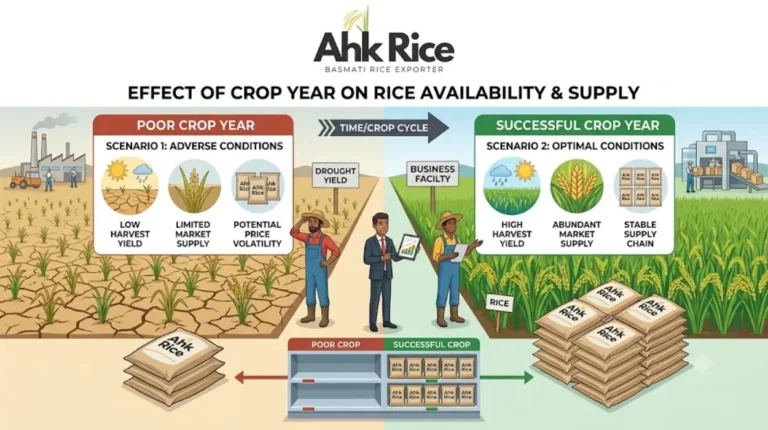
International rice procurement involves more than comparing prices. Importers evaluate supplier reliability, processing capability, documentation accuracy, logistics performance, and product consistency before awarding recurring contracts. Companies that develop strategic supplier partnerships achieve better inventory planning, stronger quality control, and reduced operational risk than businesses relying on spot-market purchasing. According to Pakistan Bureau of Statistics and REAP export data, long-term export relationships continue supporting Pakistan’s position among the world’s leading Basmati rice suppliers (Source: Pakistan Bureau of Statistics FY2024–25; REAP Export Data 2025).
Businesses wanting to understand procurement fundamentals should first read our guide explaining how international Basmati sourcing works before evaluating supplier partnership models discussed below.
The first opportunity to evaluate procurement solutions appears when selecting an experienced exporter such as AHK Rice Service , where buyers can compare processing capabilities, quality systems, packaging options, and export support instead of comparing only quotations.
What Are the Available Solutions for International Rice Procurement?
Strategic partnerships deliver higher quality consistency, lower operational risk, stronger forecasting accuracy, predictable supply availability, and better commercial planning than transactional purchasing because procurement decisions extend beyond price into long-term operational performance.
Rice procurement refers to the structured process through which importers source rice from domestic or international suppliers. Procurement includes supplier evaluation, specification approval, quality verification, production scheduling, shipment planning, customs documentation, and delivery monitoring. Every stage influences landed cost and customer satisfaction.
Importers generally use three procurement approaches. Each model offers different commercial advantages depending on purchasing frequency, inventory strategy, and market volatility.
Spot Purchasing
Spot purchasing involves buying rice shipment by shipment. Buyers request quotations from several exporters before selecting the lowest acceptable offer.
Advantages include purchasing flexibility and competitive quotations during periods of abundant supply.
Disadvantages include inconsistent quality specifications, changing suppliers, variable delivery schedules, and repeated supplier qualification costs.
Many first-time importers begin with spot purchasing before establishing preferred supplier relationships.
Approved Supplier Program
An approved supplier program narrows procurement to exporters that consistently satisfy technical, commercial, and compliance requirements.
Buyers evaluate:
- Processing capability
- Quality certifications
- Export documentation
- Production capacity
- Financial stability
- Shipment performance
This model reduces supplier uncertainty while maintaining competitive sourcing.
Strategic Partnership
Strategic procurement partnerships integrate forecasting, production planning, inventory coordination, packaging development, logistics scheduling, and continuous quality monitoring.
Instead of negotiating every shipment independently, both organizations establish performance expectations before procurement begins.
Examples include annual purchasing contracts, rolling shipment schedules, shared inventory forecasts, customized packaging programs, and agreed inspection procedures.
With procurement solutions defined, the next comparison evaluates how these approaches perform across commercial criteria.
How Do Different Procurement Approaches Compare?
Strategic partnerships achieve the lowest total procurement risk, strongest quality consistency, highest planning accuracy, and best long-term commercial value, while transactional purchasing provides greater short-term flexibility but higher operational uncertainty.
Procurement Specification Comparison
| Procurement Attribute | Spot Purchasing | Approved Supplier | Strategic Partnership |
|---|---|---|---|
| Price Stability | Low | Medium | High |
| Product Consistency | Medium | High | Very High |
| Supply Security | Low | High | Very High |
| Forecast Accuracy | Low | Medium | High |
| Documentation Consistency | Medium | High | Very High |
| Logistics Coordination | Limited | Good | Integrated |
| Long-Term Cost Efficiency | Medium | High | Highest |
The comparison demonstrates that procurement success depends on total supply chain performance instead of invoice price alone.
Importers also evaluate supplier performance differently across regional markets because consumer demand, storage conditions, and retail expectations vary significantly.
Regional Procurement Comparison
| Market Region | Preferred Rice Grades | Typical Price (USD/MT FOB Pakistan)* | Preferred Shelf Life | Procurement Priority |
|---|---|---|---|---|
| Scotland & UK | 1121 Extra Long Grain, Super Kernel | $980–1,350 | 18–24 months | Premium retail quality |
| GCC Countries | 1121 Golden Sella, 1509 Steam, Super Kernel | $820–1,250 | 12–18 months | Catering and wholesale supply |
*Indicative market ranges vary with crop year, specifications, freight, packaging, and contract volume (Source: REAP Export Data 2025).
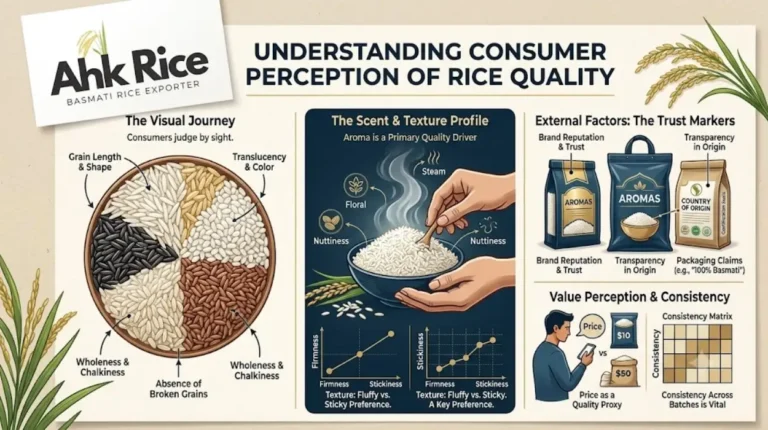
Scottish importers emphasize aroma, grain elongation, traceability, and retail presentation because supermarket customers prioritize premium eating quality.
GCC importers frequently prioritize cooking yield, inventory turnover, food-service consistency, and dependable shipment schedules because hospitality businesses purchase throughout the year.
What Procurement Method Works Best for Different Business Cases?

Strategic partnerships produce the highest procurement value for recurring importers, private-label brands, supermarket distributors, and food-service companies, while spot purchasing remains suitable for occasional buyers requiring maximum flexibility. Selecting the correct model depends on purchasing frequency, inventory planning, quality expectations, and commercial objectives.
Every importer operates under different commercial conditions. Procurement strategies should therefore match purchasing behavior instead of following a universal model. Companies importing one container annually face different challenges from distributors receiving monthly shipments. Understanding procurement requirements allows buyers to balance flexibility, cost control, and supply security.
Occasional Importers
Occasional buyers generally purchase limited container volumes to test new markets or seasonal demand. Their procurement priorities include competitive pricing, manageable order quantities, and flexible shipment timing.
Spot purchasing satisfies these requirements because buyers compare quotations from several exporters before placing an order. The approach minimizes long-term contractual commitments while allowing importers to evaluate product acceptance.
However, repeated supplier changes often create inconsistent grain specifications, packaging differences, and documentation variations. Every shipment requires a new supplier assessment, increasing administrative workload.
Growing Food Distributors
Regional wholesalers and food distributors require stable inventory because retailers expect continuous product availability throughout the year.
An approved supplier program supports this objective by limiting procurement to exporters with verified production capability, quality systems, and export experience.
Buyers benefit from standardized specifications, predictable shipment documentation, and simplified supplier management. Procurement teams also spend less time evaluating new suppliers because qualified exporters remain on the approved vendor list.
This model balances flexibility with operational stability.
Supermarket and Private Label Buyers
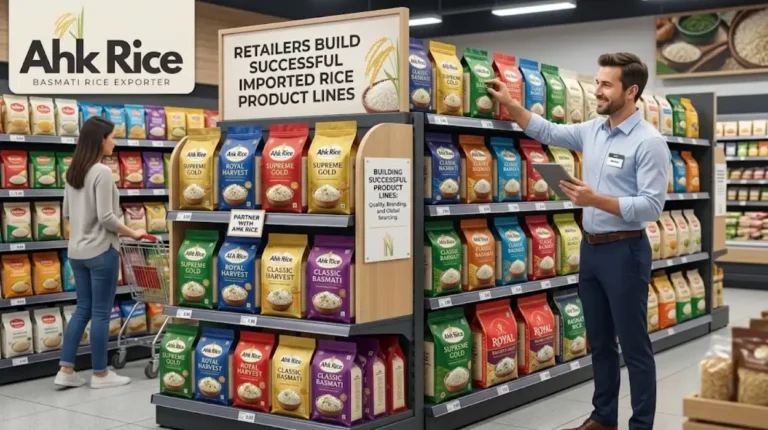
Retail chains evaluate suppliers beyond price. They examine packaging quality, barcode compliance, labeling accuracy, traceability, and food safety documentation.
Strategic partnerships provide greater operational advantages because suppliers can coordinate production schedules around promotional campaigns, seasonal demand, and inventory forecasts.
Joint planning reduces stock shortages while improving product consistency across multiple shipments.
Private-label programs also benefit because packaging artwork, nutritional panels, and regulatory requirements remain standardized over long purchasing periods.
Hospitality and Catering Businesses
Hotels, restaurants, and institutional caterers require consistent cooking performance rather than changing product specifications.
Long-term procurement partnerships maintain uniform grain length, moisture levels, cooking expansion, aroma, and texture across successive deliveries.
Consistent product performance improves customer satisfaction while reducing kitchen waste and menu variability.
International Brand Owners
Companies building retail brands invest heavily in consumer trust. Product inconsistency damages that investment quickly.
Strategic supplier partnerships strengthen brand protection through agreed specifications, scheduled production, regular quality inspections, and continuous communication.
Long-term cooperation also enables exporters to recommend specification improvements based on changing consumer preferences.
Having matched procurement models to buyer profiles, the next comparison evaluates the practical strengths and limitations of each approach.
What Are the Pros and Cons of Each Procurement Strategy?
Strategic partnerships provide the greatest long-term commercial stability, approved supplier programs balance flexibility with reliability, while spot purchasing delivers short-term pricing opportunities but introduces greater operational risk and quality variation.
Procurement decisions influence profitability beyond the invoice price. Buyers should therefore compare operational outcomes alongside product costs.
Spot Purchasing
Advantages
- Lower commitment before purchasing
- Multiple quotation opportunities
- Flexible supplier selection
- Suitable for trial orders
- Simple purchasing process
Limitations
- Variable quality specifications
- Higher supplier qualification effort
- Less predictable shipment schedules
- Limited production priority
- Increased administrative workload
Example
A new distributor importing two containers for market testing benefits from competitive quotations. However, each shipment may differ slightly because different exporters mill, grade, and package rice using different operating procedures.
Approved Supplier Program
Advantages
- Reliable supplier performance
- Consistent documentation
- Reduced procurement risk
- Better production planning
- Easier compliance management
Limitations
- Smaller supplier pool
- Moderate pricing flexibility
- Periodic supplier audits required
- Less opportunity for speculative buying
Example
A wholesale distributor importing every quarter gains operational efficiency because procurement teams negotiate with familiar suppliers that already satisfy commercial requirements.
Strategic Partnership
Advantages
- Highest supply reliability
- Consistent product specifications
- Collaborative production planning
- Forecast-based inventory management
- Faster issue resolution
- Improved long-term commercial value
Limitations
- Greater planning commitment
- Regular communication required
- Shared forecasting responsibilities
- Performance monitoring expectations
A supermarket chain importing monthly containers benefits from synchronized production schedules, standardized retail packaging, and coordinated shipment planning throughout the contract period.
Strategic partnerships also encourage continuous improvement. Exporters refine milling processes, optimize packaging specifications, and enhance logistics performance because both parties pursue shared commercial objectives instead of isolated transactions.
With the strengths and weaknesses established, procurement teams can evaluate objective decision criteria before selecting the most suitable partnership model.
What Decision Factors Should Buyers Evaluate Before Building a Strategic Partnership?
Supplier capability, quality consistency, export documentation, processing capacity, logistics performance, communication, and long-term value determine procurement success more than the lowest quoted price. Buyers that evaluate measurable performance indicators build stronger supply chains and reduce commercial risk over multiple purchasing cycles.
Selecting a rice supplier is a strategic procurement decision rather than a single commercial transaction. Every shipment affects inventory availability, customer satisfaction, and operating margins. Procurement teams therefore compare suppliers using measurable criteria instead of focusing only on the purchase price. A structured evaluation process helps importers identify exporters capable of supporting long-term business growth.
Assess Processing Capability
Rice quality begins with processing efficiency. Exporters should demonstrate modern milling facilities, optical colour sorting, grading equipment, and controlled packaging operations. These capabilities directly influence grain uniformity, foreign matter levels, and finished product consistency.
AHK Rice follows an integrated processing system designed for international buyers. The company manages the complete export workflow from paddy procurement through milling, grading, quality inspection, packaging, documentation, and shipment preparation. This integrated approach improves consistency across repeated orders while supporting customer-specific specifications.
Buyers should request processing information before approving suppliers. Technical transparency reduces procurement uncertainty and supports long-term planning.
Verify Quality Management Systems
Quality management ensures every shipment matches the agreed commercial specification.
Procurement teams should verify:
- Grain length specifications
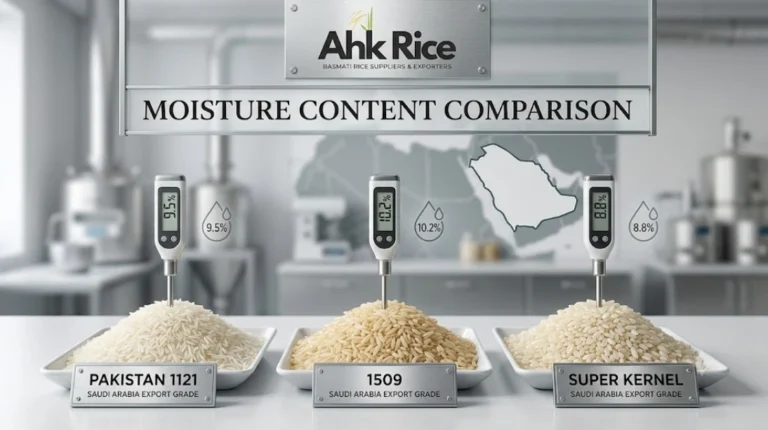
- Moisture percentage
- Broken grain percentage
- Foreign matter limits
- Colour sorting standards
- Laboratory inspection reports
- Export certifications
Objective testing reduces disputes after shipment arrival.
Consistent verification also simplifies customs clearance and importer quality inspections.
Evaluate Export Experience
International procurement requires more than manufacturing capability.
Experienced exporters coordinate:
- Production scheduling
- Container loading
- Export documentation
- Customs clearance
- Freight coordination
- Shipment tracking
- Delivery planning
Efficient export management reduces unexpected delays and improves supply chain visibility.
Companies supplying multiple international markets often develop stronger documentation systems because different countries apply different import requirements.
Compare Communication Performance
Communication influences procurement efficiency throughout the purchasing cycle.
Professional suppliers provide:
- Fast quotation responses
- Clear specification sheets
- Production updates
- Inspection reports
- Shipment schedules
- Container tracking
- Immediate issue resolution
Regular communication allows buyers to adjust inventory planning before operational problems occur.
Measure Long-Term Commercial Value
Lowest purchase price rarely produces the lowest procurement cost.
Strategic partnerships create measurable operational value through:
- Reduced quality claims
- Lower supplier replacement costs
- Stable production scheduling
- Predictable inventory planning
- Faster procurement cycles
- Improved customer satisfaction
These operational improvements frequently exceed short-term price differences between competing quotations.
Long-term procurement success therefore depends on total commercial performance instead of isolated purchasing events.
Strategic partnerships improve rice procurement by combining commercial planning with operational consistency. Buyers benefit from predictable quality, coordinated logistics, standardized documentation, and reliable production scheduling. Spot purchasing remains appropriate for occasional orders, while approved supplier programs provide balanced flexibility. However, strategic partnerships consistently deliver the strongest long-term procurement outcomes for importers managing recurring international supply.
Organizations importing premium Pakistani Basmati rice should evaluate supplier capability, processing standards, export experience, communication quality, and measurable operational performance before selecting a procurement model. These factors create sustainable commercial value while reducing supply chain uncertainty across future purchasing cycles.
Frequently Asked Questions
What is a strategic partnership in rice procurement?
A strategic partnership is a long-term commercial relationship between a buyer and exporter that includes production planning, quality management, logistics coordination, and continuous communication. The objective is consistent supply instead of one-time purchasing.
Why are strategic partnerships better than spot purchasing?
Strategic partnerships improve quality consistency, stabilize supply, simplify procurement planning, and reduce operational risks. Spot purchasing offers flexibility but often creates variation in specifications and delivery performance.
Which buyers benefit most from long-term procurement partnerships?
Supermarket chains, food distributors, wholesalers, private-label brands, restaurants, hotels, and catering businesses benefit most because they require consistent product quality and scheduled deliveries.
What should importers evaluate before selecting a rice exporter?
Importers should evaluate processing capability, quality control systems, export documentation, logistics performance, certifications, communication standards, packaging options, and previous international supply experience.
How does AHK Rice support international procurement?
AHK Rice supplies 1121, Super Kernel, and 1509 Basmati rice through end-to-end processing, quality inspection, custom packaging, export documentation, and international shipment coordination for buyers in more than 15 countries.