How UK Rice Importers and Asian Grocery Chains Source from Pakistan in 2026
UK rice importers and Asian grocery chains source Pakistani rice through specification-based supplier selection, sample approval, food-safety testing, documentation, and container shipment. Here is why: Pakistan supplies Basmati grades such as 1121, Super Kernel, and 1509 to UK wholesale, retail, and foodservice channels.
What is sourcing Pakistani rice for the UK market?
UK rice sourcing means selecting Pakistani rice by variety, grade, grain length, processing, safety results, packaging, documentation, price, and delivery terms before importing commercial quantities. This process connects Pakistani mills with UK wholesalers, supermarket suppliers, ethnic grocery chains, restaurants, and distributors.
Pakistani rice sourcing starts with a product specification. A buyer defines the variety, processing grade, broken percentage, moisture level, packing format, quantity, destination port, and required documents. This specification becomes the basis for supplier comparison.
Basmati rice forms an important part of the Pakistan-UK trade. The UK imported about 109,000 tonnes of Pakistani rice in 2023, making it Pakistan’s largest European rice market. Ethnic and gourmet applications represent important demand segments. (source: CBI)
UK demand includes both traditional grocery products and private-label retail packs. Common products include 1121 White, 1121 Steam, 1121 Golden Sella, Super Kernel, and 1509 Steam.
The UK market also contains foodservice buyers. Restaurants, caterers, wholesalers, and cash-and-carry businesses purchase larger bags and grades selected for cooking performance.
With the sourcing definition established, the next question is how an importer moves from product requirements to an actual shipment.
How does the Pakistan-to-UK rice sourcing process work?
The sourcing process follows nine practical stages: define specifications, identify suppliers, request samples, test rice, approve specifications, negotiate terms, prepare documents, clear controls, and receive the shipment. Each stage reduces specification, compliance, commercial, or logistics risk for the UK buyer.
Define the product specification
Define the rice requirement before contacting exporters. Specify variety, processing type, grain length, broken percentage, moisture, crop year, packing, quantity, and intended use.
Identify Pakistani suppliers
Identify suppliers with suitable milling capacity, export experience, food-safety systems, documentation, and consistent product specifications. Importers commonly evaluate mills, exporters, brokers, and trading companies.
Request and test samples
Request samples that represent the commercial specification. Test cooking quality, aroma, grain appearance, broken percentage, moisture, and physical cleanliness.
Approve the specification
Approve specifications after laboratory and cooking evaluation. Record the accepted grade, tolerance limits, packaging, inspection requirements, and certificate requirements.
Negotiate commercial terms
Negotiate terms around FOB, CIF, payment method, quantity, shipment window, insurance, inspection, and destination port.
Prepare export documents
Prepare documents including commercial invoices, packing lists, certificates of origin, phytosanitary documents, health documentation, inspection certificates, and transport documents.
Complete UK controls
Complete UK controls before releasing the shipment. Pakistan-origin rice is subject to controls for pesticide residues, aflatoxins, and ochratoxin A. (source: GOV.UK)
Load and ship
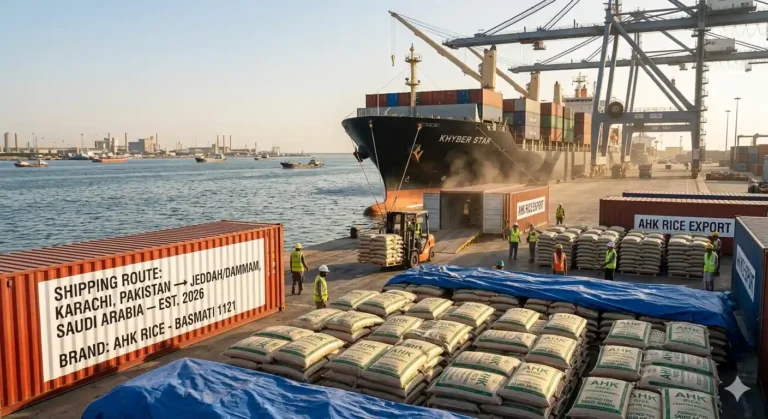
Load containers after quality approval and documentation checks. Exporters dispatch the cargo from Pakistani ports toward UK destinations such as Felixstowe or London Gateway.
Receive and distribute
Receive shipments after customs and food-control procedures. Importers then move rice into warehouses, wholesale channels, retail stores, restaurants, or distribution networks.
With the process defined, the next question is which components determine the final buying decision.
What are the key components of UK rice sourcing from Pakistan?
The main sourcing components are rice specification, supplier capability, food safety, packaging, documentation, commercial terms, inspection, logistics, and UK import compliance. Buyers evaluate these components together because a competitive rice price does not establish compliance, consistency, or delivered value.
Rice specification
Rice specification identifies the actual product being purchased. Important parameters include variety, grain length, processing grade, moisture, broken percentage, colour, aroma, milling quality, and crop year.
A buyer selecting 1121 Basmati seeks a different product profile from a buyer purchasing 1509. Super Kernel also serves buyers seeking traditional aromatic Basmati characteristics.
Processing and grading
Processing determines the final commercial form. Pakistani rice mills clean, dehusk, polish, grade, sort, and pack rice.
Common processing forms include:
- White rice
- Steam rice
- Sella rice
- Golden Sella rice
- Brown rice
- Broken rice
Parboiled products receive additional steaming and drying stages before milling and sorting.
Food safety
Food safety is central to UK sourcing. Current UK guidance lists Pakistan-origin rice under controls for pesticide residues, aflatoxins, and ochratoxin A. (source: GOV.UK)
UK legislation also specifies a 5% frequency of physical and identity checks for listed Pakistan-origin rice under the relevant controls. (source: UK legislation)
Packaging and labelling
Packaging depends on the sales channel. Asian grocery chains often require retail-ready bags such as 5 kg and 10 kg formats. Wholesale buyers use larger commercial bags for redistribution and foodservice.
Private-label sourcing adds artwork, barcode, product information, traceability, and UK-market labelling requirements.
Documentation and inspection
Importers review documents before shipment. These include certificates of origin, phytosanitary certificates, health certificates, laboratory reports, inspection certificates, invoices, packing lists, and bills of lading.
UK rice quota procedures also distinguish origin-specific requirements. Current 2026 notices identify Pakistan under the rice quota framework and require origin documentation for relevant quota arrangements. (source: Rural Payments Agency)
With the core sourcing components identified, the next question is what these controls provide to UK buyers.
What are the benefits of sourcing rice directly from Pakistan?
Direct Pakistan sourcing gives UK buyers access to established Basmati varieties, specification control, bulk purchasing, private-label packaging, origin documentation, and direct communication with mills or exporters. These benefits support retail, wholesale, foodservice, and ethnic grocery distribution.
Variety selection
Pakistani suppliers offer multiple Basmati profiles. 1121 focuses on extra-long grain presentation. Super Kernel provides traditional aromatic Basmati characteristics. 1509 provides another long-grain option for commercial distribution.
Specification control
Direct sourcing lets buyers establish measurable requirements. A contract can define grain length, moisture, broken percentage, packaging weight, inspection method, and acceptable tolerances.
Bulk procurement
Container purchasing supports wholesale distribution. Buyers can procure rice in larger quantities and distribute it across multiple stores, warehouses, restaurants, or regional wholesalers.
Private-label production
Private-label sourcing connects Pakistani milling with UK retail branding. Buyers provide packaging specifications, artwork, pack sizes, barcode requirements, and product information.
Supply-chain visibility
Direct supplier communication provides information about milling, grading, packing, loading, shipment schedules, and documentation.
The benefits become clearer through the different buyer groups using Pakistani rice in the UK market.
Which UK businesses use Pakistani rice from Pakistan?
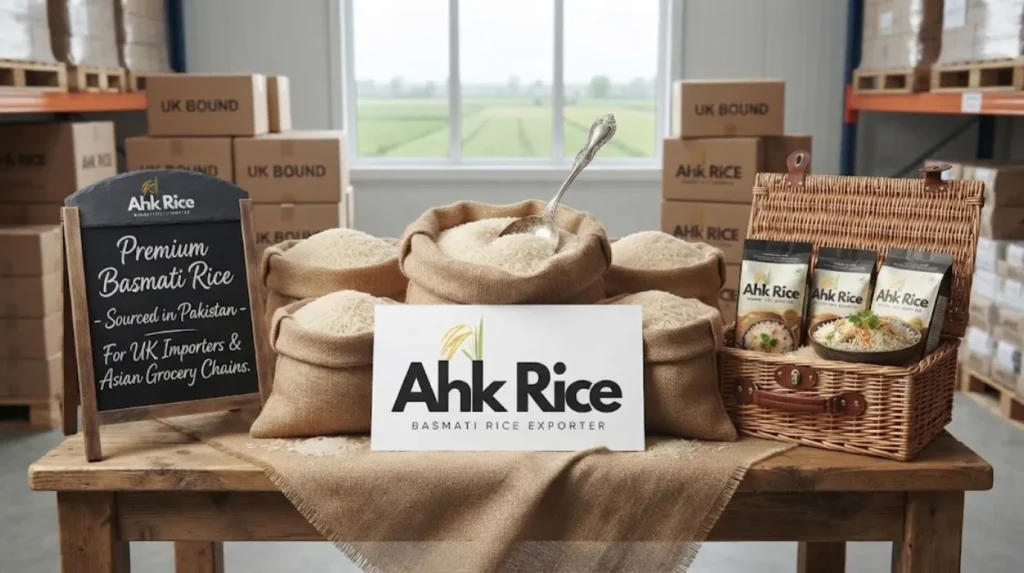
UK Asian grocery chains, wholesalers, supermarkets, restaurants, caterers, foodservice distributors, and private-label brands use Pakistani rice for different commercial purposes. Product selection changes according to customer preference, cooking method, packaging size, price segment, and distribution model.
Asian grocery chains
Asian grocery chains commonly stock Basmati rice in consumer-sized bags. 1121, Super Kernel, Steam, and Sella products serve different customer preferences.
Retail buyers focus on aroma, grain appearance, cooking performance, packaging presentation, and repeat availability.
Wholesale distributors
Wholesale distributors purchase larger quantities for resale. Their priorities include container economics, consistent grading, packaging flexibility, documentation, and predictable replenishment.
Restaurants and caterers
Foodservice buyers evaluate cooking yield, grain separation, holding performance, and consistency. Basmati products support biryani, pulao, steamed rice, and other rice-based dishes.
Private-label brands
Private-label buyers combine Pakistani rice with their own branding. The importer controls the retail proposition while the Pakistani supplier manages milling, packing, and export preparation.
Supermarket suppliers
Supermarket programmes require stronger specification control. Buyers evaluate product consistency, food-safety documentation, packaging, labelling, traceability, and supply continuity.
Pakistan’s trade engagement with the UK also includes direct meetings between exporters and UK importers, distributors, wholesalers, retailers, and foodservice companies. REAP and TDAP conducted such engagements across London, Manchester, and Birmingham in August 2026. (source: Business Recorder)
These use cases show why specification and compliance must be considered together rather than treating rice sourcing as a simple price comparison.
What problems and misconceptions affect UK rice sourcing from Pakistan?
Common sourcing problems include comparing prices without specifications, overlooking UK food controls, accepting untested samples, confusing processing grades, and treating supplier documentation as optional. A specification-led procurement process addresses these problems before commercial shipment.
Price is not the complete specification
A quoted price without grade, moisture, broken percentage, packaging, quantity, Incoterm, and destination does not provide a complete comparison.
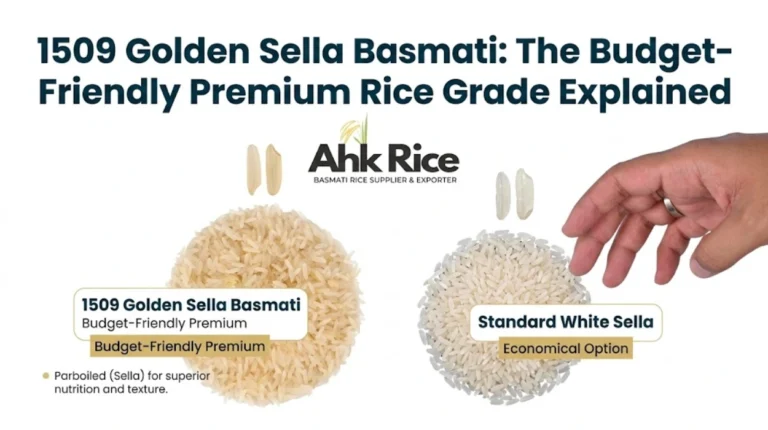
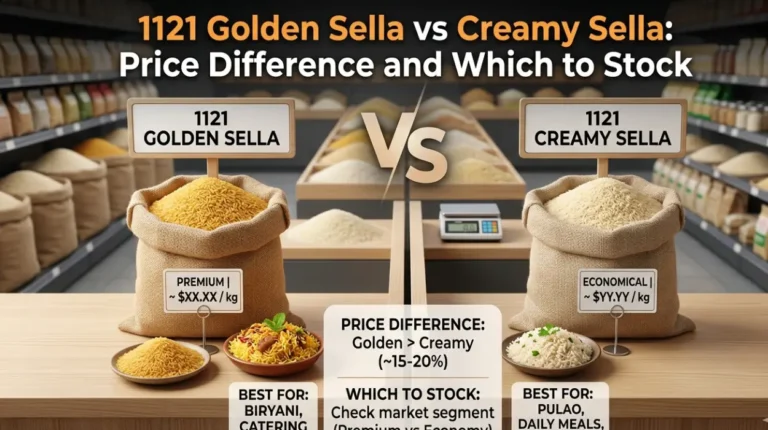
A 1121 White quotation and a 1121 Golden Sella quotation represent different processing specifications. Their prices therefore require separate comparison.
Sample approval does not replace shipment testing
A sample confirms product suitability at the evaluation stage. Commercial shipments still require documented quality control and applicable food-safety testing.
Basmati grades are not interchangeable
1121, Super Kernel, and 1509 represent different varieties and commercial specifications. White, Steam, Sella, and Golden Sella also represent different processing forms.
UK compliance is not only a customs issue
Pakistan-origin rice faces specific food-control requirements. Current UK guidance identifies pesticide residues, aflatoxins, and ochratoxin A as controlled hazards for rice from Pakistan. (source: GOV.UK)
Quotas require current documentation
UK rice quota procedures operate through defined application periods, proof-of-trade requirements, securities, and origin rules. The Rural Payments Agency published multiple 2026 quota notices, including an October 2026 application window. (source: Rural Payments Agency)
The sourcing model therefore depends on product accuracy, testing, documentation, and logistics rather than price alone. These factors also form the basis for analysing the value and size of Pakistan-UK Basmati trade.
Frequently Asked Questions
What Pakistani rice grades do UK importers commonly source?
UK importers source grades including 1121 Basmati, Super Kernel, and 1509, with processing forms such as White, Steam, Sella, and Golden Sella. Product selection depends on retail, wholesale, foodservice, and private-label requirements.
What documents are required for Pakistani rice imports into the UK?
Typical documents include commercial invoices, packing lists, certificates of origin, phytosanitary certificates, health documents, laboratory reports, inspection certificates, and bills of lading. Specific requirements depend on the product and applicable UK controls.
Does Pakistan-origin rice face UK food-safety controls?
Yes. Current UK guidance identifies pesticide residues, aflatoxins, and ochratoxin A as controlled hazards for rice originating from Pakistan. Applicable consignments must meet the relevant UK import-control requirements.
Which UK businesses buy Pakistani Basmati rice?
Major buyer categories include Asian grocery chains, wholesalers, supermarket suppliers, restaurants, caterers, foodservice distributors, and private-label brands. Each category uses different packaging, grades, quantities, and quality specifications.
Why do UK importers request rice samples?
Importers request samples to evaluate grain appearance, aroma, cooking performance, moisture, broken percentage, milling quality, and overall conformity before approving a commercial specification.
What should a UK importer include in a rice specification?
A complete specification should state variety, processing grade, grain length, broken percentage, moisture, crop year, packing format, quantity, destination, inspection requirements, and required export documents.