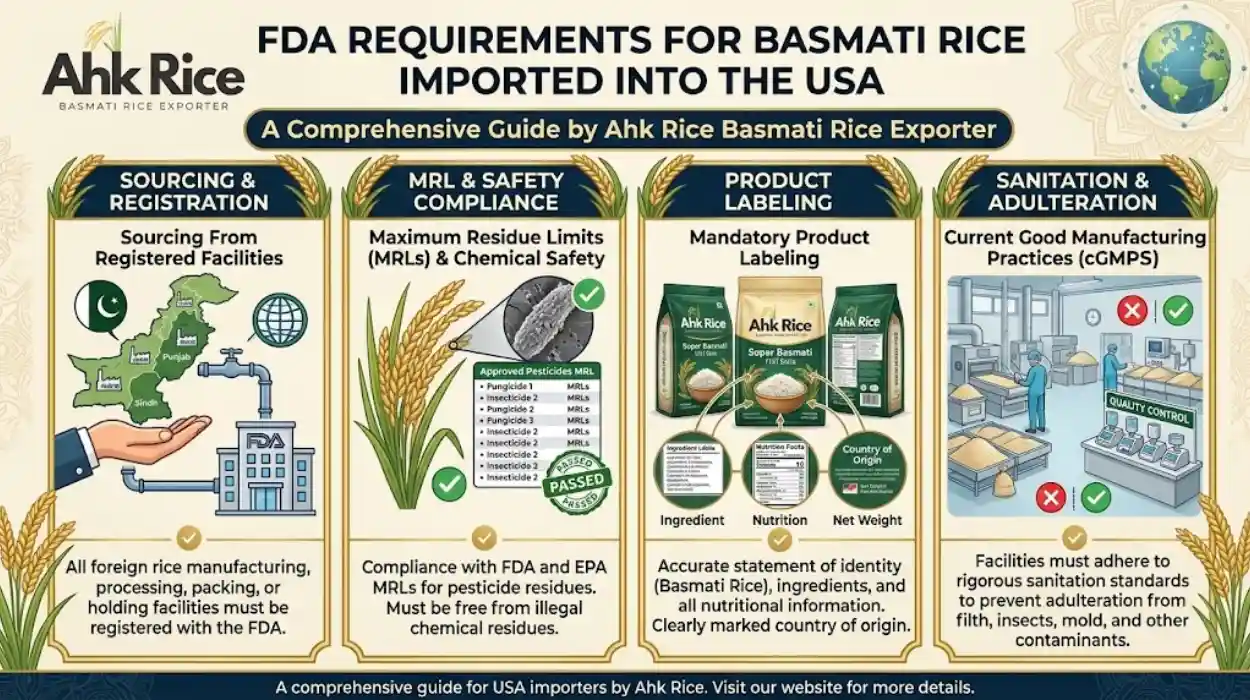
What FDA Requirements Apply to Basmati Rice Imported into the USA?
Importing Pakistani Basmati rice into the United States requires compliance with applicable U.S. Food and Drug Administration (FDA) food safety, facility registration, Prior Notice, labeling, and Foreign Supplier Verification Program (FSVP) requirements. Rice importers must also follow U.S. Customs and Border Protection (CBP) entry procedures and applicable agricultural import rules.
Pakistani Basmati varieties, including 1121, Super Kernel, and 1509 Basmati rice, enter the U.S. market through retail distribution, wholesale supply, restaurants, and foodservice operations. Their grain length, processing method, packaging, and intended use influence commercial specifications. However, FDA compliance depends on the food product and applicable regulations, not simply on the rice variety or country of origin.
What Are the FDA Requirements for Basmati Rice Imported into the USA?
FDA requirements for imported Basmati rice include applicable food facility registration, advance shipment notification, food safety compliance, truthful labeling, and importer verification responsibilities. Importers must also complete customs entry procedures and satisfy other applicable federal requirements before distributing rice commercially.
The FDA regulates food safety under the Federal Food, Drug, and Cosmetic Act and related regulations. Imported food must meet applicable U.S. standards for safety, sanitation, and labeling. The FDA can examine imported shipments and detain products that fail to comply with U.S. requirements.
For a typical commercial shipment of Pakistani Basmati rice, importers should establish responsibility for the following requirements:
- Food facility registration: Confirm that each facility subject to registration has a valid FDA registration.
- Prior Notice: Submit the required shipment information before the rice arrives.
- FSVP: Identify the responsible U.S. importer and establish the required foreign supplier verification program.
- Food safety: Assess applicable contamination risks and maintain appropriate supplier and product controls.
- Food labeling: Ensure retail packaging and other applicable labels comply with U.S. requirements.
- Customs entry: Provide accurate commercial and shipment documentation to the relevant authorities.
These obligations serve different purposes. Completing one requirement does not automatically satisfy the others.
How Does the FDA Import Process Work for Pakistani Basmati Rice?
The import process begins with supplier and facility verification, followed by product specification review, shipment preparation, Prior Notice submission, and customs entry. FDA evaluates applicable compliance requirements and can inspect shipments before importers release the rice into commercial distribution.
The process connects the Pakistani exporter, U.S. importer, customs broker, shipping company, and relevant regulatory authorities. Each party must understand its responsibilities before dispatch.
Step 1: Identify the rice variety and intended use
The importer first identifies the product, such as 1121 Steam Basmati, Super Kernel Raw Basmati, or 1509 Golden Sella. Product descriptions should accurately reflect the variety, processing method, grade, and intended use.
The importer also establishes whether the rice is intended for retail sale, wholesale distribution, restaurant kitchens, or further processing. This information supports product classification, entry preparation, and labeling decisions.
Step 2: Verify the foreign food facility
The importer obtains the manufacturer’s legal name, physical address, and relevant FDA registration information. Facilities subject to registration must maintain valid registrations and complete required biennial renewals.
Step 3: Prepare food safety and supplier records
The importer gathers relevant product specifications, supplier details, processing information, and supporting safety records. These documents help establish the supplier’s suitability and support applicable FSVP activities.
Step 4: Submit Prior Notice and customs information
The responsible filer submits Prior Notice electronically through an accepted FDA or CBP system. The customs broker also prepares the applicable entry information and supporting commercial documents.
Step 5: Respond to regulatory examination
FDA reviews applicable entry information and determines whether examination or other action is necessary. Customs and other relevant authorities also apply their respective requirements. A shipment proceeds according to the applicable release and admissibility decisions.
What Is FDA Food Facility Registration for Rice Exporters?
FDA food facility registration identifies facilities that manufacture, process, pack, or hold food for consumption in the United States when registration is required. Most covered domestic and foreign facilities must renew their registrations every two years during the designated renewal period.
A Pakistani rice processing plant generally falls within the facility registration framework when it conducts covered activities involving food intended for the U.S. market and no exemption applies. Facilities that clean, mill, process, package, or store rice require an assessment of their individual activities and applicable exemptions.
Registration is not FDA approval of a factory, product, shipment, or label. It also does not establish that a rice product meets every U.S. food safety requirement.
The foreign facility must provide accurate registration information. The U.S. importer should verify the relevant details with the exporter before shipment. Incorrect facility names, addresses, or registration information can create entry problems.
Importers should also distinguish between a food facility’s registration and any other business registrations or identifiers required for customs entry. These records serve different regulatory purposes.
What Is Prior Notice for Imported Basmati Rice?
Prior Notice is an advance notification that gives the FDA information about incoming food shipments. Commercial Basmati rice shipments generally require Prior Notice unless an applicable exemption applies. The submission must meet the timing and information requirements for the shipment’s transportation method.
Prior Notice allows the FDA to assess incoming food shipments and target inspections more effectively. The notification includes information about the food, manufacturer, shipper, importer, and anticipated arrival, as required by the applicable rules.
Importers or their authorized representatives can submit Prior Notice through the FDA Prior Notice System Interface or an accepted CBP electronic entry system. For shipments arriving by water, the general minimum submission period is eight hours before arrival. Different minimum periods apply to road, rail, and air shipments.
The filer must provide accurate information and retain the relevant confirmation. A missing or inaccurate submission can result in refusal or a hold at the port of entry. Prior Notice is a separate obligation from FSVP compliance and food facility registration.
What Is the Foreign Supplier Verification Program for Rice Importers?
The Foreign Supplier Verification Program requires covered U.S. food importers to establish and follow procedures that verify foreign suppliers meet applicable U.S. food safety requirements. The program includes hazard analysis, supplier evaluation, verification activities, corrective actions, and recordkeeping.
FSVP forms part of the FDA’s Food Safety Modernization Act (FSMA) framework. The program places responsibility on the relevant U.S. importer to assess risks associated with imported food and evaluate the foreign supplier’s performance.
For Pakistani Basmati rice, the verification process begins by identifying hazards reasonably associated with the product and its production. Relevant considerations include pesticide residues, mycotoxins such as aflatoxins, foreign material, and conditions that affect food safety.
The importer evaluates the supplier’s controls and determines suitable verification activities. Depending on the risk and circumstances, these activities include reviewing food safety records, examining relevant test results, conducting supplier audits, or performing other appropriate checks.
The importer must document its decisions, maintain required records, and address identified problems. Applicable exemptions and modified requirements depend on the specific circumstances, so importers should establish the correct FSVP obligations before the shipment enters the United States.
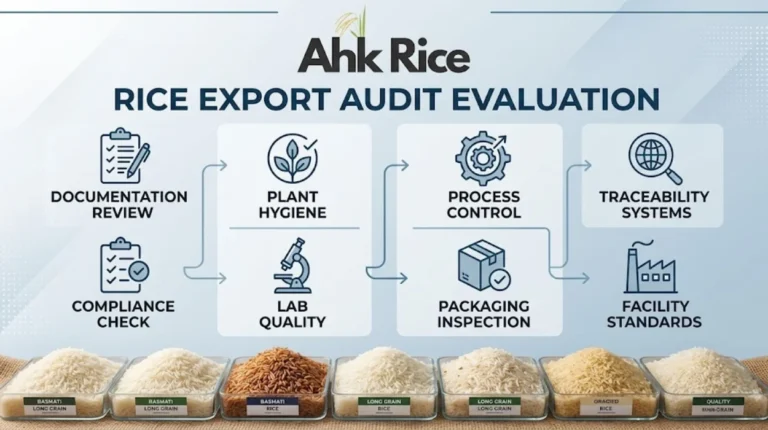
Importers comparing regulatory responsibilities can also review [FDA Food Facility Registration, Prior Notice and FSVP Explained for Rice Importers] to understand how these three requirements differ and how they fit into a compliant import process.
What Food Safety and Labeling Standards Apply to Imported Basmati Rice?
Imported Basmati rice must satisfy applicable U.S. food safety and labeling rules. Importers should verify product identity, ingredient declarations where required, net quantity, responsible business information, country-of-origin marking, and applicable allergen or nutrition labeling obligations before commercial distribution.
Food safety assessment begins with the product and its supply chain. Rice specifications commonly include grain length, broken percentage, moisture content, processing method, foreign matter, and packaging details. These specifications help define commercial quality, but they do not independently prove regulatory compliance.
Importers should assess pesticide residue compliance, relevant contaminant risks, sanitation practices, and the reliability of supporting test reports. A certificate of analysis can support verification when its methods, scope, sampling, and results are appropriate for the identified risks.
Retail labels require particular attention. Depending on the product and applicable rules, labeling includes the product’s common or usual name, net quantity, ingredient information where required, and the name and place of business of the responsible manufacturer, packer, or distributor. Country-of-origin marking is also governed by applicable U.S. requirements.
Nutrition Facts requirements and exemptions must be assessed for the particular product and packaging. Importers should not assume every rice package qualifies for the same exemption. Required information must be presented in the prescribed format, and applicable labeling requirements must be met before retail sale.
Which Pakistani Basmati Rice Grades Can Be Imported into the USA?
Common Pakistani Basmati export grades include 1121, Super Kernel, and 1509, supplied in raw, steamed, parboiled, and other commercially available forms. Import eligibility depends on applicable safety, labeling, documentation, and entry requirements rather than grade names alone.
The varieties differ in grain characteristics, processing, and intended market use.
1121 Basmati rice
1121 is known for its long, slender grains and cooked elongation. Exporters supply white, steam, and parboiled forms, including Golden Sella and Creamy Sella where available. U.S. buyers select grades according to retail positioning, cooking performance, and customer expectations.
Super Kernel Basmati rice
Super Kernel is a traditional Pakistani Basmati variety valued for its aroma and cooking characteristics. Export specifications define grain length, broken percentage, moisture, processing method, and packaging requirements. These details help importers compare lots and establish purchasing criteria.
1509 Basmati rice
1509 is associated with long grains and commercial efficiency. White, steam, and parboiled variants serve different wholesale, retail, and foodservice requirements. Buyers evaluate the finished product against their cooking tests and agreed specifications.
Processing and packaging options
Raw, steam, and parboiled rice differ in processing conditions and finished characteristics. Sortex optical sorting removes selected discolored grains and foreign material, improving visual uniformity. It does not replace food safety controls or laboratory testing.
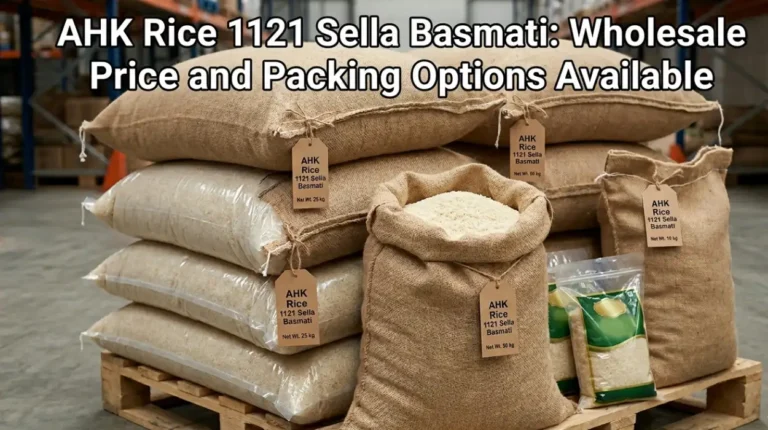
Exporters commonly supply 5 kg, 10 kg, 25 kg, and 50 kg bags, depending on the product and buyer. Packaging must protect rice during transport and storage while meeting applicable labeling and food-contact requirements.
What Are the Benefits of Following FDA Import Requirements?
Following applicable FDA requirements helps rice importers reduce avoidable entry delays, document supplier controls, support product safety, and prepare compliant shipments. Accurate records also improve communication among exporters, customs brokers, distributors, and U.S. retail or foodservice buyers.
A structured compliance process provides several practical benefits.
First, facility and supplier verification helps importers identify documentation gaps before dispatch. Early checks reduce the risk of problems caused by incorrect registration details or incomplete supplier records.
Second, food safety assessments create a documented basis for purchasing decisions. Importers can compare suppliers using relevant hazard controls, testing evidence, and corrective action records.
Third, accurate Prior Notice and entry information help prevent avoidable filing errors. Clear product descriptions and consistent shipment records also make communication easier between the exporter and customs broker.
Finally, compliant labeling helps importers prepare products for their intended U.S. distribution channels. These benefits depend on actual compliance; no registration or certificate guarantees automatic entry or prevents inspection.
What Common FDA Compliance Problems Affect Basmati Rice Shipments?
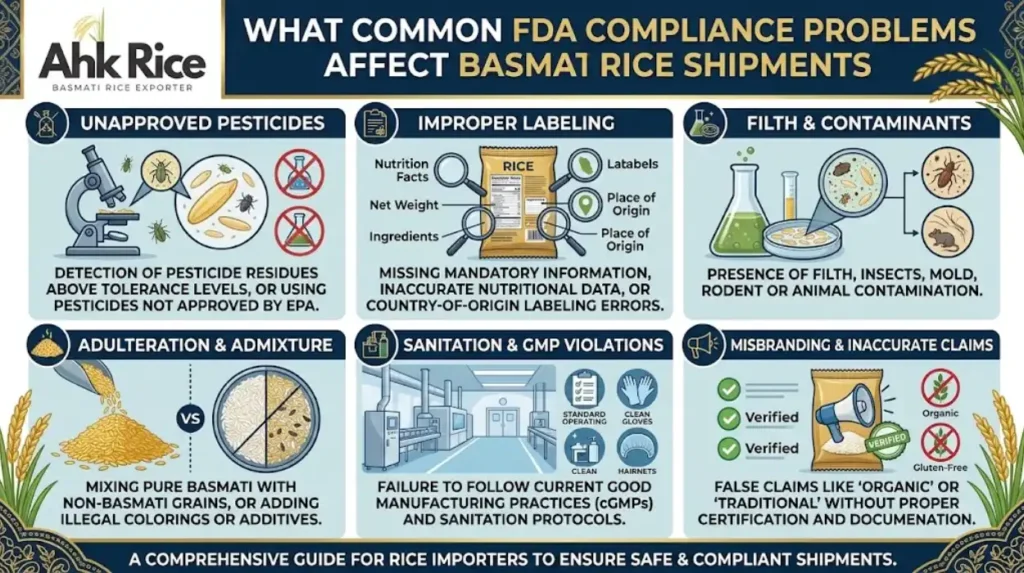
Common compliance problems include inaccurate facility information, missing Prior Notice, incomplete FSVP records, unsuitable labels, and insufficient evidence addressing relevant food safety risks. Importers should resolve these issues before dispatch and verify the requirements that apply to each shipment.
One common misconception is that FDA registration means FDA has approved the rice. Registration identifies a covered facility; it does not certify the product or guarantee admission.
Another problem is treating a certificate of analysis as a substitute for a complete food safety program. Laboratory results provide evidence about the tested sample and parameters. They do not replace supplier evaluation, hazard analysis, or other required controls.
Importers also confuse shipment notification with supplier verification. Prior Notice informs the FDA about an incoming shipment, while FSVP establishes the importer’s food safety verification responsibilities. Both requirements must be assessed independently.
Finally, importers sometimes approve labels too late. Reviewing product identity, net quantity, origin marking, and other applicable requirements before printing helps avoid packaging rework and distribution problems.
How Can Importers Prepare a Compliant Basmati Rice Shipment?
Importers should confirm facility registration, identify the responsible FSVP importer, complete the required food safety assessment, review labeling, and coordinate Prior Notice and customs entry before dispatch. The exporter and importer should agree on specifications and documentation responsibilities in writing.
A practical pre-shipment checklist includes:
- Confirm the rice variety, processing method, grade, and intended use.
- Verify applicable food facility registration details.
- Identify the FSVP importer and confirm applicable obligations.
- Review supplier verification records and relevant food safety evidence.
- Check retail packaging and required labeling.
- Prepare accurate invoices, packing lists, and transport documents.
- Submit Prior Notice within the required timeframe.
- Coordinate customs entry and respond to requests from relevant authorities.
For Pakistani exporters and U.S. buyers, this process connects product quality with regulatory readiness. Clear responsibilities, accurate records, and early verification provide a stronger foundation for importing 1121, Super Kernel, and 1509 Basmati rice into the United States.
Frequently Asked Questions
Does Basmati rice require FDA approval before entering the USA?
No. The FDA does not generally preapprove individual rice products or shipments. Importers must meet applicable requirements, including facility registration, Prior Notice, food safety rules, and labeling obligations.
Does a Pakistani rice exporter need FDA facility registration?
A Pakistani rice processing or packing facility generally requires registration when its activities fall within FDA’s registration rules and no exemption applies. Registration does not mean the FDA has approved the facility or its products.
What is Prior Notice for imported Basmati rice?
Prior Notice is advance notification submitted to the FDA before a covered food shipment arrives in the United States. It provides shipment information that helps the agency assess incoming food and target inspections.
What does FSVP mean for U.S. rice importers?
FSVP stands for Foreign Supplier Verification Program. It requires covered U.S. importers to evaluate food safety hazards, assess foreign suppliers, conduct appropriate verification activities, and maintain records demonstrating compliance.
Which Pakistani Basmati rice varieties can enter the USA?
Common export varieties include 1121, Super Kernel, and 1509. Their eligibility depends on compliance with applicable U.S. food safety, labeling, and import requirements, rather than the