BRICS Agricultural Agenda: A New Era for Pakistan Rice Exports
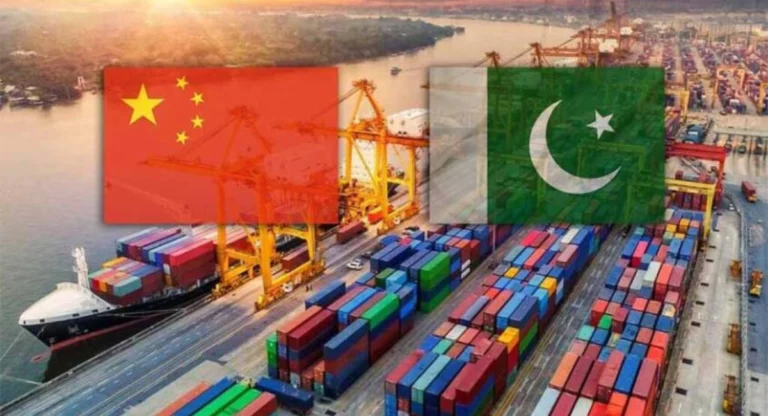
The global agricultural landscape is shifting. With the recent adoption of the BRICS agricultural cooperation framework, emerging economies are positioning themselves to redefine food security, supply chain resilience, and trade dynamics. For a nation like Pakistan, where the agricultural sector serves as the backbone of the economy, this development is not merely political—it is a significant opportunity for the Pakistan rice exports market to scale new heights.
As an industry leader, AHK Rice closely monitors these geopolitical shifts, as they directly influence how global rice importers and wholesalers approach procurement and long-term partnerships.
How Will the BRICS Agricultural Agenda Impact Global Rice Trade?
The BRICS agricultural agenda focuses on sustainable farming, technological exchange, and the digitalization of trade. By fostering deeper integration among these economies, the bloc aims to reduce reliance on traditional western-dominated supply chains. For the global rice market, this means a more stabilized, intra-bloc trade environment.
The emphasis on “food security” and “climate-resilient agriculture” suggests that BRICS nations are moving toward creating a unified mechanism to handle food crises. When large exporters like India and emerging players like Pakistan align under such frameworks, it creates a more predictable pricing environment. International buyers can expect reduced volatility as the bloc works to harmonize sanitary and phytosanitary (SPS) standards, simplifying the trade process between member and partner nations.
Can Pakistan Leverage This Framework to Boost Rice Exports?
Pakistan has long been a powerhouse in the global rice industry, particularly with its premium Basmati rice. However, the country has often faced hurdles regarding quality certification and international compliance. The BRICS cooperation framework provides a massive technical and diplomatic platform to overcome these barriers.
By participating in the BRICS Agricultural Research Platform (BARP), Pakistani farmers and exporters can gain access to advanced digital farming technologies and climate-smart agricultural inputs. For international rice importers, this is a positive signal. It implies that the quality and consistency of Pakistani rice will likely improve, as the country integrates these modern, data-driven farming practices. This, in turn, strengthens the reliability of Pakistan as a sourcing hub, making it more attractive to wholesalers in Africa, the Middle East, and beyond.
What Are the Implications for Rice Supply Chains and Logistics?
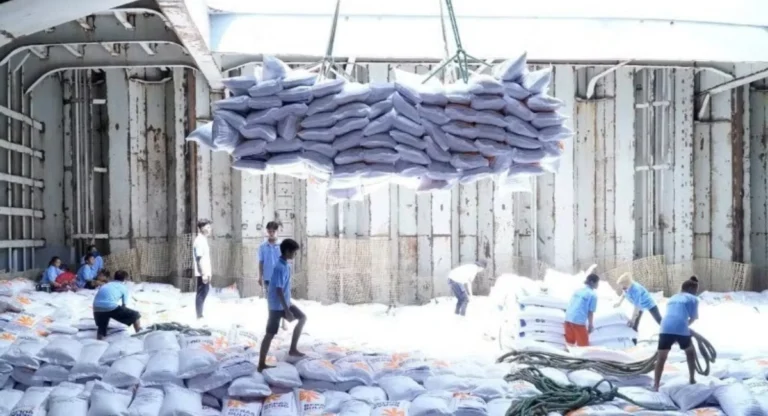
Efficiency in the supply chain is the lifeblood of the international rice trade. The BRICS agenda places a strong emphasis on post-harvest management, cold-chain systems, and infrastructure development to reduce food loss. For the rice industry, this is revolutionary.
Currently, logistical inefficiencies often result in higher landed costs for international buyers. If Pakistan utilizes BRICS-led investments to modernize its storage facilities and improve port-to-port logistics, the ripple effect will be lower operational costs. Improved trade connectivity will likely lead to:
- Faster shipment times: Streamlined documentation and customs procedures.
- Better inventory management: Reduced waste and higher-quality grain reaching destination markets.
- Cost competitiveness: Lower overheads allow for more competitive pricing for wholesalers who source in bulk.
How Will These Changes Influence Global Rice Prices?
Price discovery in the rice industry is highly sensitive to geopolitical stability. With the BRICS bloc accounting for nearly half the world’s population, their collective commitment to “uninterrupted food supply” and “trade facilitation” acts as a buffer against extreme price shocks.
While market prices are still influenced by weather patterns and local crop yields, the reduction in trade barriers and the potential for direct currency settlement (reducing reliance on external currencies for trade) could lead to more stable export pricing. For rice importers, this creates a safer landscape for forward contracting and long-term supply agreements. As Pakistan enhances its value chain efficiency, it can maintain a high-quality product while keeping prices attractive, even amidst global inflationary pressures.
What Does This Mean for the Future of the Rice Industry?
The integration of Pakistan into a broader agricultural cooperative framework signifies a professionalization of the entire trade cycle. It moves the industry away from ad-hoc, speculative trading toward a structured, quality-controlled, and transparent market ecosystem. As global food demand grows, the synergy between Pakistan’s high-quality Basmati production and the BRICS-led infrastructure creates a “win-win” scenario. Buyers seeking consistency, sustainability, and reliability in their supply chain are increasingly looking toward partners who are willing to innovate—and Pakistan is at the forefront of this evolution.