Karachi Port Expansion Signals New Opportunities for Rice Trade
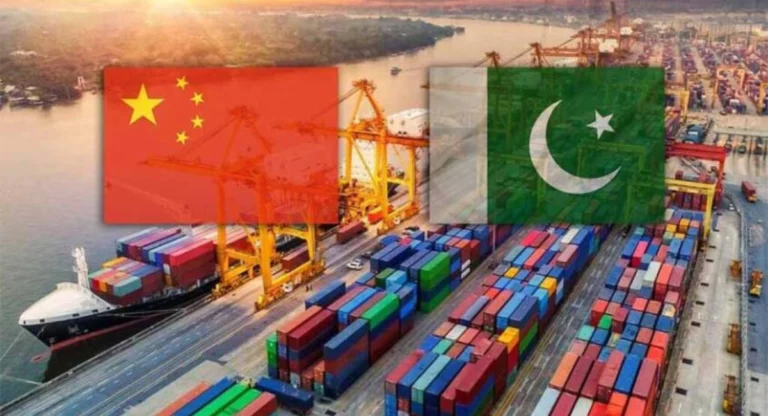
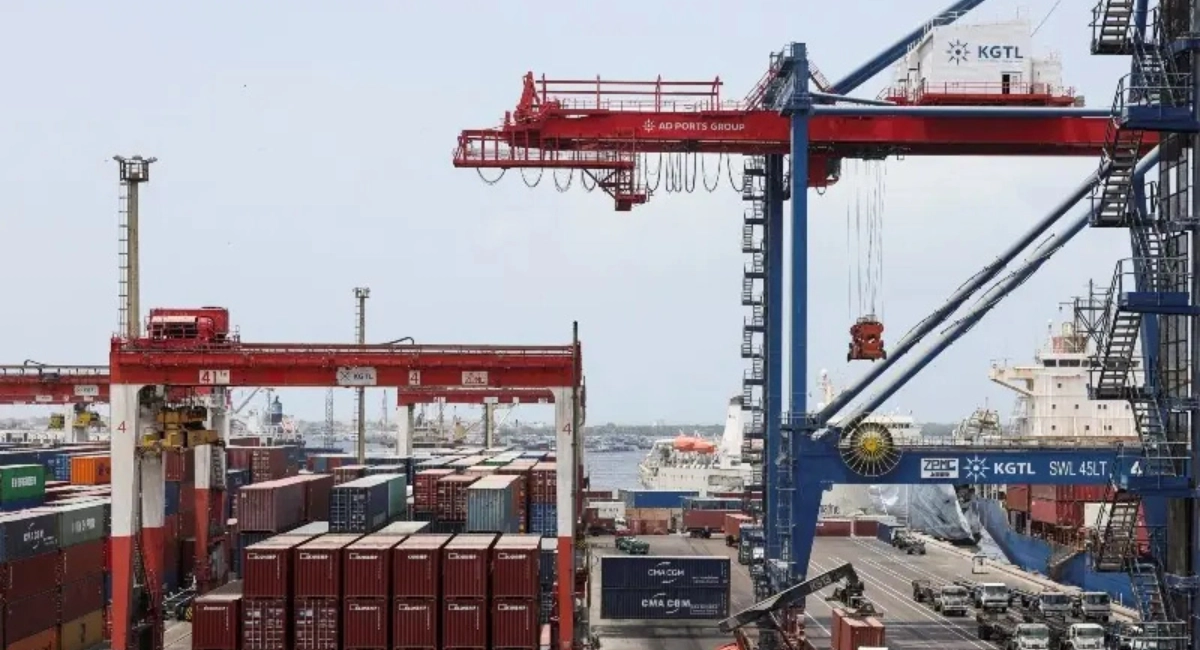
Pakistan’s maritime trade infrastructure is set to receive a major boost as Karachi Gateway Terminal Limited (KGTL) plans additional investment of up to $100 million following a significant rise in cargo activity linked to regional geopolitical developments. The expansion highlights the growing importance of Karachi’s ports as a strategic hub for international trade, including agricultural exports such as Pakistan rice exports.
For global rice importers, wholesalers, and distributors, improved port capacity could create better opportunities for faster shipments, enhanced logistics reliability, and stronger connections with one of the world’s leading rice-producing countries. As the global rice market continues to face supply chain challenges, infrastructure upgrades in key exporting nations are becoming increasingly important.
Why Is Karachi Port Expansion Important for Pakistan’s Rice Industry?
Karachi serves as one of Pakistan’s primary gateways for international trade, handling a significant share of the country’s export shipments. With KGTL planning further investment after a surge in cargo movement, the development reflects rising demand for efficient maritime infrastructure.
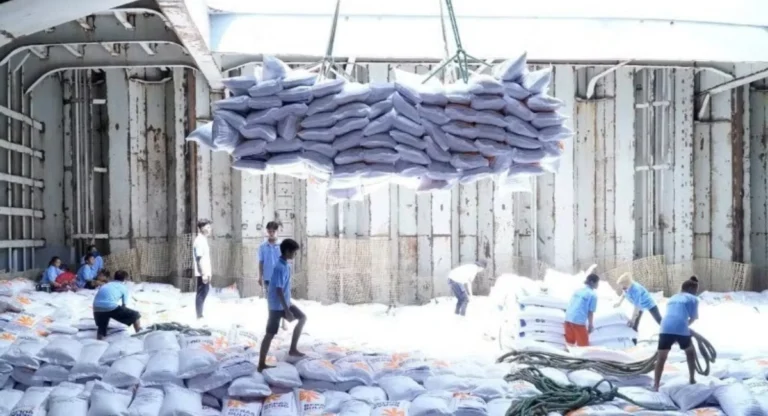
The rice industry depends heavily on smooth port operations because exporters must manage large-volume shipments, strict delivery schedules, and international quality requirements. For exporters of Basmati rice and other Pakistani rice varieties, improved terminal facilities could reduce delays and strengthen competitiveness in global markets.
Reliable port infrastructure is especially important for destinations across the Middle East, Africa, Europe, and Southeast Asia, where Pakistani rice suppliers compete with exporters from countries such as India, Vietnam, and Thailand.
How Could Better Port Capacity Affect Pakistan Rice Exports?
Additional investment in Karachi’s port facilities could improve export efficiency by increasing cargo-handling capacity and reducing operational pressure during peak shipping periods.
For rice exporters, faster container movement can help minimise shipment delays, improve inventory planning, and support more predictable delivery schedules. This is particularly valuable for international rice buyers who depend on consistent supply from exporters.
Pakistan rice exports have gained strong recognition globally due to demand for premium Basmati rice, aromatic varieties, and competitive pricing. However, logistics performance remains a crucial factor in maintaining long-term buyer relationships. Enhanced port facilities may allow exporters to provide more reliable services to international partners.
Could This Development Influence Global Rice Prices and Supply Chains?
Infrastructure improvements at major trade points can indirectly influence rice prices by reducing transportation inefficiencies and improving supply chain stability.
When ports operate efficiently, exporters can move products faster, avoid unnecessary storage costs, and maintain better shipment schedules. These benefits can support more competitive pricing for buyers in international markets.
The global rice market has experienced periods of uncertainty due to weather conditions, export policies, freight challenges, and geopolitical disruptions. Stronger logistics networks can help exporters manage these risks and maintain steady flows of rice to global destinations.
For rice importers, better shipping reliability may become a competitive advantage as demand for food security and stable agricultural supplies continues to increase.
How Will International Rice Importers Benefit From Improved Logistics?
International buyers increasingly evaluate suppliers based not only on product quality but also on supply chain reliability. Port improvements in Pakistan could provide advantages for importers seeking dependable sources of Basmati rice and non-Basmati rice.
Major benefits may include:
- More consistent shipment schedules
- Reduced risks of port congestion
- Improved container availability
- Greater confidence in long-term supply agreements
- Enhanced export efficiency
For wholesalers and distributors, these improvements could support smoother inventory management and reduce uncertainty in procurement planning.
What Does This Mean for Pakistan’s Position in Global Rice Trade?
Pakistan is an important participant in international rice trade, particularly in the premium Basmati rice segment. The country’s reputation among global buyers depends on maintaining high-quality production, competitive pricing, and efficient export operations.
The planned Karachi port investment comes at a time when global supply chains are being reshaped by changing trade routes and regional developments. Stronger maritime infrastructure could help Pakistan strengthen its role as a reliable rice supplier.
As competition increases in the global rice market, countries with efficient logistics systems will have a significant advantage. Exporters that can combine quality products with dependable delivery networks are more likely to build stronger relationships with international buyers.
How Could Regional Trade Changes Impact Rice Logistics?
The increase in cargo movement connected to regional tensions and trade adjustments shows how quickly global logistics patterns can change. Events affecting nearby markets can influence shipping routes, freight demand, and port activity.
For the rice industry, such changes highlight the importance of flexible supply chains. Exporters and importers must continuously monitor transportation conditions, shipping costs, and market developments.
Pakistan’s investment in port infrastructure may provide greater resilience, allowing exporters to respond more effectively to changes in international demand and logistics conditions.
What Are the Long-Term Implications for the Rice Industry?
The planned investment represents more than a port upgrade; it reflects a broader shift toward improving Pakistan’s trade infrastructure. Efficient ports can support agricultural exports, attract international partnerships, and strengthen the country’s position in global commodity markets.
For the rice industry, better logistics could translate into improved export performance, stronger buyer confidence, and greater market opportunities.
As international demand for quality rice continues, infrastructure development will remain a key factor influencing the future of Pakistan’s rice export sector.