How Middle East Conflicts Are Reshaping the Global Rice Trade
The global rice market is currently navigating a period of significant volatility. As geopolitical tensions in the Middle East escalate, the ripple effects are being felt deeply within the rice industry. For stakeholders—from international wholesalers to global distributors—understanding these shifts is essential for maintaining supply chain resilience and price competitiveness.
How has the Middle East conflict impacted Pakistan’s rice exports?
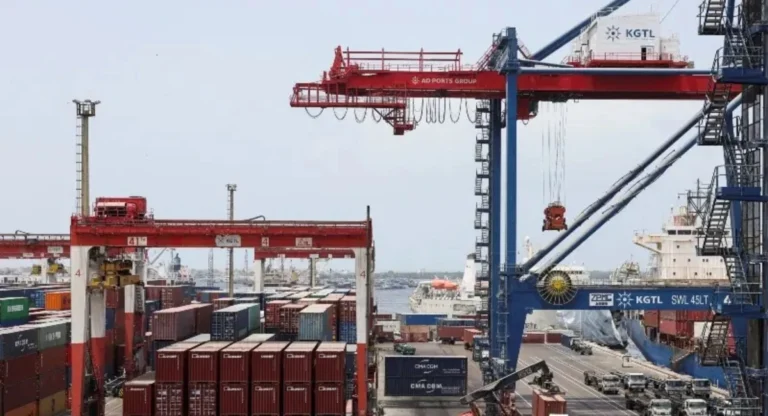
The impact of the ongoing conflict in the Middle East on Pakistan’s agricultural sector has been substantial. Recent reports presented to the National Assembly Standing Committee on Commerce reveal that regional instability has contributed to an estimated $2 billion decline in agricultural and food exports. For the rice industry specifically, the situation is twofold. First, the disruption of shipping routes—particularly around the Strait of Hormuz—has led to a severe shortage of available vessels and a sharp increase in freight and insurance premiums. Second, these logistical bottlenecks have hindered the timely fulfillment of international orders, prompting some buyers to seek alternative, albeit potentially less reliable, suppliers. Consequently, Pakistan is currently facing a dual challenge: maintaining its export volumes while navigating a landscape of rising operational costs and heightened regional instability.
Why are rice prices fluctuating in the international market?
Rice price volatility is a direct consequence of the “double choke” effect on the agricultural value chain. The conflict has triggered a surge in energy costs, which filters down to every stage of rice production. From land preparation and groundwater pumping to harvesting and processing, the increased cost of fuel is unavoidable. Furthermore, the conflict has disrupted the global fertilizer trade. As nitrogen-based fertilizers rely heavily on natural gas, price spikes in the energy sector lead to immediate increases in input costs for rice farmers. When fertilizer costs rise, farmers are often forced to reduce application rates, which can lead to lower yields in the next harvest cycle. This creates a long-term supply concern, where the market is pressured by both current high-cost logistics and the looming prospect of tighter future supply.
What challenges are rice importers and wholesalers facing?
For international rice importers and distributors, the current climate presents a complex array of procurement challenges. The primary issue is the unpredictability of landed costs. As shipping routes become more hazardous and insurance costs climb, the final price per metric tonne becomes increasingly volatile.
Moreover, there is an intense competitive landscape. Pakistani rice, while globally recognized for its superior quality and aroma, is currently facing stiff competition from Indian varieties that are being offered at lower price points. This price gap—often cited between 30% to 40%—makes it difficult for importers to maintain margins. Wholesalers are also dealing with the risk of shipment delays, which can lead to stock shortages and inventory management issues in target markets across the GCC and Europe.
How can the rice industry mitigate supply chain risks?
Resilience in the face of these challenges requires a shift toward more agile trade strategies. For exporters, this includes seeking government support through schemes like the Duty and Tax Remission for Exporters (DLTL) to offset rising freight and insurance costs.
For importers and distributors, the key lies in diversifying supply sources and strengthening direct relationships with reliable, large-scale exporters like AHK Rice. Building a strategic partnership with an exporter that has a robust logistics network and a consistent track record is the best hedge against the volatility currently defining the global rice trade. Transparency in communication and securing long-term contracts can also help mitigate the impact of sudden price swings.
What is the future outlook for the global rice trade?
While the immediate future remains clouded by the geopolitical situation in the Middle East, the fundamentals of the rice market remain strong. Global demand for high-quality Basmati and non-basmati rice continues to grow. If the conflict stabilizes, we expect a gradual return to normalized shipping routes and reduced freight pressures.
However, the industry must remain vigilant regarding the long-term impact on yields due to current fertilizer and fuel constraints. Stakeholders who prioritize efficiency, quality, and sustainable trade partnerships will be best positioned to weather the current storm and capitalize on the eventual market correction.