Rice Prices Stay Stable Amid Market Concerns
The global rice industry continues to closely monitor price movements as governments across major consuming markets focus on maintaining food security and controlling inflation. Recent statements from Bangladesh’s State Minister for Public Administration and Food, Md Abdul Bari, indicate that rice prices remain stable despite claims of a possible increase in local markets.
For international buyers, rice importers, wholesalers, and distributors, price stability provides important signals about supply availability, trade flows, and future procurement strategies. As the global rice market adjusts to changing production conditions, government policies and supply chain management remain key factors influencing the international rice trade.
For exporters such as AHK Rice, understanding these market developments is essential to helping global customers make informed purchasing decisions, especially regarding Basmati rice and other premium rice varieties.
Why Are Rice Prices Remaining Stable Despite Market Concerns?
According to government officials, market reviews showed that rice and other essential commodities had not experienced significant price increases despite public concerns. Authorities stated that monitoring mechanisms were being strengthened to maintain stable food prices and protect consumers.
Rice prices are influenced by multiple factors, including domestic production, import policies, transportation costs, energy prices, and international demand. When governments maintain adequate supply levels and effective market oversight, sudden price volatility can often be reduced.
For the rice industry, stability in major Asian markets is particularly important because countries in the region play a significant role in both rice production and consumption. Any disruption in these markets can quickly affect international rice trade patterns.
How Could Stable Rice Prices Affect Global Rice Trade?
Stable domestic prices in major rice-consuming countries can contribute to a more predictable global rice market. Importers and distributors often rely on consistent pricing trends when planning contracts, managing inventory, and negotiating supply agreements.
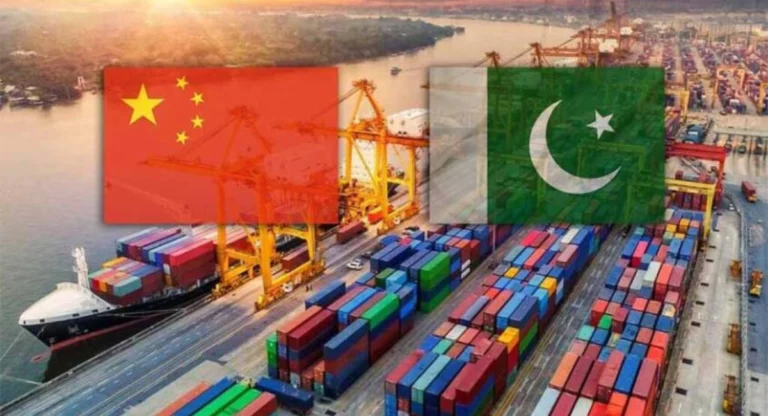
For Pakistan rice exports, international price stability can create opportunities to strengthen relationships with overseas buyers. Pakistan is one of the world’s leading rice suppliers, particularly recognised for high-quality Basmati rice, which is widely demanded across markets in the Middle East, Europe, Africa, and North America.
When buyers have confidence in supply conditions, they are more likely to maintain long-term purchasing partnerships rather than making short-term decisions based on market uncertainty.
What Does This Mean for Rice Importers and International Buyers?
Rice importers are increasingly focused on reliability, quality assurance, and supply chain transparency. Stable prices allow wholesalers and distributors to better forecast costs and maintain competitive pricing in their domestic markets.
International buyers sourcing rice look beyond immediate prices. They also evaluate:
- Export reliability
- Product quality standards
- Milling and packaging capabilities
- Shipping efficiency
- Long-term supplier relationships
For premium segments, Basmati rice continues to attract strong demand because of its aroma, grain length, and reputation among consumers. Exporters that can provide consistent quality and dependable logistics are better positioned to benefit from global demand.
How Are Supply Chains and Logistics Influencing Rice Markets?
The modern rice trade depends heavily on efficient supply chains, from farming and processing to international shipping. Even when production remains stable, logistical challenges can influence final prices.
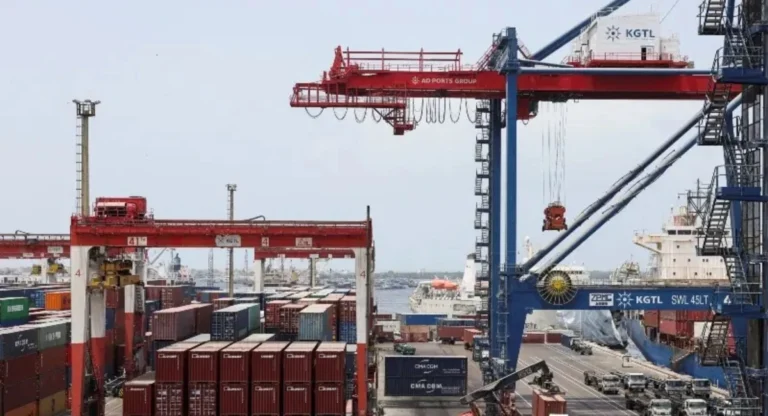
Factors such as freight costs, port efficiency, container availability, and regional transportation networks all affect export competitiveness. A disruption at any stage can increase costs for importers and impact retail pricing.
Pakistan rice exporters continue to focus on improving supply chain management, ensuring that international customers receive shipments on time while maintaining product quality throughout the export process.
Could Rice Prices Change in the Coming Months?
Although current reports suggest price stability, the rice market remains sensitive to several global factors. Weather conditions, crop performance, government policies, currency movements, and international demand can all influence future pricing.
Global rice market trends are also shaped by production levels in major exporting countries. Changes in export policies or reduced harvests can create pressure on international prices.
For businesses involved in rice trade, monitoring market developments remains critical. Importers and distributors benefit from working with experienced suppliers who understand both regional and global market dynamics.
How Does This Development Impact Pakistan Rice Exports?
Pakistan’s rice export sector remains an important part of the international food supply chain. The country’s strong reputation in Basmati rice production gives exporters opportunities to serve premium markets where quality and consistency are highly valued.
Stable rice prices in major markets may support smoother trade relationships by reducing uncertainty for buyers. However, exporters must continue focusing on quality control, competitive pricing, and reliable delivery to maintain their position in global markets.
The rice industry is becoming increasingly competitive, and buyers are looking for suppliers who can provide not only quality products but also professional export solutions.
What Are the Key Market Implications for the Rice Industry?
The latest developments highlight several important trends for global rice trade:
- Stable prices can improve buyer confidence.
- Governments are prioritising food security and inflation control.
- Supply chain efficiency remains essential for exporters.
- International buyers are seeking dependable long-term partners.
- Quality-focused rice suppliers may gain stronger market opportunities.
For rice importers and distributors, these trends reinforce the importance of strategic sourcing and building partnerships with trusted exporters.