1121 Basmati Rice Explained: Grain, Aroma & Export Quality
1121 Basmati rice is a long-grain aromatic rice variety grown mainly in Pakistan and India. Pakistani 1121 Basmati is recognized in export markets for its extra-long grain, natural aroma, slender shape, high elongation after cooking, and suitability for premium rice products.
The 1121 designation identifies a specific Basmati variety rather than a general description of long-grain rice. Its grain structure, aroma, cooking behavior, processing method, and quality specifications determine its commercial value.
What Is 1121 Basmati Rice?
1121 Basmati rice is an extra-long aromatic rice variety known for its slender raw grain, natural fragrance, strong cooking elongation, and soft texture. Pakistani 1121 is cultivated mainly in Punjab and processed into export grades such as White, Steam, and Sella.
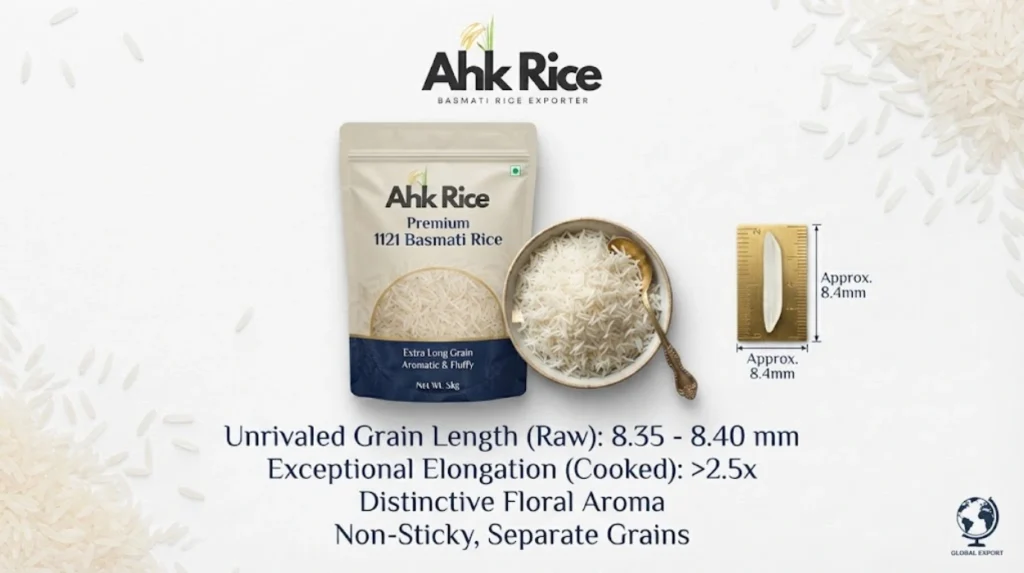
The 1121 variety is associated with the extra-long Basmati segment. Its raw kernels are slender and visibly longer than many conventional rice varieties. After cooking, the grain expands primarily in length while retaining its individual structure.
Pakistan’s Punjab region is an important production area for Basmati rice. The agricultural environment, soil conditions, irrigation, temperature, and traditional cultivation practices contribute to the characteristics associated with Pakistani Basmati.
1121 Basmati is available in several processing forms. Common examples include 1121 White Basmati, 1121 Steam Basmati, and 1121 Sella Basmati. Golden Sella is another commonly traded parboiled presentation.
The variety is used across retail, foodservice, wholesale, catering, and international rice distribution channels.
Where Is 1121 Basmati Rice Grown?
1121 Basmati rice is cultivated in Basmati-growing areas of Pakistan, with Punjab serving as a major production region. The crop requires suitable soil, water availability, temperature, and seasonal conditions that support aromatic grain development and consistent kernel quality.
Punjab provides the main agricultural base for Pakistani Basmati production. Rice-growing districts include areas within the traditional Basmati belt where farmers cultivate aromatic varieties under suitable climatic and soil conditions.
The growing cycle begins with seed selection and field preparation. Farmers establish the crop in prepared fields and manage irrigation, weeds, nutrients, pests, and crop maturity throughout the season.
Harvest timing affects grain quality. Rice harvested at suitable maturity contains grain with characteristics required for commercial milling and processing.
The harvested paddy is then transported for drying, cleaning, milling, grading, and quality inspection. Each stage affects the final export specification.
How Is 1121 Basmati Rice Processed?
1121 Basmati rice passes through harvesting, drying, cleaning, dehusking, milling, polishing, grading, sorting, inspection, and packaging. Parboiled forms such as Sella also undergo soaking, steaming, and controlled drying before milling and final quality assessment.
1. Harvesting
Mature rice plants are harvested when the crop reaches the appropriate moisture and maturity level. Harvesting separates the rice crop from the field while protecting the grain from unnecessary physical damage.
2. Drying
Fresh paddy contains moisture that requires controlled reduction before storage and milling. Proper drying supports safe handling and reduces quality problems during subsequent processing.
3. Cleaning
Cleaning removes unwanted materials from the paddy. Examples include stones, straw, dust, soil particles, and other foreign matter.
4. Dehusking
A rice husker removes the outer husk from the paddy. The resulting brown rice contains the edible kernel with bran layers still present.
5. Milling
Milling removes bran layers and produces white rice. The milling process is controlled to balance appearance, cleanliness, yield, and grain integrity.
6. Polishing
Polishing improves the surface appearance of milled rice. Export specifications determine the required degree of polishing and visual finish.
7. Grading and Sorting
Rice is separated according to grain length, broken percentage, color, foreign matter, and other specifications. Optical sorting equipment identifies and removes discolored or defective kernels.
8. Packaging
Finished rice is packed according to buyer and market requirements. Examples include 5 kg retail bags, 10 kg bags, 25 kg sacks, and 50 kg commercial bags.
What Are the Key Components of 1121 Basmati Rice Quality?
The main quality components are grain length, grain slenderness, aroma, moisture, broken percentage, foreign matter, immature kernels, color, cooking elongation, and purity. Export specifications define acceptable limits for each measurable characteristic.
Grain Length
1121 is known for its long and slender kernel. Raw grain length is measured as part of physical quality assessment.
Aroma
Aromatic compounds create the characteristic fragrance associated with Basmati rice. Aroma becomes especially noticeable during cooking.
Elongation
Cooking elongation describes the increase in grain length after cooking. High-quality 1121 Basmati produces visibly elongated cooked grains without excessive breakage.
Moisture
Moisture content affects storage stability and handling. Exporters measure moisture against the agreed specification before shipment.
Broken Percentage
Broken grains are kernels that have fractured during harvesting or processing. Export specifications establish maximum broken percentages, such as 2%, 5%, or other contract-defined levels.
Purity
Purity refers to the presence of the specified rice variety without unwanted materials or unintended grain types. Examples include foreign matter, other rice varieties, and discolored kernels.
What Are the Main Grades of 1121 Basmati Rice?
The main commercial forms of 1121 Basmati rice include White, Steam, Sella, and Golden Sella. These processing types differ in heat treatment, cooking behavior, color, texture, grain appearance, and suitability for different foodservice and retail applications.
1121 White Basmati is conventionally milled rice. It retains the characteristic slender appearance and aromatic profile associated with the variety.
1121 Steam Basmati receives controlled steam treatment before final milling. This process strengthens the grain and influences cooking texture and appearance.
1121 Sella is parboiled rice. The paddy undergoes soaking, steaming, and drying before milling. This treatment changes the grain structure and improves resistance to breakage during cooking.
1121 Golden Sella is a parboiled form with a golden appearance. The distinctive color results from the processing conditions applied during parboiling and drying.
Grade selection depends on the buyer’s required grain specifications, cooking process, target market, packaging format, and end use.
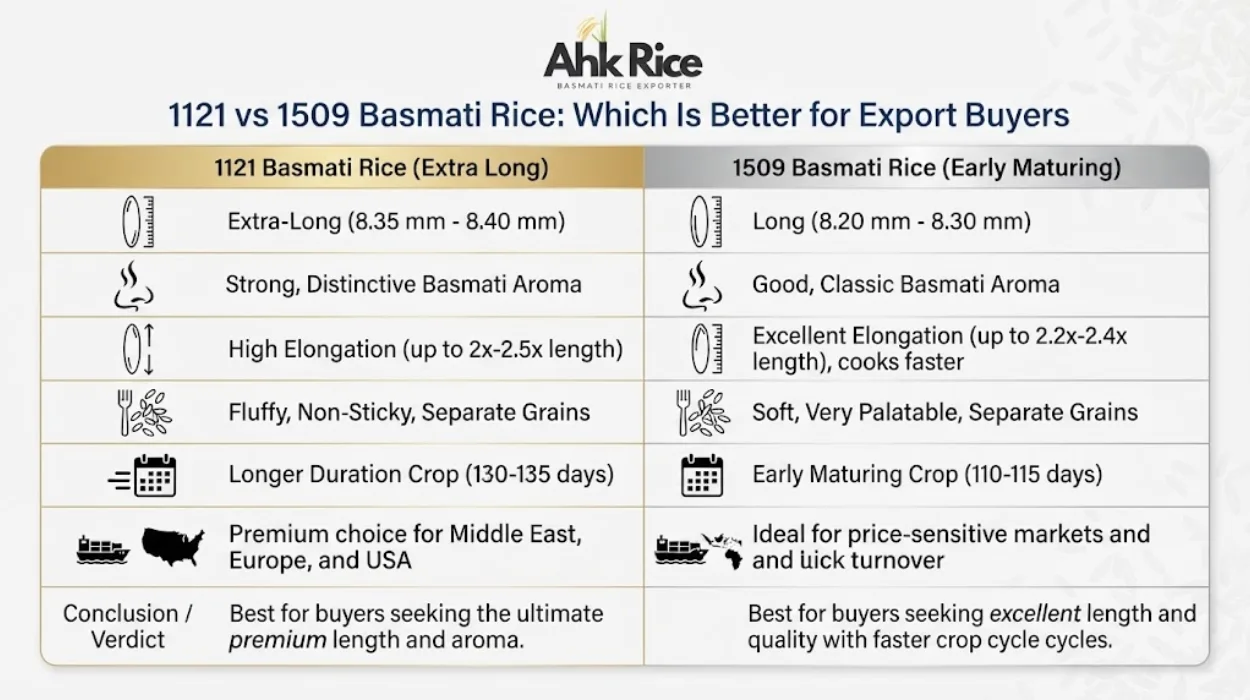
For buyers comparing 1121 with another Pakistani Basmati variety, the relevant evaluation involves grain length, aroma, processing type, cooking performance, price, and customer segment. A detailed comparison of these factors belongs in a consideration-stage resource such as [how 1121 compares with 1509 Basmati rice for export buyers](Insert Link to MOFU Article).
What Are the Benefits of 1121 Basmati Rice?
1121 Basmati rice provides extra-long cooked grains, distinctive aroma, attractive presentation, strong grain separation, and multiple processing options. These characteristics support applications where visual appearance, fragrance, cooking performance, and premium positioning are important commercial requirements.
The extra-long grain creates a distinctive presentation on the plate. This characteristic is particularly relevant for dishes where individual grain appearance affects the finished product.
Its natural aroma supports aromatic rice dishes. Examples include biryani, pulao, pilaf, fried rice, and rice-based catering meals.
The variety is also available in different processing forms. White, Steam, Sella, and Golden Sella provide different cooking characteristics while retaining the underlying 1121 variety identity.
The combination of grain length and cooking elongation gives 1121 strong relevance in premium retail and foodservice applications.
Where Is 1121 Basmati Rice Used?
1121 Basmati rice is used in household cooking, restaurants, catering, retail, wholesale distribution, private-label products, and foodservice operations. Its extra-long grain and aromatic characteristics make it suitable for biryani, pulao, pilaf, and premium rice dishes.
Restaurants use 1121 for dishes where grain appearance and aroma are important. Biryani is a prominent example because long, separate grains contribute to the finished presentation.
Retailers sell 1121 through packaged rice products. Common formats include branded consumer bags and private-label packaging.
Wholesalers distribute the rice to restaurants, caterers, retailers, and foodservice businesses. Commercial buyers often specify grain length, broken percentage, moisture, processing type, and packaging requirements.
Export buyers also select 1121 according to regional consumer preferences. Different markets establish different expectations for rice color, cooking texture, packaging, and price.
Which Markets Import 1121 Basmati Rice?
1121 Basmati rice is exported to markets across the Middle East, Europe, Asia, Africa, and other international regions. Import demand covers retail, wholesale, foodservice, catering, and private-label channels with specifications varying by destination market.
Middle Eastern markets use long-grain aromatic rice extensively in household and foodservice cooking. Examples include Saudi Arabia, the United Arab Emirates, Qatar, and other Gulf markets.
European markets include countries with established South Asian, Middle Eastern, and international food distribution channels. Retail packaging, food safety documentation, traceability, and labeling requirements form important parts of export specifications.
Asian markets also purchase Pakistani Basmati for retail and foodservice applications. Importers assess product specifications according to local consumer demand and regulatory requirements.
African markets include wholesalers and distributors supplying consumer and commercial channels. Shipment specifications depend on the destination country’s import regulations and buyer requirements.
Which Certifications and Documents Apply to 1121 Basmati Rice Exports?
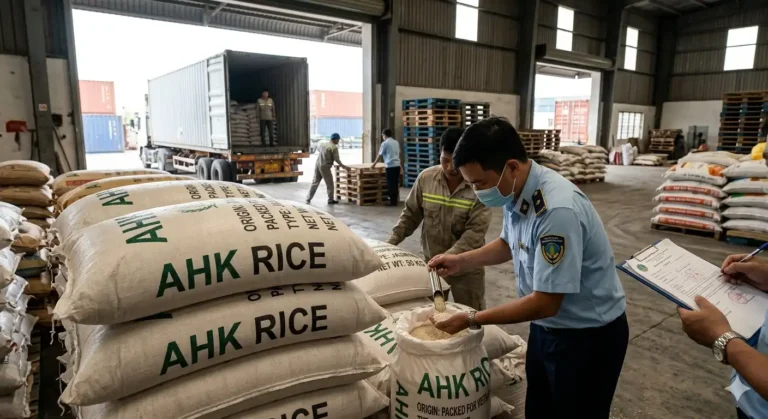
1121 Basmati rice exports require product, food safety, traceability, and shipment documentation according to the destination market. Common documents include commercial invoices, packing lists, certificates of origin, phytosanitary certificates, inspection documents, and laboratory reports.
A commercial invoice identifies the transaction, product, quantity, pricing, and trading terms.
A packing list records package quantities, weights, dimensions, and shipment details.
A certificate of origin identifies the country where the product originates.
A phytosanitary certificate documents compliance with applicable plant-health requirements for the importing country.
Laboratory reports provide measurable results for parameters such as moisture, broken grains, foreign matter, pesticide residues, and microbiological characteristics when required.
Food safety certifications depend on the buyer, destination country, facility, and applicable regulatory framework. Importers should verify the exact requirements before placing an export order because documentation requirements differ between markets.
What Are Common Problems and Misconceptions About 1121 Basmati Rice?
Common misconceptions include treating every long-grain rice as 1121, assuming longer grain automatically means higher quality, confusing variety with processing type, and ignoring moisture, broken percentage, purity, and cooking performance during quality evaluation.
A long grain does not automatically identify a rice variety as 1121. Variety identity requires appropriate specification and quality verification.
1121 is also not a processing method. White, Steam, Sella, and Golden Sella describe processing forms applied to the rice.
Another misconception is that raw grain length alone determines quality. Export quality also involves aroma, grain integrity, moisture, broken percentage, purity, foreign matter, appearance, and cooking performance.
Buyers should also distinguish between fresh and aged rice. Storage and aging influence cooking behavior, moisture balance, and commercial specifications.
Quality should therefore be evaluated against a complete specification rather than one visual characteristic.
Frequently Asked Questions About 1121 Basmati Rice
Is 1121 Basmati rice a variety or a grade?
1121 is a rice variety. White, Steam, Sella, and Golden Sella describe processing forms or commercial presentations of 1121 Basmati rice.
Why is 1121 Basmati rice known for long grains?
The 1121 variety naturally produces a slender, extra-long kernel. During cooking, the grain expands significantly in length, creating the characteristic long-grain appearance.
What is the difference between 1121 White and 1121 Sella?
1121 White is conventionally milled rice, while 1121 Sella is parboiled before milling. The parboiling process changes grain structure, color, texture, and cooking behavior.
Is 1121 Basmati rice suitable for biryani?
Yes. Its long, slender grain, aroma, and cooking elongation make it widely suitable for biryani. The appropriate processing type depends on the required cooking texture and commercial specification.
What determines 1121 Basmati export quality?
Export quality is determined by measurable specifications such as grain length, broken percentage, moisture, aroma, purity, foreign matter, color, cooking performance, and compliance with destination-market requirements.