1121 Basmati Sella Rice Export Pricing Guide for UAE Rice Importers
1121 Basmati Sella Rice export prices for UAE importers depend on paddy costs, processing grade, packing specification, freight charges, and import demand. Here is why: Pakistan produces the largest volume of 1121 Basmati rice, while UAE buyers import different grades for retail, wholesale, catering, and re-export markets.
1121 Basmati Sella Rice is one of Pakistan’s most exported rice categories. The variety is cultivated in Punjab’s Basmati-growing belt. The grain develops exceptional length, strong cooking performance, and low breakage after parboiling. UAE importers source this rice because it performs consistently in hotels, restaurants, catering operations, supermarkets, and food distribution networks.
Pakistan remains one of the leading suppliers of Basmati rice to Gulf countries, including the UAE (source: Pakistan Bureau of Statistics, FY2024-25). Understanding product specifications, processing grades, and pricing factors helps importers evaluate supplier offers accurately. Importers seeking detailed cost breakdowns can also review a deeper analysis of pricing variables through our article on factors affecting rice export quotations.
What Is 1121 Basmati Sella Rice?
1121 Basmati Sella Rice is a parboiled long-grain rice variety with grain lengths of approximately 8.30–8.50 mm before cooking and over 18 mm after cooking.
1121 Basmati Sella Rice originates from the fertile plains of Punjab, Pakistan. Farmers cultivate the crop using irrigation systems supplied by the Indus River network. The variety belongs to the Basmati family and develops a naturally aromatic profile.
Sella rice undergoes a parboiling process before milling. The treatment strengthens the grain structure. The process reduces breakage during transportation and cooking. UAE importers often prefer Sella rice because the grains remain separate after cooking.
The product serves multiple sectors. Examples include catering companies, hotel chains, institutional kitchens, wholesalers, and retail brands.
With the definition established, the next question is how the Sella processing system creates these characteristics.
How Does 1121 Basmati Sella Rice Processing Work?
The process involves 9 stages: cleaning, soaking, steaming, drying, dehusking, milling, polishing, grading, and packaging.
Parboiling changes the internal starch structure. The process improves grain strength and shelf stability.
Step-by-Step Processing Flow
- Clean the harvested paddy.
- Soak the paddy in controlled water tanks.
- Steam the soaked paddy.
- Dry the steamed paddy.
- Dehusk the grain.
- Mill the rice kernels.
- Polish the rice surface.
- Grade the rice by length.
- Package the finished product.
Steaming pushes nutrients from the bran layer into the kernel. Drying stabilizes moisture levels. Milling removes the husk and bran layers. Grading separates kernels according to export specifications.
UAE importers often select Sella rice because the process creates stronger grains than traditional white rice. In bulk handling operations, Sella rice records lower breakage rates. In container shipments, Sella rice maintains quality longer. In catering applications, Sella rice remains separate after cooking.
With processing explained, the next question concerns the specifications that determine export grades.
What Grades of 1121 Basmati Sella Rice Are Available?
Export grades range from premium head rice to broken rice, with purity levels reaching 95–100% depending on specification.
Rice exporters classify 1121 Sella rice according to grain quality and kernel composition.
1121 Steam Sella Premium
Premium grades contain the highest percentage of whole kernels. These grades target supermarkets, premium retailers, and branded food companies.
| Specification | Value |
|---|---|
| Grain Length | 8.30–8.50 mm |
| Purity | 95–100% |
| Moisture | 12–14% |
| Broken Kernels | 0–2% |
1121 Sella Grade A
Grade A serves food distributors and wholesale importers. The specification balances quality and commercial pricing.
| Specification | Value |
|---|---|
| Grain Length | 8.20–8.40 mm |
| Purity | 90–95% |
| Moisture | 12–14% |
| Broken Kernels | 2–5% |
1121 Sella Grade B
Grade B targets institutional kitchens and catering operations. Buyers prioritize volume efficiency over premium presentation.
| Specification | Value |
|---|---|
| Grain Length | 8.00–8.20 mm |
| Purity | 85–90% |
| Moisture | 12–14% |
| Broken Kernels | 5–10% |
1121 Sella Broken Rice
Broken grades support industrial food production. Examples include rice flour manufacturing, snacks, and processed foods.
The grading system directly affects export pricing. Understanding those pricing drivers is the next step.
What Factors Influence Export Pricing for UAE Importers?
Paddy cost, milling yield, grade selection, packaging, freight, and seasonal demand determine export pricing.
Paddy cost represents the largest pricing component. Harvest conditions influence raw material availability. Strong harvest yields generally increase supply. Lower yields reduce availability.
Processing costs include fuel, labor, electricity, grading, packaging, and quality inspection. Exporters calculate these expenses before determining final quotations.
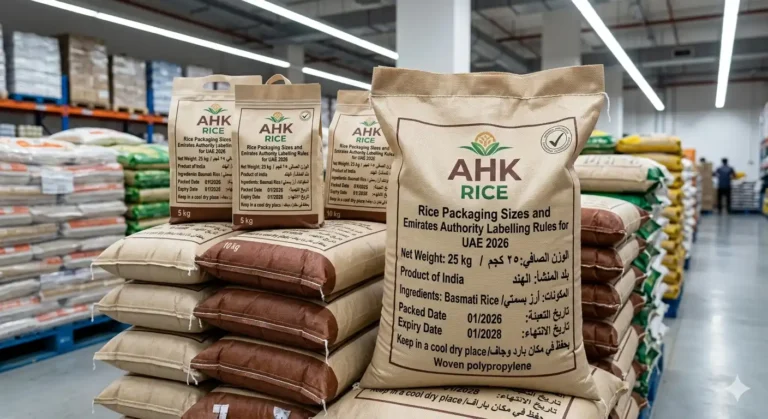
Packaging specifications influence pricing. Common export formats include:
- PP woven bags
- BOPP bags
- Non-woven bags
- Jute bags
- Private label retail packs
Freight costs affect delivered prices. UAE shipments commonly depart from Karachi ports. Transit times generally range from 5–12 days depending on destination port and vessel schedule.
Currency exchange movements also influence export quotations. International rice trade commonly uses US dollars. Exchange rate fluctuations directly affect transaction values.
Importers seeking a deeper explanation of FOB and CIF calculations should review our detailed guide discussing the cost variables behind rice quotations through [Insert Link to MOFU Article].
With pricing factors explained, the next question is why UAE buyers specifically prefer this rice variety.
What Benefits Does 1121 Basmati Sella Rice Offer UAE Importers?
Long grain length, low breakage, high volume expansion, and strong shelf stability make it suitable for commercial food operations.
1121 Sella rice expands significantly during cooking. Many commercial kitchens select this variety because cooked yield affects food cost calculations.
1121 Sella rice demonstrates higher durability than white rice. In warehouse environments reaching 40°C, Sella rice maintains quality for approximately 18 months. White rice generally performs best within 12 months. For Gulf distributors managing large inventories, Sella rice provides greater storage flexibility.
1121 Sella rice produces separate grains after cooking. Restaurants serving biryani, mandi, kabsa, and pulao prefer this characteristic.
1121 Sella rice also reduces breakage during transportation. Stronger kernels withstand loading, unloading, and container movement more effectively.
These benefits explain demand growth, leading naturally to the question of which UAE sectors import this product.
Which UAE Markets Import 1121 Basmati Sella Rice?
Retail, hospitality, catering, foodservice, and re-export sectors represent the largest importing segments.
Dubai functions as a major regional distribution hub. Importers source rice for both domestic consumption and re-export activities.
Retail Sector
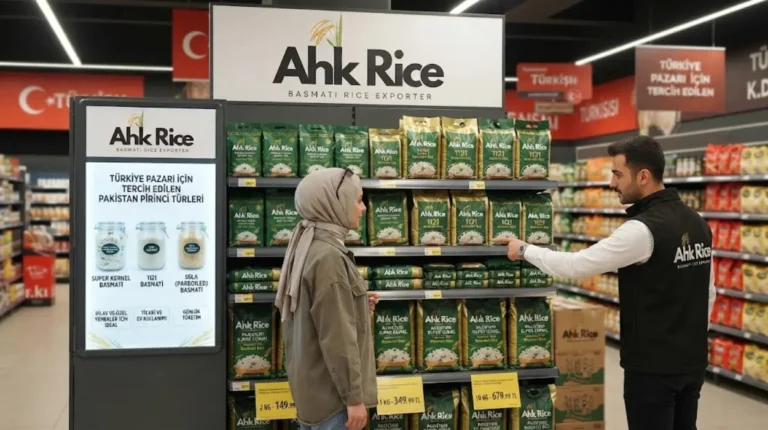
Supermarkets and branded food companies purchase premium grades. Packaging sizes typically range from 1 kg to 10 kg.
Hospitality Sector
Hotels and resorts purchase premium and Grade A specifications. Presentation quality remains a priority.
Catering Sector
Large catering operators purchase Grade A and Grade B specifications. Cost efficiency becomes a primary consideration.
Re-Export Sector
Food trading companies import bulk containers and redistribute products throughout the Gulf region, East Africa, and surrounding markets.
Growing import demand requires quality verification. Certifications therefore become an important consideration.
What Certifications Apply to 1121 Basmati Sella Rice Exports?
ISO, HACCP, FSSC 22000, Halal, Phytosanitary, and SGS inspection certificates support international trade requirements.
Quality certification verifies product compliance. Importers often require documentation before shipment approval.
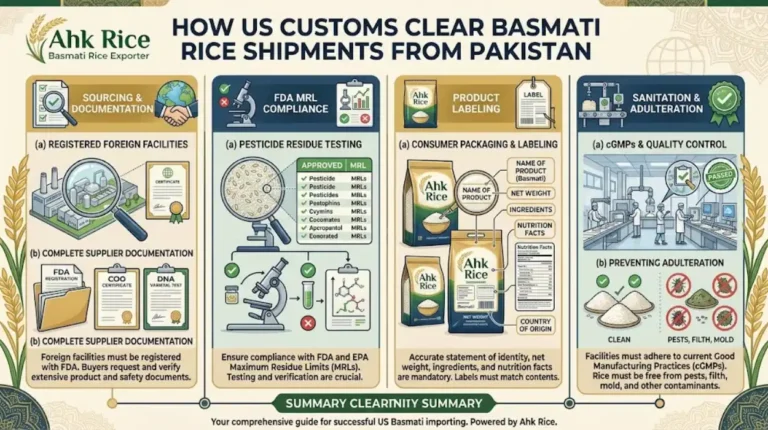
Common export documents include:
- Phytosanitary Certificate
- Certificate of Origin
- Fumigation Certificate
- Packing List
- Commercial Invoice
- Bill of Lading
- SGS Inspection Certificate
- Halal Certificate
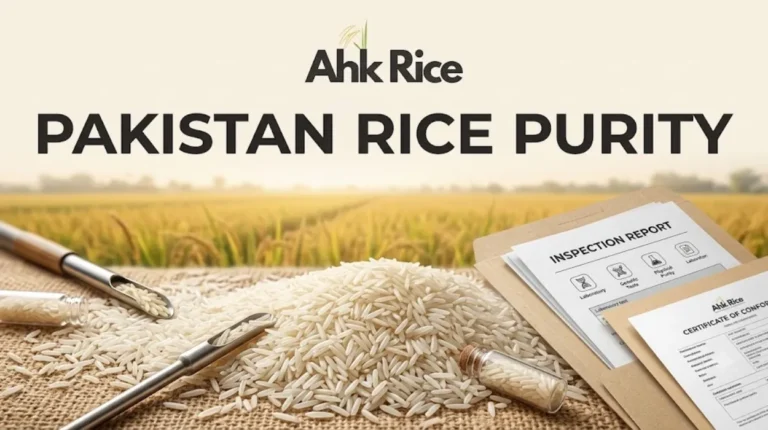
Quality laboratories inspect moisture levels, grain length, purity, and foreign matter content. Testing protects importers from specification disputes.
Certification establishes trust in product quality. Understanding misconceptions surrounding Sella rice helps buyers interpret specifications correctly.
What Common Misconceptions Exist About 1121 Basmati Sella Rice?
Sella rice is not artificial rice, not lower quality rice, and not nutritionally inferior rice.
Some buyers assume parboiled rice contains additives. Sella rice uses only water, heat, and controlled drying. No artificial substances are required.
Some buyers believe white rice represents a premium category. Market demand proves otherwise. Gulf catering companies frequently select Sella rice because grain stability remains superior.
Some buyers compare grades using price alone. Grade specifications determine value. Premium head rice serves retail brands. Grade B serves institutional kitchens. Different applications require different specifications.
Understanding these distinctions allows UAE importers to compare quotations accurately and select the correct rice grade for their market.
Frequently Asked Questions
What is the average grain length of 1121 Basmati Sella Rice?
The grain length ranges from 8.30–8.50 mm before cooking and can exceed 18 mm after cooking.
Why do UAE importers prefer Sella rice?
UAE importers prefer Sella rice because it offers lower breakage, better shelf life, and superior grain separation.
How long does shipment from Pakistan to UAE take?
Most shipments require 5–12 days depending on the destination port and vessel schedule.
What is the difference between Sella and White Basmati rice?
Sella rice undergoes parboiling before milling. White rice skips the parboiling stage.
Which industries use 1121 Basmati Sella Rice?
Hotels, restaurants, caterers, wholesalers, supermarkets, and food distributors use this variety extensively.
Which documents accompany rice exports?
Exports generally include a Certificate of Origin, Phytosanitary Certificate, Fumigation Certificate, Commercial Invoice, Packing List, and Bill of Lading.