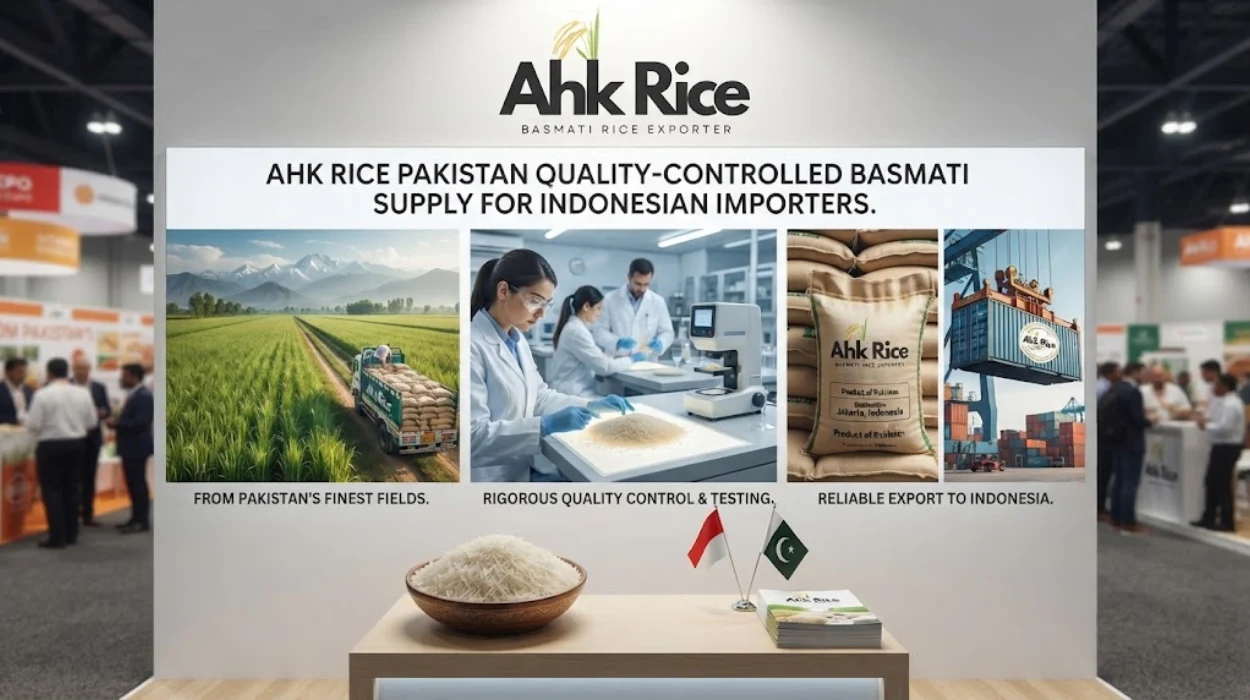
AHK Rice Pakistan Quality-Controlled Basmati Supply for Indonesian Importers
AHK Rice provides quality-controlled Pakistani Basmati rice with verified specifications, documented inspections, and export-ready packaging. Here is why: Indonesian importers reduce purchasing risk by approving grain quality, processing standards, and shipment documents before dispatch.
Quality variation creates costly problems for Indonesian distributors. Uneven grain length affects retail presentation. Excessive broken rice changes cooking results. Moisture and foreign matter increase storage and rejection risks. A reliable supplier must control these variables before loading the container.
This article explains how AHK Rice supports Indonesian importers through quality verification, product selection, sample approval, and export coordination. It also covers expected costs, shipping timelines, and the purchasing decisions that protect commercial margins.
What is the best solution for reducing quality risk?
Pre-shipment quality approval, documented specifications, and independent inspection provide the strongest purchasing control. Here is why: Indonesian importers can verify product attributes before committing to a full container.
The first step is defining the exact rice specification. Pakistani Basmati includes several commercial grades, including 1121, Super Kernel, and 1509. Each grade offers different grain characteristics, cooking performance, and price positioning.
The guide to reducing quality risk when buying Pakistani Basmati explains the education stage of this process. It establishes why importers should evaluate grain length, moisture, broken percentage, foreign matter, and processing consistency before selecting a supplier.
Which quality attributes should buyers approve?
A commercial specification should cover measurable attributes rather than general descriptions such as premium or high quality.
| Attribute | Buyer approval requirement |
|---|---|
| Rice variety | 1121, Super Kernel, or 1509 |
| Processing type | Steam, White, or Sella |
| Grain length | Agreed specification and tolerance |
| Broken percentage | Contractual maximum |
| Moisture | Agreed maximum |
| Foreign matter | Contractual maximum |
| Packaging | Approved bag size and material |
The quality-check comparison for Pakistani rice contracts helps buyers connect these attributes with inspection and procurement decisions. The MOFU article is especially useful before approving a final commercial specification.
Which Pakistani Basmati grades suit Indonesian buyers?
1121 Steam suits premium retail and foodservice. Super Kernel supports aromatic premium positioning. 1509 offers a practical option for value-conscious distributors. Here is why: each grade serves a different balance of appearance, cooking performance, and cost.
1121 Basmati offers long grains and a premium presentation. Super Kernel provides a strong aroma and traditional Basmati identity. 1509 offers a competitive option for buyers seeking long-grain rice at a lower procurement cost.
AHK Rice supplies these varieties for export buyers seeking consistent specifications. The correct selection depends on retail positioning, restaurant requirements, and target selling price.
With the product specification established, the next decision is how a supplier controls quality throughout the export process.
Why choose AHK Rice for Indonesian Basmati supply?
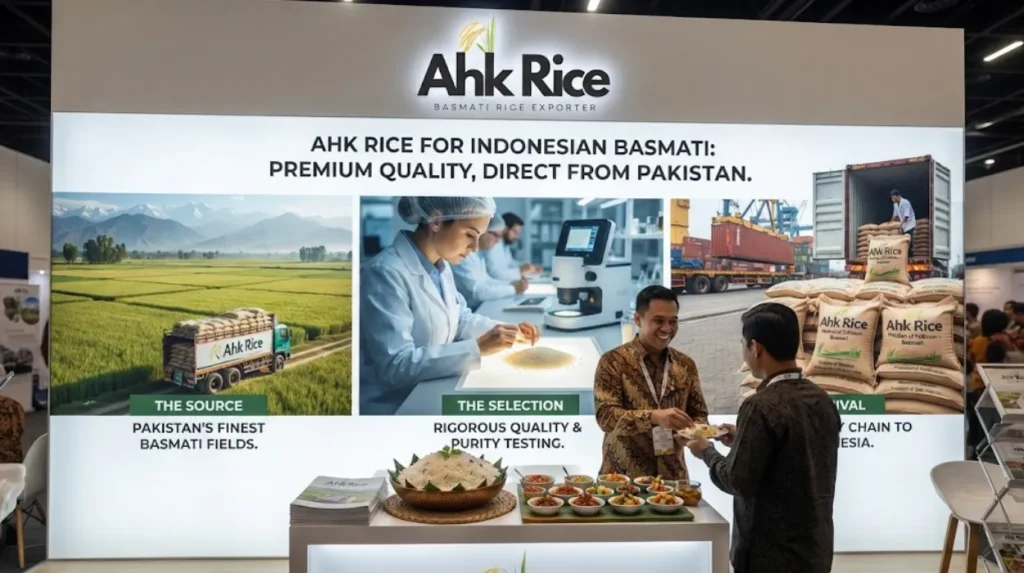
AHK Rice combines Pakistani Basmati sourcing, processing, quality verification, and export coordination in one supply process. Here is why: Indonesian importers can align product specifications, packaging, and shipment documentation before dispatch.
AHK Rice operates as a Pakistani Basmati rice exporter based in Punjab. Its supply range includes 1121, Super Kernel, and 1509. The company supports export buyers with custom packaging and end-to-end processing.
What quality controls should buyers expect?
Rice quality control should cover grain inspection, moisture testing, foreign matter testing, sorting, and packaging verification. Here is why: each control addresses a different risk that can affect product acceptance or storage.
- Grain inspection: Verify variety, appearance, and grain uniformity.
- Moisture testing: Confirm the agreed moisture specification.
- Foreign matter testing: Inspect for unwanted material.
- Colour sorting: Remove discoloured grains.
- Packaging verification: Confirm approved bags and labels.
AHK Rice uses these quality-control activities to support consistent export specifications. Buyers should approve the exact inspection criteria before production begins.
How does AHK Rice support export preparation?
AHK Rice coordinates product preparation, packaging, and shipment documentation for international buyers. Custom packaging supports Indonesian retail and wholesale requirements.
Export documentation normally includes a commercial invoice, packing list, bill of lading, certificate of origin, and applicable inspection certificates. Indonesian importers should confirm additional requirements with their customs broker.
The supplier should also provide a pre-shipment inspection report when the contract requires one. This report supports verification before container loading.
With quality controls defined, the next question is how buyers can verify the supplier’s performance before placing a large order.
What results can Indonesian importers expect?
A documented approval process reduces specification disputes, improves purchasing confidence, and supports more predictable retail and foodservice performance. Here is why: buyers approve measurable attributes before the rice leaves Pakistan.
A quality-controlled supply process helps importers compare offers using the same specifications. This improves price evaluation and reduces the risk of selecting a cheaper product that fails the intended use.
What does a successful supply process look like?
A successful order begins with an approved product specification. The supplier then prepares a sample, confirms packaging, and arranges quality inspection.
The buyer reviews the sample against the contract. Approved results support production and shipment. The supplier dispatches the order after completing the required checks.
This process does not eliminate every logistics or market risk. It provides a documented basis for managing those risks.
How long does shipping take?
Indonesian importers should plan approximately 25–40 days for ocean freight from Pakistan to Indonesia, plus customs clearance. Here is why: shipping duration depends on the selected port, vessel schedule, transshipment, and destination.
| Market | Planning estimate |
|---|---|
| Jakarta | 25–40 days |
| Surabaya | 25–40 days |
| Other Indonesian ports | Confirm with the freight forwarder |
These are planning estimates, not guaranteed transit times. AHK Rice should confirm the shipment schedule before dispatch.
Importers should also allow time for customs documentation and destination clearance. The total delivery schedule can exceed the ocean transit period.
With the expected supply process and delivery schedule established, the next decision is the cost of quality-controlled procurement.
What affects the price of quality-controlled Pakistani Basmati?
The final price depends on rice grade, processing type, packaging, order quantity, inspection requirements, and freight terms. Here is why: each specification changes production, preparation, or logistics costs.
1121 Steam generally occupies a premium position. Super Kernel offers an aromatic premium option. 1509 can support more competitive retail pricing.
What costs should buyers budget for?
A practical sample budget is US$50–150 for a small courier shipment, while full-container pricing requires a product-specific quotation. Here is why: sample weight, destination, courier service, and documentation affect the total cost.
The following figures are planning examples, not AHK Rice quotations.
| Cost item | Illustrative budget |
|---|---|
| Sample preparation | US$10–30 |
| Courier delivery | US$40–120 |
| Laboratory testing | US$50–150 |
| Inspection | US$100–300 |
| Ocean freight | Confirm current quote |
| Customs and clearance | Confirm with Indonesian broker |
A commercial rice quotation should identify the grade, processing type, packaging, quantity, and Incoterm. FOB and CIF quotations should not be compared without accounting for freight and insurance.
What is the full sample process?
Buyers should approve a representative sample before confirming a commercial shipment. Here is why: sample approval connects the agreed specification with the physical rice supplied.
- Submit the required grade and processing specification.
- Prepare a representative rice sample.
- Inspect grain appearance and uniformity.
- Test moisture and foreign matter.
- Review packaging and label requirements.
- Dispatch the sample by courier.
- Approve the sample against the contract.
- Confirm the commercial quotation.
- Arrange production and inspection.
- Load and dispatch the approved shipment.
A buyer should retain the approved sample and specification for comparison during receiving inspection.
With sample approval and pricing requirements defined, the final step is converting the specification into a confirmed order.
How can Indonesian importers get started with AHK Rice?
Start with a precise product brief, request a representative sample, and approve the commercial specification before confirming shipment. Here is why: a clear purchasing process prevents avoidable changes after production begins.
What information should buyers provide?
Indonesian importers should prepare the following information:
- Rice variety: 1121, Super Kernel, or 1509.
- Processing type: Steam, White, or Sella.
- Quantity: Required metric tonnes.
- Packaging: Bag material, size, and artwork.
- Quality: Grain length, moisture, broken percentage, and foreign matter.
- Destination: Indonesian port and delivery requirements.
- Commercial terms: FOB, CIF, or another agreed Incoterm.
AHK Rice can use this information to prepare a product-specific quotation and sample process. The buyer should confirm the final specification before production.
What should the buyer decide before placing an order?
Approve the rice grade, quality tolerances, packaging, inspection requirements, and delivery terms before signing the purchase contract. Here is why: these decisions establish the commercial standard for the entire shipment.
The strongest purchasing decision balances quality, price, and delivery reliability. Indonesian importers should select the specification that matches their customers rather than choosing solely on the lowest quoted price.
AHK Rice supports buyers seeking Pakistani Basmati supply with defined specifications and export preparation. The next step is to request a quotation based on the required grade, quantity, and destination.
Frequently Asked Questions
What Pakistani Basmati grades does AHK Rice supply to Indonesia?
AHK Rice supplies 1121, Super Kernel, and 1509 Basmati rice.
Each grade offers different grain characteristics and market positioning.
1121 suits premium retail and foodservice applications.
Super Kernel supports aromatic premium positioning.
1509 provides a competitive option for value-conscious distributors.
How can Indonesian importers verify rice quality before shipment?
Buyers should approve a representative sample before placing the commercial order.
The sample should match the agreed variety and processing type.
Inspection should cover grain appearance, moisture, and foreign matter.
The buyer should confirm the packaging and label requirements.
A documented specification supports receiving inspection after delivery.
How much does a sample shipment from Pakistan to Indonesia cost?
A small courier sample may cost approximately US$50–150.
The exact price depends on sample weight and destination.
Laboratory testing can add approximately US$50–150.
Independent inspection may add approximately US$100–300.
These figures are planning examples, not confirmed AHK Rice quotations.
How long does Pakistani Basmati take to reach Indonesia?
Ocean freight commonly requires approximately 25–40 days.
The actual schedule depends on port and vessel availability.
Transshipment can affect the final delivery date.
Customs clearance adds time after the container arrives.
Buyers should confirm the complete schedule before dispatch.
How can Indonesian importers request a quotation from AHK Rice?
Indonesian importers should provide the required rice grade and processing type.
The quotation should specify quantity, packaging, and destination.
Buyers should also confirm inspection requirements and commercial terms.
AHK Rice can prepare a product-specific quotation for review.
The final order should follow approved specifications and sample results.