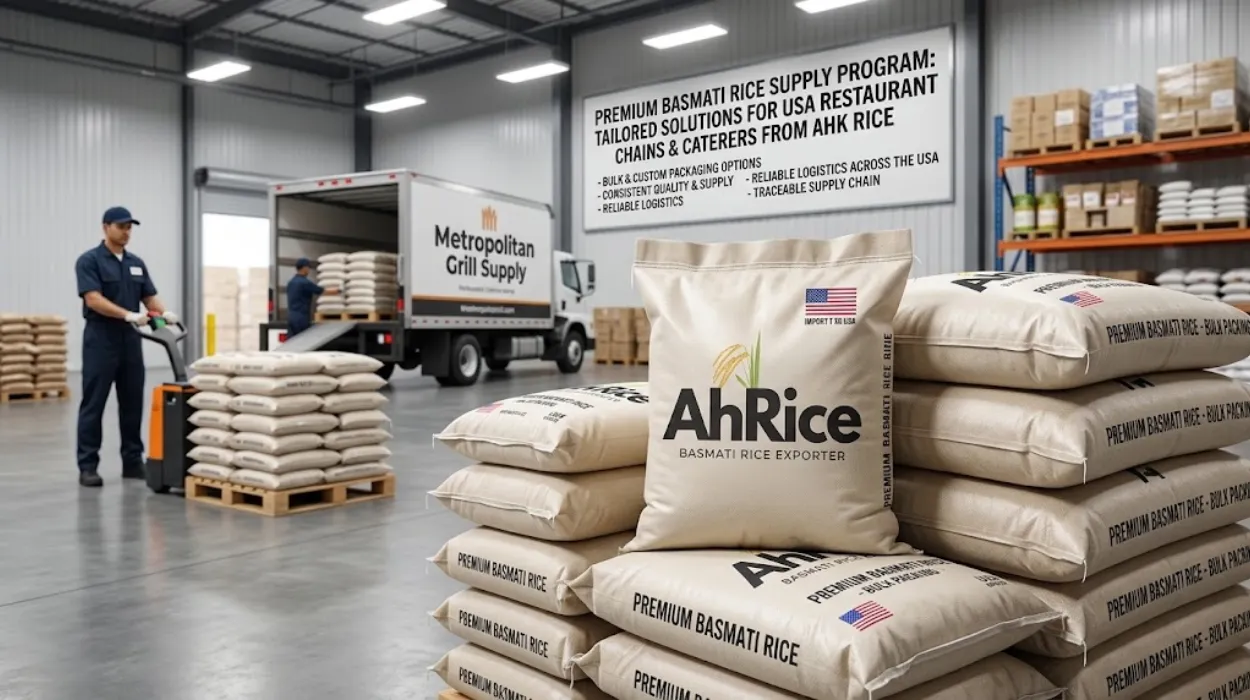
Basmati Rice Supply Programs for USA Restaurant Chains and Caterers from AHK Rice
Restaurant chains and catering companies in the United States need a dependable basmati rice supply that delivers consistent grain quality, predictable cooking performance, and reliable shipment planning. Choosing an export supplier requires more than comparing prices per metric tonne. Buyers must evaluate grain specifications, processing methods, broken percentage, moisture levels, packaging, documentation, and delivery schedules before committing to a commercial order.
AHK Rice is a Pakistani Basmati rice exporter based in Punjab, supplying1121, Super Kernel, and 1509 Basmati rice varieties to international markets. Its export process covers rice sourcing, processing, grading, packaging, and shipment coordination. For USA restaurant chains, institutional kitchens, and catering distributors, a defined supply program helps connect product specifications with purchasing volumes and kitchen requirements.
Restaurants comparing grain varieties should first understand which types of Basmati rice American restaurants use for biryani and pilaf. This initial assessment helps buyers select a suitable variety before requesting samples, approving specifications, and planning recurring shipments.
What Is the Best Solution for Basmati Rice Supply for USA Restaurant Chains?
The best solution is a specification-led supply program that matches rice variety, processing method, cooking performance, packaging, and shipment frequency to each restaurant group’s menu and purchasing requirements. Buyers should approve a representative sample and written specifications before placing a commercial order.
Restaurant chains face operational problems when rice quality changes between deliveries. Different grain lengths, excessive broken grains, moisture variation, and inconsistent processing can affect cooked appearance, texture, portion yield, and food preparation.
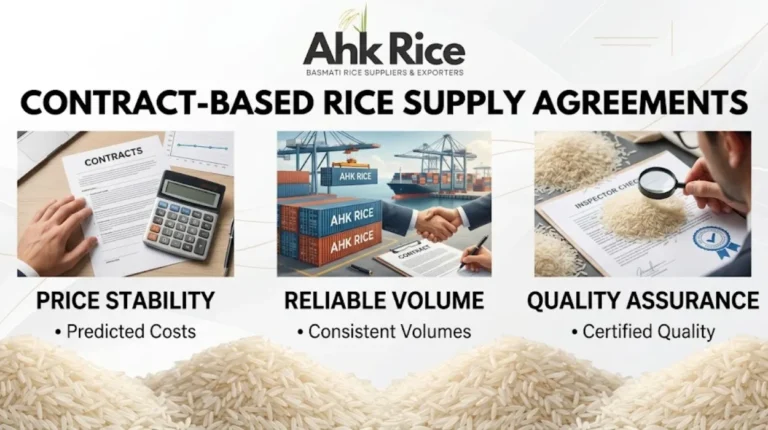
A structured procurement program addresses these problems through documented specifications and batch-level quality checks. Buyers can establish requirements for grain length, moisture, broken percentage, aroma, processing method, and packaging before production begins.
Which Basmati Variety Should Restaurants Choose?
The appropriate variety depends on the menu, selling price, cooking method, and required grain appearance.
- 1121 Basmati: Suitable for premium biryani, banquet catering, and restaurant menus that prioritize long grains and visual presentation.
- Super Kernel Basmati: Suitable for aromatic rice dishes, traditional biryani, and South Asian restaurant menus where aroma and grain character matter.
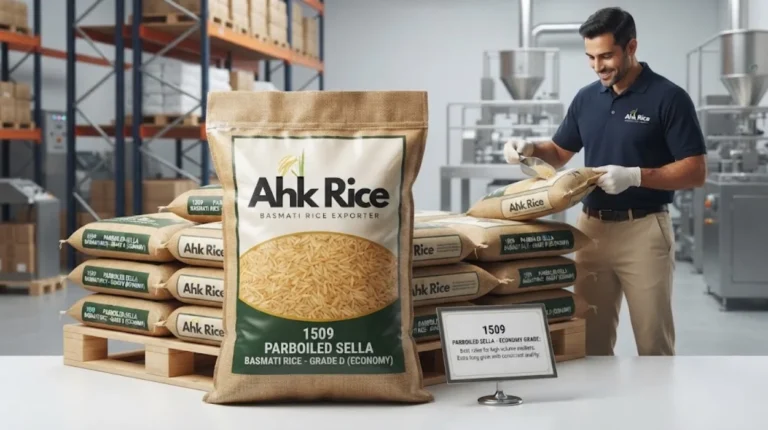
- 1509 Basmati: Worth evaluating for volume-focused operations seeking a competitive balance between grain appearance, supply economics, and kitchen performance.
Restaurants should also compare Steam and Sella processing. Steam Basmati retains a white appearance, while parboiled Sella varieties are often selected for their firmer cooked texture and suitability for certain high-volume applications.
Before finalizing an order, procurement teams should test the selected variety using their actual recipes, equipment, soaking practices, and holding conditions.
Why Choose AHK Rice for Commercial Basmati Supply?
AHK Rice provides a Pakistan-origin sourcing and export option for commercial buyers who require defined product specifications, processing coordination, packaging choices, and shipment documentation. Buyers should confirm the precise specification, compliance responsibilities, price, and delivery schedule for each order before signing a contract.
AHK Rice supplies Basmati varieties processed for different commercial requirements. Its sourcing and export workflow can support discussions about grading, Sortex cleaning, moisture targets, broken percentage, packing formats, and container-ready shipments.
Restaurant groups can use these details to develop procurement specifications that remain consistent across locations. A written specification also gives purchasing teams a reference when evaluating samples, approving production, and reviewing shipment documents.
Buyers can explore the AHK Rice export and Basmati supply services to identify the products and processing requirements relevant to their purchasing program.
What Should Buyers Verify Before Ordering?

Commercial buyers should request written confirmation of the following points:
- Origin and variety: Confirm Pakistani origin and the exact Basmati variety being purchased.
- Grain specifications: Establish the agreed raw grain length, grade, broken percentage, and appearance.
- Moisture: Set the maximum permitted moisture level in the purchase specification.
- Processing: Identify whether the order requires raw, Steam, Golden Sella, or another agreed preparation.
- Quality documentation: Confirm available inspection records, certificates, and agreed laboratory testing.
- Packaging: Specify bag material, net weight, labeling, and private-label requirements.
- Shipment terms: Agree on Incoterms, loading port, destination, shipment window, and responsibility for freight and insurance.
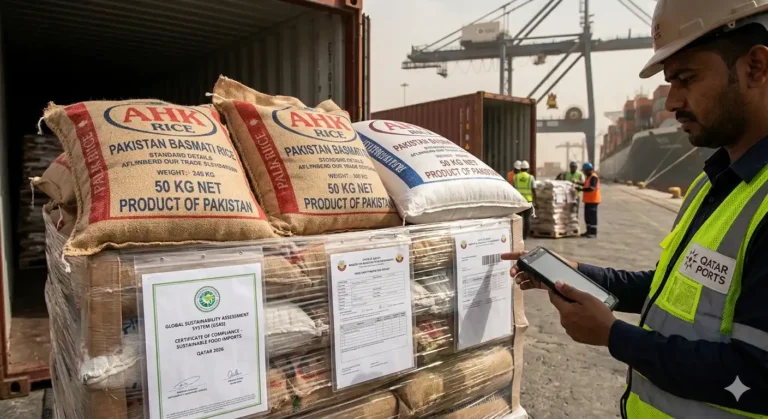
For USA imports, buyers must also determine applicable food-import requirements. These may include FDA facility registration where required, Prior Notice, Foreign Supplier Verification Program responsibilities, customs entry documentation, and relevant phytosanitary or origin documents.
The exact requirements depend on the product, shipment, and parties involved. Importers should confirm current requirements with qualified compliance professionals and the relevant US authorities rather than assuming that one document package covers every shipment.
What Results Can USA Restaurants Expect from a Defined Supply Program?
A defined supply program can improve purchasing consistency, simplify kitchen testing, and make shipment planning more predictable when the supplier meets the agreed specifications. Results depend on the rice grade, production controls, storage conditions, cooking procedures, and actual shipment performance.
The primary benefit is consistency between procurement decisions and kitchen requirements. A restaurant group can establish one approved specification for its biryani, pilaf, or catering menu and use it when evaluating subsequent deliveries.
For example, a multi-location restaurant serving chicken biryani may prioritize long grains, aroma, and separation after cooking. A large catering company may instead emphasize cooked firmness, holding performance, and predictable preparation across several service periods.
The two businesses may choose different products even when both purchase Pakistani Basmati.
How Should Buyers Compare Cooking Performance and Holding Time?
Buyers should compare varieties under controlled kitchen conditions instead of relying exclusively on raw grain measurements or supplier descriptions.
The comparison of Sella and Steam Basmati for high-volume cooking, holding time, and plate yield provides a useful framework for evaluating these differences.
A practical test should record the following:
- Raw rice weight and the quantity of water used.
- Soaking time and cooking method.
- Cooked weight and approximate servings produced.
- Grain separation, texture, aroma, and visual appearance.
- Performance after the restaurant’s normal holding period.
- Remaining usable rice and any preparation losses.
For instance, a catering kitchen preparing 50 kilograms of rice should weigh its cooked output and assess serving sizes before approving a product. This produces a more useful operational comparison than assuming that longer raw grains automatically create a higher plate yield.
AHK Rice buyers should agree on the sample specification and acceptance criteria before commercial production. The approved sample should represent the intended variety and processing method, while the purchase contract should define the measurable requirements for the shipment.
How Much Does a Commercial Basmati Rice Supply Program Cost?
Commercial Basmati pricing depends on the variety, processing method, grade, order quantity, packaging, shipment destination, and agreed Incoterm. Buyers should compare complete delivered-cost calculations rather than selecting a supplier solely because its quoted FOB price appears lower.
A commercial quotation should distinguish the rice price from additional logistics and import expenses. FOB pricing generally covers the seller’s obligations up to loading aboard the nominated vessel under the agreed terms, while CIF pricing includes cost, insurance, and freight to the named destination port, subject to the applicable Incoterms.
Neither price automatically includes every destination charge, import duty, customs expense, or inland delivery cost.
Which Factors Affect the Final Purchase Price?
| Cost factor | What buyers should confirm |
|---|---|
| Rice variety | 1121, Super Kernel, or 1509 |
| Processing | Raw, Steam, Golden Sella, or another agreed grade |
| Quality specification | Grain length, broken percentage, moisture, and appearance |
| Order quantity | Total metric tonnes and loading requirements |
| Packaging | Bulk bags, retail packs, or custom-printed packaging |
| Shipping terms | FOB, CFR, CIF, or another agreed Incoterm |
| Destination costs | Port charges, customs clearance, duties, and inland transport |
| Testing and compliance | Required inspections, laboratory tests, and documentation |
Custom packaging may involve artwork approval, printing setup, minimum production quantities, and additional lead time. Buyers should request these details before approving a production schedule.
AHK Rice should provide a quotation based on the buyer’s confirmed specification, quantity, packaging, destination, and shipment terms. Prices and lead times should be confirmed for the specific order rather than treated as permanent market rates.
How Long Does Shipping Take from Pakistan to the USA?
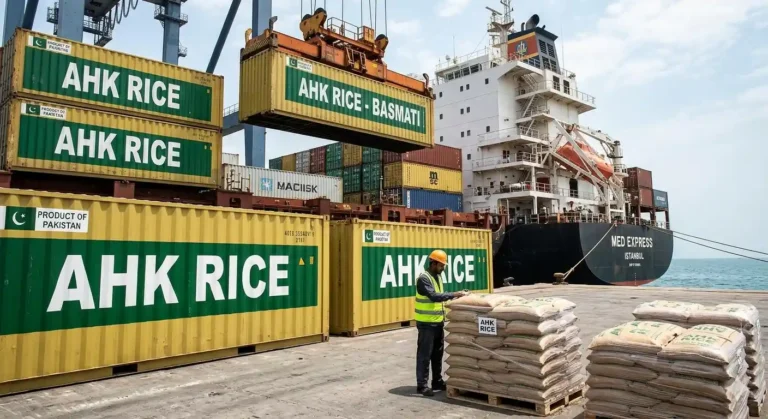
Shipping time depends on the destination port, vessel routing, carrier schedule, transshipment requirements, and port congestion. Buyers should request a shipment-specific transit estimate and distinguish ocean transit from production, loading, customs clearance, and final delivery.
For planning purposes, ocean freight from Pakistan to the United States commonly requires several weeks. A preliminary budgeting range of approximately 25–45 days for ocean transit may be useful, but it is not a guaranteed schedule and must be verified against the actual booking.
| US destination market | Illustrative ocean-transit planning range | Key consideration |
|---|---|---|
| East Coast, including New York and New Jersey | 25–40 days | Routing and transshipment can change transit time |
| Gulf Coast, including Houston | 25–40 days | Vessel schedules and port operations affect arrival |
| West Coast, including Los Angeles | 25–45 days | Routing, service availability, and transshipment affect timing |
These figures are indicative planning estimates, not live carrier schedules. They exclude any additional production time, documentation delays, customs holds, and inland transportation.
Restaurant chains should build inventory buffers around expected consumption rather than planning deliveries to arrive exactly when existing stock runs out.
AHK Rice and the buyer should confirm the loading window, nominated port, shipping terms, estimated transit, and document submission deadlines before dispatch. The US importer should also coordinate customs entry and food-import compliance early enough to reduce avoidable clearance delays.
What Is the Complete Sample Process and Its Cost?
The sample process should verify cooking performance, physical specifications, and commercial suitability before a buyer commits to a full shipment. Buyers should agree on sample quantity, courier responsibility, testing requirements, and approval criteria in writing before the sample is dispatched.
A practical sample-to-order workflow includes five stages.
Stage 1: Define the requirement. The buyer identifies the variety, processing method, grain specifications, packaging format, estimated order quantity, and US destination.
Stage 2: Confirm sample availability. AHK Rice confirms whether a representative sample can be supplied and identifies its quantity, preparation, and dispatch arrangements.
Stage 3: Agree on costs. The parties confirm the sample price, if applicable, international courier charges, and any required export, inspection, or destination handling charges. The buyer should request a written cost breakdown before authorizing dispatch.
Stage 4: Conduct the evaluation. The restaurant tests the rice using its actual cooking method and records grain separation, aroma, texture, cooked weight, and holding performance. Any required laboratory analysis should be agreed separately.
Stage 5: Approve the specification. The buyer confirms acceptance in writing, finalizes the commercial specification, and requests a quotation for the intended shipment quantity.
Sample costs vary with weight, courier service, destination, and testing requirements. AHK Rice should confirm the actual charges before dispatch instead of relying on a generic estimate.
For a US restaurant chain, the sample approval record should identify the variety, processing method, agreed quality parameters, and test results. The commercial contract should then establish the requirements that the delivered shipment must meet.
How Can USA Restaurant Chains Start an Order with AHK Rice?
Restaurant groups can start by submitting their product requirements, forecast volume, packaging needs, destination port, and target shipment window. A structured enquiry allows the supplier to prepare a relevant quotation and clarify technical or compliance requirements before the buyer commits to production.
The following sequence provides a practical purchasing process:
- Submit the buying specification: Identify the variety, processing method, quality grade, quantity, and packaging.
- Review the quotation: Compare product pricing, Incoterms, shipment timing, payment conditions, and included services.
- Approve the sample: Test the rice and document acceptance against the agreed criteria.
- Confirm compliance responsibilities: Establish the required import documentation, labeling, inspections, and responsibilities of the US importer and Pakistani exporter.
- Approve the purchase contract: Confirm specifications, quantity, packaging, loading window, payment terms, and procedures for handling discrepancies.
- Coordinate shipment and receiving: Review shipping documents, monitor the vessel schedule, and arrange customs clearance and delivery.
For recurring programs, buyers should also discuss forecast updates, reorder lead times, inventory buffers, and procedures for reviewing quality across successive shipments.
AHK Rice can be evaluated against these requirements as a potential Pakistani Basmati supply partner. The final decision should rest on approved samples, written specifications, transparent commercial terms, documented compliance responsibilities, and confirmed shipment arrangements.
To discuss your restaurant chain’s requirements and request a specification-based commercial quotation, contact AHK Rice.
Frequently Asked Questions
Which Basmati rice is best for US restaurant chains?
1121 Basmati suits menus that prioritize long grains and premium presentation. Super Kernel suits aromatic biryani and traditional rice dishes. 1509 offers another option for volume-focused operations. The best choice depends on recipe performance, price, and customer expectations. Buyers should approve a cooking sample before ordering.
How can US restaurants buy bulk Basmati rice from Pakistan?
Restaurants should submit their preferred variety, processing method, grade, quantity, packaging, and destination port. The exporter can then prepare a specification-based quotation. Buyers should evaluate a sample and confirm commercial terms before placing an order. Import documentation and FDA-related responsibilities should be established before shipment.
How long does Basmati rice shipping from Pakistan to the USA take?
Ocean transit commonly requires several weeks, with preliminary planning estimates of approximately 25–45 days depending on routing and destination. Production and customs clearance add time. Buyers should obtain a current carrier estimate before confirming their inventory plan. A buffer helps protect restaurants against unexpected delays.
What affects the price of bulk Basmati rice?
Price depends on variety, processing, grain length, broken percentage, moisture, quantity, and packaging. Freight, insurance, destination charges, and import duties also affect total landed cost. Buyers should compare quotations using equivalent specifications and Incoterms. Final prices must be confirmed for the intended order.
Can US restaurants request Basmati rice samples from AHK Rice?
Buyers should contact AHK Rice to confirm sample availability, quantity, and dispatch arrangements. Costs may include the sample itself, courier charges, and applicable testing or handling expenses. The restaurant should cook-test the sample against its operational requirements. Commercial production should proceed only after the specification and acceptance criteria are agreed.