Buy Quality-Controlled Basmati Rice with Verified Moisture Standards
Buying quality-controlled Basmati rice with verified moisture standards is the safest way to reduce shipment risk, protect shelf life, and maintain import compliance. Here is why: moisture levels directly affect grain stability, storage performance, container safety, and buyer claims during international trade.
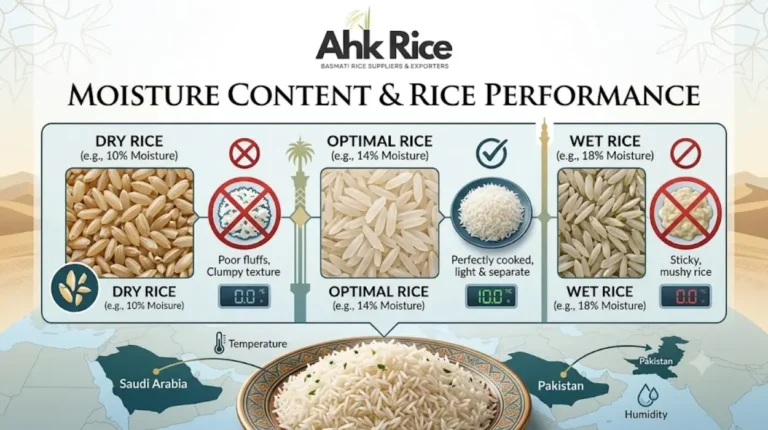
Importers face significant losses when rice arrives with excessive moisture. Higher moisture can increase breakage, encourage microbial growth, and reduce storage life. Buyers who verify moisture compliance before procurement gain better consistency, lower claim rates, and stronger customer satisfaction. For a deeper understanding of procurement risks, read our guide onWhy Is Moisture Testing Essential in International Rice Procurement international rice moisture testing requirements.
For buyers seeking a trusted supplier, AHK Rice provides quality-controlled Basmati rice with documented moisture verification, laboratory testing, export certification, and shipment inspection. AHK Rice helps importers procure rice that meets contract specifications before loading.
What Is the Best Solution for Preventing Moisture-Related Rice Import Problems?
The best solution is maintaining moisture levels below 14%, verifying every lot before loading, and documenting results through independent quality inspections.
Moisture control protects rice quality throughout the export journey. International buyers often specify moisture limits because excess moisture increases commercial risk. AHK Rice verifies moisture levels before dispatch and records results within shipment documentation.
How Moisture Verification Works
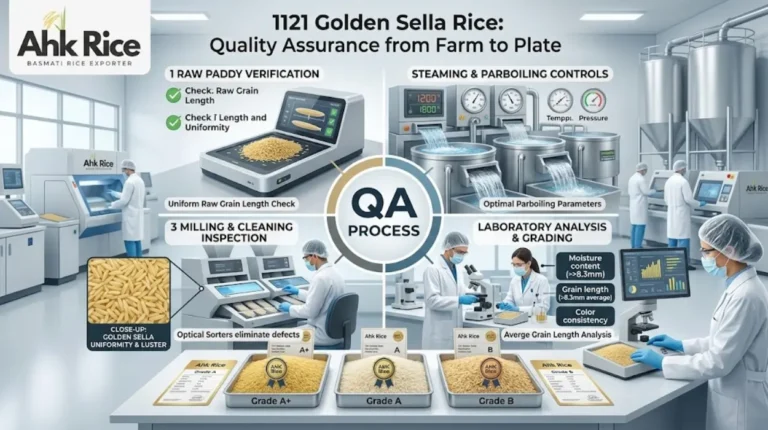
AHK Rice follows a structured quality process:
- Inspect incoming paddy.
- Test moisture levels.
- Mill the grain.
- Grade by specification.
- Sort through colour sorters.
- Re-test moisture.
- Verify packaging conditions.
- Inspect container cleanliness.
- Certify shipment compliance.
These nine steps help ensure consistency between approved samples and shipped cargo.
Moisture Specifications Commonly Requested
| Specification | Typical Requirement |
|---|---|
| Moisture | 12%–14% |
| Broken Grains | 2%–5% |
| Purity | 95%–100% |
| Foreign Matter | 0.1% max |
| Damaged Kernels | 1% max |
| Grain Length | 8.0 mm+ |
| Crop Year | Current Season |
Moisture verification supports quality preservation during shipping. With moisture standards established, buyers next need to evaluate why a specific exporter should manage this process.
Why Choose AHK Rice for Quality-Controlled Basmati Rice?
AHK Rice combines moisture verification, export documentation, laboratory testing, and shipment inspection into one procurement process.
AHK Rice exports premium Pakistani Basmati rice from Punjab, Pakistan. The company supplies importers, wholesalers, food distributors, supermarkets, and catering businesses across multiple international markets.
AHK Rice focuses on measurable quality indicators rather than generic quality claims. Every shipment undergoes testing before loading. Moisture reports can be provided before dispatch.
Quality Features Offered by AHK Rice
- Moisture control
- Laboratory testing
- Colour sorting
- Length grading
- Packaging inspection
- Container verification
- Export certification
AHK Rice supplies several export grades:
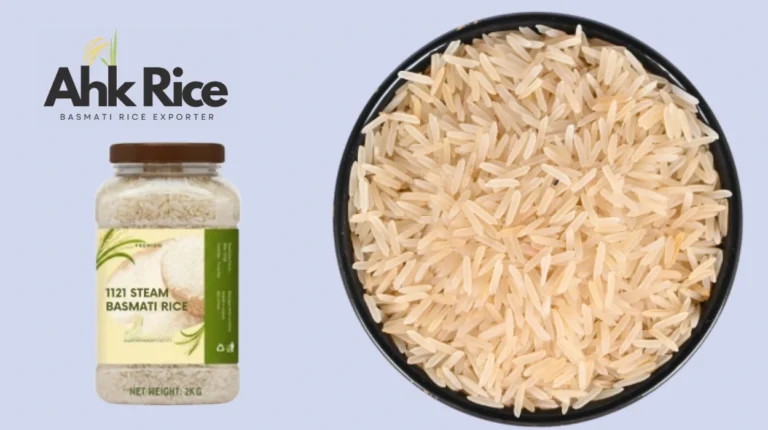
1121 Steam Basmati Rice
1121 Steam Basmati offers long grain appearance and excellent cooking performance. Buyers in the UK and Europe frequently select this grade for retail distribution.
1121 Golden Sella Basmati Rice
1121 Golden Sella Basmati provides extended shelf life and stronger grain structure. Gulf and Iraqi buyers often choose this grade for foodservice operations.
1121 White Basmati Rice
1121 White Basmati delivers premium presentation and traditional aroma. Premium retail markets prefer this specification.
Super Kernel Basmati Rice
Super Kernel Basmati remains popular in Middle Eastern markets because of its aroma and cooking characteristics.
AHK Rice also supports buyers through documented compliance procedures. Learn more about exporter verification procedures through our detailed guide on How Do Exporters Verify Moisture Compliance Before Shipment shipment moisture compliance verification methods.
With supplier selection covered, the next question concerns measurable business outcomes.
What Results Can Buyers Expect from Verified Moisture Standards?
Buyers typically achieve lower claim rates, improved shelf life, greater consistency, and stronger customer satisfaction.
Moisture verification reduces uncertainty. Importers gain confidence that shipped cargo matches contractual specifications.
Longer Shelf Life
Rice stored within proper moisture parameters maintains quality for longer periods.
Golden Sella generally lasts longer than Steam rice. In Gulf warehouses reaching 40°C, Golden Sella often remains stable for up to 18 months. Steam rice commonly performs best within 12 months.
For catering distributors in Iraq, Golden Sella provides stronger storage performance. For premium retailers in the UK, Steam Basmati often delivers preferred appearance.
Reduced Shipment Claims
Verified moisture levels reduce disputes between buyers and suppliers. Inspection records create documented evidence before shipment loading.
Better Cooking Performance
Proper moisture contributes to uniform cooking. Restaurants and foodservice operators value consistency because customer experience depends on repeatable results.
Improved Brand Reputation
Importers selling verified-quality rice build stronger market trust. Consistent specifications support repeat business and distributor relationships.
According to Pakistan’s rice export statistics, Basmati remains one of the country’s leading agricultural exports (source: Pakistan Bureau of Statistics, FY2024-25).
Quality outcomes influence profitability. The next consideration is cost and pricing.
What Factors Affect the Cost of Quality-Controlled Basmati Rice?
Grade selection, moisture verification, certification requirements, packaging, and destination market influence final pricing.
Several variables affect export pricing.
Grade Selection
1121 White Basmati generally commands higher pricing than standard grades because of appearance and grain length.
1121 Golden Sella often achieves premium value because of durability and storage advantages.
Certification Requirements
Additional certifications increase preparation costs. Common export requirements include:
- Phytosanitary Certificate
- Certificate of Origin
- Fumigation Certificate
- Quality Inspection Certificate
- Commercial Invoice
Packaging Requirements
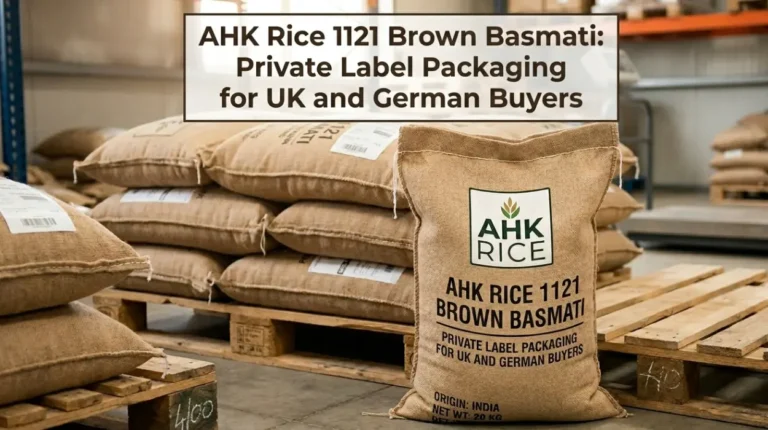
Retail-ready packaging costs more than bulk export bags. Buyers may request:
- 1 kg bags
- 5 kg bags
- 10 kg bags
- 25 kg bags
- 50 kg bags
Destination Market
Shipping costs vary significantly by destination.
| Market | Average Transit Time |
|---|---|
| UAE | 7–12 days |
| Saudi Arabia | 10–15 days |
| Oman | 8–14 days |
| Qatar | 10–15 days |
| UK | 25–35 days |
| Germany | 28–40 days |
| Netherlands | 28–40 days |
| USA | 35–50 days |
| Canada | 35–50 days |
| Australia | 25–40 days |
Transit schedules depend on carrier routing, port congestion, and customs clearance.
Pricing considerations naturally lead to sample evaluation before purchase.
How Does the Sample Process Work Before Ordering?
Professional buyers should review physical samples, laboratory data, and moisture reports before confirming commercial orders.
AHK Rice follows a structured sample approval process.
Sample Approval Steps
- Submit specification requirements.
- Receive grade recommendations.
- Request physical samples.
- Review moisture reports.
- Approve specifications.
- Confirm commercial terms.
- Finalize shipment schedule.
Typical Sample Costs
| Sample Type | Typical Cost |
|---|---|
| Small Courier Sample | £20–£50 |
| Multiple Grade Samples | £50–£100 |
| Laboratory Testing | Variable |
| Independent Inspection | Variable |
Sample investments help buyers avoid larger procurement risks later.
AHK Rice provides specification guidance based on destination market requirements and intended distribution channels.
With product evaluation completed, the final step is beginning procurement.
How Can Buyers Get Started with AHK Rice?

The fastest approach is sharing required grade, destination market, packaging preference, and target quantity for a tailored quotation.
AHK Rice works with wholesalers, distributors, importers, retailers, and foodservice companies. The procurement process begins with understanding buyer specifications.
Information Buyers Should Provide
- Product grade
- Quantity required
- Packaging type
- Destination country
- Target delivery timeline
- Certification requirements
AHK Rice then recommends suitable grades, confirms moisture specifications, and prepares export documentation requirements.
Why International Buyers Work with AHK Rice
AHK Rice provides verified moisture testing. AHK Rice supports multiple export markets. AHK Rice offers documented quality procedures. AHK Rice supplies several Basmati grades. AHK Rice manages shipment preparation. AHK Rice assists with export compliance. AHK Rice supports sample approval. AHK Rice focuses on consistent commercial specifications.
Contact AHK Rice today and request a customized export quotation through our quotation request page.
Frequently Asked Questions
How important is moisture testing before importing Basmati rice?
Moisture testing helps verify that rice meets contractual specifications before shipment. Excess moisture can reduce shelf life and increase storage risks. Verified moisture levels support consistent grain quality. Inspection reports provide evidence before loading. Importers use these records to reduce commercial disputes.
What moisture level is normally accepted for export Basmati rice?
Most international buyers request moisture levels between 12% and 14%. Exact requirements depend on contract terms. Laboratory testing verifies compliance before shipment. Lower moisture improves storage stability. Buyers should confirm specifications before procurement.
Can AHK Rice provide shipment inspection reports?
Yes, AHK Rice can provide inspection and quality verification documentation. Reports may include moisture testing results and shipment specifications. Documentation helps buyers confirm compliance. Records support smoother transactions. Buyers should request required documents during order planning.
How long does Basmati rice remain stable in storage?
Storage performance depends on moisture levels, packaging, and warehouse conditions. Properly stored rice can maintain quality for extended periods. Golden Sella generally offers longer storage stability. Controlled moisture improves shelf life. Importers should follow recommended storage practices.
Which Basmati grade is best for wholesale importers?
The ideal grade depends on market requirements. 1121 Steam Basmati suits many retail markets. 1121 Golden Sella works well for foodservice distribution. Super Kernel remains popular in Middle Eastern markets. Sample evaluation helps determine the best commercial fit.