Pakistan to UAE Rice Shipping Duration via Jebel Ali Port in 2026
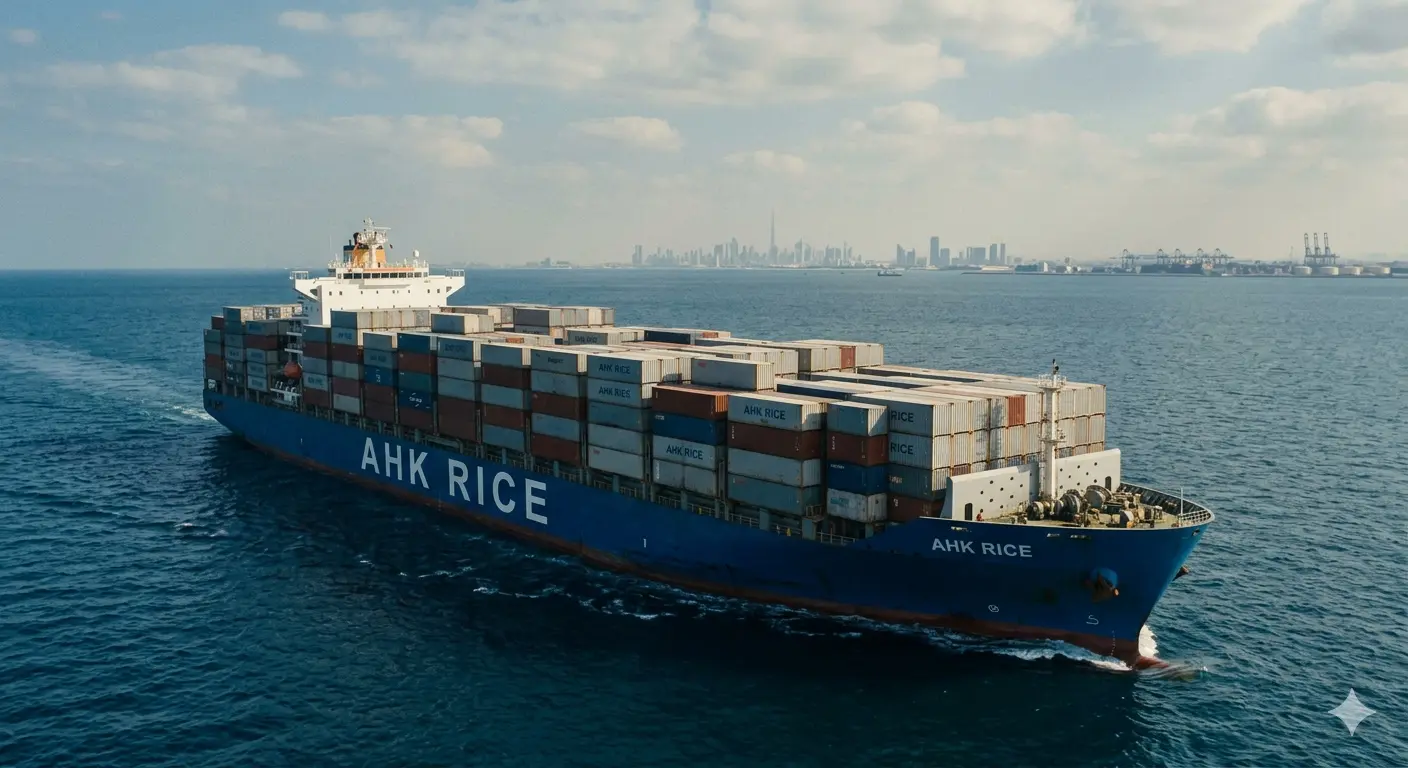
Rice shipping from Pakistan to the UAE via Jebel Ali Port in 2026 refers to the complete sea freight process where processed Basmati rice is exported from Karachi ports and delivered to Dubai through standardized container shipping timelines ranging between 7 to 14 days depending on logistics variables.
Rice shipping is a structured international trade process. It begins at rice mills in Punjab, where paddy is processed into export-grade rice. It then moves to port cities like Karachi for containerization and shipment. The final destination in the UAE is typically Jebel Ali Port, which is the largest maritime hub in the region.
The term includes multiple stages. These stages include inland transport, customs clearance, vessel loading, sea transit, port discharge, and last-mile delivery. Each stage contributes to the total shipping duration. The total transit time is not a single fixed number because it depends on vessel schedules, port congestion, and documentation efficiency.
For example, a shipment of 1121 Basmati rice packed in 25 kg bags follows a standard export route from Lahore to Karachi, then to Dubai via sea freight. The total shipping duration includes 2 days for inland movement, 2 days for port handling, 5 days sea transit, and 2 days clearance in Dubai.
How does sea freight Pakistan UAE rice shipping work?
Sea freight shipping from Pakistan to the UAE works through a multi-step logistics chain involving inland transportation, export documentation, container loading, ocean transit, and import clearance, with each step contributing precisely to the total transit duration between Karachi and Jebel Ali Port.
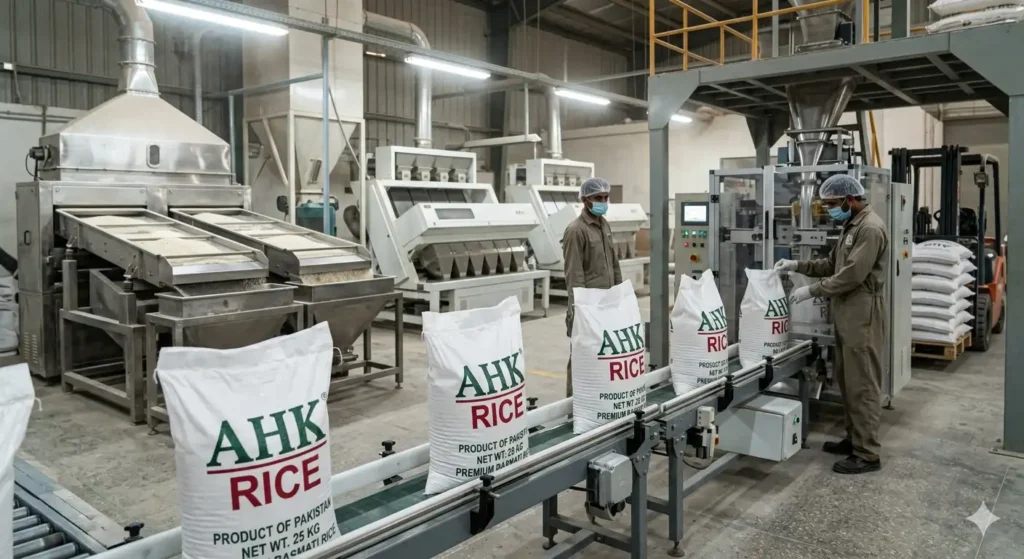
The process begins at the rice processing facility. After milling, polishing, grading, and sorting, rice is packed into export-ready bags such as 5 kg, 10 kg, or 50 kg. These bags are then palletized or stacked for container loading.
Inland Transport to Port
Rice moves from Punjab to Karachi using trucks. The average distance is 1,200 kilometers. This journey takes 24 to 48 hours depending on road conditions and transport scheduling.
Export Documentation and Clearance
Exporters prepare documents. These include the commercial invoice, packing list, certificate of origin, phytosanitary certificate, and fumigation certificate. Customs clearance in Karachi takes 1 to 2 days when documents are accurate.
Container Loading and Port Handling
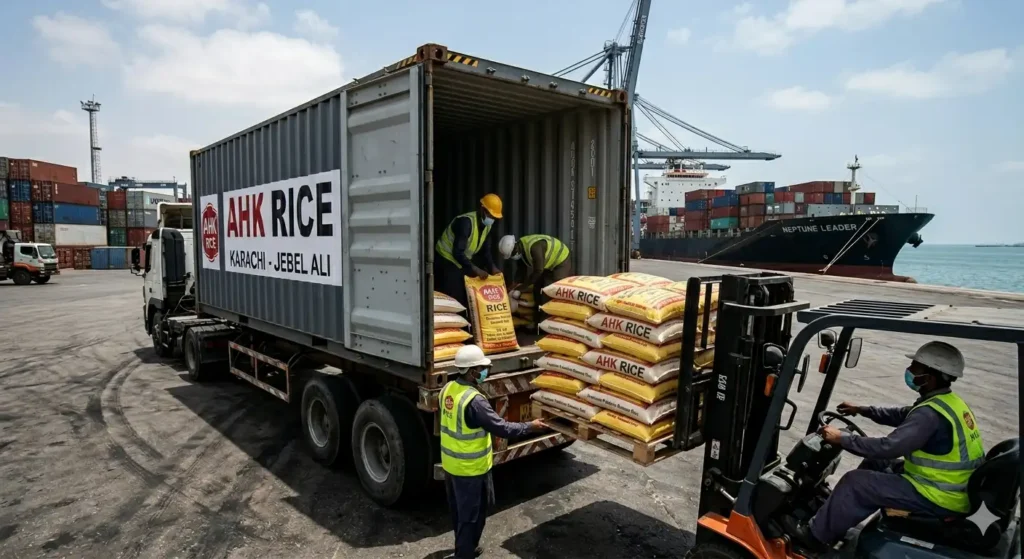
Rice is loaded into 20-foot or 40-foot containers. A 20-foot container holds around 24 metric tons of rice. Port handling, including terminal processing and vessel allocation, takes 1 to 2 days.
Ocean Transit to Jebel Ali Port
The sea route from Karachi to Dubai covers approximately 1,200 nautical miles. Container vessels take 4 to 6 days to complete this journey depending on shipping line schedules.
Import Clearance and Delivery in UAE
At Jebel Ali Port, customs clearance takes 1 to 3 days. After clearance, rice is transported to warehouses or distributors within Dubai or other emirates.
What are the key components affecting Karachi to Dubai shipping time?
The shipping duration between Karachi and Dubai depends on five key components: inland transport time, port processing efficiency, vessel schedule frequency, sea transit duration, and import clearance speed, each contributing measurable delays or acceleration in total delivery time.
Each component has a defined time range. Understanding these components allows accurate estimation of shipping timelines.
Inland Transport Efficiency
Delays in truck availability or road congestion increase transit time from Punjab to Karachi. A delay of 12 hours at this stage affects the entire schedule.
Port Congestion and Handling
Busy ports increase waiting time. Karachi ports handle thousands of containers daily. Delays in terminal allocation extend shipping duration by 1 to 3 days.
Vessel Scheduling
Shipping lines operate on fixed schedules. Missing a vessel departure leads to a delay of 3 to 7 days until the next available vessel.
Sea Transit Duration
Weather conditions, vessel speed, and route optimization determine sea transit time. Modern container ships maintain speeds of 20 to 25 knots, ensuring consistent transit duration.
Import Clearance in UAE
Delays occur due to incomplete documentation or inspection requirements. Efficient documentation reduces clearance time to 24 hours.
What is the average Jebel Ali port rice transit time in 2026?
The average rice transit time from Karachi to Jebel Ali Port in 2026 is 7 to 10 days for port-to-port movement and 10 to 14 days for full door-to-door delivery, including inland transport, customs clearance, and final distribution within the UAE.
Port-to-port transit refers only to sea movement. This excludes inland logistics and customs processing. For exporters and importers, total delivery time is more relevant.
For example, a shipment dispatched on Monday from Karachi port reaches Jebel Ali by Friday or Saturday. If customs clearance completes within 24 hours, delivery to Dubai warehouses occurs by Sunday or Monday.
Shipping lines such as Maersk, MSC, and CMA CGM maintain regular weekly sailings between Karachi and Jebel Ali. These schedules ensure predictable transit times.
Peak seasons affect duration. For instance, before Ramadan, increased demand for rice shipments causes congestion, extending transit times by 2 to 4 days.
What are the benefits of sea freight Pakistan UAE for rice delivery?
Sea freight offers cost efficiency, high-volume capacity, standardized container handling, and predictable transit schedules, making it the most reliable method for transporting bulk rice shipments from Pakistan to the UAE through Jebel Ali Port.
Sea freight is the preferred mode for bulk commodities like rice. Air freight is not viable due to high costs.
Cost Efficiency
Shipping 24 metric tons of rice in a single container significantly reduces cost per kilogram. This makes Pakistani rice competitive in UAE markets.
High Volume Handling
Container ships carry thousands of containers. This allows exporters to ship large quantities in a single voyage.
Standardized Logistics
Containers ensure protection from moisture, contamination, and damage. Standardization improves efficiency at ports.
Predictable Schedules
Weekly vessel departures ensure regular supply chains. Importers can plan inventory based on fixed timelines.
What are the common use cases of rice delivery UAE from Pakistan?
Rice shipping from Pakistan to the UAE is used for retail distribution, wholesale supply, food service operations, and re-export trade, with each use case requiring specific packaging formats, delivery timelines, and compliance standards.
Rice demand in the UAE is diverse. Different sectors require different types of shipments.
Retail Distribution
Supermarkets require branded rice in small packaging sizes such as 5 kg and 10 kg bags. These shipments need precise labeling and attractive packaging.
Wholesale Supply
Bulk buyers import rice in 25 kg or 50 kg bags. These are distributed to smaller retailers or used in food production.
Food Service Industry
Hotels and restaurants require consistent quality rice. They import large volumes regularly.
Re-export Trade
The UAE acts as a trade hub. Rice imported into Dubai is re-exported to Africa and other Gulf countries. This requires efficient logistics and fast turnaround times.
What problems affect rice shipping duration and how are they misunderstood?
Common problems affecting rice shipping duration include documentation errors, port congestion, container shortages, and regulatory inspections, while misconceptions arise from assuming fixed transit times without considering operational variables in international shipping logistics.
Shipping delays are often misunderstood as inefficiencies. In reality, they are usually caused by specific operational issues.
Documentation Errors
Incorrect invoices or missing certificates delay customs clearance. A single missing document can cause a 48-hour delay.
Port Congestion
High cargo volumes increase waiting times. This is common during peak export seasons.
Container Shortages
Limited container availability delays shipment scheduling. This issue became prominent during global supply chain disruptions.
Inspection Delays
Random inspections by customs authorities extend clearance time. These inspections ensure compliance with food safety standards.
Misconception of Fixed Timelines
Many assume shipping always takes exactly 7 days. This assumption ignores variables such as weather, vessel delays, and port operations.
How is rice processed and prepared for export before shipping?
Rice exported from Pakistan undergoes a structured processing sequence including cleaning, husking, polishing, grading, sorting, and packaging, ensuring it meets international quality standards before being shipped to the UAE through controlled logistics channels.
Processing determines the quality and shelf life of rice. Each step is essential.
Cleaning and Husking
Raw paddy is cleaned to remove impurities. Husking removes the outer shell.
Polishing
Rice is polished to improve appearance. White rice undergoes more polishing than brown rice.
Grading and Sorting
Rice is sorted by size, length, and color. Broken grains are separated from whole grains.
Packaging
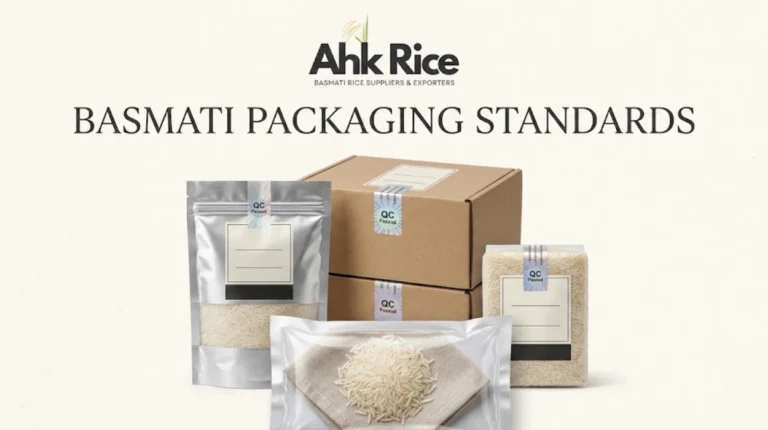
Rice is packed into moisture-resistant bags. Packaging includes labeling with origin, weight, and certification details.
What certifications apply to rice shipping Pakistan UAE?
Rice shipments from Pakistan to the UAE require certifications such as phytosanitary certificates, fumigation certificates, certificate of origin, and food safety compliance documents to ensure regulatory approval and smooth customs clearance at Jebel Ali Port.
Certifications verify quality and safety. They are mandatory for international trade.
Phytosanitary Certificate
This confirms that the rice is free from pests and diseases.
Fumigation Certificate
This ensures the rice has been treated to eliminate insects.
Certificate of Origin
This verifies that the rice is produced in Pakistan.
Food Safety Compliance
Standards such as ISO and HACCP ensure that processing meets international hygiene requirements.