Secure New Crop Basmati Rice Supply Through AHK Rice
Importers who secure new crop Basmati rice early gain better availability, predictable pricing, and smoother shipment planning. Buyers that delay procurement often face supply pressure, freight fluctuations, and limited grade availability.
For buyers evaluating the market, understanding crop timing is the first step. Our guide on why UK importers monitor Basmati harvest cycles and market movements explains how seasonal production directly affects procurement decisions. Once supply planning becomes a priority, securing inventory through AHK Rice helps reduce sourcing risks and improve shipment consistency.
What Is the Best Solution for Securing New Crop Basmati Rice Supply?
The most effective solution is to partner with an experienced exporter that controls sourcing, processing, quality inspection, documentation, and shipment scheduling. This approach reduces procurement uncertainty, protects product specifications, and ensures that buyers receive consistent Basmati rice supplies throughout the purchasing cycle.
New crop Basmati rice attracts strong demand immediately after harvest. Importers often compete for limited availability of premium grades during the early season.
AHK Rice provides a structured procurement model designed for wholesale buyers. Instead of purchasing through multiple intermediaries, importers work directly with a supplier that manages sourcing from rice-growing regions in Punjab, Pakistan.
This process creates greater control over quality, volume allocation, and shipment schedules.
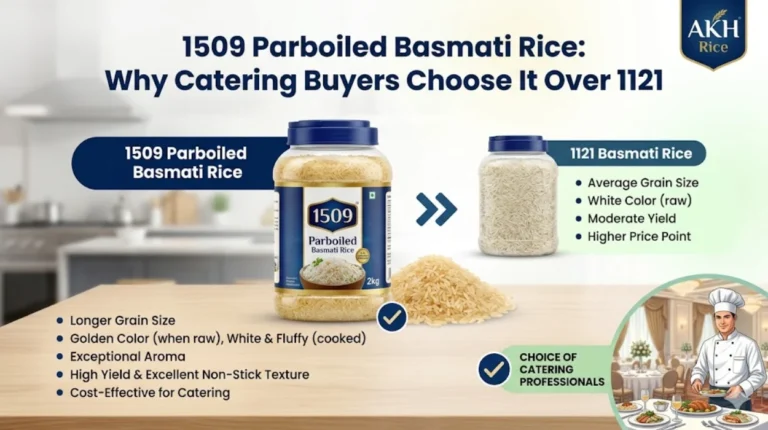
AHK Rice supplies multiple Basmati categories including Super Basmati Rice, PK 385 Rice, 1121 Basmati Rice, 1509 Basmati Rice, and other export-oriented specifications required by international buyers.
When buyers secure supply contracts before peak demand periods, they improve inventory planning and reduce the risk of market shortages.
The result is a more predictable purchasing strategy.
Why Should Importers Choose AHK Rice?
Importers choose AHK Rice because it combines product expertise, export experience, quality control systems, and dependable shipment management. Buyers benefit from direct communication, transparent specifications, flexible packaging options, and consistent support throughout the procurement and delivery process.
Many suppliers can offer rice.
Fewer suppliers can consistently deliver the same quality across multiple shipments.
AHK Rice focuses on long-term supply relationships rather than one-time transactions. Every shipment follows documented quality procedures before loading.
AHK Rice works with international buyers who require clear specifications, moisture control, broken percentage verification, grain length consistency, and export-compliant packaging.
This approach helps reduce quality disputes and protects importer margins.
Another advantage is production planning.
Because AHK Rice maintains close relationships with growers and processing facilities, buyers gain better visibility into upcoming crop availability.
For procurement managers, this visibility supports stronger forecasting and inventory management.
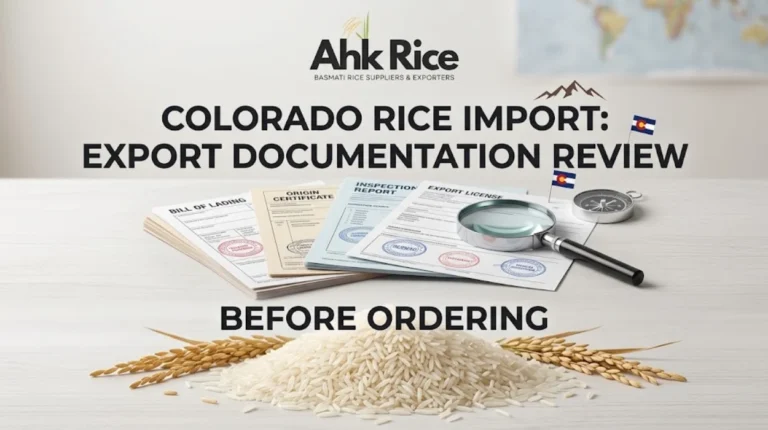
AHK Rice also assists buyers with documentation requirements necessary for customs clearance and international trade compliance.
These operational advantages help importers avoid delays and unexpected costs.
How Does AHK Rice Manage Quality from Harvest to Shipment?
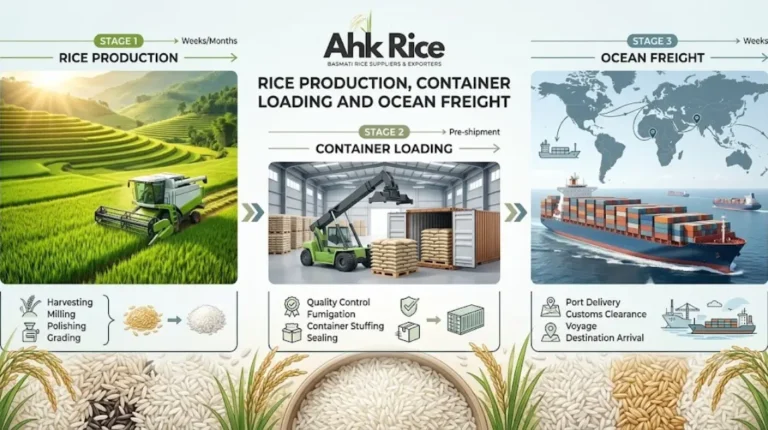
Quality assurance begins with crop selection and continues through processing, grading, inspection, packaging, and final container loading. Each stage is monitored to ensure that buyers receive rice matching the agreed commercial specifications and export standards.
The quality process starts during procurement.
Rice is sourced from recognized cultivation areas known for producing export-quality Basmati varieties.
After procurement, paddy enters controlled milling operations.
The rice undergoes cleaning, dehusking, polishing, grading, sorting, and quality inspection.
Each stage contributes to consistency.
Laboratory checks evaluate moisture levels, purity, grain dimensions, and broken percentages.
Packaging is then completed according to buyer requirements.
Container loading is monitored to protect product integrity during international transportation.
AHK Rice understands that quality consistency directly affects importer profitability.
For that reason, quality verification remains a priority throughout the supply chain.
What Shipping Times Can Buyers Expect in Different Markets?
Shipping schedules vary according to destination, carrier availability, and port conditions. However, experienced export planning allows buyers to estimate inventory arrival dates accurately and maintain uninterrupted supply throughout their distribution networks and retail channels.
Typical transit estimates include:
| Market Region | Estimated Shipping Days |
|---|---|
| United Kingdom | 25–35 Days |
| Europe | 25–40 Days |
| Middle East | 10–20 Days |
| North America | 35–50 Days |
| Australia | 30–45 Days |
| Africa | 20–40 Days |
Actual transit times depend on vessel schedules and customs procedures.
AHK Rice coordinates shipment planning to help buyers maintain realistic inventory forecasts.
Advance production scheduling further reduces the risk of delays.
Importers benefit from clearer visibility throughout the shipping process.
How Does the Sample Process Work Before Ordering?

Professional sample evaluation allows buyers to verify product quality before committing to larger purchase volumes. A structured sample process reduces procurement risk and provides confidence that the selected rice meets commercial requirements and customer expectations.
AHK Rice follows a straightforward sample process.
Step 1: Buyer submits product requirements.
Step 2: AHK Rice selects the appropriate rice specification.
Step 3: Sample preparation and quality verification.
Step 4: Sample dispatch through courier services.
Step 5: Buyer evaluation and feedback.
Typical sample options include:
| Sample Type | Typical Cost |
|---|---|
| Small Evaluation Sample | Often Free |
| Courier Charges | Buyer Pays or Shared |
| Customized Sample Pack | Based on Requirements |
Sample costs vary according to destination country, courier rates, and requested quantities.
For many commercial buyers, sample approval significantly reduces procurement uncertainty before full container orders.
What Results Can Buyers Expect from Working with AHK Rice?
Importers can expect improved supply continuity, stronger inventory planning, consistent product specifications, reduced sourcing complexity, and better purchasing confidence. These outcomes help businesses build stable rice programs and support long-term customer relationships within their target markets.
Reliable supply produces measurable business benefits.
Retail distributors can maintain shelf availability.
Wholesalers can plan promotions with greater confidence.
Food service suppliers can reduce emergency purchasing.
Because AHK Rice manages sourcing and export coordination, buyers spend less time resolving operational issues.
The relationship becomes focused on growth rather than troubleshooting.
Many importers also benefit from improved procurement predictability.
Instead of reacting to market shortages, they secure supply before demand peaks.
This strategy supports better purchasing decisions and inventory performance.
To understand the relationship between harvest periods and procurement timing, buyers can review our guide explaining <a href=”#”>how crop years influence rice availability, pricing patterns, and supply planning decisions</a>.
What Factors Affect New Crop Basmati Rice Pricing?
Pricing depends on crop yield, market demand, grade selection, processing requirements, packaging specifications, freight costs, and currency movements. Understanding these factors allows importers to make informed purchasing decisions and secure competitive long-term supply arrangements.
No single factor determines export pricing.
Crop size remains one of the most important influences.
When production levels decline, market prices generally increase.
Grade selection also affects costs.
Premium varieties command higher prices because of their grain length, appearance, cooking characteristics, and demand.
Packaging requirements influence pricing as well.
Custom branding, specialized bags, and retail-ready packaging typically increase production costs.
Freight rates represent another major variable.
International shipping markets can fluctuate significantly throughout the year.
AHK Rice helps buyers evaluate these variables before finalizing procurement decisions.
Transparent discussions improve budgeting accuracy.
How Can Buyers Get Started with AHK Rice?
The purchasing process begins with identifying product specifications and volume requirements. Once needs are defined, buyers can evaluate samples, review commercial terms, confirm shipment schedules, and proceed with a structured procurement plan that supports long-term supply goals.
The process is simple.
First, define the rice variety and grade required.
Second, communicate packaging specifications and expected order volumes.
Third, request samples for evaluation.
Fourth, review commercial quotations.
Fifth, finalize production and shipment schedules.
Throughout the process, AHK Rice provides support regarding specifications, documentation, export procedures, and logistics planning.
This structured approach helps importers move from product evaluation to shipment execution efficiently.
For buyers seeking dependable new crop availability, consistent quality standards, and professional export support, AHK Rice offers a practical solution for long-term procurement success. To begin discussing your requirements, quotation request page.
Frequently Asked Questions
How early should importers secure new crop Basmati rice?
Importers should begin discussions before peak harvest demand develops. Early planning improves availability and allows buyers to secure preferred grades. It also supports more predictable pricing and shipment schedules. Procurement teams gain better inventory visibility. This reduces supply-chain risks.
Does AHK Rice provide samples before bulk orders?
Yes, AHK Rice offers sample evaluation options for qualified buyers. Samples help verify grain quality and specifications before purchase. Buyers can assess cooking performance and appearance. This reduces procurement uncertainty. Sample approval supports confident purchasing decisions.
Which Basmati rice varieties are available?
AHK Rice supplies multiple export-grade varieties including Super Basmati Rice, 1121 Basmati Rice, PK 385 Rice, and 1509 Basmati Rice. Availability may vary according to crop conditions. Buyers can request specific specifications. Different markets often prefer different grades. Product recommendations are available.
What documents are provided with export shipments?
Export shipments typically include commercial invoices, packing lists, certificates, and other trade documents required by destination markets. Requirements vary by country. Proper documentation supports customs clearance. It also reduces import delays. Buyers receive guidance throughout the process.
Can AHK Rice support long-term supply agreements?
Yes, AHK Rice works with importers seeking stable procurement relationships. Long-term planning helps improve supply continuity and forecasting accuracy. Buyers gain better access to production scheduling. This can reduce sourcing uncertainty. Strategic supply partnerships often create operational advantages.