1121 White Basmati Rice: Why EU Retailers Choose This Grade Over All Others
1121 white basmati rice meets EU retailer requirements because it delivers 8.20–8.40 mm grain length, low pesticide residue within EU MRL limits, and consistent cooking elongation above 2.0x. Here is why: strict compliance, visual appeal, and shelf stability match European retail standards.
1121 white basmati rice defines the premium non-parboiled segment exported from Pakistan. EU retailers prioritize uniformity, safety compliance, and consumer cooking performance. This grade satisfies all three with measurable specifications and verified processing controls.
What is 1121 white basmati rice and why do EU retailers prefer it?
1121 white basmati rice is a long-grain aromatic variety with 8.20–8.40 mm length, polished white appearance, and elongation ratio above 2.0 after cooking. EU retailers prefer it because it complies with pesticide limits and delivers consistent shelf presentation.
1121 white basmati rice originates from Punjab’s irrigated plains. Farmers cultivate it using controlled irrigation cycles and certified seed varieties. The grain develops long structure and distinct aroma during growth.
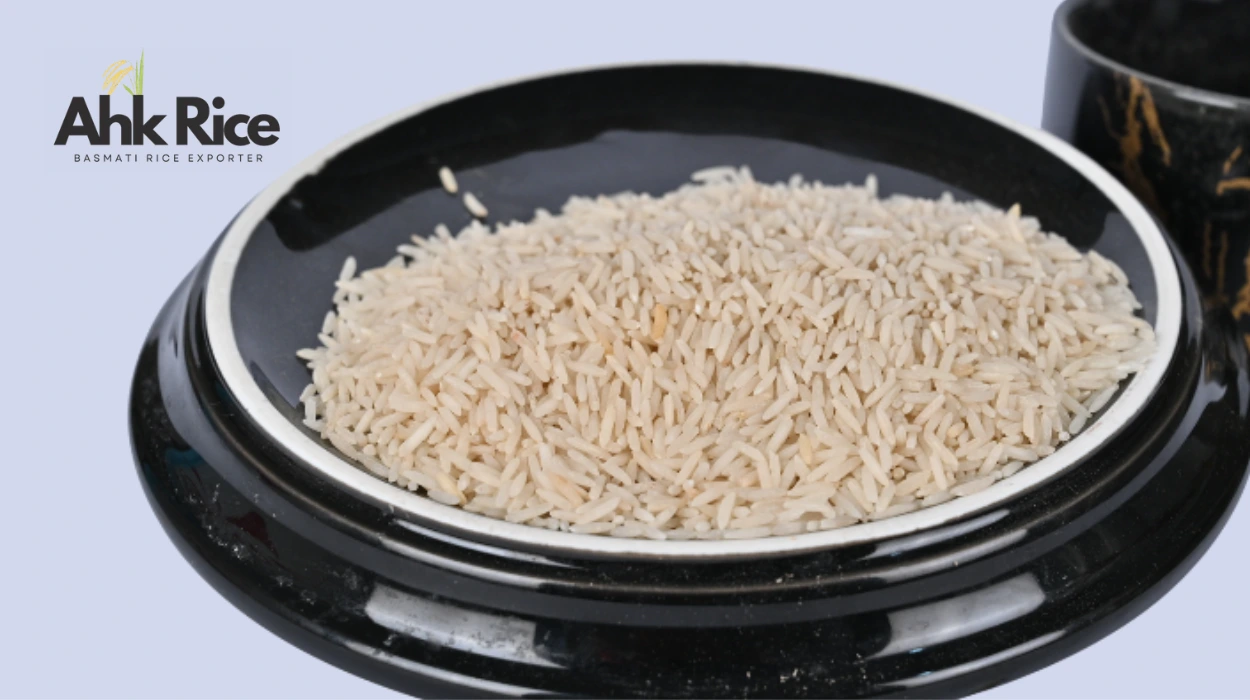
White basmati differs from parboiled variants because mills polish the grain without steam or parboiling. This process preserves the natural white color. EU supermarkets prefer this visual clarity for retail packaging.
EU retailers prioritize pesticide compliance because European Union regulations enforce strict Maximum Residue Limits (MRLs). Exporters test each batch to ensure compliance with tricyclazole-free standards. This requirement defines the “pesticide compliant basmati” category.
Retail buyers select 1121 white basmati because consumers associate long grains with premium quality. For example, 1 kg retail packs in Germany and France require uniform grain size and minimal broken percentage below 2%.
With the definition established, the next question is how this rice moves from paddy to export-ready product.
How does the 1121 white basmati rice processing system work?
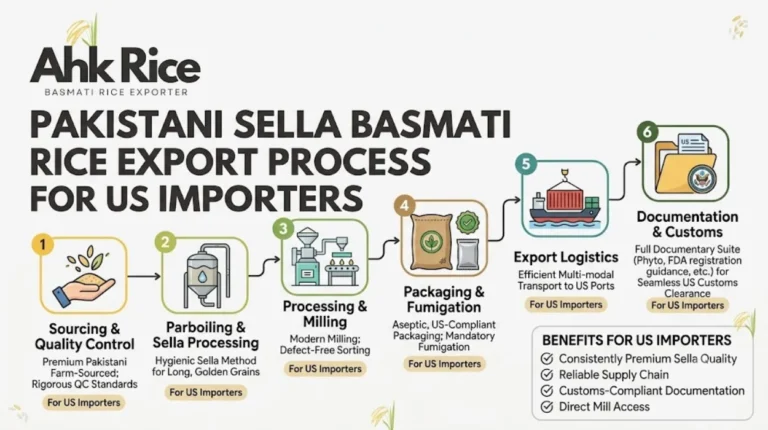
1121 white basmati rice processing involves 9 controlled steps: cleaning, dehusking, polishing, grading, sorting, length separation, moisture control, quality testing, and packaging. Each step ensures EU compliance and uniform grain quality.
Step-by-step processing system
- Clean the paddy to remove dust and stones
- Dehusk the grain to separate husk from kernel
- Polish the rice to achieve white appearance
- Grade by size to maintain uniformity
- Sort by color using optical machines
- Separate by length to isolate 8.20+ mm grains
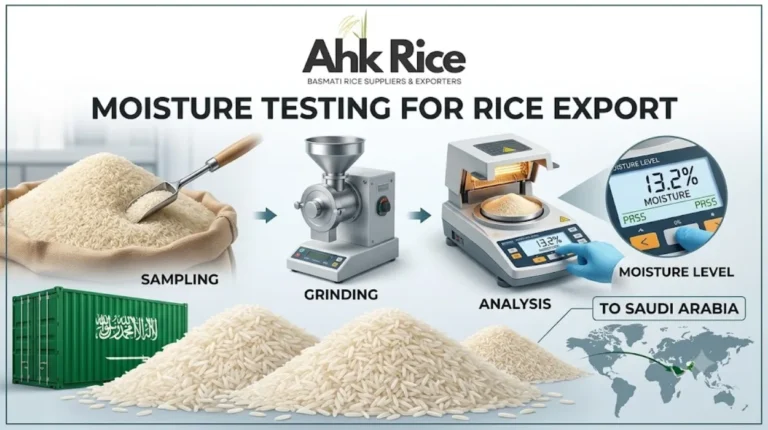
- Control moisture at 12–13% for storage stability
- Test for pesticide residues and quality metrics
- Package in food-grade retail or bulk bags
Processing defines export quality. Mills use optical color sorters to remove discolored grains. This step ensures EU shelf standards where visual defects reduce consumer trust.
Moisture control ensures storage stability. Rice stored above 14% moisture develops fungal risk. EU importers reject such shipments due to safety concerns.
Laboratories test every batch for pesticide residues. Tricyclazole-free certification remains mandatory for EU-bound consignments. Exporters provide lab reports from accredited laboratories.
Processing explains why white basmati achieves retail-grade consistency. The next step is to break down the components that define this quality.
What are the key components that define EU-grade white basmati?
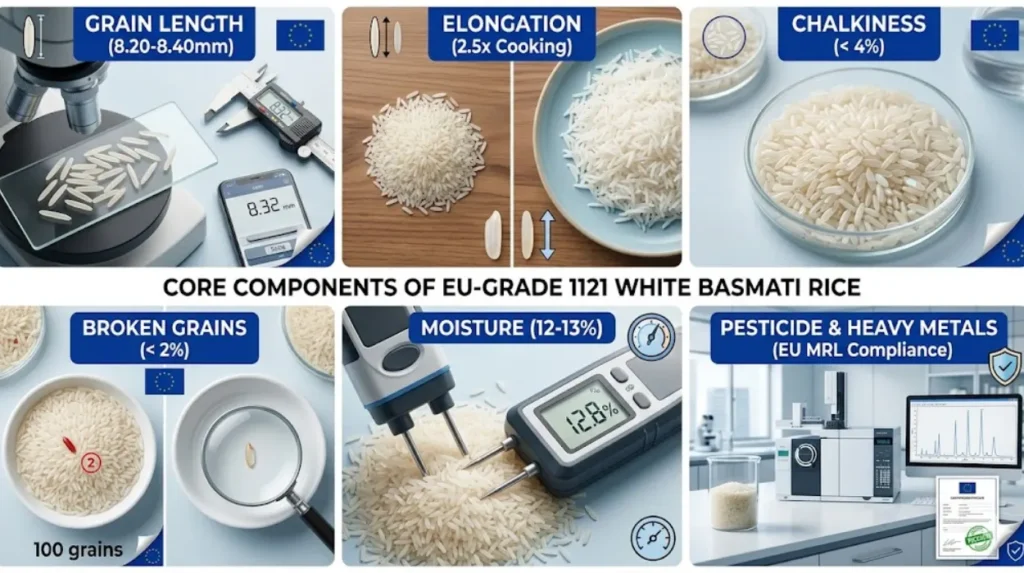
EU-grade 1121 white basmati rice is defined by grain length 8.20–8.40 mm, broken grains below 2%, moisture 12–13%, chalkiness below 4%, and pesticide residue within EU MRL limits. These components determine acceptance.
Core quality components
- Grain length: 8.20–8.40 mm
- Broken percentage: 0–2% max
- Moisture content: 12–13%
- Chalky grains: below 4%
- Purity level: 95–100%
- Foreign matter: 0.1% max
Grain length defines premium classification. EU buyers reject mixed grain shipments because packaging requires uniform appearance. Length grading machines isolate premium kernels.
Broken percentage affects cooking performance. Broken grains absorb water faster and create uneven texture. Retail buyers limit broken grains to maintain consumer satisfaction.
Chalkiness impacts visual quality. Chalky grains appear opaque and reduce shelf appeal. EU retailers demand low chalk percentage for premium positioning.
Pesticide compliance defines market access. Laboratories test for residues such as tricyclazole. EU regulations enforce strict limits, making “tricyclazole-free rice” a mandatory specification.
With the components defined, the next focus is how these specifications translate into measurable benefits.
What benefits does 1121 white basmati rice deliver to EU retailers?
1121 white basmati rice delivers consistent shelf appeal, regulatory compliance, long grain elongation above 2.0x, and predictable cooking results. These benefits reduce returns, improve brand trust, and support premium pricing in EU retail markets.
Retailers benefit from visual consistency. Uniform grain size improves packaging presentation. Consumers associate long grains with quality, increasing repeat purchases.
Cooking performance drives customer satisfaction. 1121 white basmati elongates beyond 2.0 times its original length. For example, a 7.5 mm grain expands to over 15 mm after cooking.
Regulatory compliance reduces import risk. EU authorities inspect shipments at ports. Pesticide-compliant basmati passes inspection without delays or penalties.
Shelf stability ensures product longevity. Controlled moisture levels prevent spoilage. Retailers store packaged rice for up to 12 months under standard conditions.
Price positioning improves margins. Premium white basmati commands higher retail prices compared to broken or mixed grades. This supports supermarket private labels and branded products.
These benefits explain why EU retailers consistently choose this grade. The next step is to examine where and how this rice is used across markets.
Where is 1121 white basmati rice used in EU markets?
1121 white basmati rice is used in retail packs, private label brands, ready-meal production, and ethnic food segments across Germany, France, Netherlands, and Scandinavia. Each use case requires strict quality consistency and compliance.
Key use cases
- Retail packaging: 1 kg, 5 kg consumer packs
- Private label brands: supermarket-owned rice products
- Ready meals: packaged biryani and pilaf dishes
- Ethnic markets: South Asian and Middle Eastern stores
Retail packaging dominates EU demand. Supermarkets require uniform grains and clean appearance. Packaging often includes transparent windows to display grain quality.
Private label brands rely on consistency. Retail chains in Germany and France source large volumes with strict specifications. Consistency ensures brand reputation.
Ready-meal producers require predictable cooking behavior. Rice must maintain structure during reheating. 1121 white basmati meets this requirement due to its elongation and firmness.
Ethnic markets demand authenticity. Consumers prefer traditional basmati aroma and texture. White basmati delivers this without the yellow tint of parboiled rice.
For deeper pricing and margin comparison, see: 1121 White vs 1121 Golden Sella: Which Grade Has Better Margins in Europe?
With use cases defined, the next section addresses common misconceptions that affect buyer decisions.
What are the common problems and misconceptions about white basmati in EU trade?
Common misconceptions include lower shelf life than parboiled rice, inconsistent pesticide compliance, and weaker cooking performance. These claims are incorrect when rice is processed and tested under controlled export standards.
Misconception 1: White basmati has poor shelf life
White basmati maintains quality for 12 months at 12–13% moisture. Storage in dry conditions prevents spoilage. Retail environments in Europe meet these conditions consistently.
Misconception 2: White basmati fails pesticide compliance
Export-grade rice undergoes laboratory testing. Certified batches meet EU MRL standards. Tricyclazole-free verification ensures regulatory acceptance.
Misconception 3: White basmati breaks during cooking
Properly milled 1121 white basmati maintains structure. Broken grains below 2% ensure uniform cooking. High elongation improves presentation.
Misconception 4: Golden Sella is always superior
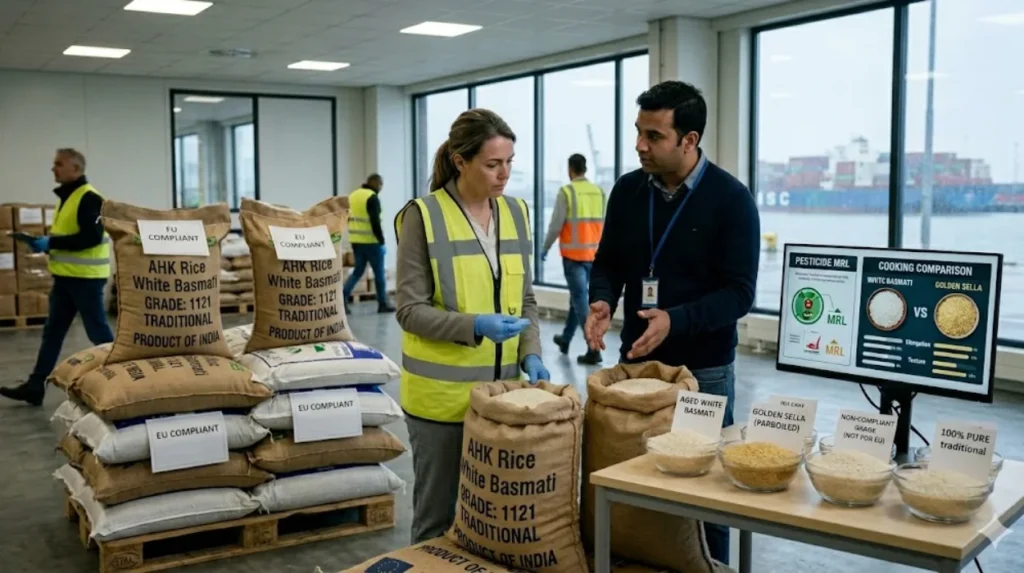
Golden Sella offers longer shelf life in hot climates. White basmati performs better in EU retail due to visual appeal and consumer preference for white grains.
Misconception 5: All basmati grades are identical
Different grades vary in length, purity, and processing. 1121 white basmati stands at the premium end due to its measurable specifications.
These clarifications resolve buyer confusion and reinforce why EU retailers standardize this grade. The final step is understanding how all elements connect in the supply chain.
How do cultivation, processing, and compliance connect in the EU basmati supply chain?
Cultivation, processing, and compliance form a linked system where controlled farming, precision milling, and laboratory testing ensure EU acceptance. Each stage directly impacts grain quality, safety, and retail performance.
Farmers cultivate 1121 basmati using controlled irrigation and certified seeds. This ensures uniform grain development. Harvest timing determines grain maturity and length.
Mills process paddy using modern equipment. Each step, from dehusking to grading, removes inconsistencies. This creates uniform export-grade rice.
Laboratories test final batches. Certification verifies pesticide compliance and quality metrics. EU importers rely on these reports for clearance.
Logistics teams load and ship rice in moisture-controlled containers. Proper packaging prevents contamination during transit. Shipments reach EU ports within 25–35 days depending on destination.
This integrated system explains why EU retailers consistently choose 1121 white basmati rice. Each stage supports the final retail outcome.
What makes 1121 white basmati rice compliant with EU regulations?
1121 white basmati rice complies with EU regulations because it meets Maximum Residue Limits (MRLs), maintains moisture at 12–13%, and passes laboratory pesticide testing including tricyclazole-free verification. Exporters test each batch in accredited laboratories. Reports confirm residue levels within EU limits. Shipments without certification fail inspection at EU ports.
How long is the shelf life of 1121 white basmati rice in EU retail conditions?
1121 white basmati rice maintains quality for up to 12 months when stored at 12–13% moisture in dry, ventilated environments. Retail warehouses in Europe maintain controlled humidity. Proper packaging in PP or BOPP bags prevents moisture absorption and preserves grain integrity.
Why do EU retailers prefer white basmati over parboiled varieties?
EU retailers prefer white basmati because it offers a clean white appearance, better shelf presentation, and strong consumer demand in premium retail segments. Consumers in Europe associate white grains with quality. Transparent packaging highlights grain length and uniformity, increasing purchase intent.
What is the ideal grain specification for EU-grade 1121 white basmati rice?
EU-grade 1121 white basmati requires 8.20–8.40 mm grain length, 0–2% broken grains, and purity levels above 95%. Length graders and optical sorters ensure uniformity. Buyers reject mixed or shorter grains because they reduce retail value.
Does 1121 white basmati rice perform well in cooking applications?
1121 white basmati rice delivers elongation above 2.0x, non-sticky texture, and separate grains after cooking, making it ideal for retail and ready-meal use. Chefs and manufacturers prefer this performance for dishes like pilaf and biryani. Consistent cooking results reduce product complaints and returns.