How to Choose a Pakistani Sella Basmati Rice Exporter for the US Market
The best Pakistani Sella Basmati rice exporter for the US market is a supplier that consistently delivers verified quality, regulatory compliance, stable pricing, and reliable logistics. Here is why: US importers face strict food safety requirements, competitive retail environments, and demanding foodservice specifications. Choosing the right exporter reduces risk, protects margins, and ensures consistent supply.
US demand for Pakistani Sella Basmati rice continues to grow as ethnic food consumption expands across retail stores, wholesalers, restaurants, and institutional buyers. Buyers seeking deeper market context can explore our guide on the growing demand for Pakistani Sella Basmati rice in American ethnic food channels.
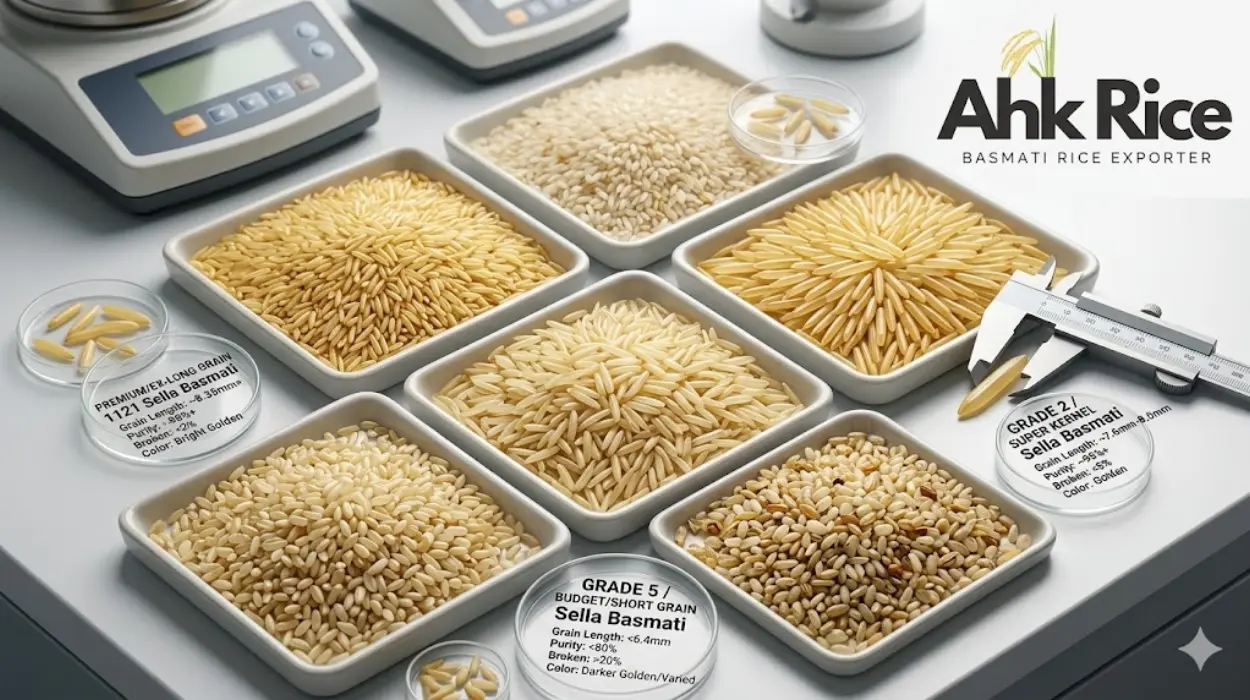
Importers evaluating suppliers often compare grades, processing standards, and packaging options before selecting a long-term partner. A useful resource for that evaluation is our article on understanding different Pakistani Sella Basmati grades for US retail and foodservice requirements.
Selecting the correct exporter requires more than comparing prices. Exporters must demonstrate processing capability, certification standards, documentation accuracy, and shipment performance. AHK Rice helps US buyers source Pakistani Sella Basmati rice through structured quality control, export documentation, and market-specific packaging solutions.
What is the best solution for choosing a Pakistani Sella Basmati rice exporter for the US market?
Verified certifications, consistent grain specifications, transparent documentation, reliable shipping schedules, and proven export experience create the strongest solution for US rice importers.
US buyers should evaluate exporters using measurable standards rather than marketing claims. Grain length, moisture levels, broken percentage, certification status, and shipment history provide objective indicators of supplier capability.
Why do certifications matter?
US food importers must comply with food safety regulations. Exporters should inspect, test, certify, and verify every shipment before dispatch.
Key certifications to verify
| Certification | Purpose |
|---|---|
| FDA Registration | US market compliance |
| HACCP | Food safety management |
| ISO 22000 | Food safety systems |
| Phytosanitary Certificate | Plant health verification |
| Fumigation Certificate | Pest control compliance |
| Certificate of Origin | Trade documentation |
Certification reduces customs delays. Certification also improves confidence among distributors and retail buyers.
Why do grain specifications matter?
Sella Basmati rice varies by grade. Importers should review exact specifications before procurement.
Important specification factors
| Specification | Typical Requirement |
|---|---|
| Grain Length | 7.0–8.4 mm |
| Moisture | 12–14% |
| Broken Rice | 2–5% |
| Purity | 95–100% |
| Foreign Matter | Near Zero |
| Shelf Life | 18–24 Months |
AHK Rice provides specification sheets before order confirmation. Buyers receive documented quality parameters before production begins.
The evaluation process starts with specifications. The next step is understanding why a specific supplier can consistently meet them.
Why choose AHK Rice for US imports?
Structured quality control, multiple Sella grades, export documentation support, and market-focused packaging make AHK Rice a practical sourcing partner for US buyers.
AHK Rice supplies Pakistani Basmati rice to importers, wholesalers, retailers, and foodservice distributors. The company focuses on consistency rather than opportunistic spot trading.
What processing standards does AHK Rice use?
AHK Rice follows a defined processing sequence. Every stage contributes to product consistency.
Processing steps
- Harvest mature paddy.
- Clean incoming paddy.
- Soak selected grain.
- Parboil under controlled conditions.
- Dry the grain.
- De-husk the paddy.
- Mill the rice.
- Sort by size and quality.
- Grade for export specifications.
- Inspect final lots.
- Pack according to buyer requirements.
- Load export containers.
Each step contributes to cooking performance, grain appearance, and shelf stability.
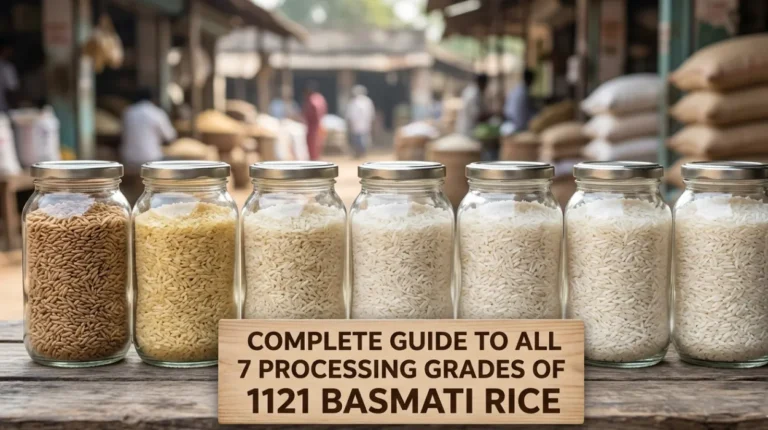
Which Sella grades are available?
AHK Rice offers multiple export grades.
Available grades
- 1121 Golden Sella Basmati
- 1121 Creamy Sella Basmati
- Super Kernel Golden Sella
- Super Kernel Creamy Sella
- PK 386 Sella Rice
- Kainat Sella Rice
- Traditional Basmati Sella
Different grades suit different channels.
Retail example
1121 Golden Sella performs well in premium ethnic retail stores because consumers value extra-long grain appearance.
Foodservice example
Super Kernel Sella performs well in restaurants because it balances cost and cooking performance.
US buyers evaluating grade selection should compare detailed quality differences before finalizing annual contracts.
Grade selection establishes product suitability. Next comes the commercial outcome buyers can expect.
What results can US buyers expect from the right exporter?
Lower supply risk, consistent inventory planning, predictable quality, and improved customer satisfaction are the primary outcomes.
Reliable exporters help buyers avoid quality disputes. Consistency protects brand reputation in competitive US markets.
Quality consistency
Consistent rice specifications reduce customer complaints. Consistent cooking performance increases repeat purchasing.
Supply chain reliability
Reliable exporters maintain production schedules and container availability. Buyers can forecast inventory more accurately.
Better market positioning
Premium Sella Basmati allows distributors to compete in higher-margin market segments.
Shelf-life advantage
Golden Sella generally offers longer storage stability than Steam rice.
Golden Sella often maintains quality for 18–24 months under recommended storage conditions. Steam rice commonly performs best within 12–18 months. For distributors holding inventory across multiple warehouses, Golden Sella offers greater flexibility.
Shipping timelines by market
Typical transit times from Pakistan
| Destination | Shipping Days |
|---|---|
| New York | 28–35 Days |
| New Jersey | 28–35 Days |
| Houston | 30–40 Days |
| Savannah | 30–40 Days |
| Los Angeles | 35–45 Days |
| Chicago via inland logistics | 40–50 Days |
Transit times vary because vessel schedules, port congestion, and customs processing affect final delivery.
AHK Rice coordinates shipment planning to improve delivery predictability for US buyers.
Delivery performance influences profitability. Cost structure becomes the next decision factor.
What factors affect pricing when importing Pakistani Sella Basmati rice?
Grade selection, packaging format, order volume, freight costs, certifications, and seasonal supply conditions determine final import pricing.
Rice pricing changes throughout the year. Harvest conditions and export demand influence market rates (source: REAP export data, December 2025).
Major pricing factors
Product factors
- Grade quality
- Grain length
- Broken percentage
- Aging period
- Color consistency
Packaging factors
- 1 kg retail bags
- 5 kg retail bags
- 10 kg retail bags
- 20 kg PP bags
- 40 kg PP bags
- 50 kg PP bags
Logistics factors
- Ocean freight
- Container availability
- Inland trucking
- Port handling charges
- Customs clearance costs
Why is the cheapest supplier often the most expensive?
Low-cost suppliers may compromise sorting quality, moisture control, or documentation accuracy.
Quality claims create disputes when importers receive inconsistent shipments. Documentation errors create customs delays. Product inconsistencies create customer complaints.
AHK Rice focuses on transparent quotations that define grade, packaging, specifications, and shipment terms before order confirmation.
Pricing analysis supports supplier selection. The next step is understanding the sample process.
How does the sample process work before placing an order?
Professional exporters provide samples, specification sheets, laboratory information, and commercial quotations before contract confirmation.
Sampling reduces procurement risk. Buyers can verify quality before committing to container purchases.
Standard sample process
Step 1: Request specifications
Provide required grade, packaging, and target market.
Step 2: Receive product information
Review grain length, moisture, purity, and packaging options.
Step 3: Receive samples
Inspect grain appearance and cooking characteristics.
Step 4: Conduct testing
Verify quality through internal evaluation or third-party laboratories.
Step 5: Confirm commercial terms
Approve pricing, Incoterms, payment terms, and shipment schedule.
Step 6: Place purchase order
Finalize production planning and dispatch schedule.
Typical sample costs
| Item | Typical Cost |
|---|---|
| Sample Rice | Often Free |
| Courier Charges | $40–$120 |
| Laboratory Testing | Variable |
| Custom Packaging Sample | Variable |
AHK Rice typically assists buyers throughout the sample evaluation process to simplify procurement decisions.
Sampling confirms suitability. The final stage is placing the first commercial order.
How can US buyers get started with AHK Rice?
Request specifications, evaluate samples, verify certifications, review quotations, and schedule shipment planning.
Successful procurement starts with clarity. Buyers should define volume requirements, preferred grades, packaging formats, and target delivery timelines.
AHK Rice supports buyers with documentation guidance, grade recommendations, packaging options, and export coordination. The objective is creating a repeatable supply chain rather than a one-time transaction.
Importers purchasing for ethnic retail stores may prioritize 1121 Golden Sella. Restaurant distributors may prefer Super Kernel Sella. Institutional buyers may focus on volume efficiency and specification consistency.
The strongest exporter relationship combines product quality, operational reliability, and commercial transparency. Those three factors consistently determine long-term success in the US rice market.
Ready to evaluate Pakistani Sella Basmati rice for your business? Request a detailed quotation and sample consultation through our quotation request page.
FAQs
How do I verify a Pakistani Sella Basmati rice exporter?
Check FDA registration, HACCP certification, and export documentation. Review shipment history and customer references. Request laboratory reports and product specifications. Evaluate sample quality before placing an order. Confirm packaging and logistics capabilities.
Which Sella Basmati grade is best for the US market?
1121 Golden Sella is preferred for premium retail channels. Super Kernel Sella is popular in foodservice distribution. Grade selection depends on target customers and budget. Retail buyers often prioritize grain appearance. Restaurants often focus on value and consistency.
How long does shipping from Pakistan to the USA take?
Transit times usually range from 28 to 45 days. East Coast ports often receive shipments faster. West Coast deliveries generally require more time. Port congestion can affect schedules. Advance planning helps maintain inventory levels.
What documents are required for US rice imports?
Importers generally require a commercial invoice and packing list. A certificate of origin is commonly needed. Phytosanitary and fumigation certificates support compliance. FDA-related requirements must also be satisfied. Documentation accuracy prevents customs delays.
Why should buyers request samples before ordering?
Samples allow buyers to inspect grain quality directly. Cooking tests confirm performance expectations. Laboratory analysis verifies specifications. Samples reduce procurement risk significantly. The process supports confident purchasing decisions.