Why Saudi Arabia Continues to Import Pakistani Sella Basmati Rice
Saudi Arabia continues to import Pakistani Sella Basmati Rice because it delivers long grain length, high cooking yield, strong aroma, and stable quality for retail and foodservice sectors. Here is why: Pakistani rice-growing regions, advanced parboiling processes, and strict export standards produce a specification that matches Saudi consumer preferences.
Saudi Arabia ranks among the largest importers of Pakistani Basmati rice in the Gulf region. Pakistani Sella Basmati Rice serves households, restaurants, catering companies, hotels, and food distributors across major Saudi cities. The combination of grain appearance, cooking performance, and supply consistency has strengthened this trade relationship for decades.
What Is Pakistani Sella Basmati Rice?
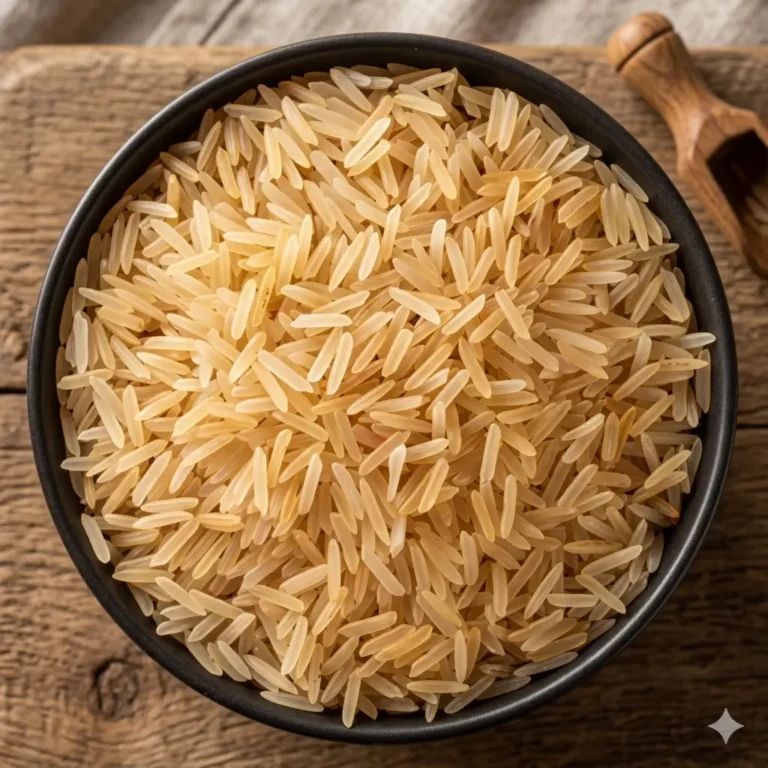
Pakistani Sella Basmati Rice is a parboiled long-grain aromatic rice with grain lengths ranging from 7.4 mm to 8.5 mm before cooking and up to 16 mm after cooking. It combines aroma, elongation, durability, and storage stability in one specification.
Pakistani Sella Basmati Rice originates from the Basmati-growing belt of Punjab, Pakistan. Farmers cultivate the crop in fertile alluvial soil supplied by the Indus River irrigation system. The climate provides the temperature variation required for aroma development and grain maturity.
Sella refers to the parboiling process. Processors soak, steam, and dry paddy before milling. This treatment strengthens the grain structure and reduces breakage during transportation and cooking.
Saudi buyers prefer Sella rice because it remains separate after cooking. The grains retain their shape during large-scale food preparation. Restaurants serving Kabsa, Mandi, Bukhari Rice, and catering meals benefit from this performance.
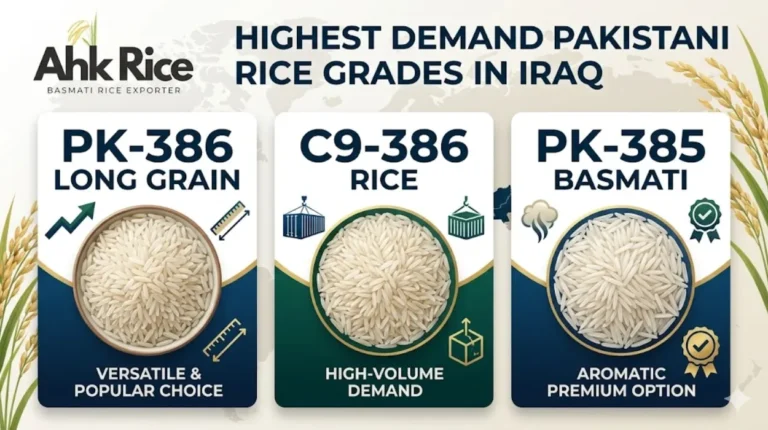
Pakistani exporters supply several Sella varieties, including 1121, Super Kernel, PK 385, and 1509. Each variety serves a different market segment based on grain length, aroma, and budget.
With the definition of Pakistani Sella Basmati Rice established, the next question is how the processing system creates these characteristics.
How Does Pakistani Sella Basmati Rice Processing Work?
Nine major processing stages transform harvested paddy into export-quality Sella Basmati Rice: cleaning, soaking, steaming, drying, dehusking, milling, polishing, grading, and packaging.
Parboiling changes the physical structure of rice. The process transfers nutrients from the outer layers into the grain and improves grain strength.
Step-by-Step Processing System
- Clean the harvested paddy to remove dust, stones, and foreign matter.
- Soak the paddy in controlled-temperature water.
- Steam the soaked paddy under regulated pressure.
- Dry the paddy to export-grade moisture levels.
- Dehusk the dried paddy to remove the outer husk.
- Mill the grain to remove bran layers.
- Polish the rice to improve appearance.
- Grade the rice according to length and quality.
- Package the rice for export shipment.
Processors inspect moisture during every stage. Export-quality Sella rice generally maintains moisture levels between 12% and 14%.
Saudi importers value this process because stronger grains produce fewer broken kernels. Lower breakage improves retail presentation and cooking consistency.
The processing method explains the product’s characteristics. The next section examines the key components that Saudi buyers evaluate.
What Key Components Make Pakistani Sella Basmati Rice Attractive to Saudi Buyers?
Grain length, aroma, elongation ratio, purity, moisture control, color uniformity, and low breakage levels define the quality profile Saudi importers seek.
Saudi importers evaluate measurable specifications before purchasing rice. Each specification affects consumer satisfaction and commercial value.
Grain Length
1121 Sella Basmati Rice typically measures 8.2–8.5 mm before cooking. Long grain appearance creates premium shelf appeal.
Aroma
Basmati aroma develops naturally during cultivation and aging. The fragrance differentiates Basmati rice from ordinary long-grain rice.
Cooking Elongation
Premium Sella varieties expand to nearly double their original length during cooking. Long cooked grains improve presentation in traditional Saudi dishes.
Purity
Exporters sort rice using optical color sorters and grading systems. Purity levels often exceed 95% to 98%, depending on buyer specifications.
Moisture Control
Controlled moisture preserves shelf life and reduces storage losses. Stable moisture prevents fungal growth during shipping.
Color Uniformity
Golden Sella rice displays a uniform golden appearance after parboiling. White Sella presents a lighter color profile.
Saudi importers use these specifications to compare suppliers. Readers interested in the detailed inspection process can explore how buyers assess grain quality, cooking performance, and export specifications in our article about evaluating rice sourcing standards and supplier quality benchmarks.
Understanding quality factors leads naturally to the different grades available for Saudi importers.
What Grades of Pakistani Sella Basmati Rice Are Exported to Saudi Arabia?
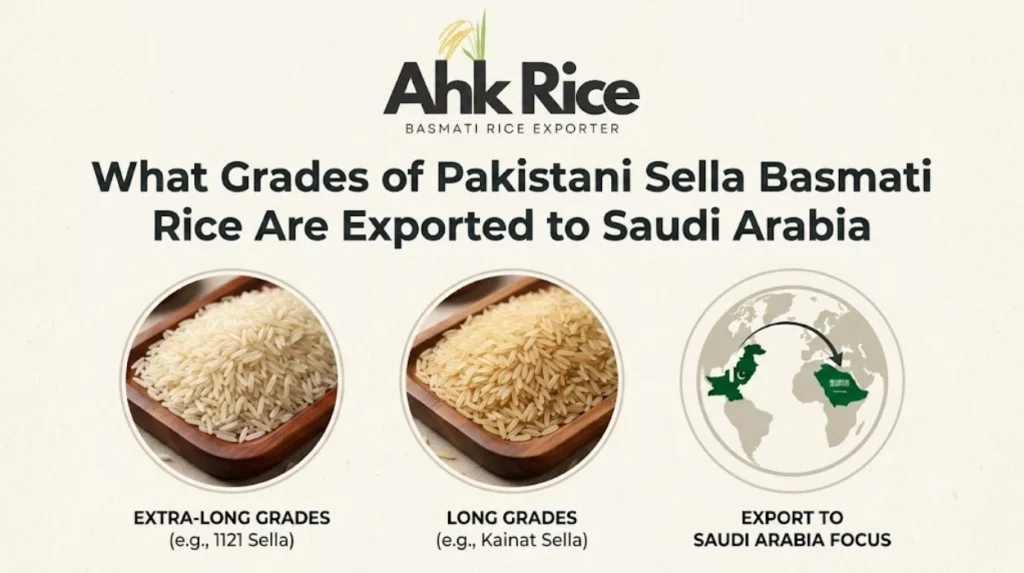
1121 Sella, Super Kernel Sella, 1509 Sella, PK 385 Sella, White Sella, and Golden Sella represent the major grades supplied to Saudi Arabia.
Different grades serve different consumer and commercial requirements.
1121 Golden Sella Basmati Rice
8.2–8.5 mm grain length makes this the premium export grade.
1121 Golden Sella delivers exceptional elongation after cooking. Saudi wholesalers often position this grade in premium retail segments.
1121 White Sella Basmati Rice
1121 White Sella undergoes a different finishing process after parboiling. The lighter appearance appeals to specific consumer preferences.
Super Kernel Sella Basmati Rice
7.4–7.8 mm grain length defines Super Kernel Sella. The variety combines aroma and affordability.
Super Kernel remains popular among restaurants and foodservice operators.
1509 Sella Basmati Rice
1509 matures earlier than traditional Basmati varieties. The variety provides competitive pricing while maintaining long-grain characteristics.
PK 385 Sella Rice
PK 385 targets value-focused markets. Importers use this grade for budget-conscious retail and catering sectors.
Each grade serves a different purpose. The next question examines why Saudi Arabia specifically continues importing these products.
Why Does Saudi Arabia Import Large Volumes of Pakistani Sella Basmati Rice?
Strong consumer demand, compatibility with traditional Saudi cuisine, reliable supply chains, and competitive value drive continued imports from Pakistan.
Rice serves as a staple food across Saudi Arabia. Traditional dishes require rice with high elongation and grain separation.
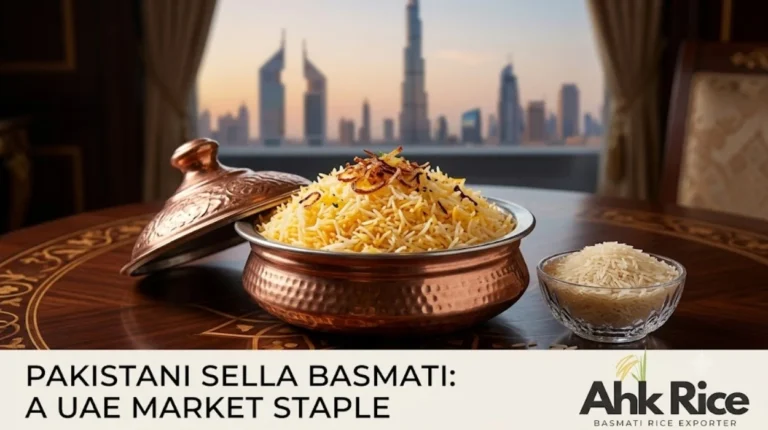
Pakistani Sella Basmati Rice performs well in Kabsa preparation. Long grains remain separate after cooking and absorb spices effectively.
Saudi foodservice operators require consistency. Large catering companies prepare thousands of meals daily. Consistent grain behavior simplifies large-scale operations.
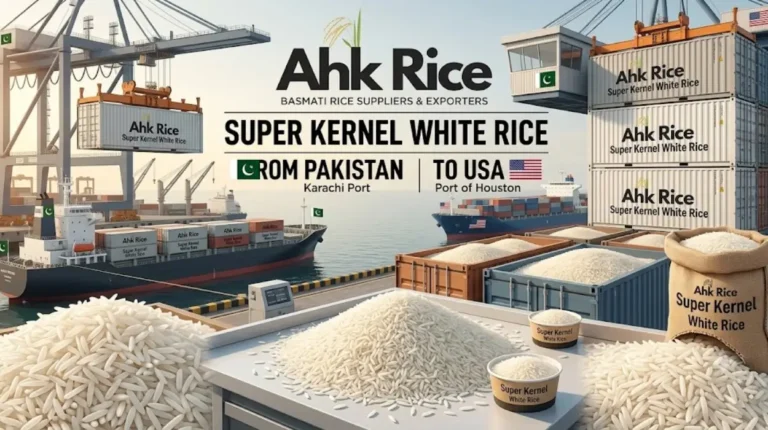
Pakistan maintains strong export infrastructure for rice shipments. Major ports support regular shipments to Saudi destinations including Jeddah, Dammam, and Riyadh distribution networks.
Pakistan exported significant rice volumes to Gulf Cooperation Council countries during FY2024-25, with Saudi Arabia remaining a key destination (source: Pakistan Bureau of Statistics, FY2024-25).
Demand explains import growth. The next section explores the practical benefits of Sella rice.
What Benefits Does Pakistani Sella Basmati Rice Provide?
Higher cooking yield, lower breakage, longer storage life, better grain separation, and attractive presentation create measurable benefits for importers and consumers.
Higher Cooking Yield
Sella rice absorbs water efficiently during cooking. Foodservice operators obtain more cooked volume from the same quantity of rice.
Lower Breakage
Parboiling strengthens the grain. Stronger grains reduce losses during transportation and storage.
Longer Shelf Life
Sella rice remains stable during extended storage periods. Properly stored rice retains quality for up to 24 months.
Golden Sella lasts longer than many non-parboiled alternatives. In Gulf warehouse conditions, Golden Sella maintains quality for extended periods. White rice generally requires faster stock rotation.
Better Presentation
Long, separate grains create visual appeal. Premium presentation increases acceptance in retail and hospitality sectors.
Strong Distribution Performance
Exporters load Sella rice into containers with reduced risk of damage. Strong grain structure improves shipment outcomes.
The benefits explain market demand. The next section examines common uses across Saudi Arabia.
Where Is Pakistani Sella Basmati Rice Used in Saudi Arabia?
Restaurants, hotels, catering companies, wholesalers, retailers, and household consumers use Pakistani Sella Basmati Rice throughout Saudi Arabia.
Foodservice operators represent a major consumer group. Large catering companies prepare rice-based meals daily for institutions and events.
Hotels use premium 1121 Sella grades for buffet service. Long grain presentation supports premium dining experiences.
Retail consumers purchase packaged rice for household cooking. Family meals frequently feature rice as the primary carbohydrate source.
Wholesale distributors supply supermarkets, grocery stores, and foodservice businesses. Distribution networks ensure nationwide availability.
Government and corporate catering contracts also consume substantial rice volumes. Consistent quality remains critical in these sectors.
Use cases demonstrate the product’s versatility. The final educational section addresses common misconceptions.
What Misconceptions Exist About Pakistani Sella Basmati Rice?
Many buyers incorrectly assume all Sella rice grades are identical, all Basmati rice originates from the same variety, or parboiling reduces quality.
Misconception: All Sella Rice Is the Same
Different varieties produce different results. 1121 Sella delivers greater elongation than PK 385 Sella. Grain length and aroma vary significantly.
Misconception: Parboiling Reduces Quality
Parboiling strengthens the grain structure. The process improves cooking stability and reduces breakage.
Misconception: Longer Grain Always Means Better Rice
Grain length represents one quality factor. Aroma, purity, moisture control, and cooking behavior remain equally important.
Misconception: All Basmati Grades Target the Same Market
Premium grades serve premium retail sectors. Value grades serve commercial catering and budget-conscious consumers.
Understanding these distinctions helps buyers evaluate specifications accurately. With misconceptions clarified, the complete picture of Saudi Arabia’s continued preference for Pakistani Sella Basmati Rice becomes clear.
Saudi Arabia continues importing Pakistani Sella Basmati Rice because the product aligns with consumer preferences, foodservice requirements, and distribution needs. Long grain length, strong aroma, reliable cooking performance, multiple grade options, and established export systems support sustained demand. From premium 1121 Golden Sella to value-focused commercial grades, Pakistani exporters provide specifications that fit every major segment of the Saudi rice market.
Frequently Asked Questions
Why is 1121 Sella Basmati Rice popular in Saudi Arabia?
1121 Sella Basmati Rice offers grain lengths above 8.2 mm and excellent elongation after cooking. Saudi consumers prefer its appearance, aroma, and grain separation in traditional dishes such as Kabsa and Mandi.
What is the difference between Golden Sella and White Sella Rice?
Golden Sella retains a golden appearance after parboiling, while White Sella undergoes additional processing for a lighter color. Both offer strong cooking performance, but consumer preferences differ by market segment.
How long can Pakistani Sella Basmati Rice be stored?
Properly stored Sella Basmati Rice maintains quality for up to 24 months. Controlled moisture levels and suitable warehouse conditions help preserve grain quality and aroma.
Which Pakistani Basmati variety is considered premium?
1121 Basmati Rice is widely recognized as the premium export variety. Its exceptional grain length, elongation ratio, and visual appeal position it at the top of many international markets.
What certifications are commonly required for Saudi rice imports?
Saudi importers commonly request Phytosanitary Certificates, Health Certificates, Certificate of Origin, Fumigation Certificates, Halal documentation where applicable, and quality inspection reports that verify export specifications.