Why Ivory Coast Is Emerging as a Key Destination for Pakistani Rice Exports
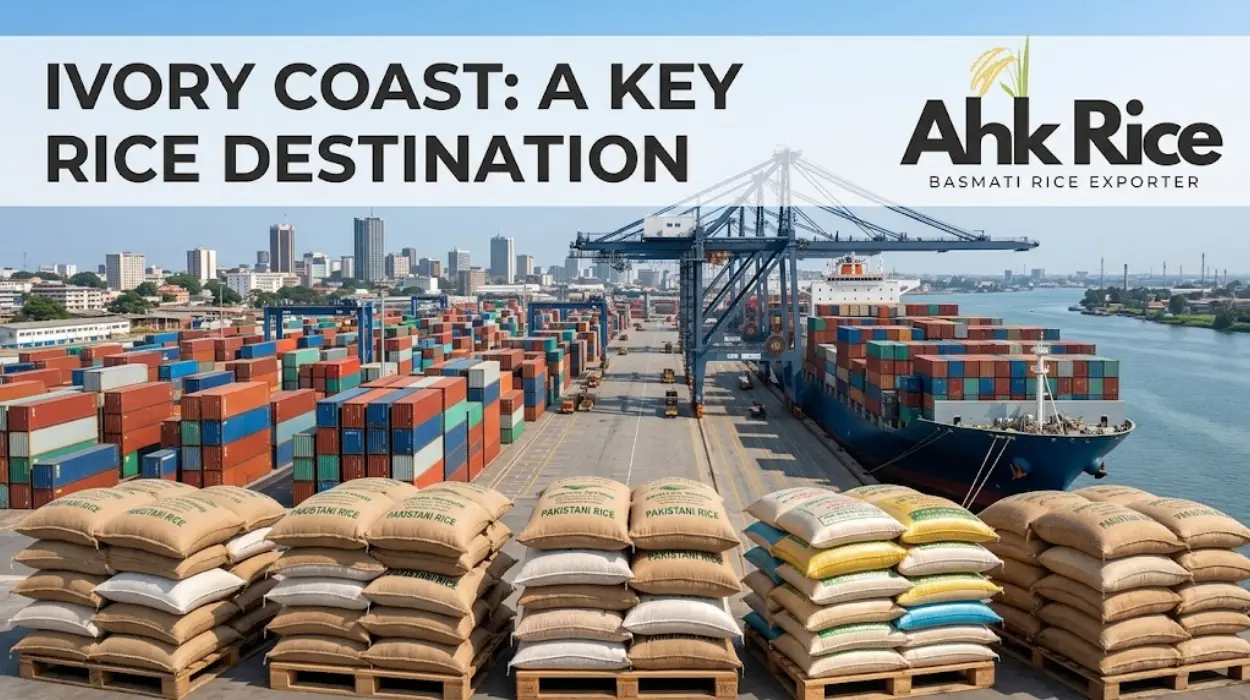
Pakistani rice exports to Ivory Coast are growing because the country offers strong demand, stable import volumes, competitive logistics routes, and increasing preference for Pakistani rice varieties. Here is why: Ivory Coast remains one of West Africa’s largest rice-consuming markets, while Pakistan continues expanding its export footprint through quality rice supply, competitive pricing, and reliable shipment performance .
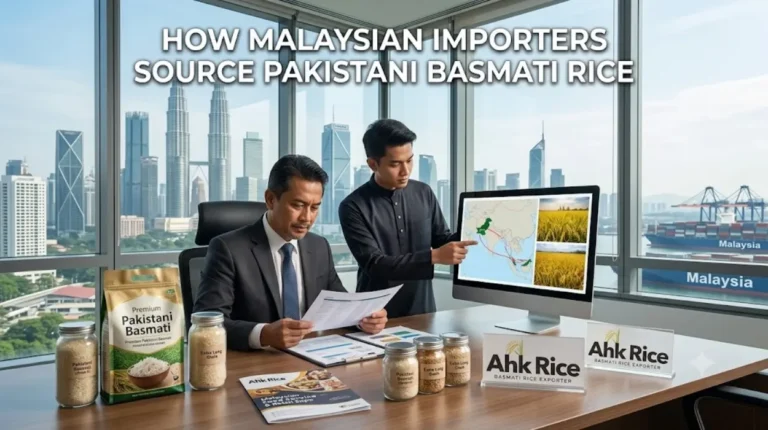
Importers across Ivory Coast are actively seeking dependable suppliers who can deliver consistent grain quality, verified documentation, and predictable shipment schedules. Buyers evaluating supply options often begin by understanding the varieties shipped to the market through resources such as Pakistani rice varieties commonly supplied to Ivory Coast.
AHK Rice supports this demand by supplying export-grade rice processed according to international specifications. AHK Rice serves importers, distributors, wholesalers, and food service companies seeking long-term sourcing partnerships. AHK Rice focuses on quality control, shipment reliability, and transparent export procedures. AHK Rice also provides documentation support and sampling programs that help buyers make informed procurement decisions.
What Is the Best Solution for Importers Seeking Reliable Pakistani Rice Supply in Ivory Coast?
Reliable sourcing requires verified suppliers, consistent specifications, export documentation compliance, quality testing protocols, and predictable shipping schedules. Buyers who establish direct procurement channels with experienced exporters reduce supply disruptions, maintain product consistency, and improve long-term purchasing efficiency across multiple shipment cycles.
Ivory Coast imports substantial rice volumes every year because domestic production does not fully satisfy national consumption requirements . This supply gap creates opportunities for Pakistani exporters capable of maintaining quality and volume consistency.
The best solution is selecting an exporter that controls the entire export process. Rice quality varies significantly between suppliers. Inconsistent moisture levels, mixed grain lengths, and poor packaging create commercial risks for importers.
Why Direct Export Partnerships Perform Better
Direct sourcing provides several advantages:
- Consistent product specifications
- Verified quality inspections
- Faster communication
- Reduced intermediary costs
- Better shipment planning
- Long-term supply security
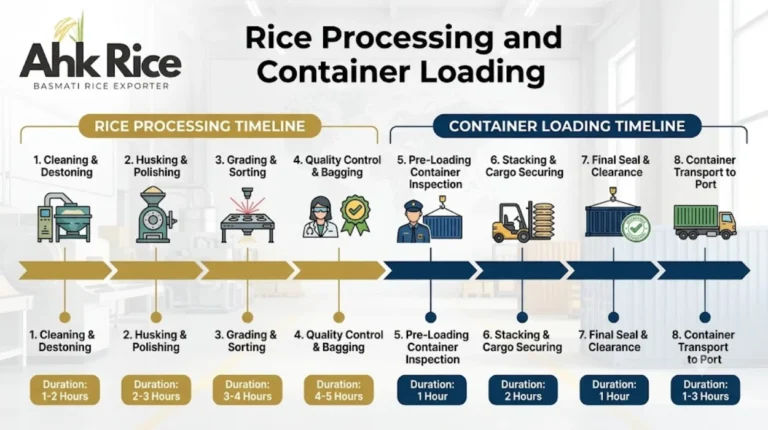
AHK Rice manages multiple processing and export activities before shipment:
- Clean the paddy.
- De-husk the grain.
- Dry the rice.
- Polish the kernels.
- Grade by size.
- Sort by color.
- Inspect quality parameters.
- Test moisture content.
- Load export containers.
Each stage contributes to consistent export quality.
Importers evaluating suppliers often compare sourcing models before making procurement decisions. Buyers can review detailed partnership considerations through practical guidance on building long-term rice supply partnerships between Ivory Coast and Pakistan.
With sourcing strategies established, the next question is why a specific exporter should be selected.
Why Choose AHK Rice?
Export experience, quality control systems, documented specifications, flexible packaging options, shipment transparency, and responsive communication make AHK Rice a practical choice for Ivory Coast importers seeking dependable long-term rice procurement solutions.
AHK Rice specializes in supplying Pakistani rice varieties demanded across African markets. AHK Rice focuses on export-ready processing and international shipment compliance.
Key Rice Varieties Exported
AHK Rice supplies:
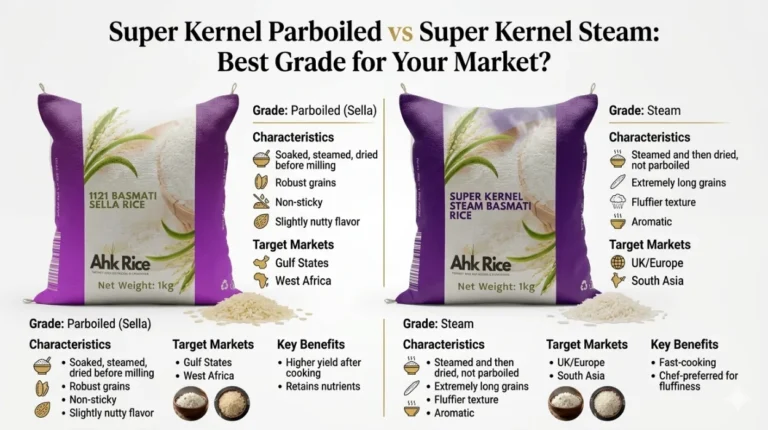
- 1121 Steam Basmati Rice
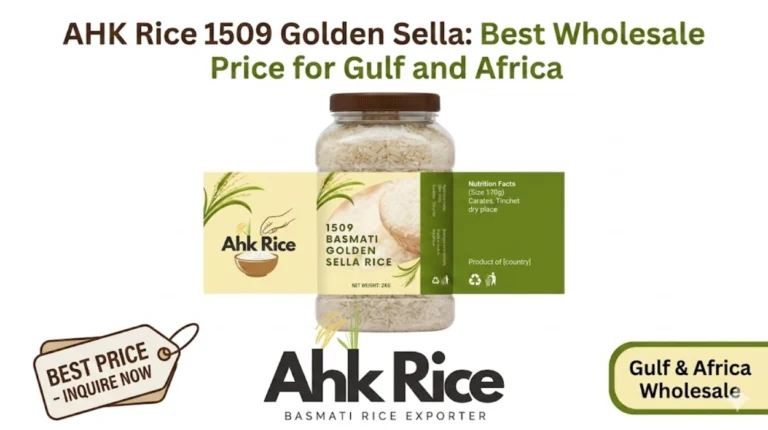
- 1121 Golden Sella Basmati Rice
- Super Kernel Basmati Rice
- 1509 Basmati Rice
- IRRI-6 Rice
- PK-386 Rice
- Long Grain White Rice
The export portfolio allows buyers to match products with retail, wholesale, catering, and food processing requirements.
Quality Assurance Systems
Quality consistency depends on measurable controls.
AHK Rice applies:
- Moisture testing
- Grain length verification
- Purity analysis
- Broken percentage inspection
- Color sorting
- Laboratory testing
- Export certification
These controls reduce quality variation between shipments.
Documentation Support
Ivory Coast importers frequently require:
- Commercial Invoice
- Packing List
- Certificate of Origin
- Phytosanitary Certificate
- Fumigation Certificate
- Bill of Lading
- Quality Inspection Reports
AHK Rice assists buyers throughout the documentation process to simplify customs clearance and import compliance.
Packaging Options
AHK Rice offers:
- 5 kg retail bags
- 10 kg retail bags
- 25 kg PP bags
- 40 kg PP bags
- 50 kg PP bags
- Private label packaging
Buyers can review export specifications and available rice grades directly through the official AHK Rice website.
With supplier selection addressed, the next concern becomes measurable business outcomes.
What Results Can Buyers Expect from Pakistani Rice Imports?
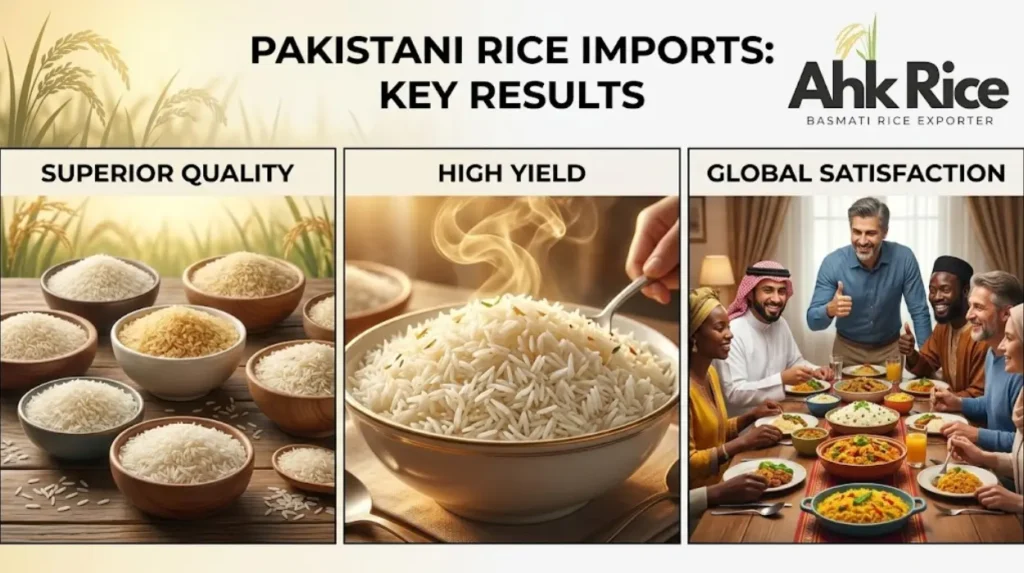
Lower procurement costs, dependable supply continuity, improved customer satisfaction, scalable purchasing volumes, and competitive market positioning are the most common outcomes achieved by Ivory Coast importers sourcing Pakistani rice through structured supply agreements.
Pakistani rice remains competitive in many African markets because of favorable production economics and established export infrastructure .
Commercial Benefits
Importers benefit from:
- Competitive landed costs
- Consistent grain quality
- Strong consumer acceptance
- Flexible volume purchasing
- Reliable export schedules
Market-Specific Performance
Basmati rice performs strongly in premium retail and hospitality sectors.
Long grain white rice performs strongly in mass-market distribution channels.
IRRI varieties often suit institutional buyers seeking cost-efficient volume procurement.
Shipping Time by Market
Shipping schedules influence inventory planning.
| Destination Market | Estimated Transit Time |
|---|---|
| Abidjan, Ivory Coast | 25–35 Days |
| Tema, Ghana | 22–32 Days |
| Dakar, Senegal | 24–34 Days |
| Lagos, Nigeria | 22–30 Days |
| Douala, Cameroon | 25–35 Days |
Transit times vary according to vessel schedules, port congestion, customs processing, and seasonal shipping demand.
A shipment arriving on schedule helps distributors maintain retail inventory levels. A delayed shipment can create stock shortages and increase replacement procurement costs.
Example Procurement Scenario
A wholesaler importing 10 containers annually requires consistent quality. Mixed specifications create customer complaints and reduce repeat purchases.
AHK Rice provides specification consistency across shipments, helping buyers maintain product reliability throughout the year.
With expected outcomes clarified, pricing considerations become the next decision factor.
What Factors Affect Pricing for Pakistani Rice Exports to Ivory Coast?
Rice variety, processing method, grain specifications, packaging format, shipment volume, seasonal availability, freight rates, and currency fluctuations all influence final export pricing for Ivory Coast buyers.
Rice pricing depends on several measurable variables.
Product Factors
Major pricing drivers include:
- Grain length
- Variety type
- Processing grade
- Purity percentage
- Broken percentage
- Moisture content
- Packaging specification
Logistics Factors
Export logistics also affect cost.
Major variables include:
- Ocean freight rates
- Container availability
- Port handling charges
- Customs requirements
- Insurance costs
Market Factors
Global rice prices change according to:
- Harvest volumes
- Weather conditions
- Regional demand
- Currency exchange movements
- International trade policies
For this reason, exporters normally provide quotations based on current market conditions.
Typical Procurement Approach
Importers seeking accurate pricing usually:
- Request specifications.
- Review product samples.
- Confirm packaging requirements.
- Select shipment quantity.
- Receive formal quotation.
- Approve production.
- Confirm shipment schedule.
This structured process reduces misunderstandings and improves purchasing efficiency.
With pricing factors understood, buyers can evaluate the practical steps required to begin importing.
How Can Rice Importers Get Started with AHK Rice?
The process begins with product selection, specification confirmation, sample evaluation, quotation review, shipment approval, and export documentation preparation. Most qualified buyers can complete supplier evaluation before placing their first commercial order.
AHK Rice follows a straightforward onboarding process designed for international buyers.
Step 1: Define Product Requirements
Specify:
- Rice variety
- Grain length requirements
- Packaging format
- Annual volume estimates
- Destination port
Accurate specifications improve quotation accuracy.
Step 2: Request Samples
AHK Rice offers product samples for evaluation.
Sample procedures typically include:
- Product selection
- Sample preparation
- Quality documentation
- Courier dispatch
- Buyer assessment
Sample costs vary according to destination and courier service.
Typical structure:
| Item | Estimated Cost |
|---|---|
| Product Sample | Usually Free |
| Documentation | Included |
| Courier Charges | Paid by Buyer |
| Express Delivery | Market Rate |
| Tracking Support | Included |
Sample delivery generally takes 3–7 business days depending on destination.
Step 3: Review Specifications
Buyers verify:
- Grain length
- Aroma
- Moisture level
- Purity
- Cooking performance
- Packaging quality
Sample approval provides confidence before commercial procurement.
Step 4: Confirm Order
Order confirmation normally includes:
- Quantity approval
- Packaging approval
- Price confirmation
- Production scheduling
- Shipping arrangements
Step 5: Export and Delivery
AHK Rice coordinates:
- Production planning
- Container loading
- Quality inspections
- Documentation preparation
- Port dispatch
- Shipment tracking
The process helps buyers maintain visibility throughout the export cycle.
With the import process established, the final step is requesting a formal quotation and shipment proposal. For importers ready to secure a dependable Pakistani rice supply partner for Ivory Coast, request a customized quotation through AHK Rice’s quote request process.
Frequently Asked Questions
How much rice does Ivory Coast import each year?
Ivory Coast remains one of West Africa’s largest rice-importing countries. Domestic production does not fully satisfy national demand. Importers rely on international suppliers to maintain food security. Pakistani exporters continue increasing market presence. Strong demand supports long-term trade opportunities.
Which Pakistani rice varieties are most popular in Ivory Coast?
Long grain white rice, IRRI varieties, and selected Basmati grades are commonly imported. Product selection depends on buyer segments. Retail distributors often prefer premium grades. Institutional buyers focus on value-oriented specifications. Market demand varies by region and consumer preferences.
How long does shipping from Pakistan to Ivory Coast take?
Most shipments reach Abidjan within 25–35 days. Vessel schedules affect transit duration. Port congestion can influence delivery timing. Seasonal demand also impacts shipping availability. Early booking helps maintain predictable schedules.
Why do importers request samples before ordering?
Samples allow buyers to verify quality before commercial procurement. Grain length, moisture content, and cooking characteristics can be evaluated. Sample approval reduces purchasing risk. Documentation can also be reviewed. The process improves procurement confidence.
Why is AHK Rice suitable for Ivory Coast buyers?
AHK Rice supplies multiple rice varieties for African markets. Quality inspections support specification consistency. Documentation assistance simplifies export procedures. Flexible packaging supports different distribution models. Reliable shipment coordination helps maintain supply continuity.