How Moroccan Importers Secure Reliable Basmati Rice Supply from Pakistan
Moroccan importers secure reliable Basmati rice supply from Pakistan by combining supplier verification, quality specifications, diversified sourcing, logistics planning, and long-term procurement contracts. Here is why: Pakistan remains one of the world’s leading Basmati-producing countries, offering consistent grain quality, scalable export capacity, and established shipping routes to North Africa.
Morocco’s rice market depends heavily on imports because domestic production remains limited compared to consumption requirements. Importers must maintain continuous inventory, control quality variations, and manage price fluctuations. Reliable sourcing therefore becomes a competitive advantage rather than a procurement activity.
Businesses evaluating Pakistan as a sourcing destination often begin by understanding the broader trade landscape. Importers seeking foundational market knowledge can review our guide on Morocco’s expanding imported rice market and emerging opportunities for Pakistani suppliers before comparing procurement strategies.
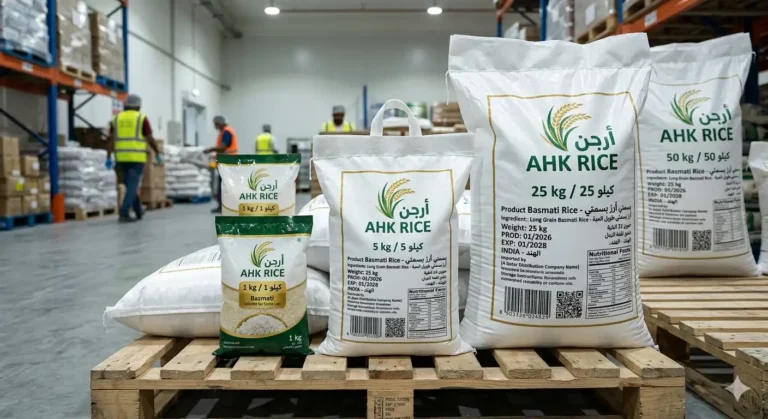
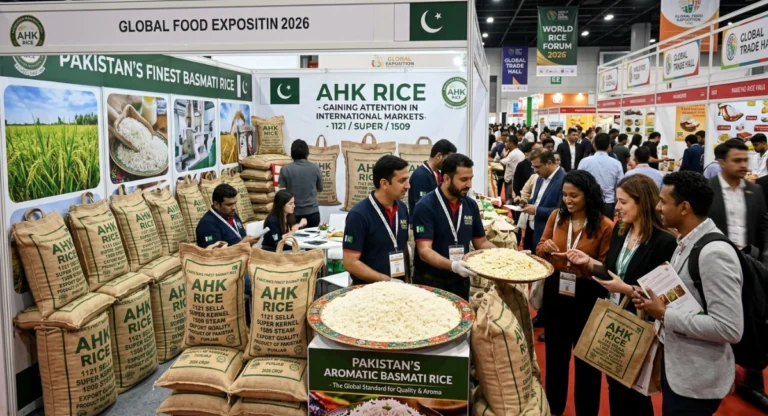
AHK Rice is a trusted Pakistani Basmati rice exporter based in Punjab, supplying 1121, Super Kernel, and 1509 varieties to more than 15 countries through integrated processing, quality control, packaging, and export operations.
What challenges do Moroccan importers face when sourcing Basmati rice?
Reliable supply depends on supplier consistency, quality control systems, shipping predictability, certification compliance, and inventory planning. Importers that manage these five factors reduce stock shortages, quality disputes, delayed deliveries, and unexpected procurement costs throughout the supply chain.
Moroccan importers operate in a market where rice demand remains relatively stable throughout the year. Food distributors, wholesalers, supermarkets, and hospitality buyers require uninterrupted supply.
Supply disruptions create immediate commercial risks. Retail shelves become empty. Food service operators experience shortages. Distributors lose customer confidence.
Quality inconsistency creates another challenge. One shipment may deliver excellent grain length and aroma, while another shipment from an unverified supplier may contain broken grains, moisture variations, or inconsistent milling quality.
Logistics reliability also affects sourcing decisions. Importers require predictable transit schedules because inventory planning depends on accurate delivery forecasts.
Certification requirements continue to influence procurement. Importers increasingly request laboratory testing, phytosanitary documentation, fumigation certificates, and quality inspection reports before shipment approval.
These sourcing challenges explain why procurement strategy matters. The next question is which supply solutions are available to Moroccan buyers.
What are the available solutions for securing reliable Basmati rice supply?
Three primary solutions exist: spot purchasing, distributor sourcing, and direct exporter partnerships. Direct exporter relationships provide the highest supply visibility, quality control, and specification consistency for long-term procurement programs.
Spot Market Purchasing
Spot purchasing involves buying rice based on immediate market availability.
Importers benefit from flexibility because purchases occur only when inventory is required. This approach reduces long-term contractual commitments.
Spot purchasing also introduces uncertainty. Prices fluctuate frequently. Product specifications may vary between shipments. Supplier availability changes throughout the year.
For example, an importer sourcing 1121 Steam Basmati from different suppliers may receive varying grain lengths and milling standards across multiple consignments.
Regional Distributor Procurement
Regional distributors maintain inventory and sell imported rice locally.
This approach simplifies purchasing because products are already available within the region.
Distributor sourcing often increases procurement costs because additional intermediaries participate in the supply chain. Product traceability may also become limited compared with direct sourcing.
Direct Exporter Partnerships
Direct exporter partnerships establish long-term supply relationships between importer and producer.
Pakistani exporters cultivate supplier transparency through specification agreements, production scheduling, inspection procedures, and shipment planning.
AHK Rice and similar export-focused suppliers provide end-to-end visibility across cultivation, milling, grading, packaging, testing, and shipping stages.
Direct sourcing allows importers to define exact specifications before production begins.
The available solutions differ significantly in performance. The next step is comparing them directly.
How do different sourcing approaches compare?
Direct exporter partnerships deliver the strongest balance of quality consistency, price stability, traceability, inventory planning, and long-term supply security. Distributor sourcing ranks second, while spot purchasing carries the highest operational risk.
Procurement Strategy Comparison
Basmati Rice Sourcing Comparison Table
| Attribute | Spot Purchasing | Regional Distributor | Direct Pakistani Exporter |
|---|---|---|---|
| Price Stability | Low | Medium | High |
| Quality Consistency | Low | Medium | High |
| Traceability | Low | Medium | High |
| Supply Visibility | Low | Medium | High |
| Custom Packaging | Limited | Limited | Extensive |
| Contract Flexibility | High | Medium | High |
| Long-Term Reliability | Low | Medium | High |
Importers focused on retail brands generally prefer direct exporter relationships because packaging specifications remain consistent across production cycles.
Food service distributors often prioritize supply continuity because inventory shortages create operational disruptions for hotels and restaurants.
Large-volume importers benefit from production planning agreements that reserve manufacturing capacity before seasonal demand increases.
Comparison alone does not determine the best sourcing method. Market requirements influence procurement decisions.
Which Basmati grades are preferred in different Moroccan market segments?
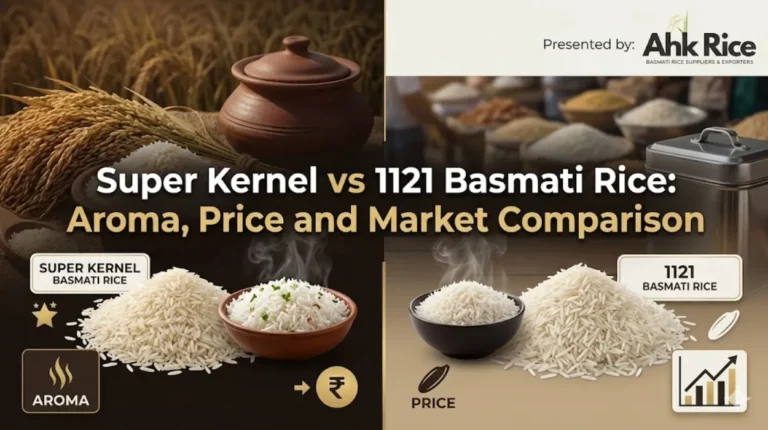
1121 Steam Basmati dominates premium retail demand, 1121 Golden Sella serves food service buyers, Super Kernel supports traditional Basmati markets, and 1509 Basmati addresses value-oriented segments requiring competitive pricing.
Retail and Premium Consumer Segment
Premium retailers prioritize appearance, aroma, cooking performance, and grain elongation.
1121 Steam Basmati typically satisfies these requirements because it offers long grains, bright appearance, and strong consumer recognition.
Food Service and Hospitality Segment
Hotels, catering companies, and restaurants focus on consistency and storage performance.
1121 Golden Sella performs well because parboiling strengthens the grain structure and improves handling during large-scale cooking operations.
Golden Sella lasts longer than Steam. In warm storage environments, Golden Sella typically maintains quality for up to 18 months. Steam grades generally perform best within 12 months under comparable conditions.
Traditional Basmati Buyers
Super Kernel Basmati remains popular among buyers seeking classic aroma and traditional cooking characteristics.
The variety offers balanced grain length and recognizable Basmati fragrance.
Value-Oriented Market Segment
1509 Basmati provides competitive pricing while maintaining long-grain characteristics.
Importers targeting cost-sensitive consumers frequently evaluate 1509 because it balances affordability and quality.
Grade selection influences cost management. Understanding regional demand patterns helps importers optimize procurement decisions.
How do market regions influence procurement decisions?
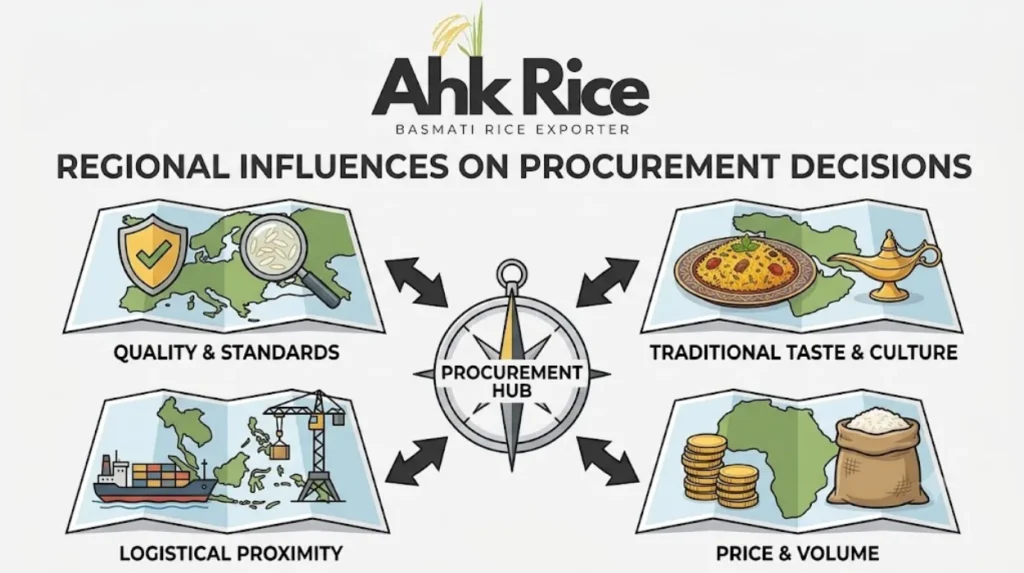
North African retail channels prefer premium aromatic grades, while institutional buyers prioritize supply consistency, shelf life, and operational efficiency. Procurement strategies must align with customer expectations within each market segment.
Urban Retail Markets
Urban consumers often evaluate aroma, grain length, packaging presentation, and cooking performance.
Importers supplying supermarkets therefore prioritize premium-grade specifications.
Institutional Food Buyers
Institutional buyers focus on cost control and operational consistency.
Catering companies often select Golden Sella because storage durability supports large inventory programs.
Wholesale Distribution Networks
Wholesale distributors balance quality and affordability.
Mixed procurement portfolios frequently include premium grades and value-oriented grades to serve different customer groups.
Regional demand differences influence purchasing volumes and grade allocation strategies.
Pricing becomes the next major decision factor.
How do price and shelf life comparisons affect sourcing decisions?
Price per metric ton influences procurement budgets, while shelf life influences inventory risk. Importers that balance both variables achieve stronger profitability and supply stability.
Price Comparison
Actual prices fluctuate according to harvest conditions, exchange rates, freight costs, and global demand.
A general pricing hierarchy typically follows:
| Grade | Relative Price Level |
|---|---|
| 1121 Steam Basmati | Highest |
| 1121 Golden Sella | High |
| Super Kernel Basmati | Medium |
| 1509 Basmati | Lower |
Importers serving premium retail channels often justify higher procurement costs because consumers value aroma and presentation.
Value-oriented distributors frequently prioritize lower acquisition costs to maintain competitive retail pricing.
Shelf Life Comparison
| Grade | Typical Shelf Life |
|---|---|
| 1121 Golden Sella | Up to 18 Months |
| 1121 Steam | Around 12 Months |
| Super Kernel | Around 12 Months |
| 1509 Basmati | Around 12 Months |
Longer shelf life reduces inventory risk.
Golden Sella performs particularly well for distributors maintaining larger warehouse inventories.
Price and shelf life should never be evaluated independently. Importers must also assess supplier capabilities.
What decision factors should Moroccan importers evaluate before selecting a supplier?
Supplier verification, production capacity, quality testing, export experience, and logistics capability represent the five most important supplier selection criteria for reliable procurement.
Supplier Evaluation Framework
| Decision Factor | Why It Matters |
|---|---|
| Production Capacity | Supports continuous supply |
| Quality Testing | Reduces shipment disputes |
| Export Experience | Improves documentation accuracy |
| Logistics Capability | Improves delivery reliability |
| Packaging Flexibility | Supports market-specific branding |
Production capacity determines whether suppliers can support future growth.
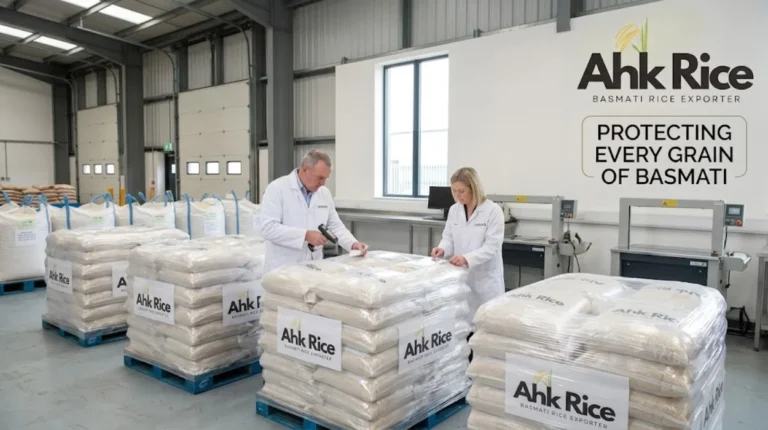
Quality testing verifies grain length, moisture content, purity, and milling standards before shipment.
Export experience improves customs compliance and documentation accuracy.
Logistics capability influences shipping schedules and inventory planning.
Packaging flexibility supports private-label retail programs and wholesale distribution requirements.
These decision factors create a structured procurement framework for Moroccan buyers.
What sourcing method works best for different importer profiles?
Direct exporter partnerships suit large-volume buyers, distributors suit smaller importers, and spot purchasing suits occasional procurement needs. Matching sourcing strategy to business requirements improves supply performance and cost control.
Decision Framework Table
| Importer Type | Recommended Method | Main Benefit |
|---|---|---|
| Retail Brand | Direct Exporter | Quality consistency |
| Food Distributor | Direct Exporter | Supply security |
| Catering Supplier | Direct Exporter | Inventory planning |
| Small Trader | Distributor | Simpler procurement |
| Occasional Buyer | Spot Purchase | Flexibility |
Large-volume importers gain the greatest value from long-term relationships because production scheduling improves supply predictability.
Smaller organizations may prefer distributors during early market development stages because procurement complexity remains lower.
Occasional buyers often prioritize flexibility over long-term supply agreements.
Reliable sourcing ultimately depends on structured procurement rather than opportunistic purchasing.
Frequently Asked Questions
How can Moroccan importers verify a Pakistani rice supplier?
Importers should review export history, inspection procedures, certifications, laboratory reports, production capacity, and shipment records before placing commercial orders.
Which Pakistani Basmati grade is most popular in Morocco?
1121 Steam Basmati typically attracts premium retail demand because of its grain length, aroma, and cooking performance.
Why do institutional buyers prefer Golden Sella Basmati?
Golden Sella offers stronger grain structure, longer storage performance, and consistent cooking characteristics for large-scale food preparation.
What documents should accompany Basmati rice exports?
Commercial Invoice, Packing List, Bill of Lading, Certificate of Origin, Phytosanitary Certificate, Inspection Report, and Fumigation Certificate.
How can importers reduce supply chain risks?
Diversify sourcing plans, verify suppliers, define specifications, schedule inspections, and maintain inventory forecasting systems.