Morocco’s Growing Demand for Imported Rice and Opportunities for Pakistani Exporters
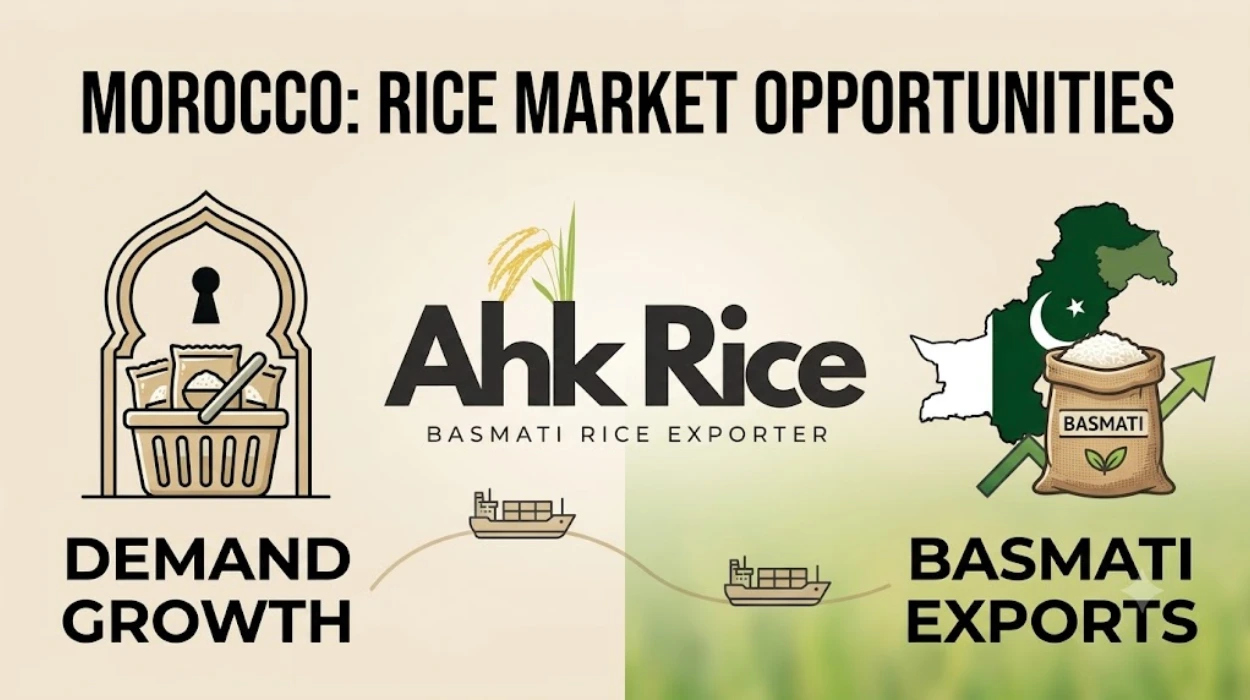
Morocco’s increasing dependence on imported rice creates a strong opportunity for Pakistani exporters. Here is why: Moroccan buyers seek consistent grain quality, stable supply chains, and competitive pricing, while Pakistan offers premium Basmati varieties, export-ready processing facilities, and established logistics routes. Businesses exploring Moroccan demand can first understand consumer preferences through our guide on Pakistani rice varieties preferred by Moroccan consumers before evaluating sourcing decisions.
What is the best solution for Moroccan importers seeking reliable rice supply?
Pakistani Basmati rice offers consistent quality, competitive export pricing, multiple processing grades, and dependable shipping schedules for Moroccan buyers.
Morocco imports substantial quantities of rice because domestic production cannot fully satisfy consumption requirements. Importers therefore prioritize suppliers capable of delivering consistent specifications across multiple shipments. Supply consistency directly impacts retail brands, wholesalers, foodservice distributors, and institutional buyers.
Pakistani rice exporters serve this requirement through large-scale cultivation, modern milling facilities, and internationally recognized quality controls. Pakistan remains one of the world’s leading Basmati rice producers, supplying premium aromatic rice to markets across Africa, Europe, and the Middle East.
Moroccan importers commonly source several grades depending on their customer segment. Retail distributors often prefer premium Basmati grades with strong aroma and grain elongation. Foodservice operators frequently select value-oriented grades that balance quality and price.
What rice grades are commonly exported to Morocco?
1121 Basmati Rice
1121 Basmati Rice provides extra-long grain length and exceptional cooking elongation. Moroccan distributors targeting premium retail shelves frequently prefer this specification.
Super Kernel Basmati Rice
Super Kernel Basmati Rice delivers traditional aroma and strong consumer recognition. Many importers choose this variety for established retail brands.
1509 Basmati Rice
1509 Basmati Rice offers shorter crop cycles and competitive pricing. Importers seeking value-driven market positioning often select this variety.
Why choose AHK Rice for Moroccan rice imports?
AHK Rice provides export-grade processing, documented quality controls, flexible packaging options, and dedicated support for Moroccan importers.
Moroccan buyers require more than a rice supplier. They require a partner capable of managing specifications, documentation, shipping coordination, and quality verification.
The first requirement is reliable processing capability. AHK Rice cultivates sourcing relationships across Punjab and processes rice through controlled milling operations. Every export batch undergoes inspection before loading.
How does AHK Rice support supply security?
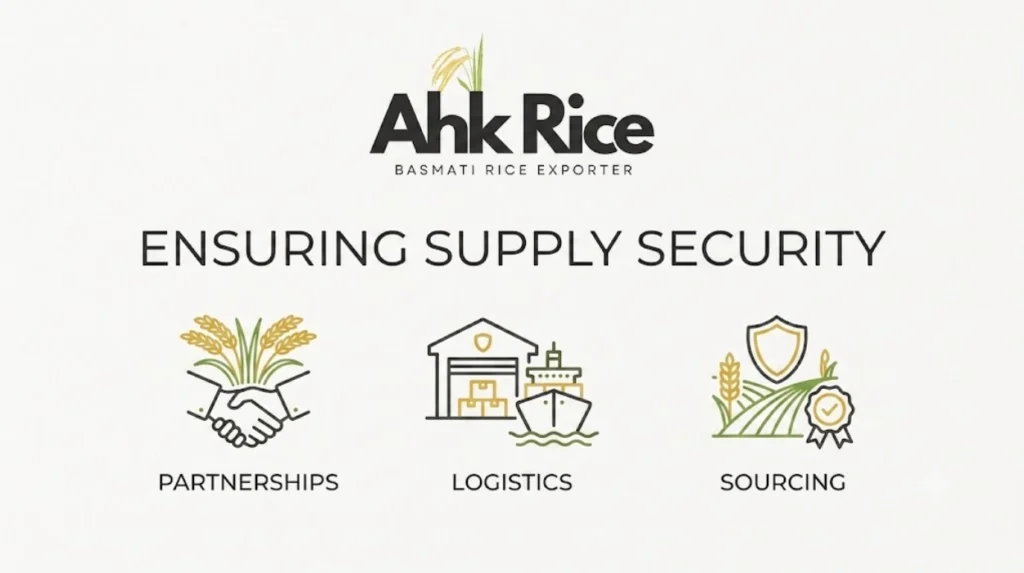
Supply reliability matters because Moroccan distributors often commit inventory months before sales cycles begin.
AHK Rice supports buyers through advance production planning, specification verification, shipment scheduling, and ongoing communication. Importers evaluating supplier comparisons can review our detailed guide on How Moroccan Importers Secure Reliable Basmati Rice Supply from Pakistan building dependable rice procurement partnerships from Pakistan before finalizing sourcing decisions.
AHK Rice also offers packaging flexibility, including retail packs, branded consumer packs, and bulk export bags.
With supplier selection addressed, buyers typically evaluate expected business outcomes.
What results can Moroccan importers expect from Pakistani rice sourcing?
Importers can expect stable supply, premium product positioning, repeat customer purchases, and competitive profit margins when sourcing the correct rice grade.
Business outcomes depend on matching the appropriate rice specification with the target market.
Premium retailers often prioritize aroma and grain length. Foodservice buyers usually focus on consistency and cooking performance. Wholesale distributors commonly balance quality and landed cost.
What factors affect the cost of importing Pakistani rice into Morocco?
Rice variety, processing grade, packaging format, shipment volume, and freight charges are the primary cost drivers.
Rice pricing changes according to specification and market conditions.
Premium grades command higher prices because cultivation, milling, grading, and selection standards are more stringent.
Major pricing factors
Rice Variety
1121 Basmati typically commands higher pricing than standard long-grain varieties because grain length and aroma characteristics are stronger.
Processing Grade
Golden Sella processing usually costs more than standard white rice processing because parboiling requires additional production stages.
Packaging Format
Retail-ready packaging increases costs because packaging materials, printing, and handling requirements are higher.
Order Quantity
Container-scale orders generally reduce per-ton costs because logistics expenses spread across larger shipment volumes.
Freight Costs
Ocean freight rates fluctuate throughout the year according to shipping demand and vessel availability.
How can Moroccan importers get started with AHK Rice?
The fastest approach is to define specifications, review samples, confirm pricing, approve documentation, and schedule shipment loading.
Successful rice procurement begins with specification clarity.
Morocco’s growing import demand continues creating opportunities for businesses that prioritize quality, consistency, and supply security. Pakistani exporters remain well-positioned to serve this market, and AHK Rice provides the experience, processing capability, and export support required for successful procurement. Contact AHK Rice today through our quotation request page to receive a customized export proposal.
Frequently Asked Questions
Is Pakistani Basmati rice popular in Morocco?
Yes. Moroccan consumers value aroma, grain length, and cooking performance. Pakistani Basmati rice meets these expectations. Retailers and distributors increasingly stock premium Basmati products. Import demand continues growing due to consistent consumer acceptance. Pakistani suppliers remain important sourcing partners.
How long does rice shipping take from Pakistan to Morocco?
Most shipments arrive within 24 to 40 days. Transit duration depends on destination port and shipping route. Casablanca and Tangier generally receive shipments faster. Vessel schedules also affect delivery timelines. Importers should plan inventory accordingly.
Which Pakistani rice variety is best for Moroccan importers?
1121 Basmati Rice is often preferred for premium retail markets. Super Kernel Basmati remains popular for traditional consumers. 1509 Basmati offers competitive pricing advantages. Selection depends on target customers and budget. Sample evaluation helps determine the best option.
What documents are required for rice imports into Morocco?
Importers generally require a commercial invoice, packing list, bill of lading, certificate of origin, and phytosanitary certificate. Additional documentation may apply based on regulations. Exporters should verify current import requirements. Proper documentation helps avoid customs delays.
Why do Moroccan buyers work with AHK Rice?
AHK Rice provides export-focused support and consistent quality controls. The company offers multiple Basmati varieties and processing grades. Buyers receive assistance with samples and documentation. Shipment coordination improves procurement efficiency. Long-term supply reliability supports business growth.