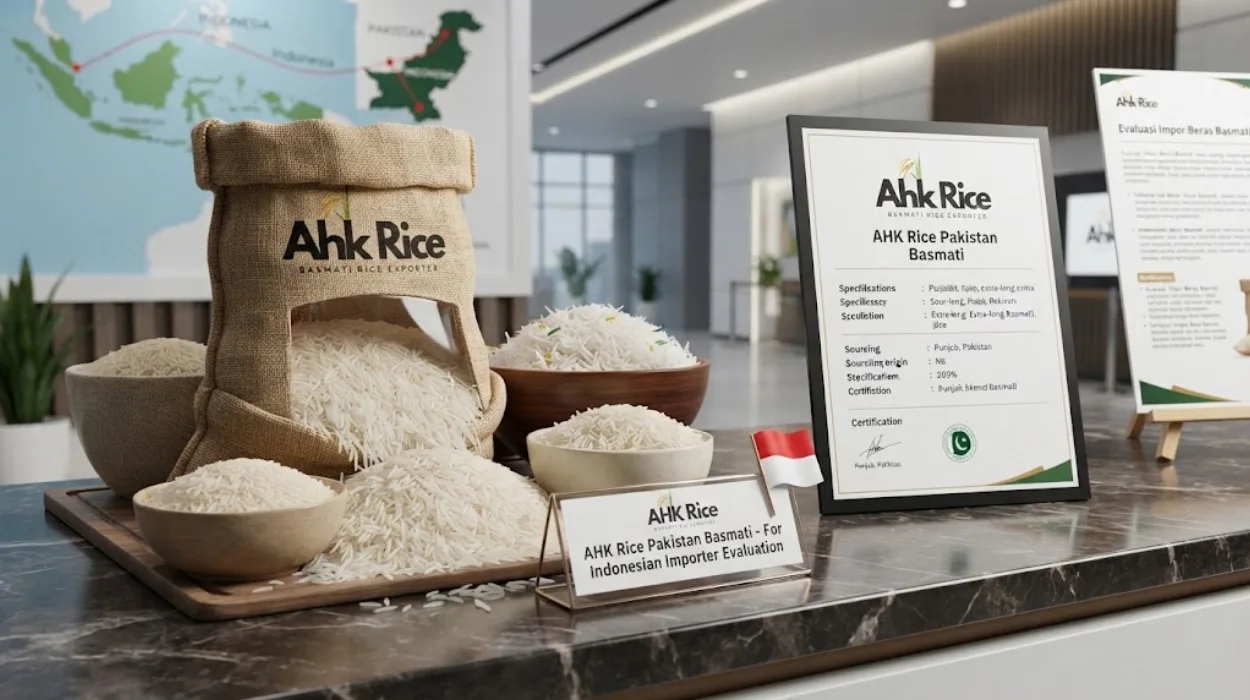
AHK Rice Pakistan Basmati Samples for Indonesian Importer Evaluation
AHK Rice Pakistan Basmati samples provide Indonesian importers with a practical way to verify grain quality, cooking performance, packaging, and export readiness before placing a commercial order. Here is why: sample evaluation connects laboratory specifications with actual restaurant, wholesale, and retail requirements. Buyers can compare 1121, Super Kernel, and 1509 Basmati rice before approving a shipment.
Indonesian importers need more than attractive grain photographs. A sample must demonstrate consistent length, clean appearance, acceptable moisture, suitable aroma, and reliable cooking results. The evaluation also needs clear pricing, packaging details, and delivery expectations. This guide explains how AHK Rice supports that decision.
For the educational foundation, read What Should Indonesian Buyers Check Before Approving Pakistani Basmati Samples?. The article explains the main inspection points before a buyer requests commercial samples.
What is the best solution for Indonesian importers evaluating Pakistani Basmati samples?
The best solution is a documented sample evaluation covering grade, processing, laboratory results, cooking performance, packaging, and commercial terms. Here is why: these six areas connect product quality with the buyer’s final use. A restaurant requires cooking consistency, while a distributor also needs shelf stability and packaging suitability.
AHK Rice supplies Pakistani Basmati samples for Indonesian importers who need to compare products before procurement. The evaluation begins with the buyer’s requirements and continues through sample preparation, inspection, dispatch, and feedback.
Which rice grades should Indonesian importers request?
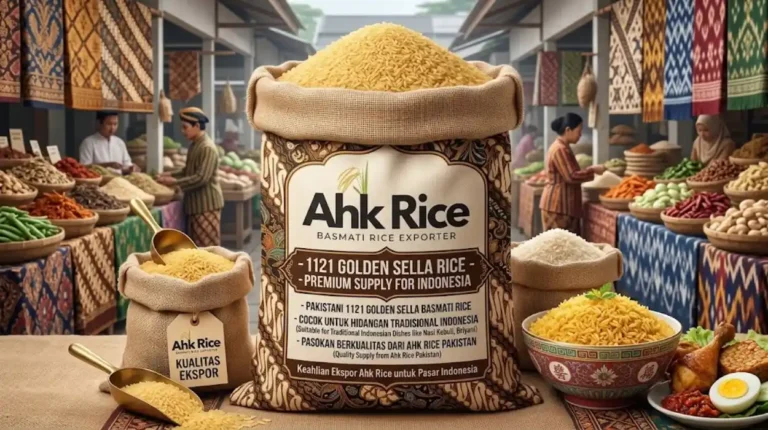
1121, Super Kernel, and 1509 Basmati are the main grades to compare for different Indonesian applications. Here is why: each grade offers a different balance of grain length, cooking performance, price, and market positioning.
1121 Basmati suits premium restaurants and retail products that require long, attractive grains. Super Kernel offers a strong premium positioning with a distinctive aroma. 1509 provides a practical option for buyers seeking long-grain Basmati at a more competitive commercial cost.
| Specification | 1121 Basmati | Super Kernel Basmati | 1509 Basmati |
|---|---|---|---|
| Main positioning | Premium | Premium aromatic | Value-focused premium |
| Grain appearance | Long and slender | Long and slender | Long and slender |
| Common processing | Steam, Sella, White | Steam, Sella, White | Steam, Sella, White |
| Restaurant suitability | High | High | High |
| Retail suitability | Premium retail | Premium retail | Mid-premium retail |
| Price position | Higher | Higher | Competitive |
| Main evaluation point | Grain expansion | Aroma and texture | Cost and cooking yield |
Actual specifications depend on the selected crop, processing grade, and agreed contract terms.
How should buyers compare specifications?
Indonesian importers should compare samples against one written specification sheet. The sheet should identify grade, processing type, broken percentage, moisture, foreign matter, grain length, packaging, and permitted tolerances.
The buyer can then compare the same attributes across suppliers. This prevents a longer grain from appearing better simply because another sample uses a different processing type.
For a detailed comparison framework, read Which Pakistan Basmati Sample Specifications Should Indonesian Importers Compare First?.
With the evaluation criteria established, the next question is how AHK Rice prepares samples for commercial approval.
Why choose AHK Rice for Pakistani Basmati sample evaluation?
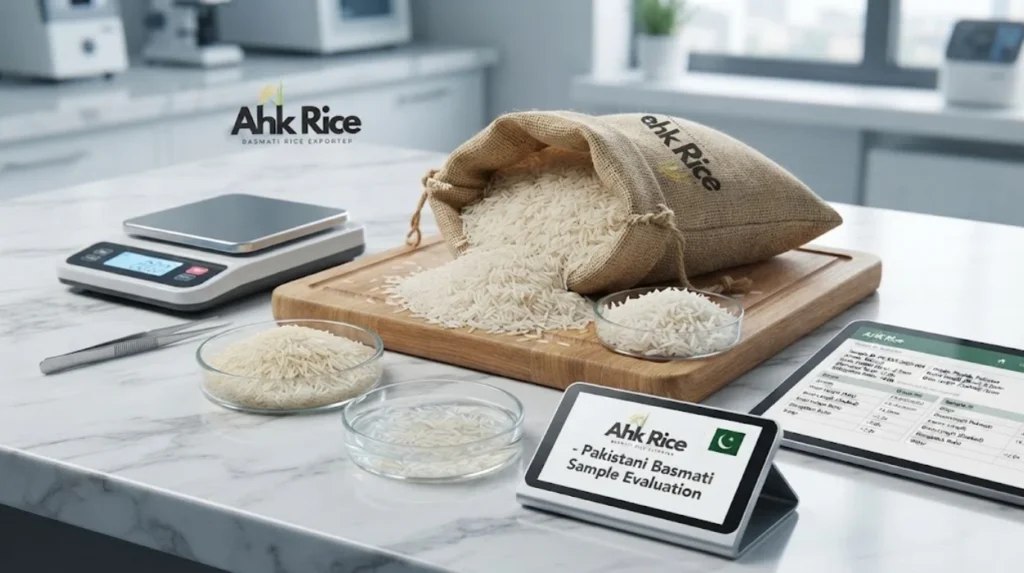
AHK Rice combines Pakistani Basmati sourcing, processing, packaging, and export coordination in one supply process. Here is why: Indonesian importers can evaluate the product and its commercial supply conditions together.
AHK Rice operates from Punjab, Pakistan, a major Basmati rice production region. The company supplies 1121, Super Kernel, and 1509 varieties. Its export service supports product selection, processing requirements, custom packaging, and shipment coordination.
What does the AHK Rice sample process include?
The sample process connects buyer requirements with a traceable product selection and documented dispatch. Here is why: the buyer receives a sample that represents the proposed commercial specification.
- Share requirements. Provide the required grade, processing type, quantity, packaging, destination, and intended application.
- Confirm specifications. Review grain length, broken percentage, moisture, foreign matter, aroma, and other agreed quality parameters.
- Select product. AHK Rice identifies the suitable available grade and processing option.
- Prepare sample. The supplier cleans, grades, sorts, and packs the selected rice for evaluation.
- Inspect quality. Review the sample appearance and available quality documentation.
- Dispatch sample. Arrange delivery to the Indonesian buyer using the agreed shipping method.
- Evaluate performance. Test the rice through cooking, handling, and packaging checks.
- Approve supply. Confirm the final specification, commercial quantity, packaging, and export terms.
The exact process depends on sample size, testing requirements, and destination.
Which sample specifications matter most?
Grain uniformity, moisture, broken percentage, and cooking performance deserve priority during approval. Here is why: these factors directly influence product appearance, yield, and customer satisfaction.
Grain uniformity affects retail presentation and restaurant plating. Moisture affects storage stability and cooking consistency. Broken percentage affects appearance and the quantity of whole grains served. Cooking performance reveals whether the selected processing type suits the buyer’s menu.
The next stage is measuring these attributes through a consistent inspection and cooking evaluation.
What results can Indonesian importers expect from AHK Rice samples?
A successful sample evaluation gives buyers a documented product decision before commercial procurement. Here is why: the buyer can approve a specific grade and specification instead of relying on photographs or general descriptions.
How does cooking evaluation support approval?
Cooking evaluation measures how the rice performs in the buyer’s actual operating environment. Indonesian restaurants can prepare the sample using their normal equipment and recipes. Distributors can compare appearance, aroma, texture, and cooked grain separation.
A restaurant may prefer 1121 Steam for long grains and a fluffy texture. Another buyer may prefer 1121 Sella for a different cooking profile. The correct choice depends on the final application.
How does packaging evaluation reduce commercial risk?
Packaging evaluation checks bag strength, sealing, labelling, handling, and storage suitability. Indonesian importers can test whether the selected format supports their distribution network.
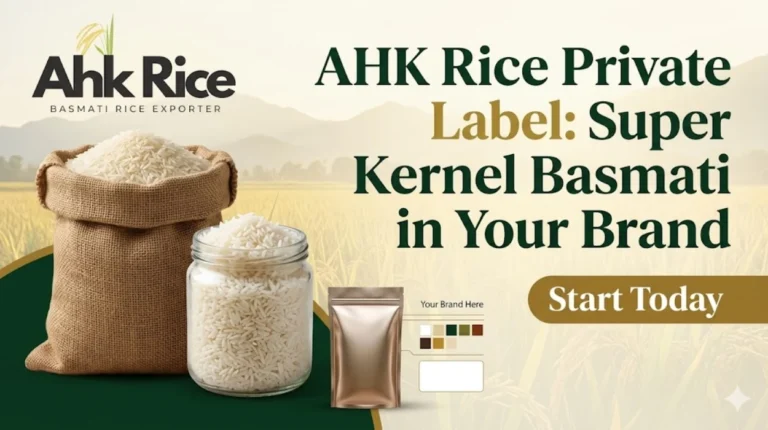
AHK Rice offers custom packaging options for export requirements. Buyers can discuss bag sizes, packaging materials, branding, and packing specifications before confirming the order.
What documentation should buyers request?
A commercial sample should include a specification sheet and the available quality and export documents. Here is why: documented specifications support consistent purchasing and make supplier comparison easier.
Common documents include:
- Product specification sheet
- Commercial invoice
- Packing details
- Certificate of origin
- Phytosanitary certificate, where required
- Certificate of analysis, where agreed
- Fumigation certificate, where required
- Shipping documents for the commercial order
Document requirements depend on Indonesian import regulations and the agreed shipment terms.
With the sample evaluation complete, buyers can move to the cost and delivery decision.
How much do Pakistani Basmati samples cost for Indonesian importers?
Sample cost depends on rice grade, quantity, packaging, testing, and delivery method. Here is why: a small product sample and a laboratory-tested commercial evaluation require different preparation and logistics.
What factors affect sample pricing?
Grade selection, sample weight, testing requirements, packaging, and destination determine the final sample cost. Here is why: each factor adds a preparation or delivery requirement.
Grade selection affects the rice value. A premium 1121 specification may cost more than a standard 1509 sample. Sample weight affects packing and shipping charges. Laboratory testing adds a separate service cost when required.
Packaging also influences cost. A plain evaluation pack differs from a branded retail sample. Courier delivery to Jakarta, Surabaya, or another Indonesian destination may carry different charges.
How should buyers request a sample quotation?
Provide the following information:
- Required Basmati grade
- Processing type
- Sample quantity
- Destination city
- Packaging preference
- Required laboratory tests
- Commercial order estimate
AHK Rice can then confirm sample availability, preparation requirements, and the applicable quotation.
What shipping time should Indonesian buyers expect?
Sample delivery commonly requires approximately 7–14 days by courier, subject to preparation and customs clearance. Here is why: the supplier must prepare the product before dispatch, and international delivery requires destination processing.
Commercial shipments require a separate timeline. Sea freight from Pakistan to Indonesia often takes approximately 25–40 days, depending on the port, route, transshipment, and clearance process. These are planning estimates, not guaranteed delivery dates.
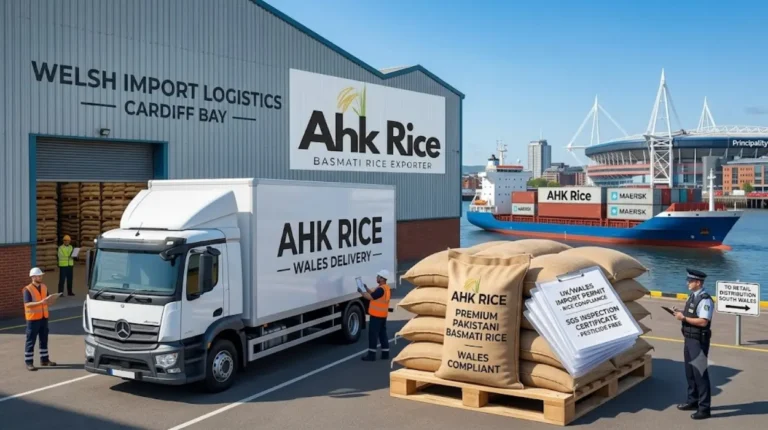
For a commercial shipment, buyers should confirm the loading port, destination port, Incoterm, vessel schedule, and expected transit time before approving the purchase.
How can Indonesian importers get started with AHK Rice?
Indonesian importers should begin with a written specification and a sample request that identifies the intended commercial application. Here is why: a clear request allows AHK Rice to prepare a relevant sample instead of sending an unsuitable grade.
What information should the first request include?
Provide the required grade, processing type, estimated annual volume, sample quantity, packaging preference, and delivery destination. Include the intended use, such as premium retail, wholesale distribution, or restaurant supply.
The buyer should also identify the target price range and preferred shipping terms. These details help align the sample with the commercial order.
What happens after sample approval?
Sample approval should lead to a confirmed specification, commercial quotation, and shipment plan. Here is why: the buyer needs a clear purchasing basis before committing funds.
The final specification should identify the grade, processing type, quality tolerances, packaging, quantity, price, and delivery terms. AHK Rice can coordinate the export process and prepare the required documents for the agreed shipment.
Indonesian importers should approve the sample only after checking both product performance and commercial suitability.
AHK Rice Pakistan Basmati samples help Indonesian importers make a practical sourcing decision. The process combines product inspection, cooking evaluation, packaging checks, documentation, and commercial planning.
1121, Super Kernel, and 1509 Basmati rice Basmati offer different purchasing options. The right selection depends on the buyer’s target market, cooking requirements, price position, and distribution model.
A documented sample evaluation reduces uncertainty before a commercial shipment. It also creates a clear specification for repeat purchasing and quality control.
Contact AHK Rice today and submit your requirements through the quotation request form to receive a tailored export proposal.
Frequently Asked Questions
Which Pakistani Basmati grade is best for Indonesian importers?
1121 Basmati suits premium restaurants and retail products requiring long grains. Super Kernel offers a premium aromatic option. 1509 provides a competitive choice for mid-premium retail. The final grade should match the buyer’s cooking and pricing requirements.
How long does a Pakistani Basmati sample take to reach Indonesia?
Courier delivery commonly takes approximately 7–14 days. Preparation and customs clearance affect the final timeline. Commercial sea shipments require longer planning. Buyers should confirm the destination and shipping method before dispatch.
What does AHK Rice include in a sample evaluation?
AHK Rice supports grade selection, specification confirmation, sample preparation, packaging, and dispatch. Buyers can also request quality documentation and commercial information. The exact evaluation depends on the required grade and testing scope.
How much does a Pakistani Basmati sample cost?
Sample pricing depends on grade, quantity, packaging, testing, and destination. A premium 1121 sample may cost more than a standard 1509 sample. The supplier should confirm the final cost after receiving the buyer’s requirements.
Can Indonesian importers request custom packaging samples?
Yes. AHK Rice supports custom packaging discussions for export requirements. Buyers can specify bag size, packaging format, branding, and packing details. Custom packaging costs depend on the selected material and preparation requirements.