Import Authentic Pakistani Basmati Rice into the USA from AHK Rice
US importers need a reliable Pakistani Basmati rice supplier that delivers consistent grain specifications, compliant documentation, and predictable shipment planning. AHK Rice supplies Pakistani Basmati varieties for wholesale distributors, ethnic grocery retailers, private-label brands, and foodservice buyers seeking a defined specification before committing to a commercial order. Buyers can first understand what Pakistani Basmati rice is and how it differs from Indian Basmati, then assess product suitability, sample approval, import requirements, and landed costs.
Importing successfully requires more than selecting a variety and negotiating a price. US buyers must confirm the grain grade, broken percentage, moisture level, packaging, applicable food-import requirements, and delivery terms before approving a shipment. AHK Rice supports this purchasing process by aligning product selection and export preparation with the buyer’s documented requirements.
What Is the Best Solution for Importing Pakistani Basmati Rice into the USA?
The best solution is to select a suitable Pakistani Basmati variety, approve a representative sample, confirm written specifications, and verify US import requirements before shipment. This process reduces specification disputes, supports purchasing decisions, and establishes clear expectations for quality, documentation, and delivery.
Importers generally consider three principal options: 1121 Basmati, Super Kernel Basmati, and 1509 Basmati. Each serves a different commercial objective. The right selection depends on retail positioning, cooking performance, target selling price, and the consistency required across repeat orders.
- 1121 Basmati: Suitable for premium retail, private-label products, and foodservice applications where long grains and cooked elongation support a higher-value offering.
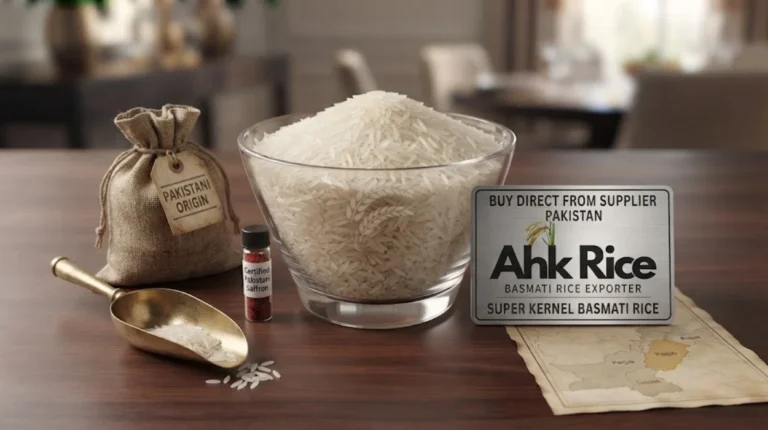
- Super Kernel Basmati: Suitable for buyers seeking traditional Pakistani Basmati aroma and familiar cooking characteristics for ethnic grocery distribution and established consumer markets.
- 1509 Basmati: Suitable for buyers evaluating value-oriented Basmati products, bulk distribution, and foodservice procurement where the agreed grade and price meet the commercial requirement.
Before deciding, buyers should compare the varieties using a common specification sheet rather than relying only on product names. The comparison should include raw grain length, broken percentage, moisture, crop or lot identification where available, milling quality, packaging, and the agreed acceptance criteria.
Importers evaluating both origins can also review Pakistani vs Indian Basmati rice for USA buyers. Compare aroma, grain length, pricing structure, and supply requirements before choosing the product that fits your market.
Why Choose AHK Rice for Pakistani Basmati Rice Imports?
AHK Rice is a Pakistani Basmati rice exporter based in Punjab, supplying 1121, Super Kernel, and 1509 varieties to international buyers. Its export-focused service connects product selection, processing, packaging, and shipment preparation with specifications agreed between the exporter and importer.
For US buyers, supplier selection should be based on documented product details and the ability to communicate clearly throughout procurement. AHK Rice offers a starting point for importers seeking Pakistani-origin rice with defined grades, export packaging options, and a structured sample-to-order process.
The exporter’s Pakistani Basmati rice supply and export service provides the commercial starting point for discussing available varieties and shipment requirements. Buyers should request the current specification sheet, packing options, available lot information, and relevant quality documents before confirming an order.
A practical supplier evaluation should cover the following points:
- Product specifications: Obtain written limits for grain length, broken percentage, moisture, and other agreed quality parameters.
- Processing consistency: Confirm how the selected variety is milled, graded, inspected, and prepared for packing.
- Packaging suitability: Specify bag material, net weight, printed artwork, labeling requirements, and palletization if required.
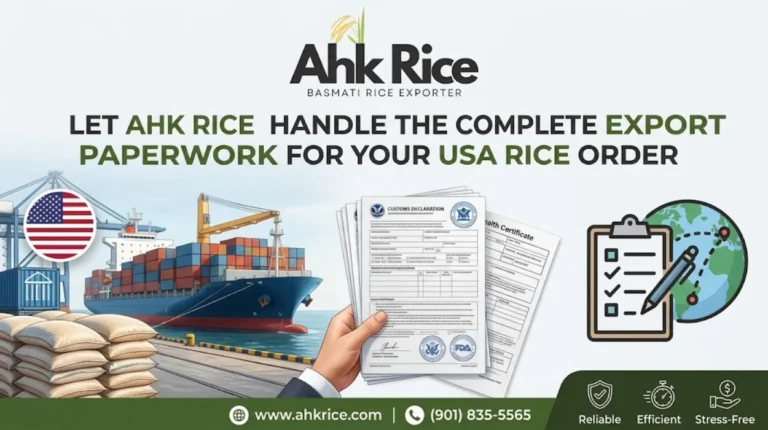
- Export documentation: Agree which certificates and shipping documents will be supplied, subject to the shipment and applicable regulations.
- Commercial transparency: Confirm currency, quantity, Incoterm, payment terms, inspection arrangements, and responsibility for destination charges.
These checks help importers establish a verifiable purchasing process rather than basing a decision on an informal quotation alone. AHK Rice should be assessed against the same written requirements as any other shortlisted supplier.
What US Import Requirements Must Be Confirmed Before Shipment?
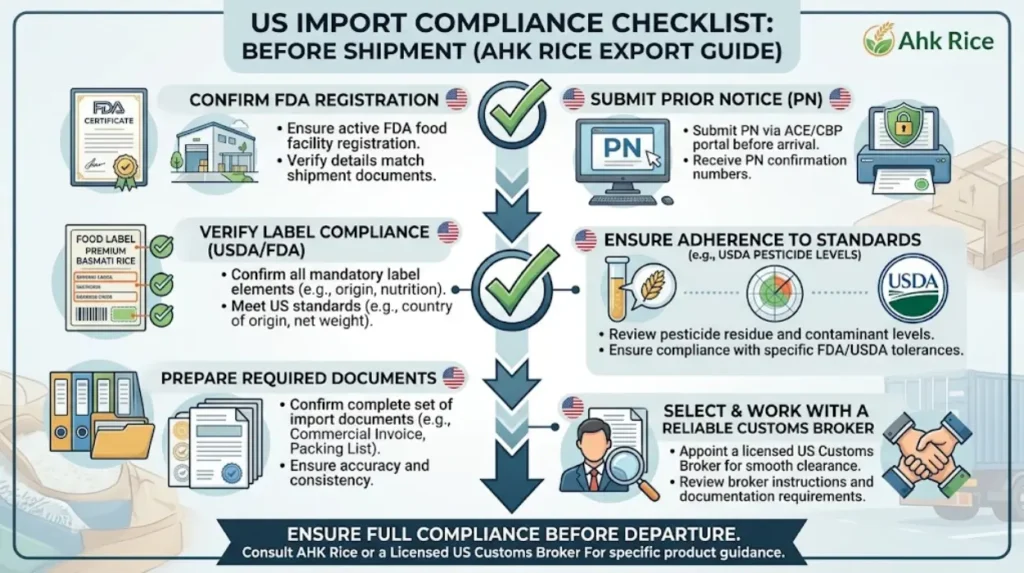
US rice importers must verify applicable FDA food-facility and prior-notice requirements, customs entry procedures, product admissibility, and any relevant agricultural controls before dispatch. The importer of record should coordinate with qualified customs professionals to confirm current requirements for the specific product and shipment.
Food imports into the United States are subject to requirements that depend on the product, its origin, the importing business, and the intended use. Buyers should establish regulatory responsibilities before paying a commercial deposit or authorizing loading.
Key checks include:
- FDA requirements: Confirm applicable facility registration, prior notice, food safety, and other requirements under the Federal Food, Drug, and Cosmetic Act and relevant regulations.
- Importer responsibilities: Determine whether the Foreign Supplier Verification Program (FSVP) applies and identify the responsible US importer.
- Customs entry: Coordinate the commercial invoice, packing list, bill of lading, country-of-origin details, and any other documents required for entry.
- Agricultural admissibility: Check applicable USDA Animal and Plant Health Inspection Service (APHIS) requirements for the exact commodity and processing condition.
- Labeling: Review country-of-origin marking, net quantity, product identity, and applicable US retail-labeling rules before printing consumer packaging.
- Additional controls: Confirm any relevant inspection, testing, tariff classification, duty, and entry requirements with the customs broker.
Requirements can change, and not every document applies to every shipment. The importer should obtain current guidance from the relevant US authorities and its customs broker. AHK Rice and the buyer should agree on the export documents the supplier will provide, while the US importer remains responsible for its own legal obligations.
How Many Days Does Shipping Pakistani Basmati Rice to the USA Take?
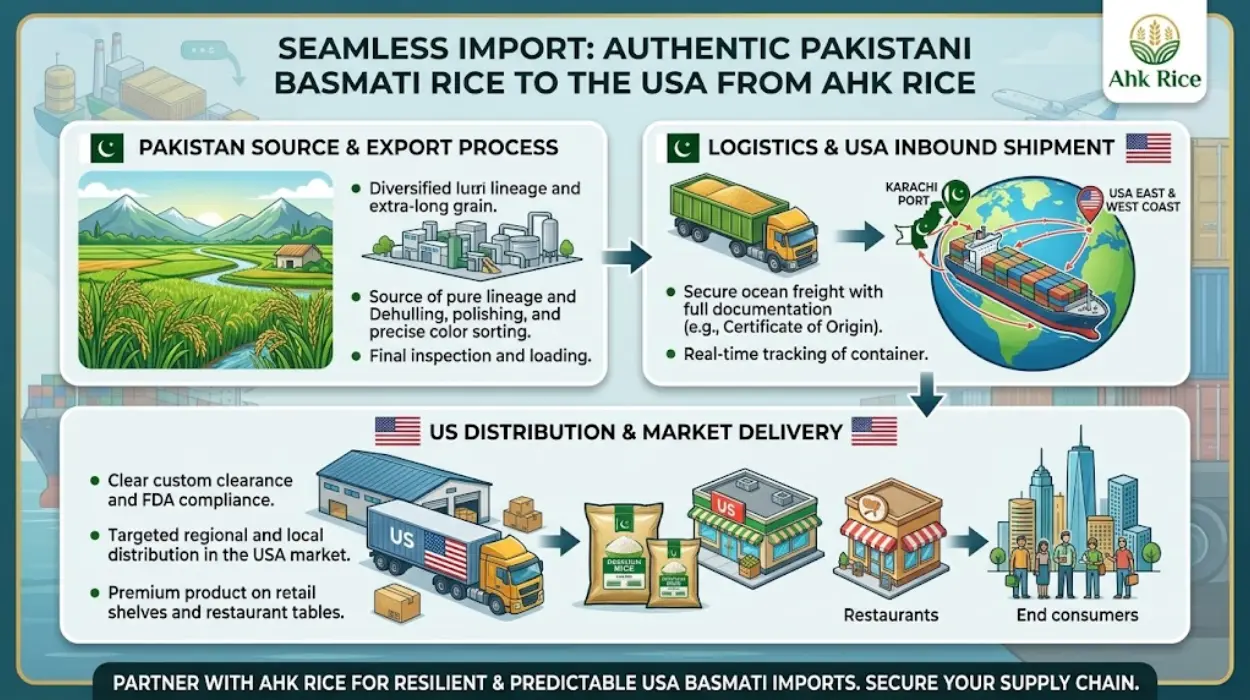
Transit time depends on the Pakistani loading port, US destination, shipping service, transshipment arrangements, and port congestion. Ocean freight planning should separate sailing time from inland delivery, customs clearance, inspection, and final transportation to the buyer’s warehouse.
A preliminary planning estimate for containerized ocean freight is approximately 25–40 days from Pakistan to major US East Coast gateways and 35–50 days to many West Coast destinations. These are indicative planning ranges, not guaranteed schedules. Routing, vessel availability, and port conditions can change the actual transit time.
| US destination | Indicative ocean transit | Important planning consideration |
|---|---|---|
| New York / New Jersey | 25–40 days | Confirm vessel routing and East Coast terminal availability |
| Norfolk / other East Coast gateways | 25–40 days | Check the actual port of discharge and onward transport |
| Los Angeles / Long Beach | 35–50 days | Allow for West Coast routing and terminal congestion |
| Oakland / other West Coast gateways | 35–50 days | Confirm carrier service and inland delivery arrangements |
These estimates exclude time for production, final inspection, booking delays, customs clearance, and domestic trucking. Importers should request a current carrier schedule for their exact destination and build a contingency into inventory planning.
For example, a distributor replenishing supermarket inventory should calculate the expected arrival window backward from its required warehouse date. The purchase order should specify the shipment window, document deadlines, and the process for communicating delays.
What Is the Full Sample Process and How Much Does It Cost?
A commercial sample lets the buyer assess grain appearance, aroma, cooking performance, and suitability before placing a bulk order. The process should establish sample quantity, courier arrangements, any applicable inspection or phytosanitary charges, and written approval criteria before dispatch.
AHK Rice can discuss sample availability for the selected variety and the buyer’s intended application. A clear sample process follows five steps.
- Define the requirement. The importer identifies the variety, preferred processing type, intended market, packaging concept, and target specification.
- Confirm sample availability. AHK Rice confirms the available sample quantity and whether it represents the proposed commercial grade.
- Agree costs and dispatch. The parties confirm courier charges, any applicable phytosanitary or other official charges, destination requirements, and the payment arrangement.
- Conduct the evaluation. The buyer checks grain appearance, aroma, cooking behavior, cooked grain separation, elongation where relevant, and performance against the intended use.
- Approve the specification. The buyer records acceptance criteria and requests a quotation for the agreed bulk quantity.
For eligible sampling arrangements, AHK Rice may offer up to 20 kg of Super Kernel Basmati rice for evaluation, with the buyer covering courier shipping and applicable phytosanitary charges. Availability and current terms must be confirmed directly before dispatch.
There is no responsible universal sample-shipping price because the cost depends on sample weight, courier service, destination ZIP code, customs handling, and any required official charges. Request an itemized estimate before shipment. A sample approval should also identify the grade and quality parameters being accepted; it should not be treated as an automatic guarantee that every future lot will be identical.
How Much Does Pakistani Basmati Rice Cost for US Importers?
The landed cost depends on the rice variety, grade, order volume, packaging, inspection, freight, insurance, duties, customs charges, and inland transportation. Buyers should compare written quotations on the same Incoterm and specification to identify the true delivered cost.
A supplier’s price per metric tonne does not necessarily represent the final cost at a US warehouse. The quotation must state what is included and what remains payable by the importer.
The principal pricing factors are:
- Variety and grade: Premium 1121, Super Kernel, and 1509 Basmati rice can have different price structures depending on processing and quality.
- Quality specifications: Grain length, broken percentage, moisture, milling characteristics, and agreed inspection criteria influence the quotation.
- Order volume: Container quantity and repeat-order commitments may affect production planning and freight economics.
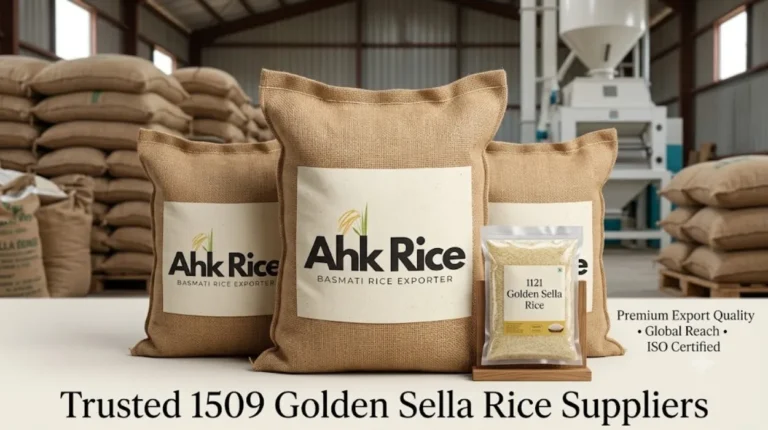
- Packaging: Plain bulk bags, printed retail bags, custom artwork, and specialized packing can change the unit cost.
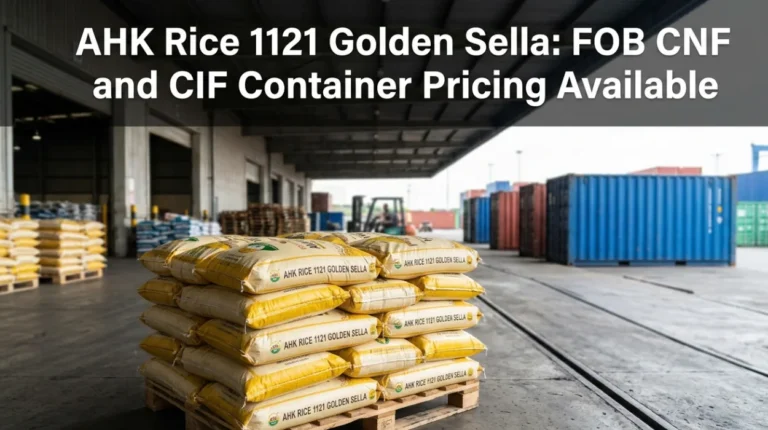
- Shipping terms: FOB, CFR, and CIF quotations allocate freight, insurance, and other responsibilities differently. They should not be compared without adjusting for included costs.
- Destination charges: Customs brokerage, duties, terminal handling, inspections, storage, demurrage, and domestic delivery can affect the landed total.
Ask AHK Rice for a current quotation based on the required variety, specification, quantity, packing format, destination port, and Incoterm. The offer should identify its validity period and payment terms. Buyers should calculate landed cost per kilogram after adding all relevant import and delivery expenses, then compare it with their target wholesale or retail margin.
What Results Can US Buyers Expect from a Properly Managed Import?
A documented sourcing process gives importers clearer quality expectations, more reliable shipment planning, and a stronger basis for repeat purchasing. Results depend on specification control, supplier performance, regulatory compliance, and the buyer’s own storage and distribution practices.
A US distributor selecting 1121 for a premium private-label range may prioritize long-grain appearance, aroma, cooking performance, and retail presentation. A foodservice buyer choosing 1509 may instead focus on cost per serving, consistent cooking results, and dependable bulk availability.
AHK Rice buyers should establish measurable acceptance criteria before production and loading. Where appropriate, they can agree on pre-shipment inspection, representative sampling, quality documentation, and a procedure for handling discrepancies. These measures create a documented basis for evaluating the delivered shipment.
No exporter can responsibly guarantee a particular resale price, customs release date, or retail result without controlling the relevant market and operational factors. The commercial objective is to reduce avoidable uncertainty through written specifications, realistic logistics planning, and clear allocation of responsibilities.
How Can You Start an Import Order with AHK Rice?
Start by submitting your target variety, required quantity, quality specification, packaging format, and US destination. Review the quotation, verify import requirements, approve a representative sample when needed, and authorize shipment only after the commercial and quality terms are documented.
AHK Rice recommends a structured purchasing sequence for new US buyers:
- Identify whether 1121, Super Kernel, or 1509 best fits the intended customer and price segment.
- Request the available product specification, packing options, sample terms, and current quotation.
- Confirm the US importer’s regulatory responsibilities with the customs broker and relevant authorities.
- Approve the sample and written commercial specification, where sampling is required.
- Finalize quantity, Incoterm, payment conditions, inspection arrangements, shipment window, and required documents.
- Coordinate shipping milestones and review the export documents before the vessel departs.
This process gives both parties a defined reference for quality, cost, documentation, and delivery. It also provides a sound basis for evaluating repeat orders and adjusting specifications as the US market develops.
For a tailored quotation covering Pakistani Basmati rice varieties, packaging, sample arrangements, and shipment planning for the United States, request a quote from AHK Rice.
Frequently Asked Questions
Which Pakistani Basmati variety is best for US importers?
1121 suits premium retail and private-label products that emphasize long grains. Super Kernel appeals to buyers seeking traditional Basmati aroma. 1509 suits value-oriented and bulk applications. Final selection depends on the agreed grade, cooking test, target price, and customer expectations.
How long does Pakistani Basmati rice take to reach the USA?
Indicative ocean transit is around 25–40 days to many East Coast gateways and 35–50 days to many West Coast destinations. Actual schedules depend on the carrier, routing, port congestion, and transshipment. Customs clearance and inland delivery require additional time.
Can US buyers request rice samples before ordering?
Yes, buyers can discuss sample availability with AHK Rice before committing to a bulk order. Eligible Super Kernel sampling arrangements may provide up to 20 kg, subject to confirmation. The buyer covers courier shipping and applicable phytosanitary charges under the stated arrangement.
What documents are required to import Pakistani rice into the USA?
Common commercial documents include the invoice, packing list, and bill of lading. Depending on the shipment, additional certificates or records may be needed. The importer must verify applicable FDA, FSVP, customs, labeling, and agricultural requirements with the relevant authorities and its broker.
How can importers obtain an accurate Basmati rice quotation?
Provide the variety, grade, quantity, bag size, packaging requirements, US destination port, and preferred Incoterm. Ask for a written quotation that identifies included costs, payment conditions, shipment timing, and validity. Calculate landed cost before comparing supplier offers.