Customs Warns Over Rice Subsidy Abuse Risks
The global rice industry is facing increased attention over subsidy-related concerns as customs authorities warn about potential misuse of rice support programmes. The issue has raised questions among exporters, importers, wholesalers, and distributors about transparency, pricing structures, and fair competition in the international rice market.
For Pakistan, one of the world’s leading rice suppliers, developments surrounding rice subsidies can influence export competitiveness, buyer confidence, and future trade policies. As international buyers continue to monitor rice industry news, maintaining transparent supply chains and reliable export practices remains essential for long-term growth.
Why Are Customs Authorities Concerned About Rice Subsidy Abuse?
Customs authorities have highlighted concerns that certain subsidy programmes designed to support farmers or stabilise domestic markets could potentially be misused. When subsidies are incorrectly claimed or applied beyond their intended purpose, they may distort market conditions and create unfair advantages for some suppliers.
In the rice sector, subsidies can influence production costs, export prices, and availability. If support mechanisms are not properly monitored, they can affect international rice trade by creating pricing differences between exporting countries.
For rice importers and distributors, such concerns are important because artificial price advantages may create uncertainty in sourcing decisions. Buyers increasingly seek suppliers that operate with strong compliance standards, transparent documentation, and consistent quality control.
How Could Rice Subsidy Issues Affect Global Rice Prices?
Rice prices are influenced by multiple factors, including production levels, weather conditions, logistics costs, government policies, and global demand. Subsidy-related market distortions can add another layer of complexity.
If subsidy abuse leads to excessive market intervention, it could impact supply and demand patterns. In some cases, increased subsidised production may temporarily increase availability and pressure prices downward. However, long-term uncertainty can create volatility, making it harder for businesses to forecast purchasing costs.
For Pakistan rice exports, global price competitiveness depends not only on production costs but also on maintaining credibility in international markets. Exporters that focus on quality, traceability, and dependable supply are better positioned to serve buyers during periods of market uncertainty.
What Does This Mean for Pakistan Rice Exports?
Pakistan has a strong position in the international rice industry, particularly through its high-quality Basmati rice and non-Basmati varieties. International markets rely on Pakistani suppliers for premium rice products, especially across the Middle East, Africa, Europe, and other regions.
Any global discussion around subsidies and trade fairness highlights the importance of responsible export practices. Pakistani rice exporters must continue strengthening compliance, documentation, and supply chain transparency to maintain buyer confidence.
For overseas rice importers, choosing experienced exporters with established quality standards becomes increasingly important. Reliable exporters can help businesses manage market fluctuations while ensuring consistent product availability.
How Could Rice Importers and Buyers Be Impacted?
Rice importers, wholesalers, and distributors closely monitor policy changes because they directly influence purchasing decisions and inventory planning. Unclear subsidy practices can create challenges in comparing prices between different origins.
International buyers may become more focused on suppliers that provide:
- Verified sourcing information
- Stable quality standards
- Competitive but sustainable pricing
- Efficient export documentation
- Reliable shipping arrangements
The modern global rice market depends on trust. Buyers are not only looking for lower prices but also for dependable partnerships that reduce supply chain risks.
Could Subsidy Concerns Affect Rice Supply Chains and Logistics?
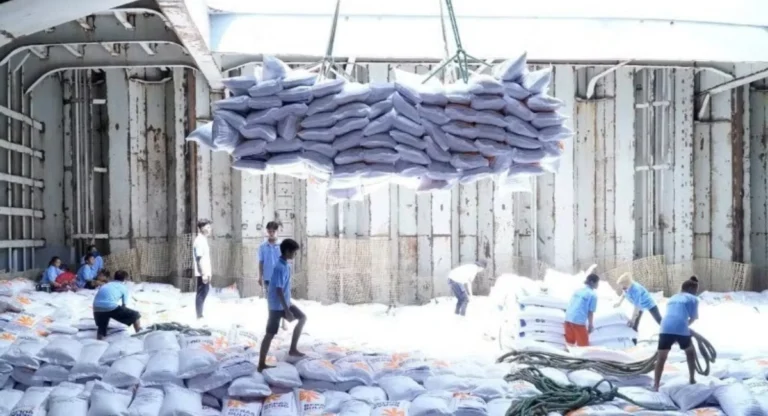
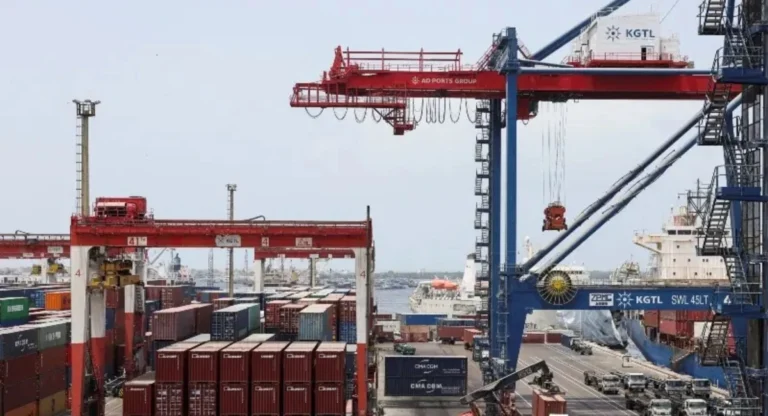
The rice supply chain involves farmers, processors, exporters, shipping companies, customs authorities, and international distributors. Any disruption in one part of this network can affect the movement of rice globally.
Customs scrutiny may result in stronger verification processes, which could influence shipment timelines and documentation requirements. While increased oversight may create short-term administrative challenges, it can also improve market transparency.
For exporters, efficient logistics management and compliance readiness will become increasingly valuable. Companies that can meet international trade requirements smoothly will have stronger opportunities in competitive markets.
What Are the Wider Implications for the Global Rice Market?
The global rice market is becoming more interconnected, with countries closely watching production policies, export restrictions, and trade regulations. Rice remains a strategic commodity because it is a staple food for billions of consumers worldwide.
Subsidy-related concerns demonstrate the need for balanced agricultural policies that support farmers while maintaining fair international competition. For exporters and buyers, market stability depends on transparent trade systems and responsible government measures.
The rice industry is likely to continue experiencing changes as governments respond to food security challenges, inflation pressures, and changing consumer demand. Businesses involved in rice trade must remain adaptable and informed.
How Can Exporters Maintain Buyer Confidence During Market Changes?
In a competitive export environment, trust is one of the most valuable assets. Rice exporters can strengthen their market position by focusing on quality assurance, international standards, timely delivery, and clear communication with buyers.
For Basmati rice suppliers, protecting product reputation is especially important. Premium rice markets depend heavily on consistency, authenticity, and long-term relationships between exporters and global buyers.
As rice trade continues to evolve, companies that prioritise transparency and customer satisfaction will be better prepared for future opportunities.