Europe’s Rice Production Crisis: What Does It Mean for Global Trade?
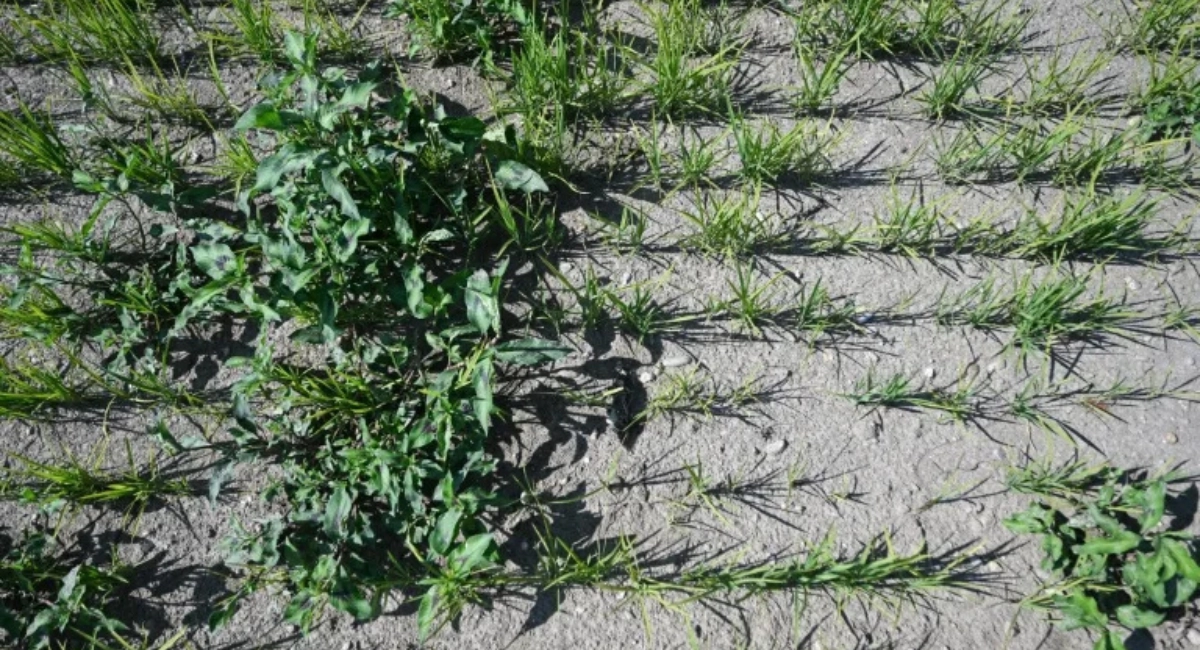
The agricultural landscape in Europe is facing an unprecedented challenge as severe drought conditions grip the continent’s primary rice-growing regions. In Italy—the heart of Europe’s rice-making industry—prolonged heatwaves and water shortages have decimated paddy fields, signaling a potential shift in the global rice market. For international rice importers, wholesalers, and distributors, this development is more than just a localized weather event; it is a signal to re-evaluate supply chain strategies and secure reliable alternative sources.
How Will the European Drought Influence Global Rice Prices?
When a major production region like northern Italy—which typically produces millions of tons of grain—suffers a catastrophic crop failure, the fundamental law of supply and demand inevitably triggers a shift. As domestic yields plummet, the European Union is forced to increase its reliance on external suppliers to meet consumer demand.
This increased competition for imported grain often exerts upward pressure on global prices. Importers currently sourcing rice from the international market should expect heightened volatility. As the European market actively seeks to fill its domestic deficit, we anticipate a tightening of supplies in traditional export hubs. For those involved in the global rice market, this necessitates proactive procurement. Relying on established, high-capacity exporters like Pakistan becomes essential to mitigate the risks of price surges and inventory shortages.
What Are the Immediate Implications for International Rice Importers?
The current situation in Europe highlights the vulnerability of regional food production to climate change. Because European production is heavily concentrated in specific southern countries, a singular climate event can disrupt the supply chain for the entire continent.
For rice importers, this creates an urgent need to diversify their supplier base. The shift in European requirements will likely prioritize high-quality long-grain and aromatic rice, categories where Pakistan rice exports have historically excelled. Importers who wait until the harvest season peaks to secure contracts may find themselves competing for limited stock or facing premium pricing. Strategic partnerships with reliable exporters who have consistent supply chain capabilities are no longer optional—they are a prerequisite for maintaining operational continuity.
How Will Supply Chains and Logistics Adapt to This Shift?
The logistics of global rice trade are sensitive to supply fluctuations. As Europe increases its import quotas to compensate for lost domestic crops, shipping routes and container availability could face increased pressure. Furthermore, as the industry navigates this volatility, transparency in the supply chain becomes critical.
At AHK Rice, we recognize that modern trade is built on reliability. When local crops fail, the responsibility falls on major exporting nations to stabilize the flow of goods. Effective logistics management—ranging from timely milling and processing to efficient sea freight coordination—will be the deciding factor in who successfully navigates this market shift. Importers must prioritize exporters who demonstrate not only the ability to supply volume but also the logistical infrastructure to ensure on-time delivery despite the tightening global supply.
Why Is Pakistan’s Role in the Global Rice Industry Becoming More Vital?
Pakistan is uniquely positioned to address the gap created by European production deficits. With a robust infrastructure for both Basmati and non-Basmati rice, the Pakistan rice industry has consistently demonstrated its ability to scale production for international markets.
As Europe shifts its focus toward imported varieties, the demand for high-quality, sustainably sourced grain is set to grow. Our commitment at AHK Rice is to ensure that our partners across Europe and beyond are insulated from these market shocks. By maintaining stringent quality controls and consistent export volumes, we support our partners in navigating the current climate-induced instability, ensuring that consumer shelves remain stocked with premium rice varieties.
What Should Buyers Expect for the Upcoming Trade Season?
Looking ahead, the market will likely remain in a state of high alert. Climate volatility is no longer an anomaly but a recurring factor in agricultural forecasting. Buyers should prepare for a season defined by:
- Increased Competition: Stronger demand from European and regional buyers for premium Asian grains.
- Price Adjustments: Fluctuations reflective of the total global output versus the growing demand.
- Quality Demands: A heightened focus on safety standards and consistent grading to ensure import compliance.