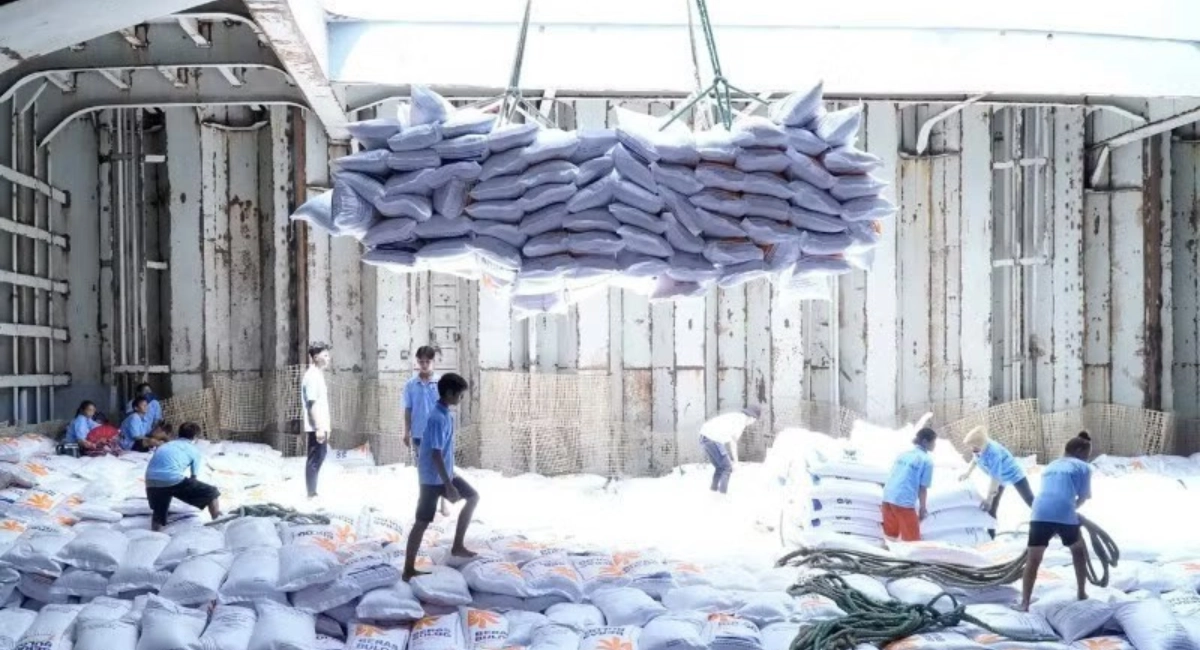
Global Rice Prices Rise as Supply Risks Reshape Trade
The global rice market is entering a period of increased uncertainty as supply concerns, weather risks, and shifting export dynamics influence international pricing. Recent developments in Vietnam show how tight availability can quickly affect export values, while forecasts of a possible El Niño event in late 2026 and early 2027 are raising concerns across major rice-producing regions.
According to recent market indicators, Vietnam has experienced a notable rise in rice export prices due to tighter supply conditions. The Food and Agriculture Organisation of the United Nations (FAO) reported that its Rice Price Index increased by 2.7% in May 2026 compared with the previous month, highlighting renewed pressure across the global rice industry.
For international rice importers, wholesalers, and distributors, these developments signal the importance of monitoring supply availability, production trends, and export pricing strategies across key origins including Vietnam, Thailand, India, and Pakistan.
Why Are Vietnam Rice Export Prices Increasing?
Vietnam’s rice export prices have strengthened as available supply becomes more limited. The country’s 5% broken rice export price reached around USD 412 per tonne, representing an increase of approximately USD 18 per tonne compared with the beginning of May 2026.
The price movement reflects a combination of stronger demand expectations, reduced short-term availability, and concerns about future agricultural conditions. Vietnam remains one of the world’s leading rice exporters, and any change in its export pricing has an immediate influence on the wider rice trade.
During May 2026, Vietnam exported more than 902,000 tonnes of rice, generating export revenue of over USD 430 million. Total exports by the end of May exceeded 4.27 million tonnes, although export value declined compared with the previous year due to lower average prices.
This situation demonstrates how export volumes and market revenue can move in different directions depending on global pricing conditions.
How Could El Niño Affect Rice Production and Global Trade?
Weather uncertainty remains one of the biggest factors influencing the future direction of the global rice market. International meteorological organisations have warned that a potential El Niño pattern in late 2026 and early 2027 could bring drought conditions to major agricultural producers, including India, Thailand, Indonesia, and Australia.
Rice production depends heavily on stable water availability, making drought conditions a significant challenge for farmers and exporters. Any reduction in output from major producing countries could tighten global supply and increase competition among rice importers.
For the rice industry, weather-related risks could impact:
- Rice production levels
- Export availability
- Shipping schedules
- Global rice prices
- Long-term supply contracts
Importers are increasingly focusing on supplier reliability and diversified sourcing strategies to manage potential market disruptions.
What Does This Mean for Pakistan Rice Exports and Basmati Rice?
While Vietnam and Thailand are facing price support due to supply concerns, rice prices from India and Pakistan have experienced pressure because of weaker import demand. Pakistan remains a major supplier of premium rice varieties, particularly Basmati rice, which continues to hold strong recognition in international markets.
Changes in global pricing create both challenges and opportunities for Pakistan rice exports. When buyers seek alternatives due to rising prices from competing origins, Pakistan’s rice industry can benefit from its reputation for quality, flavour, and export reliability.
However, exporters must carefully manage production costs, logistics, quality standards, and international market expectations. Maintaining competitive pricing while ensuring consistent quality will remain essential for Pakistan’s position in global rice trade.
For international buyers, Pakistan offers an important sourcing option, especially for customers seeking premium Basmati rice and dependable long-term supply partnerships.
How Are Rice Importers and Supply Chains Responding?
Rice importers and distributors worldwide are becoming more cautious as market volatility increases. Many buyers are reviewing supplier networks, increasing inventory planning, and looking for exporters capable of maintaining stable deliveries.
Supply chain management has become a critical factor in the rice trade. Challenges such as freight costs, port delays, currency fluctuations, and changing export policies can influence the final landed cost of rice.
Global buyers are increasingly prioritising exporters that can provide:
- Consistent quality control
- Reliable shipment schedules
- Transparent pricing
- Strong export documentation
- Long-term partnership support
For rice exporters, building trust and maintaining operational efficiency will be key advantages in a changing marketplace.
What Is the Outlook for the Global Rice Market?
The global rice market is expected to remain dynamic throughout 2026 as supply conditions, weather forecasts, and international demand patterns continue to influence prices. While Vietnam may benefit from stronger export values if supply remains controlled, other exporters such as Pakistan have opportunities to strengthen their presence through competitive offerings and quality-focused strategies.
The coming months may bring increased attention to rice sourcing decisions, particularly among international buyers who depend on stable supply chains.
For importers and distributors, understanding regional market movements will be essential for managing costs and securing reliable rice supplies.