Guinea’s Hybrid Rice Push Could Reshape Global Rice Trade
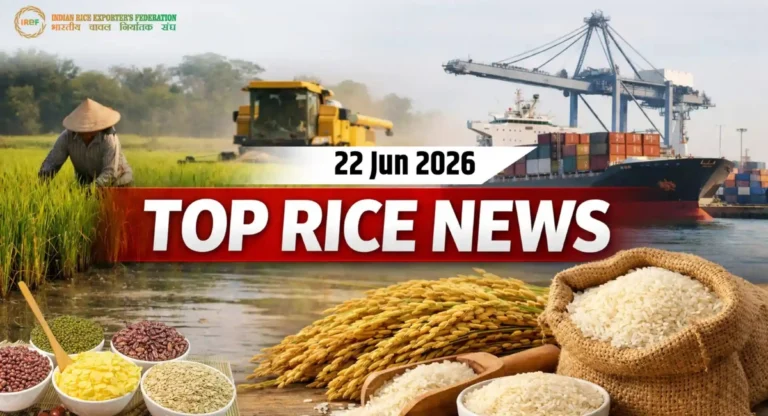
Guinea’s ambition to expand hybrid rice production with Chinese agricultural technology highlights a growing transformation in the global rice market. The West African nation, which currently relies heavily on imports to meet domestic demand, is aiming to increase local production and eventually become a rice exporter.
The development reflects a wider trend in the international rice industry, where countries are investing in high-yield farming techniques, improved seeds, and modern agricultural practices to strengthen food security. For global rice importers, wholesalers, and exporters, Guinea’s strategy could influence future demand patterns, regional supply chains, and opportunities within the rice trade.
For Pakistan rice exports, particularly premium Basmati rice and other varieties supplied to international markets, such changes underline the importance of monitoring emerging production hubs and evolving buyer requirements.
How could Guinea’s hybrid rice programme change the country’s rice industry?
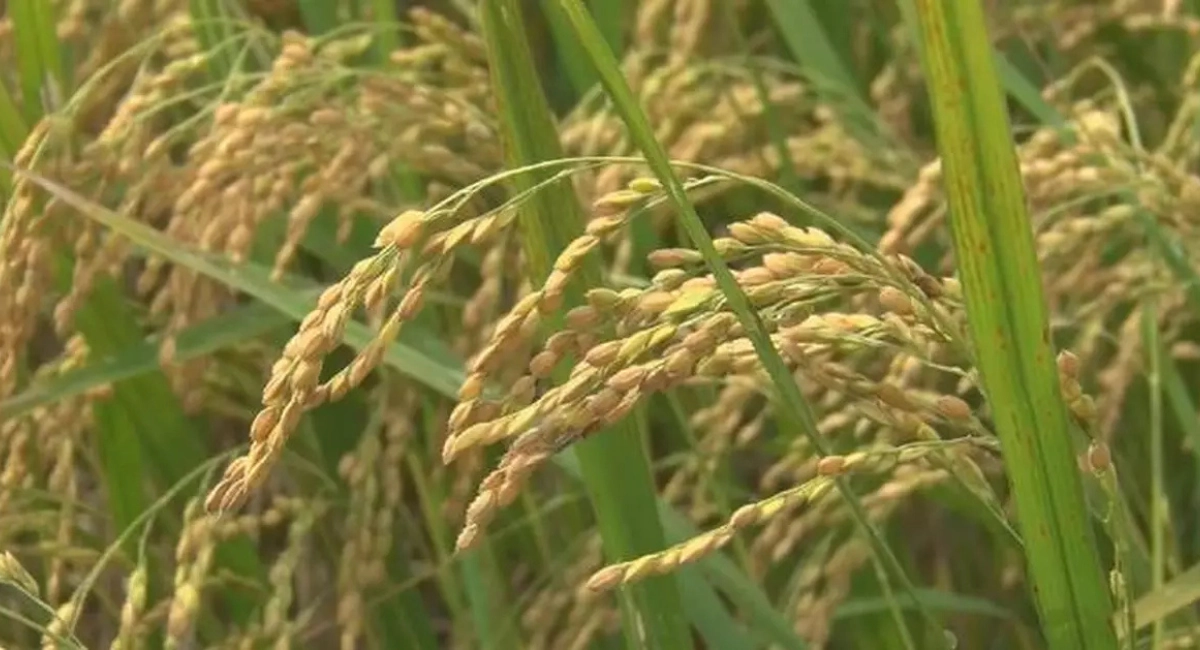
Guinea Prime Minister Bah has highlighted hybrid rice technology as a pathway toward improving agricultural productivity and reducing dependence on foreign supplies. During his visit to a farming project in Koba, located in western Guinea’s Kindia Region, he observed hybrid rice cultivation and processing methods introduced through Chinese agricultural cooperation.
The project demonstrates how accessible farming technology can help farmers achieve higher yields with improved efficiency. Hybrid rice varieties, originally developed through the research efforts of Chinese agronomist Yuan Longping, have been promoted internationally as a tool to increase food production in regions facing agricultural challenges.
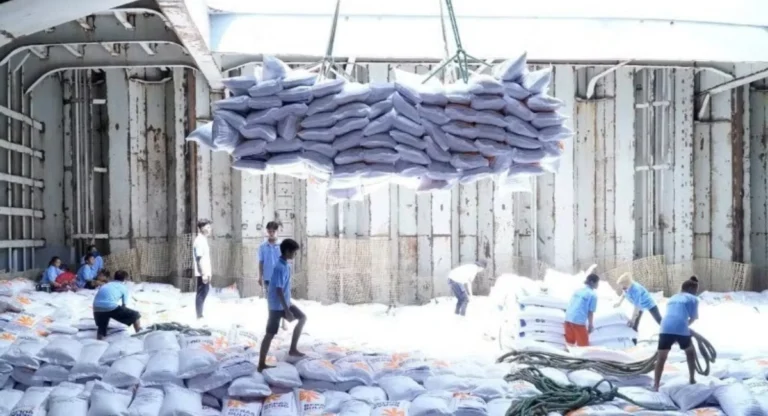
Guinea currently imports approximately 300,000 to 400,000 tonnes of rice annually. By expanding hybrid rice cultivation, the government hopes to reverse this dependency and develop a stronger domestic rice industry capable of supplying both local consumers and neighbouring West African markets.
Why does Guinea’s rice expansion matter for the global rice market?
The global rice market is highly sensitive to changes in production levels, consumption patterns, and government policies. Any major shift in a country’s ability to produce rice domestically can influence regional import demand and international trade flows.
If Guinea successfully increases rice output, it could gradually reduce its reliance on international suppliers. This may create changes for rice exporters targeting West Africa, one of the world’s important rice-importing regions.
However, growing local production does not necessarily eliminate the need for imports. Many countries continue to import specific varieties based on consumer preferences, quality requirements, and market demand. Premium segments, including Basmati rice, often maintain strong international demand due to their unique characteristics and established consumer markets.
For Pakistan rice exports, the key opportunity remains supplying quality-focused buyers who value consistency, grain quality, and reliable global partnerships.
Could hybrid rice development affect rice prices and international supply chains?
Large-scale agricultural expansion in importing countries can influence rice prices over time. Increased domestic production may reduce import pressure, especially for standard rice varieties used for everyday consumption.
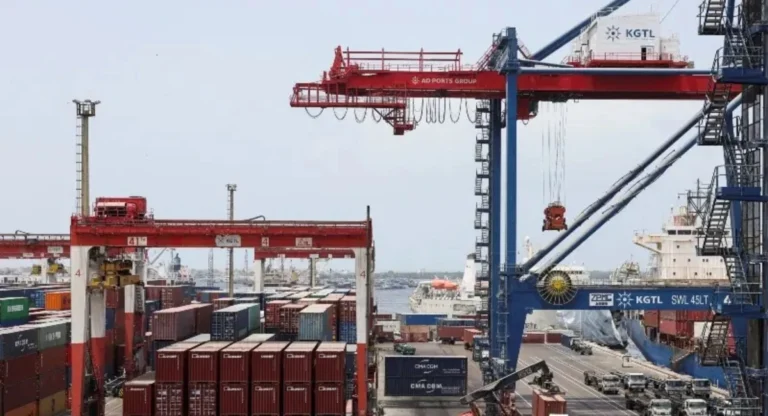
If Guinea and other African countries adopt similar technologies, regional supply chains could become more balanced. Reduced dependence on overseas shipments may lower demand growth in certain markets, while increasing competition among exporters.
At the same time, improved production in Africa could create new trade opportunities. Growing agricultural economies require better logistics networks, processing facilities, storage systems, and quality management. This development may increase demand for agricultural partnerships, technology transfer, and specialised rice supply solutions.
International rice buyers will continue to focus on suppliers that can provide stable volumes, competitive pricing, and dependable shipment schedules.
What does Guinea’s move mean for rice exporters and importers?
For rice exporters, Guinea’s plans represent both a challenge and a potential opportunity. Traditional exporting countries may face stronger competition if African producers improve yields and develop regional distribution networks.
However, exporters with established reputations and strong quality standards can continue serving markets where imported rice remains essential. Pakistan, Thailand, Vietnam, and India remain major players in global rice trade due to their production capacity and export infrastructure.
Rice importers and distributors are increasingly seeking suppliers that can provide value beyond pricing. Factors such as product quality, certification, packaging options, logistics reliability, and long-term cooperation are becoming more important in international purchasing decisions.
The rise of new rice-producing regions may also encourage exporters to diversify their strategies and focus on specialised markets.
How could this development influence future rice trade opportunities?
Guinea’s hybrid rice initiative represents a broader movement toward agricultural self-sufficiency across developing economies. Countries with strong farming potential are increasingly investing in technology to improve food security and reduce vulnerability to international price fluctuations.
For the global rice industry, this means future trade patterns may become more dynamic. Some traditional import markets could gradually increase domestic production, while others may continue relying on international suppliers due to climate conditions, limited farmland, or rising consumption.
The rice industry will likely see greater competition, but also new opportunities for companies that adapt to changing market conditions.
What should international rice buyers consider amid changing rice production trends?
International rice buyers should closely monitor agricultural developments in emerging markets while maintaining relationships with reliable exporters. Supply diversification, quality assurance, and efficient logistics will remain critical factors in global rice purchasing decisions.
Although Guinea’s production ambitions could reshape parts of West Africa’s rice market, demand for high-quality imported rice is expected to remain significant. Buyers will continue looking for exporters capable of delivering consistent quality and meeting international standards.