1121 Parboiled vs 1121 White Basmati: Which Grade for Bulk Catering Orders?
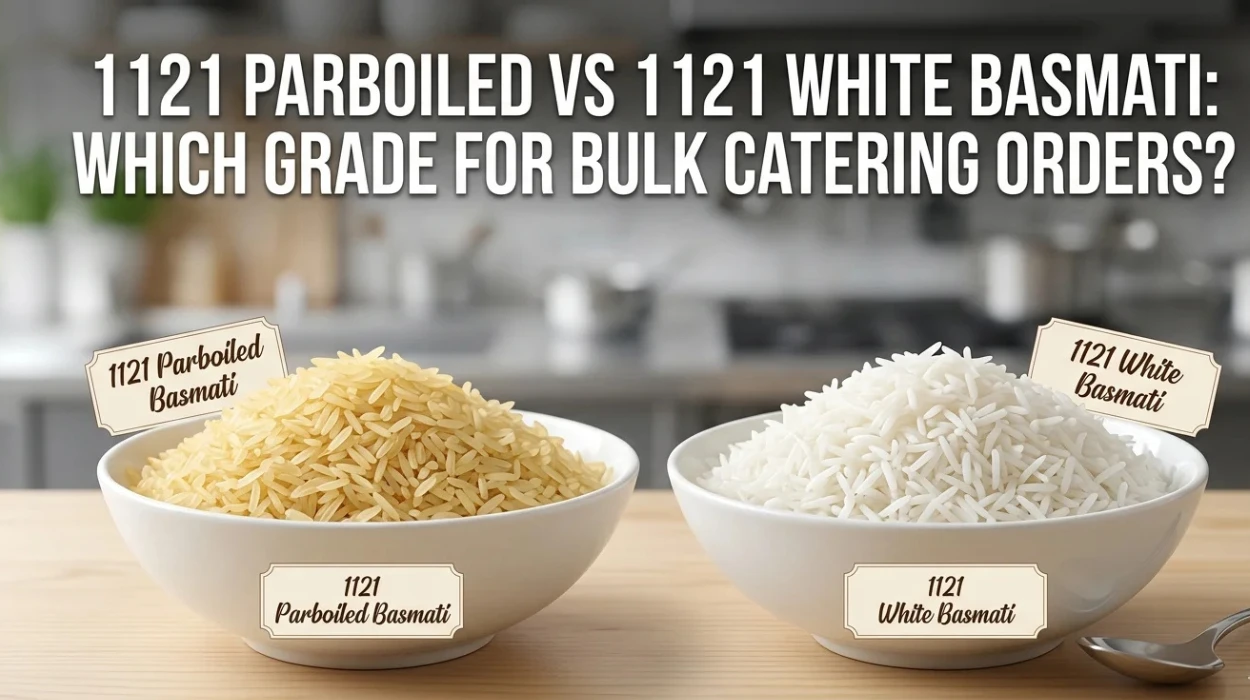
1121 parboiled basmati is the stronger bulk catering choice when the buyer prioritises shelf life, cooking stability, and lower breakage, while 1121 white basmati is the better choice when aroma, whiteness, and premium plate presentation matter more. The final decision depends on catering format, inventory cycle, and service expectations.
The product background in 1121 parboiled basmati helps set up this comparison, because the processing route explains why the catering performance differs. AHK Rice supplies both grades from Punjab, so the comparison sits inside the same export ecosystem rather than two unrelated supply chains.
What are the available solutions for bulk catering orders?
The available solutions are 1121 parboiled basmati, 1121 white basmati, or a mixed sourcing strategy that assigns each grade to a different catering use case.

1121 parboiled basmati is the processed version. It goes through soaking, steaming, drying, milling, and grading before export. That process gives the grain a firmer structure, better transport resistance, and longer shelf life. AHK Rice supplies this grade through a full export process with custom packaging and grade control.
1121 white basmati is the raw milled version. It skips the parboiling cycle and keeps the classic white appearance and stronger aroma profile that some catering buyers prefer. It usually suits smaller, more controlled kitchens where the rice turns over quickly and the cooking team wants a softer fragrance-led finish.
The third solution is a split model. Some buyers use parboiled rice for institutional catering, banquets, and contract feeding. They use white Basmati for premium dining, live service, or menu items where aroma and appearance matter more than hold time. That split often gives the best balance of price, stability, and customer satisfaction.
For buyers comparing crop background and processing logic, the TOFU article on 1121 parboiled basmati rice parboiling locks nutrients grain explains why the parboiled format behaves differently at scale. That matters before the buyer moves into price and grade selection.
How do 1121 parboiled and white basmati compare as catering grades?
1121 parboiled and 1121 white basmati differ most in cooking stability, shelf life, grain appearance, and storage tolerance, which makes the catering-grade comparison a question of service model rather than quality alone.
| Attribute | 1121 Parboiled Basmati | 1121 White Basmati |
|---|---|---|
| Processing | Soaked, steamed, dried, milled | Milled without parboiling |
| Grain appearance | Golden to light amber | Bright white |
| Aroma | Moderate-high | High |
| Cooking separation | Very strong | Strong |
| Shelf life | 14–18 months | 8–12 months |
| Breakage resistance | High | Medium |
| Catering fit | Bulk cooking, banquet, institutional | Premium dining, aroma-led service |
The table shows a clear operational difference. Parboiled rice gives the buyer more margin for storage, handling, and delayed use. White Basmati gives the buyer a more aromatic final plate. Both are 1121, but the process changes the commercial behaviour in bulk service.
1121 parboiled basmati performs better in high-volume kitchens. It survives transport, bag stacking, and long storage windows with less quality drift. That matters when a caterer holds stock in a warehouse or rotates deliveries across multiple sites. White Basmati works better where the rice is cooked quickly after delivery and served closer to the kitchen line.
The difference is also visible in yield. Parboiled rice usually keeps its grain structure more reliably during boiling. That reduces clumping and helps produce consistent trays of rice in buffet or institutional formats. White Basmati still performs well, but the kitchen must manage water ratio and hold time more carefully.
Which grade works best for different catering cases?
1121 parboiled basmati works best for bulk institutional catering, while 1121 white basmati works best for premium restaurants, event service, and aroma-led plated meals.
For schools, hospitals, contract caterers, and industrial canteens, parboiled rice is usually the stronger choice. These environments depend on consistency, cost control, and batch stability. A bag of 1121 parboiled basmati can sit longer, move through more handling points, and still cook predictably. That lowers waste and simplifies kitchen planning.
For wedding banquets and large event caterers, parboiled rice also performs well. It holds shape under hot-holding conditions and supports mass plating without turning sticky. That makes it useful when the service team must prepare large volumes in a limited time window. The grain stays separate and visually clean even after repeated serving cycles.
For premium restaurants, white Basmati usually creates the better dining signal. Customers often associate the whiter grain and stronger aroma with freshness and premium quality. In smaller kitchens with tighter stock rotation, the shorter shelf-life window is less of a problem because orders move quickly.
For mixed catering businesses, the best approach is often category segmentation. Use parboiled rice for bulk and back-of-house stability. Use white Basmati for a premium menu tier. AHK Rice can supply both from Punjab, which allows the buyer to keep one export relationship while assigning each grade to a different revenue line.
What are the advantages and trade-offs of each grade?
1121 parboiled basmati offers stronger storage, lower breakage, and higher cooking consistency, while 1121 white basmati offers stronger aroma, brighter appearance, and more premium plate perception.
Advantages of 1121 parboiled basmati
- Extend shelf life to 14–18 months under standard storage conditions, which suits slow-moving catering stock.
- Reduce breakage during loading, warehousing, and transport, which protects yield.
- Maintain a firm grain in bulk cooking, which supports trays, buffets, and institutional service.
- Improve inventory stability, which lowers the risk of spoilage or product ageing.
Trade-offs of 1121 parboiled basmati
- Deliver a golden tone that some premium dining formats treat as less elegant than white rice.
- Produce a slightly less aromatic final result than white Basmati.
- Require explanation in some markets where consumers still confuse parboiled rice with lower-grade rice.
Advantages of 1121 white basmati
- Deliver higher aroma, which supports premium dining and traditional Basmati expectation.
- Present a whiter grain, which improves plate aesthetics in luxury and fine-dining settings.
- Fit short-turnover catering models where stock moves quickly and freshness is high.
Trade-offs of 1121 white basmati
- Carry a shorter shelf-life window of roughly 8–12 months.
- Break more easily than parboiled rice under repeated handling and storage pressure.
- Require tighter water control in the kitchen to avoid stickiness or uneven cooking.
These trade-offs matter because catering buyers lose money in different ways. Parboiled rice lowers shrink and handling risk. White rice raises customer perception in premium settings. The right answer depends on whether the buyer values storage security or sensory appeal more.
What shelf-life and price patterns should catering buyers expect?
1121 parboiled basmati usually gives the stronger shelf-life economics, while 1121 white basmati usually commands a premium price per tonne because of aroma and whiteness.
In bulk catering, shelf life often influences total cost more than the invoice price alone. A product that stores for 14–18 months can absorb slower turnover and larger purchasing cycles. That reduces the chance of ageing losses, bag damage, and emergency reorders. For institutional buyers, those savings matter more than a small difference in unit price.
White Basmati tends to sit in a higher price band because it carries a premium consumer story. It is more often selected where the customer directly sees and smells the rice. That premium can be justified in visible-service formats, but it becomes harder to defend in contract catering where functional consistency matters more than aroma.
Price per metric tonne also depends on packing and shipment terms. Bulk 25 kg or 50 kg bags usually support lower packing cost than retail cartons. Shipping routes, container size, and freight strategy also affect the landed number. AHK Rice can quote wholesale pricing by grade, but the real comparison sits in the landed cost and shelf-life cycle rather than the headline tonne rate alone.
If the buyer wants the commercial price structure for the wholesale price per ton Pakistan gives the pricing baseline that connects grade choice to container economics.
What decision factors matter most for bulk catering teams?
The most important decision factors are storage cycle, kitchen volume, service style, consumer expectation, and the retailer or caterer’s margin model.
Decision framework
| Factor | Choose 1121 Parboiled when | Choose 1121 White when |
|---|---|---|
| Storage cycle | Stock moves slowly or in large batches | Stock moves quickly |
| Service style | Buffets, institutions, contract catering | Premium plated service |
| Kitchen volume | High-volume, repeat production | Lower-volume, aroma-led service |
| Margin model | Shrink control matters most | Premium perception supports price |
| Customer expectation | Consistency and separation matter | Fragrance and whiteness matter |
Storage cycle is the first factor. A caterer that purchases monthly or quarterly needs the grain to hold condition over time. Parboiled rice handles that risk better. White rice performs best when delivery and use happen quickly.
Service style is the second factor. Buffets and institutional trays favour parboiled rice because the grain stays separate under heat and hold conditions. Fine-dining kitchens favour white Basmati because the guest notices aroma and visual purity more directly. The grade should match the service style instead of forcing one rice to do both jobs.
Kitchen volume is the third factor. High-volume kitchens benefit from the predictable texture of parboiled rice. Lower-volume kitchens can use white rice effectively because the cooking team can manage the process more tightly. The larger the volume, the more the parboiled format reduces risk.
Margin model is the fourth factor. Some buyers build margin through lower waste and stronger yield. Others build margin through premium perception and menu pricing. AHK Rice fits both models because it supplies both parboiled and white 1121 from the same origin base.
How do market regions affect the grade choice?
Different market regions prefer different catering grades, with the GCC and African bulk channels leaning toward parboiled rice and premium European or urban dining channels leaning more toward white Basmati.
In the GCC, large catering contracts are common. Hotels, labour camps, institutional kitchens, and banquet suppliers often buy in volume and value consistent cooking and storage security. That makes 1121 parboiled basmati the stronger fit. The grain survives longer distribution cycles and retains shape under heavy use.
In parts of Africa, especially where bulk distribution and long warehouse cycles are normal, parboiled rice also performs strongly. Buyers in these regions often prioritise stock stability and lower breakage because the rice can move through more handling steps before cooking. That makes parboiled rice a practical bulk-cooking grade.
In premium European or urban food-service channels, white Basmati often has more pull. The dining model values aroma, whiteness, and a polished plate presentation. That is especially true in restaurants and boutique event catering where customers judge the grain visually and by fragrance at the table.
That regional split does not remove the need for detailed sourcing. It simply changes the weighting. In bulk catering, logistics and cooking stability often win. In premium dining, sensory profile wins. AHK Rice can support both through a single export platform, but the buyer should still assign the right grade to the right market.
What are the practical pros and cons for real catering operations?
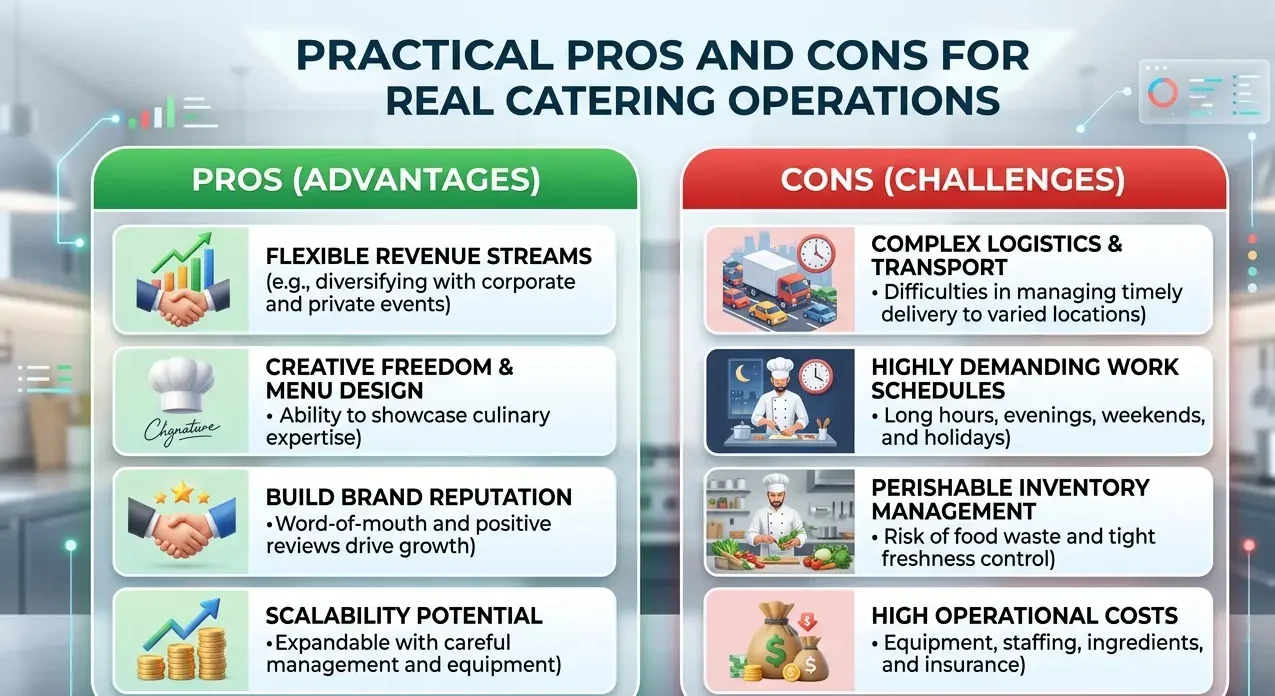
1121 parboiled basmati reduces risk in large kitchens, while 1121 white basmati raises sensory value in premium service, so the right choice depends on whether the operation prioritises consistency or dining perception.
When 1121 parboiled works best
- Use it for canteens, institutions, and contract catering where batch consistency matters.
- Use it for banquet halls and buffets where rice must stay separate under hot hold.
- Use it for stock-heavy operations where longer shelf life reduces waste.
When 1121 white works best
- Use it for premium plated dishes where aroma leads the customer experience.
- Use it for restaurants with fast stock turnover and close kitchen control.
- Use it for menu items where visual whiteness supports premium positioning.
The operational reality is simple. Parboiled rice gives the chef a safer working base. White Basmati gives the diner a more classic sensory cue. The buyer should choose based on the service model, not on general rice preferences.
What is the clearest buying conclusion?
1121 parboiled basmati is the safer bulk catering grade, while 1121 white basmati is the stronger premium dining grade, and the best choice follows the service model rather than the grain name alone.
If the buyer runs a large kitchen, a contract catering system, or a warehouse-led supply model, parboiled rice is the stronger decision. It lowers spoilage risk, handles movement better, and cooks more predictably at scale. That makes it the more efficient basmati bulk cooking grade.
If the buyer sells aroma, whiteness, and plate appeal, white Basmati is the better fit. It gives the premium signal that many restaurant and boutique catering formats want. That makes it the better choice for service-led dining.
AHK Rice supports both grades from Punjab, which keeps the sourcing conversation technical and consistent. Buyers can choose by use case, compare by specification, and then lock pricing at the container level once the catering grade is clear.