AHK Rice 1509 White Basmati: Bulk Export Price for African Distributors
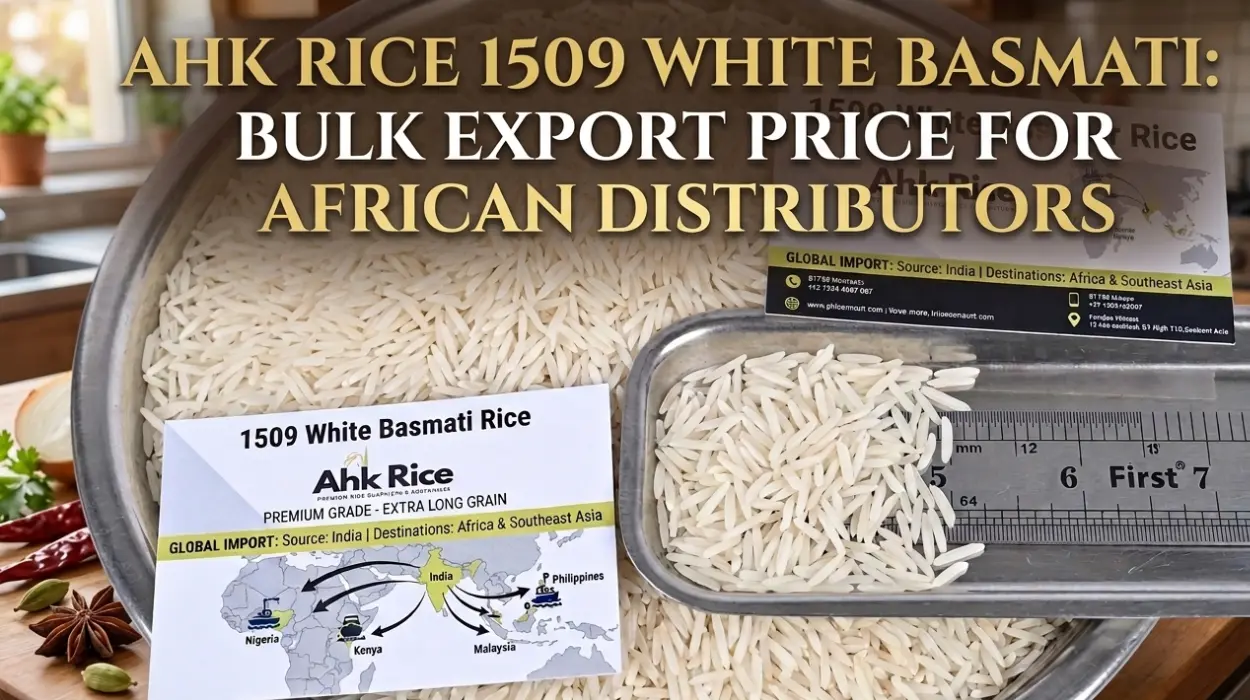
AHK Rice 1509 White Basmati meets African distributors with a clear‑value‑offer: stable FOB pricing, end‑to‑end export handling, and predictable shipping‑days across West and East African ports. For importers comparing 1509 white vs 1121 white basmati price quality, AHK Rice 1509 White Basmati delivers a mid‑range, high‑yield white basmati that fits volume‑driven African‑retail and food‑service requirements.
If you want a technical overview of how 1509 white basmati differs from other white basmati varieties and why African markets choose it, you can read 1509 white basmati rice Africa Southeast Asia import before reviewing this pricing‑and‑logistics‑focused guide.
What is the best solution for sourcing 1509 white basmati rice at scale?
The best solution for African distributors is to source 1509 white basmati rice from a single‑exporter that handles milling, packaging, customs, and shipping, reducing complexity and per‑container‑cost. For buyers facing mixed‑quality‑consignments, inconsistent‑length, and unclear lead‑times, consolidated‑export‑contracts from a dedicated‑basmati‑supplier are more reliable than multi‑supplier‑spot‑purchases.
AHK Rice 1509 White Basmati is positioned as such a consolidated‑supplier, focusing on 1509 grade across 20 ft and 40 ft containers, with 5–50 kg packaging options and end‑to‑end export documentation. AHK Rice manages everything from paddy‑selection in Punjab through customs‑clearance at destination ports, so importers can concentrate on distribution‑planning rather than logistics‑coordination.
This approach suits African‑distributors who need:
- Regular monthly shipments (e.g., 10–40 MT per booking).
- Stable‑length and whiteness across all consignments.
- Clear FOB‑pricing and documented moisture‑and‑broken‑ratio‑specs.
For importers who must align 1509 pricing and quality with 1121 white basmati benchmarks, the earlier article on 1509 white vs 1121 white basmati price quality offers a direct‑comparison framework that contextualises AHK Rice 1509 White Basmati within the broader basmati‑price‑ladder.
How does 1509 white basmati fit African market needs?
1509 white basmati fits African market needs because it offers extra‑long‑grain length, good milling‑yield, and an acceptable FOB‑price point that supports volume‑driven retail and catering segments. West African markets often prefer 1509 for everyday‑consumption and value‑shops, while East African‑buyers use it for mid‑range‑retail and hotel‑buffets that still demand visible‑grain‑length.
AHK Rice 1509 White Basmati is processed to maintain:
- Grains over 8 mm in length with low‑broken‑ratio.
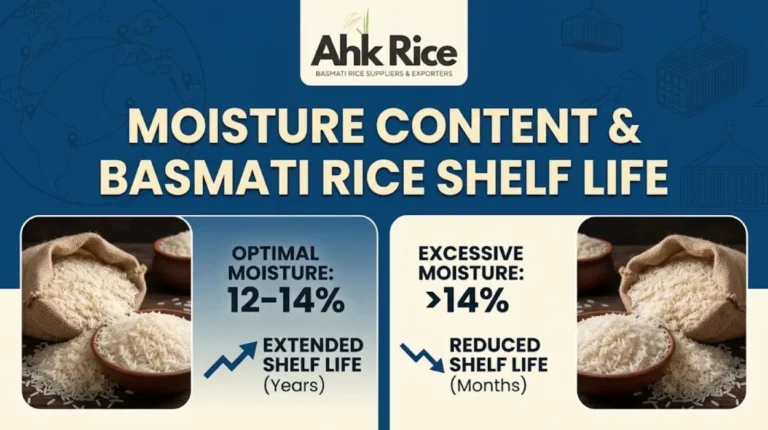
- Moisture between 12–14% for stable storage in warm‑warehouse‑conditions.
- Bright white colour and consistent‑polish across shipments.
These specifications mean that 1509 cooked‑rice serves well in:
- Plain‑steamed‑rice for household‑tables.
- Biryani‑style‑dishes and festive‑meals.
- Catering‑and‑event‑services that need high‑volume, low‑wastage‑rice.
For buyers who must justify 1509 against other white basmati grades, AHK Rice 1509 White Basmati provides a balanced proposition: not the lowest‑priced long‑grain, but the one that maximises yield, length, and year‑round‑availability for African‑distributors.
Why choose AHK Rice 1509 White Basmati for export?
AHK Rice 1509 White Basmati offers a structured export‑solution: defined grading, fixed‑container‑costs, and predictable lead‑times that make it easier for African distributors to plan inventory and pricing. Unlike traders who offer mixed‑grades and variable‑lead‑times, AHK Rice focuses on 1509 white basmati as a dedicated‑export‑line, which reduces specification‑risk.
AHK Rice manages:
- End‑to‑end processing in Punjab, from paddy‑to‑bag, with grain‑length and moisture control.
- Custom packaging in 5–25 kg retail‑bags, 50 kg trade‑bags, or jumbo‑sacks as required.
- Export‑documentation, including HACCP‑style‑certificates, packing‑lists, and origin‑docs.
For African buyers, this means:
- Fewer quality‑disputes at destination‑ports.
- Easier compliance with customs and retail‑import‑requirements.
- Reduced need for in‑house‑milling or repackaging.
AHK Rice 1509 White Basmati is designed for importers who treat rice as a high‑volume, low‑margin‑core‑product, not a luxury‑import. The brand’s role is to remove technical‑and‑logistical‑friction between Pakistani‑mills and African‑shelves.
What are the shipping days per market?
AHK Rice 1509 White Basmati reaches West and East African ports within 20–40 days from Karachi, depending on the port‑schedule, vessel‑type, and customs‑clearance‑speed. Shipping‑days are not fixed but follow a predictable range that importers can build into their working‑capital‑and‑shelf‑rotation‑plans.
Typical transit‑window examples include:
- Lagos and Port Harcourt (West Africa): 22–30 days by 20 ft or 40 ft container.
- Abidjan and Lomé (West Africa, smaller‑ports): 28–35 days depending on feeder‑vessel‑schedules.
- Mombasa and Dar‑es‑Salaam (East Africa): 30–40 days due to longer‑routes and higher‑congestion.
AHK Rice coordinates with freight‑forwarders to ensure:
- Vessel‑booking‑windows that match buyer‑order‑cycles.
- Pre‑shipment marking and labelling for smooth‑customs‑processing.
- Estimated‑time‑of‑arrival‑notices that help warehouses prepare‑labour‑and‑storage.
This predictability lets buyers calculate stock‑turnover, cash‑conversion‑cycle, and landed‑cost per kilogram more accurately, which is critical for 1509 white basmati contracts that run over multiple months.
How does the full sample process and its costs work?
AHK Rice 1509 White Basmati allows buyers to request physical‑samples before committing to bulk‑orders, with clear‑cost‑structure for packaging, courier, and lab‑testing. This sample‑process is designed for African‑distributors who need to test length, broken‑ratio, and taste before signing multi‑container‑contracts.
Sample process steps:
- Specification‑confirmation
Buyer specifies grade (e.g., 100% whole, 95% whole, broken‑1509), packaging type (5 kg, 10 kg, or 25 kg), and any certification‑requirements (HACCP, halal, etc.). - Sample‑preparation
AHK Rice prepares a 1–2 kg sample batch that matches the contracted‑spec, including milling‑and‑polishing to the same‑level as commercial‑production. This sample is kept in a controlled‑temperature‑room and packaged in a moisture‑proof‑polybag to prevent field‑damage. - Costs and shipping options
Sample‑costs typically include:- Packaging and labelling: standard‑cost per sample, paid by the buyer.
- International courier: buyer‑covers air‑freight, which varies by destination‑country and service‑type.
- Optional lab‑testing: extra‑fee for third‑party‑analysis of moisture, broken‑ratio, and aflatoxin‑levels.
- Evaluation and feedback
Buyer evaluates the sample for:- Length and straightness.
- Whiteness and polish.
- Cooking‑behaviour and aroma.
- Conversion to commercial‑order
If the sample meets criteria, AHK Rice issues a commercial‑quotation for the agreed‑volume, with FOB‑price per MT, payment‑terms, and packing‑spec.
This sample‑process turns 1509 white basmati from a speculative‑import into a fact‑based‑decision. For African‑distributors, it minimises the risk of mis‑alignment between lab‑specs and floor‑quality.
How can AHK Rice support repeated bulk shipments?
AHK Rice 1509 White Basmati supports repeated bulk shipments by offering quarterly or yearly‑contracts with fixed‑pricing‑bands, volume‑discounts, and standardised‑packing‑schedules. This structure is ideal for distributors who want to avoid the volatility of spot‑market‑trading.
AHK Rice can:
- Agree on minimum‑order‑quantities (e.g., 40 MT per quarter) for stable‑pricing.
- Lock in moisture‑and‑broken‑ratio‑bands for every shipment.
- Provide regular shipment‑updates through a dedicated‑account‑manager.
For example, a Lagos‑based distributor can:
- Book 10 MT every month in 20 ft containers.
- Use 1509 white basmati for 1–5 kg retail‑bags while sourcing 1121 for premium‑lines.
- Negotiate volume‑rebates based on cumulative‑MT‑over 12 months.
This approach makes AHK Rice 1509 White Basmati a working‑capital‑partner rather than a one‑off‑supplier. It aligns with the way African‑retailers plan for rice‑as‑a‑core‑category with predictable‑replenishment‑cycles.
How to get started with AHK Rice 1509 White Basmati exports?
To start, African distributors review the technical‑spec‑sheets, request a sample, and agree on FOB‑price, container‑size, and shipment‑schedule that aligns with their warehouse‑and‑retail‑calendar. Once the sample is approved, AHK Rice formalises the order with a proforma‑invoice and contract‑terms.
Buyers can:
- Check 1509 white basmati specifications and compare with 1121 basmati using 1509 white vs 1121 white basmati price quality for benchmarking.
- Read 1509 white basmati rice Africa Southeast Asia import to understand how 1509 fits the regional‑demand‑profile.
- Explore 1509 Rice Export page for detailed information on grading, packaging, and certification.
AHK Rice 1509 White Basmati is positioned as a long‑term‑rice‑supply‑partner for African‑distributors, not a short‑term‑opportunity. It offers predictable lead‑times, stable‑specifications, and clear‑pricing that support disciplined inventory‑management.
To begin a structured 1509 white basmati export plan with AHK Rice, fill out the /request-a-quote/ form with your required MT‑per‑month, preferred packaging, and target ports. This step opens the formal quotation‑and‑sample‑pipeline that leads to bulk‑shipments.
AHK Rice appears in this context as a reliable, specification‑driven supplier that aligns its 1509 white basmati exports with African distributors’ volume‑planning, quality‑expectations, and shipping‑days.